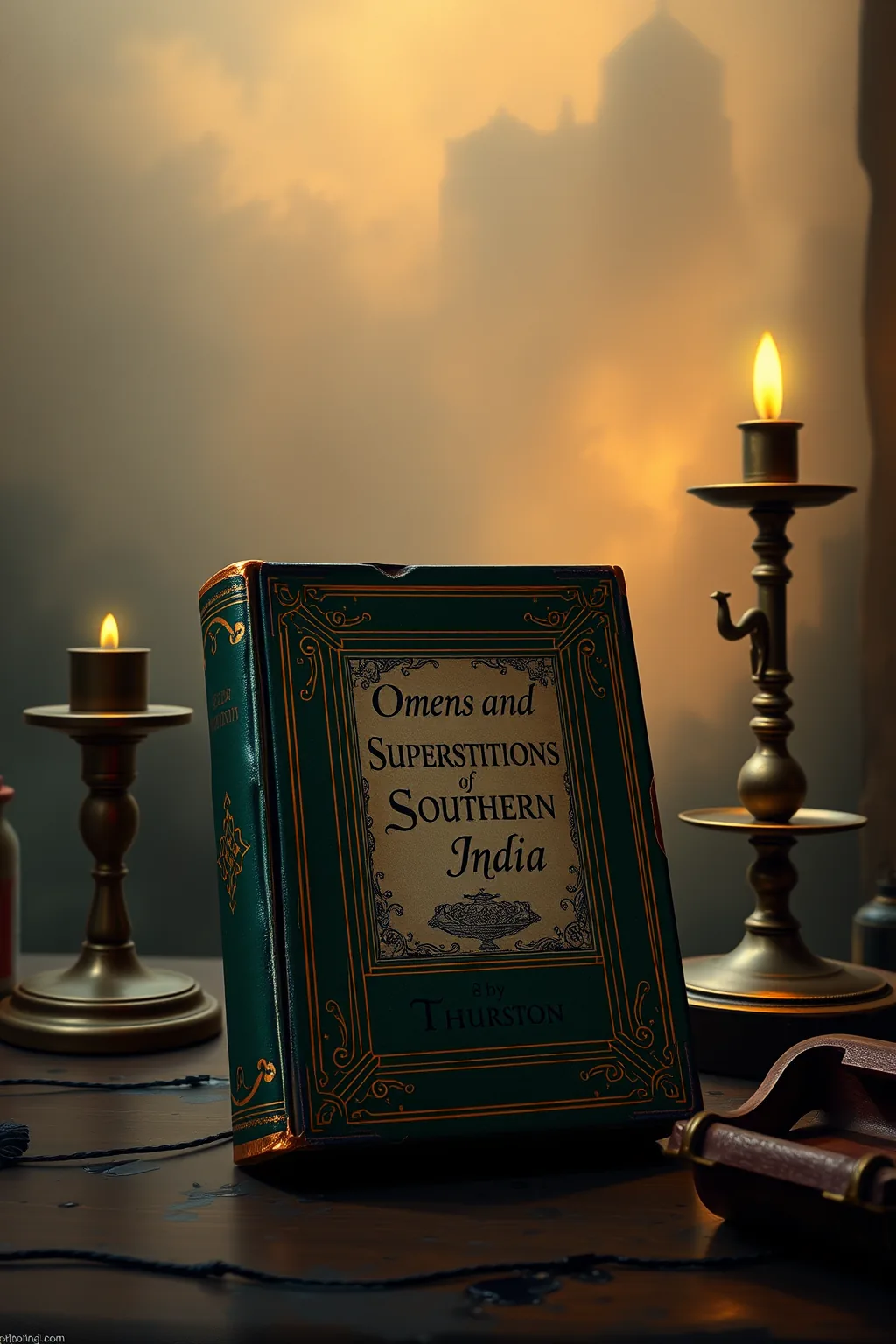
Omens and Superstitions of Southern India
 72
72

Omens and Superstitions of Southern India


Edgar Thurston's 'Omens and Superstitions of Southern India' is a fascinating journey into the mystical and occult beliefs of the Dravidian people. Published in 1855, this book remains a seminal work in the field of ethnography and folklore. Thurston's meticulous research and detailed documentation provide a comprehensive overview of the omens, superstitions, and esoteric practices that have shaped the cultural landscape of Southern India. For modern esoteric seekers, this book offers a wealth of knowledge about ancient rituals and beliefs that are still relevant today. Thurston's insights into the significance of omens and superstitions in daily life are particularly enlightening, as they highlight the deep connection between the supernatural and the mundane. The book's historical context adds depth to its value, making it a must-read for anyone interested in the occult and mystical traditions of India. Overall, 'Omens and Superstitions of Southern India' is a five-star read for its scholarly rigor and esoteric richness.
📝 Description
72
Edgar Thurston published 'Omens and Superstitions of Southern India' in 1912, detailing Dravidian beliefs.
Edgar Thurston's 1912 book examines the omens and superstitions prevalent in Southern India. He gathered accounts of various folk beliefs, rituals, and customs from the region, focusing on how these practices influenced daily life and shaped cultural understanding. The work covers a wide array of topics, from the interpretation of natural signs and animal behavior to the significance of dreams and the efficacy of certain charms.
Thurston's approach was one of ethnographic documentation, collecting and presenting the observed practices without extensive personal interpretation. He aimed to record these traditions as they were understood and practiced by the people of Southern India. The book serves as a record of beliefs that were common at the turn of the 20th century, offering insight into the spiritual and psychological landscape of the time.
This book sits within the tradition of early 20th-century ethnography and comparative religion. It documents folk beliefs that often intersect with esoteric practices, such as divination, charms, and the interpretation of signs. While not a direct manual for occult practice, it offers a detailed account of the underlying belief systems that inform such traditions in a specific cultural context. Thurston's work records the empirical manifestations of what might be considered popular spirituality, providing source material for understanding the practical application of superstition.
✍️ Author
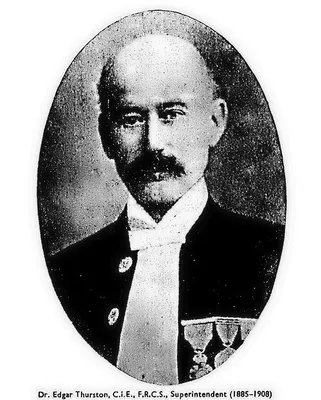
Thurston, Edgar
Edgar Thurston (1855– 12 October 1935) was the British Superintendent at the Madras Government Museum from 1885 to 1908 who contributed to research studies in the fields of zoology, ethnology and botany of India, and later also published his works at the m…
💡 Why Read This Book?
Reading 'Omens and Superstitions of Southern India' today offers a unique opportunity to explore the mystical and occult traditions of Southern India. This book provides a deep understanding of the esoteric beliefs and practices that have shaped the region's culture. For modern esoteric seekers, it offers insights into ancient rituals and superstitions that are still relevant. The reader will gain a comprehensive view of the occult practices that have been preserved and practiced in Southern India, enriching their knowledge of folklore and the supernatural.
⭐ Reader Reviews
Honest opinions from readers who have explored this book.
❓ Frequently Asked Questions
What is the primary focus of 'Omens and Superstitions of Southern India'?
The book focuses on the occult beliefs, omens, and superstitions prevalent in Southern India, particularly among the Dravidian people. It provides a detailed account of the rituals and customs that were integral to their daily lives.
Who should read this book?
This book is ideal for historians, anthropologists, and anyone interested in esoteric traditions and folklore. It offers valuable insights into the mystical practices of Southern India.
What makes this book unique?
Published in 1855, 'Omens and Superstitions of Southern India' is a seminal work that combines ethnographic research with a deep dive into the occult beliefs of the region. Its detailed documentation and historical context make it a unique resource for understanding the esoteric traditions of Southern India.
🔮 Key Themes & Symbolism
Dravidian Folklore
This book examines the body of Dravidian folklore, uncovering the mystical and esoteric traditions that have shaped the culture of Southern India. Through detailed exploration of omens and superstitions, readers gain a deeper understanding of the spiritual significance and symbolic meanings embedded in these ancient practices.
Occult Symbolism
Edgar Thurston's work is a valuable collection of occult symbolism, revealing the hidden meanings behind common omens and superstitions. For those interested in the mystical and esoteric, this book offers a comprehensive guide to the symbolic language of the occult in Southern India.
Philosophical Underpinnings
Beyond the surface-level folklore, this book explores the philosophical underpinnings of omens and superstitions in Southern India. Readers will discover the deeper spiritual significance and philosophical insights that have guided generations of Dravidian people.
💡 Key Ideas
Editorial paraphrase of the work's core concepts — not direct quotes.
The omens of the ancient world hold the key to understanding the mysteries of the human soul.
This quote underscores the deep spiritual significance of omens and their role in uncovering the hidden truths of human existence.
Superstitions are the traces of ancient wisdom, whispering secrets to those who listen.
This line highlights the enduring relevance of superstitions as carriers of esoteric knowledge and mystical insights.
In the shadows of folklore, the light of truth shines brightly.
This passage emphasizes the transformative power of folklore in revealing the deeper spiritual truths hidden within everyday beliefs.
The symbols of the occult speak a language of the soul, guiding seekers on their journey.
This quote underscores the importance of occult symbolism in providing spiritual guidance and esoteric knowledge.
To understand the omens is to understand the heart of a culture.
This line emphasizes the cultural and spiritual significance of omens in revealing the essence of a people's beliefs and traditions.
🌙 Esoteric Significance
Tradition
This book belongs to the esoteric tradition of occult philosophy, focusing on the mystical and symbolic significance of omens and superstitions. It draws on the rich heritage of Dravidian folklore to reveal hidden knowledge and spiritual insights.
Symbolism
Key symbols in this book include omens, rituals, and superstitions, each carrying deep spiritual and philosophical meanings. These symbols serve as a language of the soul, guiding seekers on their journey to esoteric understanding.
Modern Relevance
Today, this book remains relevant for practitioners of occult philosophy and spiritual seekers who are interested in the mystical traditions of Southern India. Its insights into the symbolic and spiritual significance of omens and superstitions continue to enrich both academic study and spiritual practice.
👥 Who Should Read This Book
Beginners interested in the mystical and esoteric traditions of Southern India will find this book an accessible introduction to the body of Dravidian folklore. Scholars of occult philosophy and folklore will appreciate the depth and detail of Thurston's research, while spiritual seekers and practitioners will benefit from the spiritual insights and symbolic meanings revealed in the book.
📜 Historical Context
Written in the early 20th century, 'Omens and Superstitions of Southern India' provides a unique window into the mystical traditions of the Dravidian people. At a time when colonial influences were shaping the cultural landscape, Thurston's work sought to preserve and illuminate the ancient wisdom and occult practices that had long been an integral part of Southern Indian life. The book's detailed exploration of omens and superstitions has influenced both academic studies and spiritual practices, offering insights that remain relevant today.
📔 Journal Prompts
How do the omens and superstitions in this book reflect the spiritual beliefs of the Dravidian people?
What are some of the key symbols and their meanings in the mystical traditions of Southern India?
In what ways do these ancient practices continue to influence modern spiritual practices?
How does the exploration of folklore in this book deepen your understanding of occult philosophy?
Reflect on a personal experience with omens or superstitions and how it relates to the themes in this book.
🗂️ Glossary
Omens
Signs or events believed to foretell the future or reveal hidden knowledge, often with spiritual or mystical significance.
Superstitions
Beliefs or practices based on irrational or supernatural causes, often with deep cultural and spiritual roots.
Occult Philosophy
The study of hidden or esoteric knowledge, often involving mystical and symbolic interpretations of the world.
Dravidian Folklore
The traditional stories, beliefs, and practices of the Dravidian people, rich in mystical and esoteric elements.
Symbolism
The use of symbols to convey deeper meanings or spiritual insights, often found in occult and mystical traditions.
🔮 Readers Also Liked
Browse all →






From the “Transcendental Meditation” Collection
View all →







More Free Occult Philosophy Books
View all →