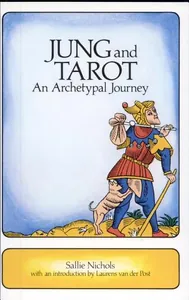
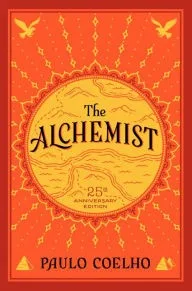
O Alquimista
 81
81

O Alquimista
Coelho's "O Alquimista" presents a deceptively simple narrative that functions as a potent spiritual allegory. Its strength lies in its accessible prose and the compelling archetypal journey of Santiago. The novel's exploration of the "Personal Legend" and the "Soul of the World" offers a comforting framework for understanding life's direction. However, the didactic nature can sometimes feel overly simplistic, with characters often serving as mouthpieces for philosophical tenets rather than fully fleshed individuals. The passage where Santiago learns to speak the Language of the World by observing the desert, the wind, and the sun, while symbolically rich, leans heavily into a mystical conceit that might strain credulity for some readers. It’s a fable for the seeker, offering encouragement but little in the way of nuanced complexity. Ultimately, "O Alquimista" succeeds as a popularizer of spiritual concepts, making them palatable to a broad audience.
📝 Description
81
Paulo Coelho's 1988 novel follows a shepherd boy's quest for treasure and his destiny.
Published in 1988, Paulo Coelho's "O Alquimista" chronicles the journey of Santiago, an Andalusian shepherd boy. His search for a fabled treasure takes him from Spain across North Africa to the Egyptian pyramids. The novel's true focus, however, is not the material wealth but the discovery of one's "Personal Legend," or predetermined destiny. It combines spiritual philosophy with mystical elements, urging readers to heed their inner voice and pursue their aspirations.
This book resonates with individuals seeking encouragement for personal growth and spiritual understanding. It is especially relevant for those drawn to themes of fate, self-discovery, and the interconnectedness of existence. Readers who enjoy parables and philosophical narratives will find "O Alquimista" appealing. It speaks to anyone at a crossroads, contemplating their path, or sensing a call toward a life purpose yet unrealized.
Emerging in 1988, "O Alquimista" coincided with a rise in spiritual and self-help literature. While not directly aligned with specific movements like Theosophy or Gnosticism, its exploration of destiny and universal connection aligned with broader New Age ideas of the late 20th century. Its global success, particularly after the 1993 English translation, placed it among inspirational fiction and spiritual guides, though its narrative approach distinguished it from more instructional texts.
💡 Why Read This Book?
• You will learn to recognize the concept of the "Personal Legend" as a guiding principle for your life's direction, a core tenet Coelho emphasizes through Santiago's quest beginning in Tarifa. • You will feel the spiritual significance of "Maktub" as a way to reconcile destiny with personal agency, a theme explored through Santiago's experiences in the Tangier market. • You will gain an appreciation for the esoteric idea of the "Soul of the World," understanding how seemingly mundane events and natural elements (like the desert wind) can serve as divine guidance.
⭐ Reader Reviews
Honest opinions from readers who have explored this book.
❓ Frequently Asked Questions
What is the "Personal Legend" in Paulo Coelho's "O Alquimista"?
The "Personal Legend" is the central esoteric concept in "O Alquimista," representing one's true calling or destiny in life. It's the path an individual is meant to follow, and discovering and pursuing it is the ultimate goal.
When was "O Alquimista" originally published?
Paulo Coelho's "O Alquimista" was originally published in Brazil in 1988. Its international success, particularly the English translation in 1993, propelled it to global bestseller status.
What does "Maktub" mean in the context of the book?
"Maktub" is an Arabic word meaning "it is written." In "O Alquimista," it signifies the acceptance of destiny or fate, encouraging characters to understand that certain events are preordained, yet their actions still play a crucial role.
Where does Santiago's journey begin and end?
Santiago's journey begins in Andalusia, Spain, specifically in Tarifa, where he sells his sheep. His quest for treasure ultimately leads him to the Egyptian pyramids, though the true treasure is found upon his return to Spain.
What is the "Soul of the World"?
The "Soul of the World" is a spiritual concept in "O Alquimista" representing a universal consciousness or interconnected spiritual force that governs all things. It communicates through omens and signs, guiding individuals toward their Personal Legend.
Is "O Alquimista" based on any real alchemical practices?
While "O Alquimista" uses alchemical metaphors for spiritual transformation, it is not a literal guide to historical alchemy. Coelho's work adapts alchemical symbolism for a modern, spiritual narrative focused on personal destiny.
🔮 Key Themes & Symbolism
The Personal Legend
This is the core concept, representing an individual's true calling or life purpose. The novel posits that the universe conspires to help those who bravely pursue their Personal Legend. Santiago's journey from shepherd to treasure seeker exemplifies this, highlighting that following one's deepest desires is paramount. It's an esoteric notion that aligns with finding one's fated path and fulfilling one's highest potential, often involving significant personal trials and growth.
The Soul of the World
This theme introduces a universal consciousness that connects all living beings and matter. It's the underlying spiritual fabric of existence, which can be understood and communicated with through intuition and observation of omens. Santiago learns to perceive this connection, recognizing that the desert, the wind, and even the stones are part of a larger, sentient whole. This concept mirrors ideas found in various mystical traditions about a divine mind or cosmic interconnectedness.
Omens and Signs
The novel emphasizes that the universe communicates through signs and omens to guide individuals towards their Personal Legend. These can be subtle or overt, appearing in nature, through animal behavior, or in coincidental events. Santiago's ability to interpret these signs, from the flight of birds to the dreams he experiences, is crucial to his progress. This aligns with divinatory practices and the esoteric belief that synchronicity reveals a hidden order and divine will.
Alchemy as Metaphor
Coelho uses the language and imagery of alchemy not for literal transmutation of metals, but as a metaphor for spiritual transformation. The process of turning lead into gold represents the purification and evolution of the soul. Santiago's journey, with its trials and revelations, is his alchemical process, leading him to self-understanding and the realization of his true spiritual wealth rather than material riches.
💬 Memorable Quotes
Direct passages from the work, attributed to the author.
“When you want something, all the universe conspires in helping you to achieve it.”
— This iconic line captures the core philosophy of the Personal Legend. It suggests a benevolent cosmic force actively supporting individuals who are committed to their true path, implying a deep interconnectedness between human desire and universal will.
“All things are one.”
— A concise expression of the interconnectedness central to the 'Soul of the World.' It implies that the separation between individuals, nature, and the divine is an illusion, and that a fundamental unity underlies all existence.
“Maktub. It is written.”
— This phrase acknowledges the role of destiny or fate. It suggests a level of predetermination in life's events, encouraging acceptance while not negating the importance of human action and free will in navigating one's path.
“The secret of life, though, is to fall seven times and to get up eight.”
— This proverb emphasizes resilience and perseverance. It frames life's challenges not as failures, but as opportunities for growth, underscoring the importance of determination in overcoming adversity on the path to one's goals.
💡 Key Ideas
Editorial paraphrase of the work's core concepts — not direct quotes.
It's the possibility of having a dream come true that makes life interesting.
This quote highlights the motivational power of aspiration. The pursuit of a dream, regardless of the outcome, imbues life with meaning and excitement, suggesting that the journey itself is as valuable as the destination.
🌙 Esoteric Significance
Tradition
While "O Alquimista" doesn't strictly adhere to a single esoteric lineage, it draws heavily from Gnostic and Hermetic concepts, particularly the idea of a divine spark within each individual and the pursuit of spiritual enlightenment. The notion of a "Personal Legend" carries the Gnostic quest for self-knowledge and liberation from ignorance. The "Soul of the World" concept aligns with Hermetic principles of universal correspondence and the interconnectedness of all things, suggesting a unified cosmic consciousness.
Symbolism
The desert serves as a potent symbol of spiritual desolation and purification, a place where one confronts the self and the divine. Santiago's sheep symbolize a life of comfort and conformity, which he must leave behind to pursue his true calling. The treasure itself, ultimately found back where he started, represents the esoteric understanding that enlightenment or fulfillment is often discovered within after an external journey.
Modern Relevance
Contemporary spiritual seekers, life coaches, and proponents of the Law of Attraction frequently cite "O Alquimista." Its accessible allegory makes complex ideas about destiny, manifestation, and purpose understandable to a broad audience. Thinkers focused on mindfulness, personal development, and the power of intention often reference the book's core message that the universe supports those pursuing their dreams.
👥 Who Should Read This Book
• Individuals questioning their life path: Those feeling unfulfilled or uncertain about their direction will find resonance in Santiago's quest for his "Personal Legend." • Students of spiritual allegory: Readers interested in how spiritual concepts are conveyed through narrative will appreciate the book's metaphorical structure and symbolism. • Seekers of inspiration: Anyone needing encouragement to pursue their dreams and overcome obstacles will be motivated by the novel's optimistic and empowering message.
📜 Historical Context
Published in 1988, "O Alquimista" emerged in a global landscape receptive to spiritual and self-discovery narratives, a trend amplified by the burgeoning New Age movement. While not directly aligned with established esoteric orders like the Hermetic Order of the Golden Dawn or Theosophy, its themes of destiny and universal interconnectedness resonated with a public seeking meaning beyond material concerns. The book's international breakthrough, particularly following the 1993 English translation, positioned it as a cultural phenomenon. It gained widespread recognition, diverging from the more academic explorations of myth by figures like Joseph Campbell, and offered a more accessible, allegorical approach to spiritual journeys. Its massive sales and translation into numerous languages marked a significant moment for inspirational fiction, proving the broad appeal of its philosophical underpinnings.
📔 Journal Prompts
Santiago's sheep as a symbol of his former life.
The omens Santiago observes on his journey from Tarifa.
Interpreting the "Soul of the World" through personal experiences.
The concept of "Maktub" in relation to personal choices.
The alchemical transformation of Santiago's inner self.
🗂️ Glossary
Personal Legend
The unique destiny or life purpose that an individual is meant to fulfill. The universe is said to conspire to help those who actively pursue their Personal Legend.
Soul of the World
A universal consciousness or spiritual force that connects all things. It communicates through signs and omens, guiding individuals towards their destiny.
Maktub
An Arabic word meaning 'it is written.' It signifies the acceptance of destiny, acknowledging that certain events are fated, while still emphasizing the importance of human action.
Omens
Signs or indications from the universe, often interpreted as divine guidance, that help individuals navigate their path towards their Personal Legend.
Alchemy
In the context of the book, alchemy is used metaphorically to represent the process of spiritual transformation and self-discovery, rather than the literal transmutation of metals.
The Language of the World
The universal language of intuition, connection, and understanding that transcends spoken words, allowing communication with the Soul of the World.
Urim and Thummim
Two stones, one black and one white, used by Santiago as a tool for divination. They help him make decisions when he cannot interpret omens clearly.
🔮 Readers Also Liked
Browse all →







More by Paulo Coelho
All books →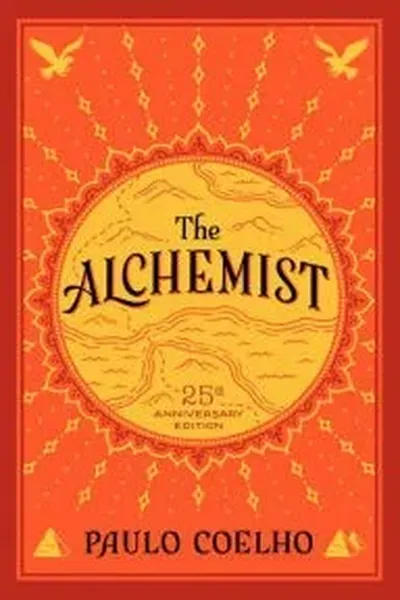





More Free Occult Philosophy Books
View all →