Fire: The Elementals Book One
 79
79

Fire: The Elementals Book One
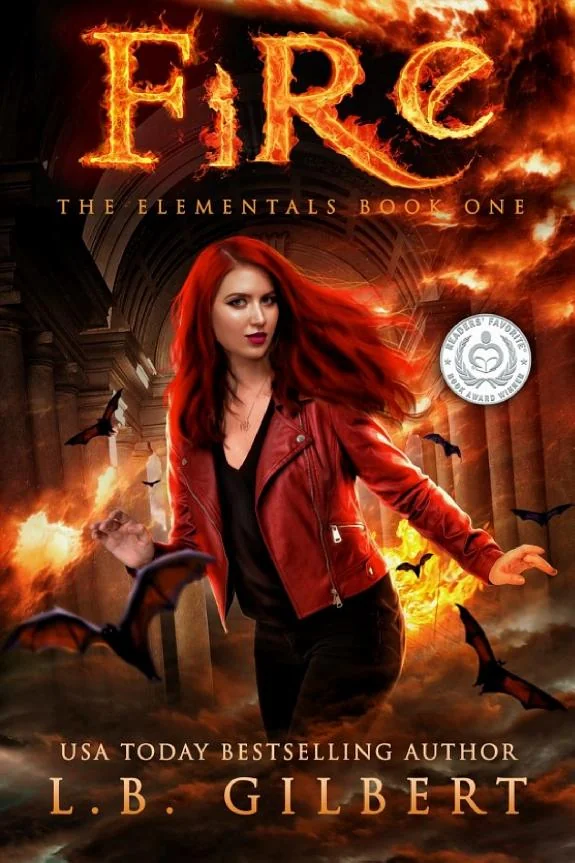
L.B. Gilbert’s *Fire* launches the Elementals series with a protagonist whose command over flames is matched only by her sharp tongue. The comparison to hard-boiled detective novels by Readers' Favorite is apt; the prose is lean, the dialogue often laced with a cynicism that feels earned. Alec, the vampire scholar and “fan,” presents an intriguing counterpoint to the heroine’s volatility. His scholarly demeanor and undead existence add a layer of intellectual depth to the otherwise action-driven plot. However, the narrative occasionally leans too heavily on established tropes, particularly in the initial setup of the protagonist’s isolation and her reluctant entanglement with the supernatural world. While Kirkus Reviews highlights the “hot-tempered heroine and the charmingly undead” as a winning combination, the execution sometimes feels more functional than truly revelatory. The book succeeds in establishing a compelling world and characters, even if its foundation rests on familiar supernatural ground. *Fire* is a promising, if not entirely original, entry into the urban fantasy landscape.
📝 Description
79
L.B. Gilbert's 2015 novel, Fire, presents pyrokinetic powers within a noir-infused urban fantasy setting.
Fire, the first in The Elementals series, plunges readers into a gritty urban fantasy world. The story follows a protagonist who wields formidable pyrokinetic abilities. Gilbert blends a hard-boiled, noir detective sensibility with supernatural elements, creating a distinct atmosphere. This novel establishes the central conflict and introduces the key characters inhabiting a world where elemental magic exists alongside modern life.
Readers who prefer darker, more adult-oriented fantasy will find Fire engaging. It appeals to those who appreciate complex female leads and a rejection of typical heroic molds. The book is particularly suited for fans of supernatural romance that incorporates morally ambiguous characters and a touch of vampire lore, offering a different flavor than more traditional paranormal stories.
Published in 2015, Fire taps into a contemporary fascination with urban fantasy and paranormal romance. While the genre often features vampires, Gilbert's focus on elemental magic, specifically fire manipulation, provides a less common angle. The narrative explores the protagonist's struggle for control over her innate power and the societal ramifications of such abilities. This approach situates the book within a tradition of exploring supernatural phenomena in contemporary settings, but with a specific emphasis on elemental forces rather than solely creature-focused lore.
💡 Why Read This Book?
• Gain insight into elemental magic, specifically pyrokinetics, as explored through the protagonist's struggle for control, offering a unique perspective on fire as a force beyond mere destruction. • Experience a blend of urban fantasy and noir, a stylistic choice that imbues the 2015 publication with a gritty atmosphere distinct from lighter paranormal romances. • Engage with a character dynamic featuring a strong, fiery heroine and a vampire scholar, a pairing that challenges traditional supernatural archetypes and offers fresh romantic and conflict potential.
⭐ Reader Reviews
Honest opinions from readers who have explored this book.
❓ Frequently Asked Questions
What is the primary supernatural element in L.B. Gilbert's Fire?
The primary supernatural element is pyrokinetic ability, the power to control and generate fire, possessed by the book's protagonist. This is complemented by the presence of vampires, like the character Alec, who adds a different supernatural dimension.
What genre does Fire by L.B. Gilbert belong to?
Fire belongs to the urban fantasy genre, with strong elements of supernatural fiction and a style often compared to hard-boiled detective novels. It was first published in 2015.
Who are the main character types featured in Fire?
The main character types include a kick-ass heroine with pyrokinetic abilities and a vampire scholar named Alec. The dynamic between these characters is central to the plot, as noted in early reviews.
What kind of tone can I expect from Fire: The Elementals Book One?
The tone is gritty, sharp, and often features snarky humor, reminiscent of a hard-boiled detective novel. It's noted for its edgy quality, moving beyond typical fantasy conventions.
Are there any awards or nominations mentioned for Fire by L.B. Gilbert?
Yes, Fire was a 2017 Readers' Favorite Silver Medal winner and a RONE nominated audiobook, indicating recognition within its genre.
What is the significance of the 'Elementals' in the book title?
The 'Elementals' likely refers to characters who embody or control primal forces, with 'Fire' being the first book focusing on the pyrokinetic protagonist. This suggests a series exploring different elemental powers.
🔮 Key Themes & Symbolism
Control of Elemental Power
The book explores the struggle for mastery over innate pyrokinetic abilities. This theme is central to the protagonist's character arc, exploring the internal conflict between wielding immense power and maintaining personal control. It examines how such abilities shape an individual's identity and their interactions with the world, touching upon the burden and responsibility that comes with extraordinary gifts. The narrative questions whether power corrupts or refines its wielder when faced with constant threats.
Supernatural Beings in Modern Society
Gilbert places supernatural entities, such as vampires, within a contemporary urban setting. This juxtaposition explores how ancient beings and magical powers function and integrate, or fail to integrate, into the mundane world. The presence of characters like Alec, the vampire scholar, highlights the potential for intellectual and social roles among the undead, challenging simplistic portrayals. The work examines the societal structures, both hidden and overt, that govern these beings.
Noir Sensibility and Urban Grit
A significant theme is the adoption of a hard-boiled, noir aesthetic within the fantasy genre. This manifests in the gritty urban landscapes, the morally ambiguous characters, and the often cynical tone. The narrative employs sharp dialogue and a focus on the darker aspects of human (and non-human) nature, creating an atmosphere of suspense and danger. This stylistic choice distinguishes the book from more traditional fantasy narratives, offering a darker, more realistic portrayal of supernatural conflict.
Unlikely Alliances and Relationships
The dynamic between vastly different supernatural beings forms a core thematic element. The protagonist, a fire wielder, and Alec, an undead scholar, represent a classic 'opposites attract' scenario, but one fraught with inherent conflict and mistrust. The exploration of their developing relationship, moving from antagonism or wary coexistence to potential alliance, examines themes of trust, acceptance, and finding common ground across seemingly insurmountable divides.
💬 Memorable Quotes
Direct passages from the work, attributed to the author.
“Reminiscent of a hard-boiled detective novel, Fire is gritty, sharp, with an edgy quality and a snarky humor.”
— This assessment from Readers' Favorite highlights the book's distinctive stylistic approach, appealing to fans of noir and urban fantasy who appreciate a darker, more cynical, and witty narrative voice.
“A kick-ass heroine with pyrokinetic abilities and a license to kill.”
— This descriptive phrase emphasizes the protagonist's formidable nature and dangerous capabilities, signaling an action-packed story featuring a powerful and assertive female lead.
“Enter Alec...vampire, scholar, and worst of all—fan.”
— This snippet introduces a key character, Alec, highlighting his many-sided nature as a vampire, intellectual, and admirer of the protagonist, setting up an intriguing and potentially complex relationship.
“2017 READERS' FAVORITE SILVER MEDAL WINNER & RONE NOMINATED AUDIOBOOK”
— These accolades indicate the book's critical reception and quality, particularly for its audiobook adaptation, assuring potential readers of its recognized merit within the genre.
💡 Key Ideas
Editorial paraphrase of the work's core concepts — not direct quotes.
A hot-tempered heroine and the charmingly undead prove a winning combination.
This quote from Kirkus Reviews captures the central character dynamic and appeals to readers who enjoy romantic tension and conflict between contrasting personalities within a supernatural framework.
🌙 Esoteric Significance
Tradition
While not strictly adhering to a single lineage, *Fire* draws heavily from Western esoteric traditions concerning elemental forces, particularly fire. It echoes concepts found in Hermeticism and various occult philosophies that attribute specific powers and temperaments to the four classical elements. The work departs by grounding these powers in a contemporary urban setting and focusing on individual, often volatile, manifestation rather than established magical systems or orders, presenting a more modern, individualistic interpretation of elemental embodiment.
Symbolism
Fire serves as the primary symbol, representing passion, destruction, purification, and uncontrolled power. The protagonist’s pyrokinetic abilities are a direct manifestation of this potent element. Vampires, like Alec, symbolize ancient power, the undead, forbidden knowledge, and a certain detached intellectualism. Their interaction within the narrative explores the interplay between raw, elemental force and ancient, perhaps more refined, supernatural existence, highlighting themes of control versus inherent nature.
Modern Relevance
Contemporary urban fantasy authors and practitioners of modern occultism interested in elemental magic may find inspiration in Gilbert's approach. The book's portrayal of elemental powers as deeply personal and often chaotic forces, rather than rigidly defined magical disciplines, speaks to trends towards individualistic spirituality and the exploration of the psyche's darker aspects. Its gritty, noir-infused style also speaks to a modern audience's appreciation for complex, morally gray narratives in supernatural fiction.
👥 Who Should Read This Book
• Fans of urban fantasy seeking a gritty, noir-infused narrative: Readers who enjoy dark cityscapes, morally ambiguous characters, and a hard-boiled tone will appreciate the stylistic choices evident since the book's 2015 publication. • Enthusiasts of strong female protagonists with unique powers: Those who gravitate towards powerful, complex heroines and are intrigued by elemental magic, specifically pyrokinetics, will find the protagonist compelling. • Readers interested in supernatural romance with an edge: Individuals drawn to unconventional romantic pairings, particularly those involving vampires and strong-willed individuals, will find the dynamic between the heroine and Alec engaging.
📜 Historical Context
Published in 2015, *Fire: The Elementals Book One* arrived during a robust period for urban fantasy, a genre that had seen significant growth since the early 2000s. Authors like Patricia Briggs and Ilona Andrews were popularizing complex supernatural worlds with strong heroines. L.B. Gilbert’s work tapped into this established readership but differentiated itself through a pronounced noir influence, a stylistic choice less common than the romantic or action-heavy approaches favored by many contemporaries. The integration of elemental magic, beyond the prevalent vampires and werewolves, also offered a fresh angle. While specific censorship events or direct scholarly engagement with *Fire* are not widely documented, its existence as a 2017 Readers' Favorite Silver Medal winner and RONE nominated audiobook signifies its positive reception within genre communities and among audiobook enthusiasts, placing it among notable works of the mid-2010s.
📔 Journal Prompts
Reflect on the protagonist's pyrokinetic abilities as a metaphor for uncontrolled emotion.
Consider Alec's existence as a vampire scholar; what does this duality suggest about ancient knowledge in the modern world?
Analyze the effectiveness of the noir stylistic elements in grounding the supernatural events of 2015.
Explore the concept of elemental power manifesting as a 'license to kill'.
How does the relationship dynamic between the fire wielder and the vampire challenge typical genre expectations?
🗂️ Glossary
Pyrokinetic
An individual possessing the psychic ability to create and control fire. In *Fire*, this power is innate and often volatile, central to the protagonist's identity and challenges.
Vampire
A mythical or folkloric being who subsists by feeding on the vital essence (generally in the form of blood) of the living. In the book, vampires like Alec exist as scholars and integrated (though distinct) members of society.
Hard-boiled detective novel
A style of crime fiction characterized by gritty realism, cynical protagonists, and often violent or morally ambiguous plots. *Fire* adopts elements of this style for its tone and atmosphere.
Elemental Magic
Magic derived from or focused on the classical elements: earth, air, fire, and water. The book explores fire as a specific manifestation of this concept.
Urban Fantasy
A subgenre of fantasy that is set in a recognisable urban environment. It often features supernatural elements interacting with modern society, as seen in this 2015 publication.
License to Kill
A fictional authorization, often granted by a government or secret agency, permitting an individual to kill targets as part of their duties. Here, it implies the protagonist's dangerous capabilities and perhaps official sanction.
RONE Award
Recognition for Excellence in Fiction, specifically for audiobooks. Nomination indicates a high standard in audiobook production and performance.
This book appears in 1 collection
🔮 Readers Also Liked
Browse all →








From the “Elementals” Collection
View all →




More Free Occult Philosophy Books
View all →