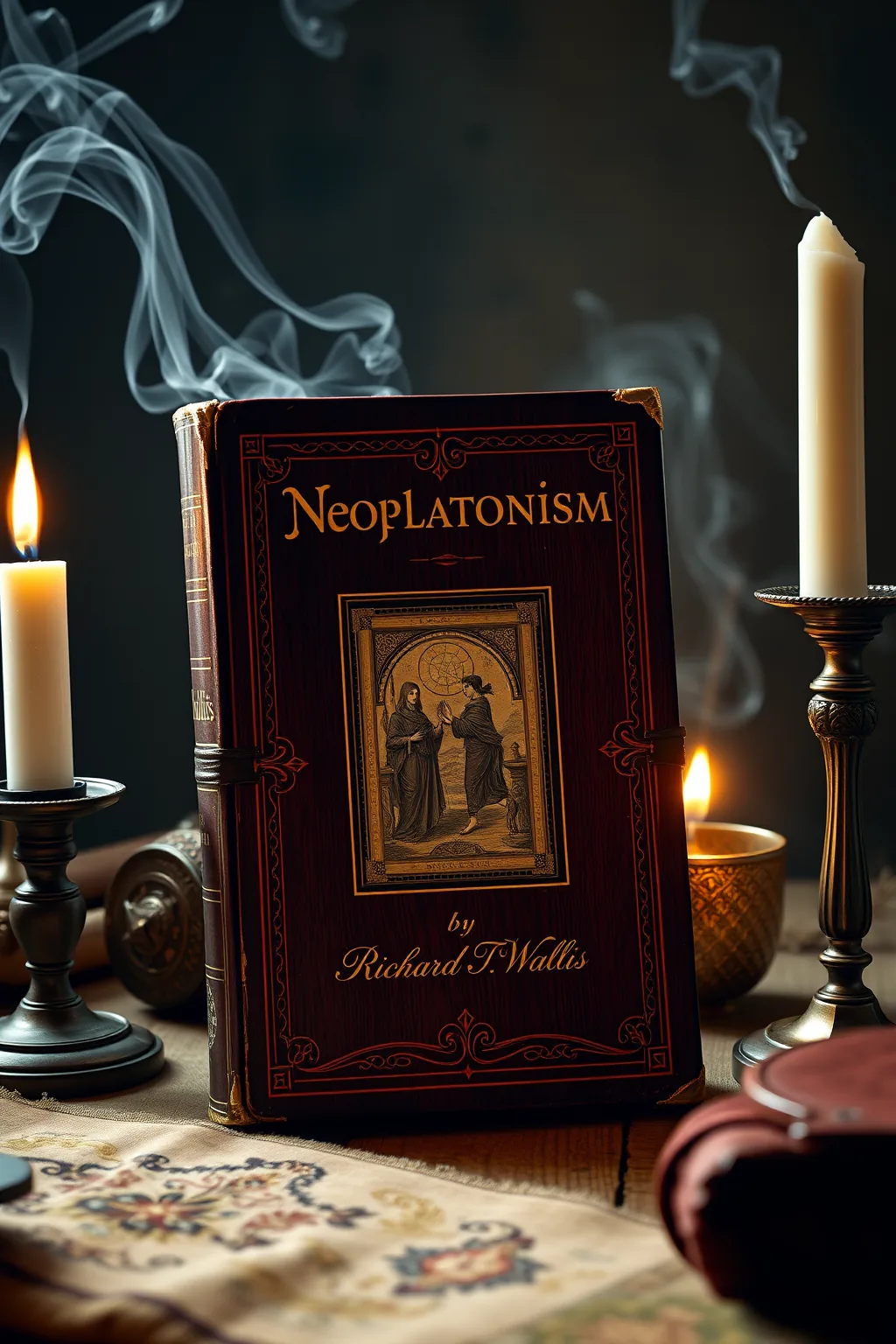
Neoplatonism
 75
75

Neoplatonism
Wallis's "Neoplatonism" provides a commendably clear exposition of a notoriously intricate philosophical system. The text excels in its systematic breakdown of the hierarchy of being, from the ineffable One down through Nous and Psyche to the material world. One particularly effective section details the Neoplatonic understanding of evil not as a positive force, but as a privation or absence of good, a concept crucial for understanding its ethical framework. However, the book occasionally suffers from a dryness that can obscure the vital, experiential core of Neoplatonism for those less initiated into academic philosophy. While the intellectual scaffolding is superb, the ecstatic, unitive aspects of the Neoplatonic ascent are sometimes presented with a certain detachment. Nevertheless, for its scholarly depth and systematic clarity, "Neoplatonism" serves as a solid reference point.
📝 Description
75
Richard T. Wallis's "Neoplatonism", first published in 1995, surveys the philosophical movement that shaped Western thought.
Published in 1995, Richard T. Wallis's "Neoplatonism" offers a detailed academic examination of this influential philosophical current. The book traces Neoplatonism's origins, beginning with Plato, and charts its development through key thinkers and its distinct metaphysical system. Wallis situates the movement within its historical context, showing its reach across the late Roman Empire, Byzantine period, and into the Renaissance.
The text systematically covers core Neoplatonic ideas. It explains The One as the ultimate, unknowable source of existence, and the subsequent emanations like Intellect and Soul. The book also addresses the Neoplatonic goal of the soul's return to its divine source, alongside its practical and mystical applications. This work is suited for those who want a thorough, scholarly look at Neoplatonic philosophy.
Neoplatonism, originating in the 3rd century CE with figures like Plotinus, represents a significant development in Hellenistic philosophy. It sought to synthesize Platonic thought with other philosophical and religious traditions, creating a complex metaphysical and spiritual system. Its emphasis on a transcendent, unified divine principle and the soul's journey towards it has resonated within various esoteric traditions, influencing Gnosticism, Hermeticism, and later mystical branches of Judaism, Christianity, and Islam.
💡 Why Read This Book?
• Gain a structured understanding of the Neoplatonic hierarchy of being, from the ineffable One to the material cosmos, as detailed in the book's exploration of emanation. • Grasp the concept of the soul's descent and ascent, a central tenet explaining spiritual alienation and the path to reunification with the divine. • Appreciate the historical impact of Neoplatonism on subsequent Western philosophy and mystical traditions, as contextualized by Wallis's survey.
⭐ Reader Reviews
Honest opinions from readers who have explored this book.
❓ Frequently Asked Questions
What is the primary philosophical concept explored in Neoplatonism?
The central concept is the derivation of all reality from an ultimate, ineffable principle known as The One. This principle is the absolute source from which all existence emanates.
Who is considered the founder of Neoplatonism?
Plotinus, an Egyptian-born Roman philosopher who lived from c. 204/5 – 270 CE, is widely regarded as the founder and most significant figure of Neoplatonism.
How did Neoplatonism influence later thought?
Neoplatonism deeply influenced early Christian theology (e.g., Augustine), Islamic philosophy (e.g., Al-Farabi), and Renaissance thinkers, providing a metaphysical framework for mystical and theological speculation.
What is the Neoplatonic view on the material world?
The material world is seen as the lowest level of emanation from The One, furthest removed from the divine source. It is often described as a realm of "privation" or "absence" of true being.
What is the goal of the Neoplatonic path?
The ultimate goal is the 'henosis,' or union with The One. This is achieved through intellectual and spiritual purification, leading the soul back to its divine origin.
When was Richard T. Wallis's Neoplatonism first published?
Richard T. Wallis's "Neoplatonism" was first published in 1995, offering a scholarly examination of the movement.
🔮 Key Themes & Symbolism
The One and Emanation
The book meticulously details the Neoplatonic cosmology, centered on the concept of The One as the ultimate, transcendent source of all reality. It explains how everything else, from Intellect (Nous) to Soul (Psyche) and finally matter, derives from The One through a process of emanation, not creation. This hierarchical structure is crucial for understanding the Neoplatonic worldview and its mystical implications for the origin and nature of existence.
The Soul's Journey
A core theme is the Neoplatonic conception of the human soul. The work explores how the soul, originating from the divine realm, becomes entangled in the material world. It then outlines the philosophical and spiritual practices advocated for the soul's purification and its eventual ascent back to unity with The One, a journey of remembrance and return to its true source.
Ethics and Evil
Wallis addresses the Neoplatonic ethical system, which is intrinsically linked to its metaphysics. The book clarifies the Neoplatonic view of evil, not as an independent force, but as a consequence of distance from The One – a state of "privation" or "lack." This perspective offers a unique approach to understanding moral order and the overcoming of vice.
Mystical Union (Henosis)
The ultimate aim of Neoplatonic practice, henosis or mystical union, is a significant theme. The book discusses the Neoplatonic pursuit of transcending the intellect and discursive thought to achieve a direct, ineffable experience of The One. This pursuit highlights the deeply spiritual and experiential dimension often associated with Neoplatonic philosophy.
💬 Memorable Quotes
Direct passages from the work, attributed to the author.
“The One is beyond being and is the source of all.”
— This expresses the fundamental Neoplatonic assertion that the ultimate divine principle transcends all categories of existence and thought, serving as the generative origin for everything that is.
“The Soul, once fallen, seeks to return to its source.”
— This highlights the Neoplatonic belief in the soul's divine origin and its inherent longing to reascend from the material world back to its spiritual home, a process of philosophical and mystical purification.
“Evil is the absence of good.”
— This succinctly represents the Neoplatonic understanding of evil, not as a positive entity, but as a deficiency or privation that arises from distance from the ultimate good, which is The One.
“Intellect (Nous) contains the Forms.”
— This refers to the second hypostasis in Neoplatonism, the divine Mind or Intellect, which contains the Platonic Forms and serves as the first emanation from The One.
“The goal is union with the divine.”
— This captures the ultimate aspiration of Neoplatonic practice, the achievement of 'henosis,' a direct, ecstatic communion with the ultimate reality, The One.
🌙 Esoteric Significance
Tradition
Neoplatonism stands as a foundational pillar of Western esotericism, directly informing Hermeticism, Kabbalah, and later mystical Christian and Islamic thought. It provides a coherent metaphysical structure that underpins many esoteric practices aimed at spiritual ascent and direct experience of the divine. Wallis's work meticulously unpacks this structure, making it accessible to contemporary seekers.
Symbolism
Key symbols include 'The One,' representing the ultimate, ineffable Godhead; 'The Intellect (Nous),' often symbolized by divine Mind or the totality of Forms; and 'The Soul (Psyche),' embodying the principle of life and consciousness that mediates between the spiritual and material realms. The concept of emanation itself functions symbolically, depicting a cascade of being flowing from the divine source.
Modern Relevance
Contemporary spiritual teachers and esoteric practitioners continue to draw heavily on Neoplatonic concepts. Its ideas on consciousness, the nature of reality, and the path of spiritual purification are echoed in various New Age movements, modern Hermetic orders, and contemplative practices. Thinkers exploring consciousness studies and comparative mysticism frequently reference Neoplatonism.
👥 Who Should Read This Book
• Students of classical philosophy seeking a comprehensive overview of the Neoplatonic school, moving beyond basic Platonic dialogues. • Practitioners of Western Esoteric traditions (Hermeticism, ceremonial magic) who need to understand the philosophical bedrock upon which many practices are built. • Comparative religion scholars interested in the cross-pollination of ideas between pagan, Jewish, Christian, and Islamic mystical thought in antiquity and the medieval period.
📜 Historical Context
Emerging in the 3rd century CE, Neoplatonism represented a significant evolution of Platonic thought, seeking to synthesize it with contemporary philosophical and religious currents. Its primary architect, Plotinus, lectured in Rome, developing a metaphysical system that profoundly influenced later thinkers. The movement provided a sophisticated intellectual framework that was adopted and adapted by various traditions, including early Christian thinkers like Augustine of Hippo and later Islamic philosophers such as Al-Farabi. While Gnosticism offered competing mystical interpretations of divinity and the cosmos, Neoplatonism presented a more systematic, philosophical approach. The work's publication in 1995 placed it within a modern academic landscape where renewed interest in classical philosophy and esoteric traditions allowed for a comprehensive re-examination of Neoplatonism's enduring legacy.
📔 Journal Prompts
The Neoplatonic concept of The One as the source of all being.
The soul's descent into matter and its subsequent ascent.
The Neoplatonic understanding of evil as privation.
The role of Intellect (Nous) in the Neoplatonic hierarchy.
Reflections on the possibility of achieving Henosis.
🗂️ Glossary
The One
The ultimate, transcendent, and ineffable principle in Neoplatonism, beyond all being and thought, from which all reality emanates.
Emanation
The Neoplatonic process by which reality flows or proceeds from The One in a hierarchical series of descending levels, without diminishing The One itself.
Nous (Intellect)
The second hypostasis, the divine Mind or Intellect, which contains the Platonic Forms and is the first emanation from The One.
Psyche (Soul)
The third hypostasis, the Soul, which bridges the intelligible area of Nous and the material world, animating and ordering lower existences.
Henosis
The Neoplatonic goal of mystical union or ecstatic communion with The One, achieved through spiritual purification and contemplation.
Privation
In Neoplatonism, the concept that evil is not a positive force but an absence or lack of good, resulting from distance from The One.
Plotinus
The 3rd-century CE philosopher considered the founder of Neoplatonism, whose teachings were compiled by his student Porphyry in the Enneads.
🔮 Readers Also Liked
Browse all →








More by Richard T. Wallis
All books →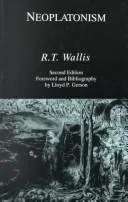
More Free Sacred Texts & Gnosticism Books
View all →