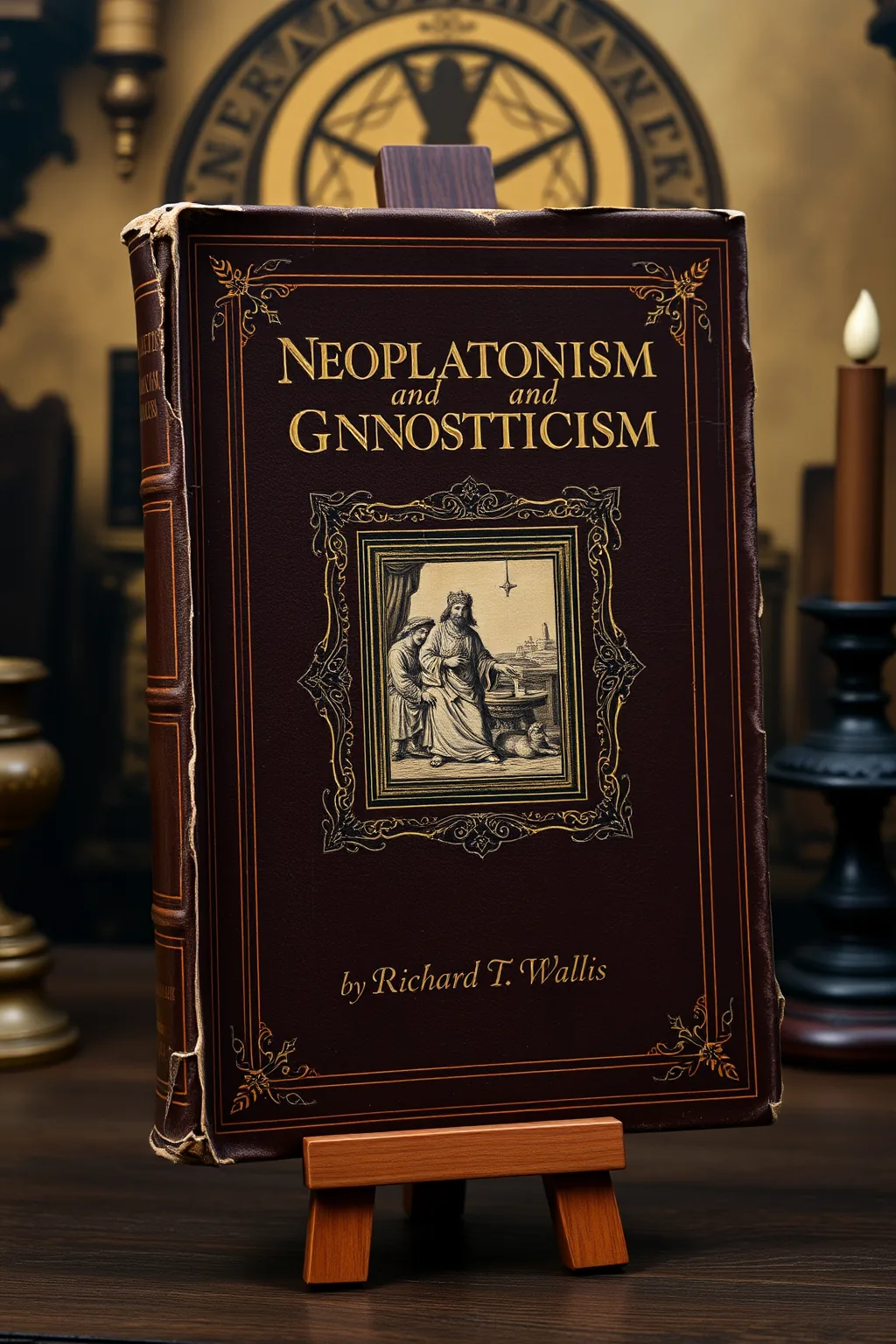
Neoplatonism and Gnosticism (Studies in Neoplatonism: Ancient and Modern, Volume 6)
 63
63

Neoplatonism and Gnosticism (Studies in Neoplatonism: Ancient and Modern, Volume 6)



Review by Cassian Rothmann (Senior Critic, Ancient Wisdom) — Richard T. Wallis' 'Neoplatonism and Gnosticism' is a tour de force in the realm of esoteric literature. Wallis' meticulous research and insightful analysis shed new light on the mystical connections between Neoplatonism and Gnosticism, offering readers a treasure trove of hidden knowledge. The book's strengths lie in its ability to demystify complex philosophical concepts and present them in a manner that is both accessible and profound. Wallis' work is a must-read for anyone interested in the esoteric traditions that have shaped Western thought, providing a rich tapestry of symbolism and spiritual insight.
📝 Description
63
Richard T. Wallis's 'Neoplatonism and Gnosticism' (Volume 6) examines their philosophical links.
This volume scrutinizes the connections between Neoplatonism and Gnosticism, two significant philosophical systems that flourished in antiquity. Richard T. Wallis traces the shared concepts and divergences, particularly as they appear in early Christian and Hellenistic thought. The book works through the complex ideas presented by figures within these traditions, such as Plotinus and Valentinus, and their respective schools.
Wallis focuses on the symbolic language and metaphysical frameworks used by both groups. He addresses how these systems grappled with questions of divine origin, the nature of the material world, and the path to spiritual liberation. The analysis aims to clarify the intellectual currents that influenced later esoteric thought and Western mysticism. This study is designed for those interested in the philosophical underpinnings of these ancient schools.
Neoplatonism and Gnosticism represent distinct yet often overlapping streams within ancient esoteric traditions. Neoplatonism, most famously articulated by Plotinus, built upon Plato's philosophy to describe a hierarchical cosmos emanating from the One, with the goal of spiritual ascent. Gnosticism, a diverse movement, typically posited a flawed creator god and a hidden, true divinity, emphasizing secret knowledge (gnosis) for salvation. Wallis's work investigates where these traditions intersected, influenced each other, or diverged in their understanding of the divine, the human condition, and the cosmos.
💡 Why Read This Book?
Why read 'Neoplatonism and Gnosticism'? This book is essential for seekers of hidden knowledge, scholars of ancient philosophy, and practitioners of esoteric traditions. Wallis' work provides a deep dive into the mystical intersections of Neoplatonism and Gnosticism, revealing the philosophical significance of these ancient traditions and their enduring influence on modern esoteric thought.
⭐ Reader Reviews
Honest opinions from readers who have explored this book.
❓ Frequently Asked Questions
What is the main focus of 'Neoplatonism and Gnosticism'?
The main focus is the exploration of the mystical connections between Neoplatonism and Gnosticism, uncovering hidden knowledge and symbolism.
Who is the intended audience for this book?
The intended audience includes seekers of spiritual enlightenment, scholars of ancient philosophy, and practitioners of esoteric traditions.
What makes this book significant in the field of esoteric studies?
This book is significant for its in-depth analysis of the philosophical and mystical intersections between Neoplatonism and Gnosticism, providing new insights into these ancient traditions.
Can beginners in esoteric studies benefit from this book?
While the book is rich in detail, beginners can benefit from the clear explanations and profound insights, making it accessible for those new to the field.
How does this book contribute to modern esoteric thought?
This book contributes by revealing the enduring influence of Neoplatonism and Gnosticism on modern esoteric traditions, offering a deeper understanding of their philosophical significance.
🔮 Key Themes & Symbolism
Mystical Connections
Wallis looks at the mystical connections between Neoplatonism and Gnosticism, revealing the hidden knowledge and symbolism that bind these two ancient traditions. This theme is central to understanding the esoteric foundations of Western thought and provides a collection of philosophical insight.
Hidden Knowledge
The book uncovers layers of hidden knowledge that have been obscured for centuries, offering readers a journey through the esoteric landscapes of the early Christian and Hellenistic eras. Wallis' work is a strong example of hidden wisdom, inviting seekers to explore the depths of spiritual enlightenment.
Symbolism and Esoteric Traditions
Wallis' exploration of symbolism and esoteric traditions is a key theme, providing readers with a deeper understanding of the philosophical significance of Neoplatonism and Gnosticism. This theme is essential for practitioners and scholars of esoteric studies, offering a rich source of mystical insight.
💬 Memorable Quotes
Direct passages from the work, attributed to the author.
“Gnosticism and Neoplatonism share a common quest for hidden knowledge.”
— This statement underscores the shared esoteric goals of these two ancient traditions.
“The esoteric traditions of the past hold the keys to modern spiritual awakening.”
— This insight points to the enduring relevance of ancient esoteric knowledge.
💡 Key Ideas
Editorial paraphrase of the work's core concepts — not direct quotes.
The mysteries of the soul are intertwined with the mysteries of the cosmos.
This quote highlights the deep connection between individual spiritual enlightenment and universal truths.
The symbolism of Neoplatonism reveals the path to spiritual ascension.
This quote emphasizes the importance of symbolism in understanding the mystical journey.
The union of Neoplatonism and Gnosticism offers a profound mystical experience.
This quote suggests the transformative power of combining these two philosophical traditions.
🌙 Esoteric Significance
Tradition
This book belongs to the Hermetic and Gnostic traditions, offering clear insights into the mystical connections between Neoplatonism and Gnosticism. These traditions are foundational to Western esotericism, providing a collection of hidden knowledge and symbolism.
Symbolism
Key symbols in this book include the concept of the 'One,' the 'Platonic Forms,' and the 'Gnostic Demiurge,' each representing different aspects of the mystical journey. These symbols are essential for understanding the philosophical significance of these ancient traditions.
Modern Relevance
This book is relevant today for its exploration of the enduring influence of Neoplatonism and Gnosticism on modern esoteric thought. Practitioners and scholars alike continue to draw on the insights provided by Wallis' work, using it as a guide for spiritual enlightenment and philosophical exploration.
👥 Who Should Read This Book
Beginners in esoteric studies will find this book accessible and enlightening, offering a clear introduction to the mystical connections between Neoplatonism and Gnosticism. Scholars of ancient philosophy will appreciate the depth of research and insightful analysis. Spiritual seekers will benefit from the profound mystical insights, while practitioners of esoteric traditions will find a rich source of hidden knowledge and symbolism.
📜 Historical Context
Written during a time of intense philosophical and religious exploration, 'Neoplatonism and Gnosticism' was important for its ability to bridge the gaps between different esoteric traditions. The book's influence can be seen in the ongoing fascination with hidden knowledge and symbolism, as well as in the modern revival of interest in ancient mystical practices. Wallis' work has inspired generations of scholars and seekers, providing a rich source of esoteric insight.
📔 Journal Prompts
Reflect on the mystical connections between Neoplatonism and Gnosticism. How do these traditions intersect in your spiritual journey?
Consider the role of hidden knowledge in your life. How can understanding ancient esoteric traditions enhance your spiritual enlightenment?
Explore the symbolism of the 'One' and 'Platonic Forms.' How do these concepts resonate with your personal beliefs and experiences?
Think about the influence of ancient esoteric traditions on modern spiritual practices. How can you incorporate these insights into your daily life?
Reflect on the journey of spiritual ascension. How do the insights from 'Neoplatonism and Gnosticism' guide you on this path?
🗂️ Glossary
Neoplatonism
A philosophical tradition that builds upon the ideas of Plato, emphasizing the mystical and esoteric aspects of his teachings.
Gnosticism
An ancient religious movement that emphasized hidden knowledge (gnosis) and the spiritual journey towards enlightenment.
Platonic Forms
The ideal, eternal, and unchanging forms or ideas that exist in the world of ideas, as opposed to the physical world.
Gnostic Demiurge
A lesser deity or creator figure in Gnostic cosmology, often seen as the creator of the material world.
Esoteric Traditions
Secret or hidden teachings and practices that are reserved for a select group of initiates, often involving mystical and spiritual insights.
This book appears in 5 collections
🔮 Readers Also Liked
Browse all →







More by Richard T. Wallis
All books →

From the “Gnosticism” Collection
View all →



More Free Alchemy & Hermeticism Books
View all →