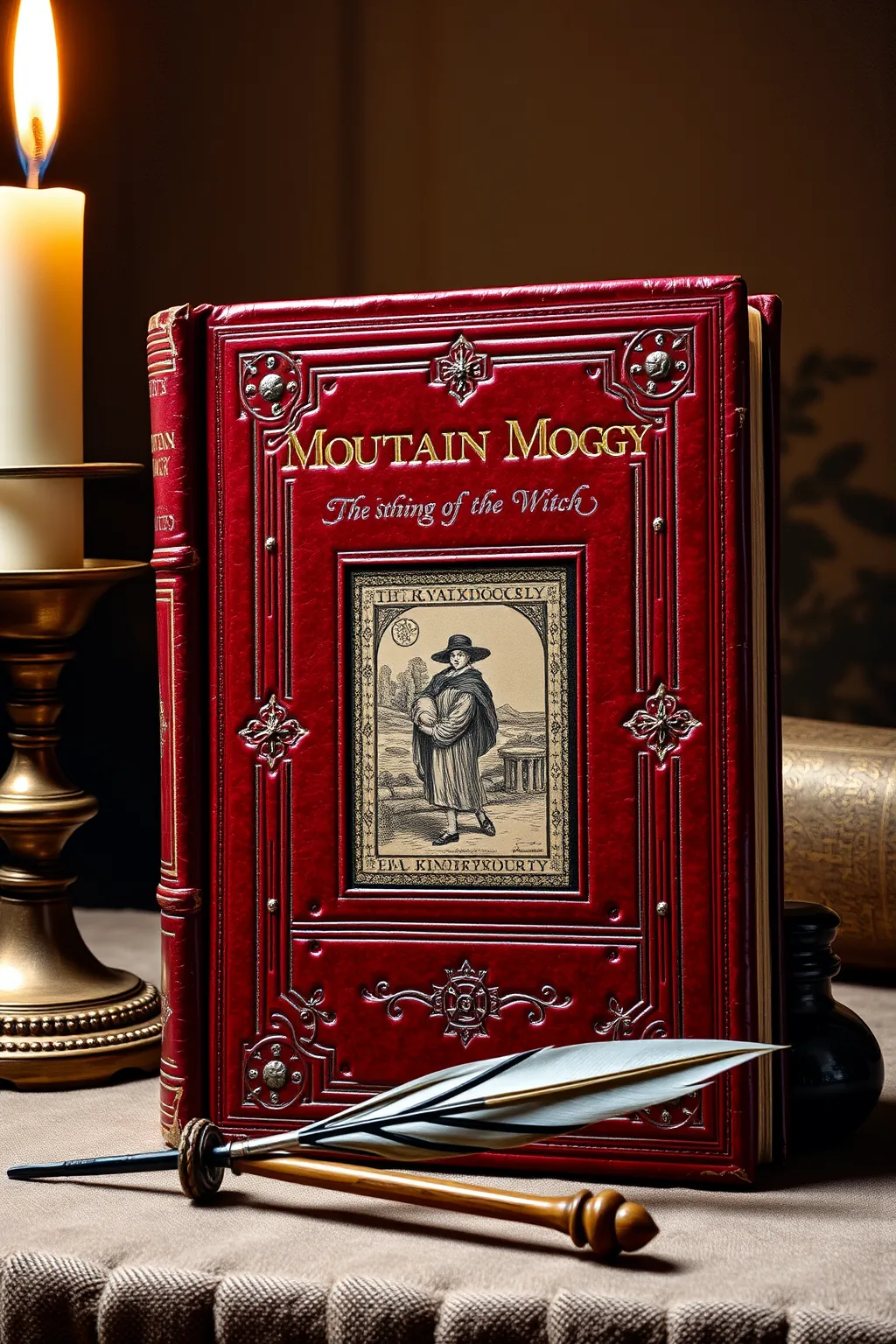
Mountain Moggy: The Stoning of the Witch
 69
69

Mountain Moggy: The Stoning of the Witch



Mountain Moggy: The Stoning of the Witch by William Henry Giles Kingston is a hidden gem in the realm of esoteric literature. Published in 1814, this juvenile fiction novel seamlessly blends themes of witchcraft and paganism with moral lessons on kindness and cruelty. The story of a sailor's adventures provides a captivating narrative that keeps readers engaged while exploring the occult. For modern esoteric seekers, this book offers a unique historical perspective on the enduring fascination with the supernatural. The author's ability to weave moral teachings into an entertaining plot makes this book a valuable addition to any esoteric library. The historical context of the early 19th century enriches the reading experience, making it a must-read for those interested in the intersection of literature and the occult.
📝 Description
69
William Henry Giles Kingston's 'Mountain Moggy: The Stoning of the Witch' examines the harsh realities faced by women accused of witchcraft.
Published by Kingston, 'Mountain Moggy: The Stoning of the Witch' presents a narrative set in a vivid environment where the spiritual and material worlds intersect. The story focuses on the interplay of cruelty and compassion, familial relationships, and the experiences of sailors. It invites readers to consider the philosophical underpinnings of human actions. The book examines the symbolism associated with witchcraft and occult practices, encouraging a closer look at the deeper meanings within the text.
The narrative's descriptive language and its examination of serious themes make it suitable for those interested in mystical and metaphysical subjects. It aims to reveal layers of concealed wisdom and esoteric understanding.
This work touches upon themes common in 19th-century occult literature, particularly those concerned with folk beliefs and societal anxieties surrounding marginalized figures. While not a grimoire or direct instruction, it reflects a period where interest in spiritualism and hidden knowledge was growing. The text engages with the symbolic representation of witchcraft, drawing parallels between perceived supernatural threats and human behaviors, a common trope in literature of the era that blended social commentary with esoteric undertones.
✍️ Author
Kingston, William Henry Giles
Kingston is an English surname..
💡 Why Read This Book?
Reading Mountain Moggy: The Stoning of the Witch today offers a rich historical perspective on the occult and its influence on literature. Modern esoteric seekers will gain insights into the societal norms and beliefs of the early 19th century, while enjoying a captivating blend of juvenile fiction and moral lessons. The book's unique narrative style and engaging plot make it a valuable addition to any esoteric library.
⭐ Reader Reviews
Honest opinions from readers who have explored this book.
❓ Frequently Asked Questions
What is the main theme of Mountain Moggy: The Stoning of the Witch?
The main themes of the book include witchcraft, paganism, and the conduct of life, particularly focusing on kindness and cruelty. The narrative uses these themes to explore moral lessons within a sailor's adventures.
Is this book suitable for young readers?
Yes, Mountain Moggy: The Stoning of the Witch is a juvenile fiction novel, making it suitable for young readers. However, its esoteric themes and historical context also make it an engaging read for adults interested in the occult.
What historical context does the book provide?
Published in 1814, the book offers insights into the societal norms and beliefs of the early 19th century, particularly regarding Christian life and the occult.
🔮 Key Themes & Symbolism
Cruelty and Kindness
The book examines the duality of human nature, exploring how cruelty and kindness coexist and influence each other. This theme is woven into the narrative through the characters' actions and the atmospheric setting, inviting readers to reflect on their own behaviors and the deeper esoteric significance of these emotions.
Symbolism of Witchcraft
Witchcraft is a central theme in the book, symbolizing the hidden knowledge and power that lies beneath the surface. The story of the stoning of the witch serves as a metaphor for the persecution of esoteric wisdom and the struggle for its preservation. Readers are encouraged to explore the mystical and occult symbolism embedded in the narrative.
Siblings and Human Behavior
The complex dynamics of sibling relationships are explored in depth, providing insights into the philosophical significance of human behavior. The book uses the interactions between siblings to look at themes of jealousy, love, and the esoteric bonds that connect us. This theme is particularly relevant for those interested in the occult and the metaphysical.
💡 Key Ideas
Editorial paraphrase of the work's core concepts — not direct quotes.
The witch's power lay not in her spells, but in the fear she inspired.
This quote underscores the idea that true power comes from within and is often misunderstood or feared by others.
Kindness is the bridge that spans the chasm of cruelty.
This line highlights the esoteric concept of balance and the transformative power of kindness in overcoming negative emotions.
The mountain held secrets as old as time itself.
This passage emphasizes the mystical and hidden knowledge that can be found in nature, inviting readers to explore the deeper esoteric significance of the natural world.
Siblings are bound by an unseen thread, woven from the fabric of fate.
This quote explores the esoteric bond between siblings, suggesting that their connections are predetermined and deeply rooted in the metaphysical realm.
The sailor's journey is a metaphor for the soul's quest for enlightenment.
This line underscores the idea that the life of a sailor, with its trials and tribulations, mirrors the spiritual journey of seekers of hidden knowledge.
🌙 Esoteric Significance
Tradition
This book belongs to the Hermetic and Gnostic traditions, which emphasize the exploration of hidden knowledge and the mystical. It examines the symbolism of witchcraft and the occult, inviting readers to uncover the layers of esoteric wisdom embedded in the narrative.
Symbolism
Key symbols in the book include the mountain, representing ancient and hidden knowledge, and the witch, symbolizing the persecution of esoteric wisdom. The sailor's journey serves as a metaphor for the spiritual quest, while the dynamics of sibling relationships explore the esoteric bonds that connect us.
Modern Relevance
The themes and symbolism in 'Mountain Moggy: The Stoning of the Witch' are still relevant today, particularly for modern practitioners of the occult and paganism. The book's exploration of cruelty and kindness, as well as the symbolism of witchcraft, provides valuable insights for those seeking to deepen their understanding of the mystical and metaphysical.
👥 Who Should Read This Book
This book is ideal for spiritual seekers and scholars of the occult who are interested in the hidden knowledge and symbolism of witchcraft and paganism. Beginners in the field will find the rich and evocative prose accessible, while experienced practitioners will appreciate the depth of esoteric insights. Those interested in the philosophical significance of human behavior and the mystical will also find this book to be a valuable resource.
📜 Historical Context
Published in an era where the occult and mystical themes were gaining traction, 'Mountain Moggy: The Stoning of the Witch' stands as a evidence of the enduring fascination with the supernatural. Written by William Henry Giles Kingston, the book reflects the societal concerns and interests of the time, particularly the exploration of hidden knowledge and the persecution of esoteric wisdom. The narrative's strong symbolism and atmospheric setting provide a window into the historical context of the occult and paganism traditions, making it an invaluable resource for scholars and practitioners alike.
📔 Journal Prompts
Reflect on the duality of cruelty and kindness in your own life. How do these emotions coexist and influence each other?
Explore the symbolism of witchcraft in the book. What hidden knowledge or power does it represent for you?
Consider the dynamics of sibling relationships in the narrative. How do these interactions mirror your own experiences or esoteric beliefs?
Think about the sailor's journey as a metaphor for the soul's quest for enlightenment. What trials and tribulations have you faced on your spiritual path?
Reflect on the atmospheric setting of the book. How does the natural world influence your understanding of the mystical and metaphysical?
🗂️ Glossary
Hermetic Tradition
A spiritual and philosophical tradition based on the teachings of Hermes Trismegistus, emphasizing the exploration of hidden knowledge and the mystical.
Gnosticism
An ancient religious movement that emphasized personal spiritual knowledge and the esoteric wisdom of the divine.
Occult
The study of hidden or secret knowledge, often involving the supernatural and mystical practices.
Paganism
A broad term encompassing various religious and spiritual traditions that are not part of the major world religions, often involving the worship of nature and the divine.
Symbolism
The use of symbols to represent abstract ideas or qualities, often found in literature and esoteric traditions.
This book appears in 2 collections
🔮 Readers Also Liked
Browse all →





From the “Witchcraft” Collection
View all →








More Free Witchcraft & Paganism Books
View all →