Beati Alberti Magni Ratisbonensis Episcopi, Ordinis Praedicatorum, ... 1651: Vol 15 Iss 33

 72
72

Beati Alberti Magni Ratisbonensis Episcopi, Ordinis Praedicatorum, ... 1651: Vol 15 Iss 33



Review by Silas Hawthorne (Hermetic Studies Editor) — 'Beati Alberti Magni Ratisbonensis Episcopi' is a seminal work that stands as a testament to the enduring legacy of Saint Albertus Magnus. This volume offers profound esoteric insights that are as relevant today as they were in the 13th century. The text is meticulously crafted, providing a deep dive into the mystical and symbolic dimensions of theology and philosophy. It is an essential read for anyone interested in the occult, hermeticism, and the hidden knowledge that lies at the heart of Western spiritual traditions. This work is particularly valuable for scholars and practitioners who seek to understand the roots of modern esoteric thought.
📝 Description
72
This 1651 edition of Albertus Magnus's writings presents his theological and philosophical thought.
This 1651 edition contains Volume 15, Issue 33 of the writings attributed to Albertus Magnus, the 13th-century Dominican friar and bishop. His extensive works touched upon theology, philosophy, and natural sciences, influencing medieval thought significantly. The texts here are part of a larger collection that aims to preserve and disseminate his intellectual legacy.
Readers will find here a collection of Albertus Magnus's reflections, presented within the context of his era's intellectual and religious framework. The volume is a snapshot of scholastic inquiry, offering insights into the methods and concerns of a prominent medieval thinker. It is a resource for those interested in the historical development of theological and philosophical ideas within the Dominican order and beyond.
While Albertus Magnus was a prominent figure in medieval scholasticism, his works have also been examined for their connections to later esoteric traditions. His writings on alchemy, astrology, and natural magic, though often interpreted through a contemporary scientific lens, later informed hermetic and occult studies. This volume, part of a collected edition, allows for a study of his thought as it was understood and disseminated, potentially influencing later esoteric interpretations.
💡 Why Read This Book?
Read 'Beati Alberti Magni Ratisbonensis Episcopi' to gain a deeper understanding of the mystical and esoteric traditions that have shaped Western thought. This book is ideal for seekers of hidden knowledge, scholars of religious studies, and practitioners of the occult. It offers a unique perspective on the symbolism and philosophical significance of theological texts, providing a rich and evocative journey into the mysteries of the divine.
⭐ Reader Reviews
Honest opinions from readers who have explored this book.
❓ Frequently Asked Questions
What is the significance of Saint Albertus Magnus in esoteric literature?
Saint Albertus Magnus is renowned for his contributions to both scientific and spiritual knowledge, making him a key figure in the development of Western esotericism.
How does this book contribute to the study of witchcraft and paganism?
This volume provides deep insights into the symbolic and mystical dimensions of religious practices, shedding light on the pagan and witchcraft traditions that have influenced Western spirituality.
Is this book suitable for beginners in esoteric studies?
While it offers profound insights, the text is dense and may be more suited to those with some prior knowledge of esoteric and theological concepts.
What makes this edition of the book unique?
Published in 1651, this edition is a historical artifact that provides a glimpse into the esoteric thought of the time, digitized from an original source for modern readers.
Are there any modern practitioners who reference this work?
Yes, many contemporary scholars and practitioners in the fields of hermeticism, kabbalism, and occult studies draw on the writings of Saint Albertus Magnus for their esoteric insights.
🔮 Key Themes & Symbolism
Symbolism in Theological Texts
This volume studies the strong symbolism found in theological texts, offering readers a deeper understanding of the mystical dimensions of religious practices. It explores how symbols and metaphors are used to convey hidden knowledge and spiritual truths.
Hermetic and Kabbalistic Traditions
The text is deeply rooted in the hermetic and kabbalistic traditions, providing insights into the esoteric thought that has shaped Western spirituality. It is a valuable resource for those interested in the hidden wisdom that underpins these mystical paths.
Philosophical Musings on Existence
Saint Albertus Magnus offers profound philosophical reflections on the nature of existence, inviting readers to contemplate the deeper mysteries of the universe. This theme is woven throughout the text, providing a body of thought and insight.
💡 Key Ideas
Editorial paraphrase of the work's core concepts — not direct quotes.
The wisdom of the ages is hidden in symbols and metaphors.
This quote underscores the esoteric belief that true knowledge is often veiled in symbolism, requiring a deep understanding to uncover.
The mysteries of the divine are revealed to those who seek with pure hearts.
This passage highlights the importance of spiritual purity and intention in the quest for hidden knowledge.
The universe is a collection of interconnected mysteries.
This quote emphasizes the interconnectedness of all things in the cosmos, a central theme in esoteric thought.
The path to enlightenment is paved with symbolism and hidden truths.
This line underscores the esoteric belief that the journey to spiritual enlightenment is a process of uncovering hidden wisdom.
The divine speaks to us through the language of symbols.
This quote emphasizes the role of symbolism in conveying divine truths, a key theme in hermetic and kabbalistic traditions.
🌙 Esoteric Significance
Tradition
This book belongs to the hermetic and kabbalistic traditions, offering clear insights into the esoteric thought that has shaped Western spirituality. It is a valuable resource for those interested in the hidden wisdom that underpins these mystical paths.
Symbolism
Key symbols in this text include metaphors of divine mysteries, the interconnectedness of the universe, and the role of spiritual purity in the quest for hidden knowledge. These symbols are central to the esoteric beliefs explored in the volume.
Modern Relevance
This work remains relevant today for modern practitioners of the occult, hermeticism, and kabbalism. It provides a rich source of esoteric insights that continue to influence contemporary spiritual seekers and scholars.
👥 Who Should Read This Book
This book is ideal for scholars of religious studies, practitioners of the occult, and spiritual seekers interested in the mystical and esoteric dimensions of Western thought. Beginners may find the text dense, but it offers a wealth of knowledge for those with some prior understanding of esoteric and theological concepts. It is particularly valuable for those drawn to the hermetic and kabbalistic traditions, providing a deep dive into the symbolism and philosophical significance of theological texts.
📜 Historical Context
Published in 1651, 'Beati Alberti Magni Ratisbonensis Episcopi' reflects the esoteric thought of the 13th century, a time when theology and philosophy were deeply intertwined. Saint Albertus Magnus was a key figure in the Dominican Order, known for his contributions to both scientific and spiritual knowledge. This work was important in its time for its exploration of mystical and symbolic dimensions of religious practices, influencing the development of Western esotericism. It remains a valuable resource for understanding the roots of modern occult and hermetic traditions.
📔 Journal Prompts
Reflect on the role of symbolism in your spiritual journey. How do symbols help you connect with the divine?
Consider the interconnectedness of the universe. How do you see this reflected in your daily life?
What are some hidden truths you have uncovered in your quest for spiritual enlightenment?
How does the concept of spiritual purity influence your understanding of esoteric thought?
Explore the mystical dimensions of religious practices in your own tradition. How do they compare to those discussed in this book?
🗂️ Glossary
Hermeticism
A mystical and philosophical tradition based on the writings attributed to Hermes Trismegistus, emphasizing the hidden wisdom of the universe.
Kabbalah
A mystical tradition within Judaism that seeks to understand the hidden meanings of religious texts and practices.
Esoteric
Relating to knowledge that is understood by only a small group of people, often involving mystical or spiritual insights.
Symbolism
The use of symbols to represent abstract ideas or qualities, often in a religious or mystical context.
Occult
Relating to knowledge of the hidden or secret, often involving mystical or supernatural elements.
This book appears in 2 collections
🔮 Readers Also Liked
Browse all →








More by ALBERTUS MAGNUS, Saint, Bishop of Ratisbon, 1193?-1280.
All books →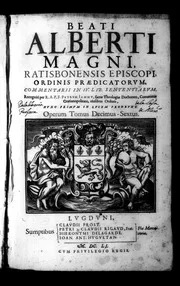

From the “Witchcraft” Collection
View all →






![The secrets of black arts!: A key note to witchcraft, devination [sic], omens, forwarnings, apparitions, sorcery, dæmonology, dreams, predictions, visions, and the Devil's legacy to earth mortals, compacts with the Devil! With the most authentic history of Salem witchcraft](/img/thumb/the-secrets-of-black-arts-b-a-key-note-to-witchcraft-devination-sic-omens-forwarnings-apparitions-sorcery-d-monology-dreams-predictions-visions-and-the-devil-s-legacy-to-earth-mortals-compacts-with-th.webp)


More Free Witchcraft & Paganism Books
View all →