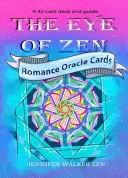
The Eye of Zen - Romance Oracle Cards
 80
80

The Eye of Zen - Romance Oracle Cards
Jennifer Walker's *The Eye of Zen - Romance Oracle Cards*, released in 2021, offers a surprisingly grounded approach to romantic divination. Unlike decks that lean heavily into dramatic pronouncements, Walker's 42 cards and booklet prioritize clarity and introspection, a welcome contrast in a field often saturated with vague pronouncements. The artwork, though not explicitly described here, is crucial to its success; if it successfully evokes Zen aesthetics, it elevates the deck beyond mere fortune-telling.
A notable strength is the integration of Zen principles, which encourages a mindful approach to relationship questions. This is evident in the deck's framing, aiming for balance rather than just prediction. However, the limitation lies in its specificity; without a detailed examination of the booklet's interpretations or the card imagery itself, it's difficult to assess the depth of its symbolic language. The concept of "harmonizing inner peace with external romantic pursuits," as a guiding principle, is a compelling angle, but its practical application across all 42 cards requires careful study of the accompanying text. Overall, it presents a thoughtful, albeit potentially narrow, tool for those seeking calm guidance on love.
📝 Description
80
Published in March 2021, The Eye of Zen - Romance Oracle Cards is a 42-card deck and booklet for relationship divination.
This esoteric tool uses symbolic imagery and textual interpretation to guide users through matters of the heart. The deck is designed for introspection on romantic connections, personal desires, and relational dynamics. It functions as a self-contained system for understanding love and connection.
The Eye of Zen Oracle Cards is suitable for those interested in romantic divination or seeking clarity in their relationships. It also appeals to practitioners of esoteric arts who wish to add to their collection. The deck combines elements of Zen philosophy with Western oracle traditions, presenting a distinct viewpoint on love.
Its creation in 2021 reflects a current interest in divination and Eastern philosophies. The deck likely draws from New Age and self-help movements that blend various spiritual practices. The specific focus on romance places it within a popular category of oracle decks.
The Eye of Zen Oracle Cards emerged in 2021, aligning with a resurgence in divination practices and a growing interest in Eastern philosophies. While not directly tied to a historical movement, its synthesis of Zen principles with Western oracle traditions places it within contemporary spiritual eclecticism. Its focus on romance taps into a popular subgenre of oracle decks, appealing to those who seek guidance on love and connection through symbolic interpretation.
💡 Why Read This Book?
• Gain a unique perspective on romantic inquiries by exploring the integration of Zen philosophy with oracle divination, a concept distinct from purely Western esoteric traditions. • Learn to apply principles of mindful presence and balance to your relationships, as suggested by the "Eye of Zen" theme, offering a different approach than typical romance guides. • Utilize a specific 42-card system, first published in 2021, to gain clarity on your love life, providing a focused and contemporary tool for self-reflection.
⭐ Reader Reviews
Honest opinions from readers who have explored this book.
❓ Frequently Asked Questions
What is the core philosophy behind The Eye of Zen - Romance Oracle Cards?
The deck integrates Zen principles with romance divination, emphasizing inner peace, mindful presence, and balance in relationships. It encourages introspection rather than solely predicting outcomes.
How many cards are in The Eye of Zen oracle deck?
The Eye of Zen oracle deck features a total of 42 cards, as detailed in its original publication information from March 2021.
Is this deck suitable for beginners in divination?
Yes, the deck's focus on clarity and Zen philosophy can make it accessible for beginners seeking a mindful approach to relationship guidance.
What kind of questions can I ask with this deck?
The deck is specifically designed for questions related to romance, relationships, personal desires within partnerships, and understanding relational dynamics.
When was The Eye of Zen - Romance Oracle Cards first published?
The deck and booklet were first published on March 11, 2021, by author Jennifer Walker.
Does the deck come with an interpretation guide?
Yes, the product includes an accompanying booklet that provides interpretations and guidance for using the 42-card oracle deck.
🔮 Key Themes & Symbolism
Mindful Connection
This theme explores how Zen principles, such as present moment awareness and non-attachment, can be applied to romantic relationships. It suggests that fostering inner calm and acceptance, core tenets of Zen practice, directly influences the quality and understanding of one's romantic life. The deck guides users to observe relationship dynamics without judgment, promoting a more balanced and conscious approach to love.
Symbolic Harmony
The 42 cards likely employ a rich symbolic language designed to evoke balance and interconnectedness, reflecting Zen aesthetics. These symbols are intended to act as mirrors for the user's inner state concerning romance, prompting reflection on personal desires and external interactions. The aim is to create a visual and intuitive dialogue that harmonizes the user's internal world with their relational experiences.
Introspective Romance
Rather than offering straightforward predictions, this theme positions the oracle as a tool for introspection. It encourages users to look inward for answers regarding their romantic lives, using the cards as prompts for self-discovery. The focus is on understanding one's own role, needs, and growth within relationships, aligning with the self-reflective nature of Zen Buddhism.
The Nature of Love
The deck studies the ephemeral and evolving nature of love, viewing it through a lens of acceptance and flow. It suggests that understanding love requires acknowledging its impermanence and embracing the journey. This perspective encourages users to find peace and wisdom in the unfolding of romantic connections, rather than striving for static ideals.
💬 Memorable Quotes
Direct passages from the work, attributed to the author.
“Seek balance between inner peace and relational expression.”
— This concept underscores the Zen influence, suggesting that true fulfillment in romance stems from harmonizing one's internal emotional state with outward expressions and interactions in relationships.
“Understand love as a dynamic, unfolding process.”
— This interpretation reflects a Zen-inspired view of love, emphasizing acceptance of change and impermanence, and encouraging users to appreciate the journey of relationships rather than fixating on a fixed outcome.
“The 42-card system offers specific guidance for romantic inquiries.”
— This statement emphasizes the concrete structure of the deck, noting its specific number of cards and its specialized application to romantic divination, distinguishing it from more general-purpose oracle decks.
“Intuition and presence are key to interpreting the oracle.”
— This highlights the method of use, suggesting that effective engagement with the cards requires not just intellectual understanding but also attunement to one's inner knowing and the present moment.
💡 Key Ideas
Editorial paraphrase of the work's core concepts — not direct quotes.
The cards invite a mindful approach to romantic questions.
This paraphrase highlights the deck's core intention: to use its imagery and interpretations not for definitive fortune-telling, but as a catalyst for conscious reflection on matters of the heart.
🌙 Esoteric Significance
Tradition
This work doesn't strictly adhere to a single esoteric lineage but rather synthesizes elements. Its "Zen" moniker points towards Buddhist philosophy, particularly Mahayana traditions emphasizing mindfulness, impermanence, and the path to enlightenment. It merges this with the Western tradition of oracle decks, which often employ symbolic imagery for divination and self-reflection, akin to Tarot but typically with a more flexible structure and intent.
Symbolism
The deck likely employs symbols associated with balance, serenity, and natural elements, reflecting Zen aesthetics. Expect motifs like water (flow, adaptability), mountains (stability, introspection), or minimalist representations of human connection. The number 42 itself might hold numerological significance within the author's system, though its specific esoteric meaning would depend on the booklet's exegesis. These symbols serve as focal points for meditation and intuitive interpretation.
Modern Relevance
Contemporary practitioners of mindfulness-based therapies and secular Buddhism often seek tools that integrate spiritual concepts into daily life. *The Eye of Zen* appeals to this demographic, offering a tangible method to apply principles of presence and acceptance to the often turbulent area of romantic relationships. It appeals to modern self-help culture that values emotional intelligence and conscious living.
👥 Who Should Read This Book
• Individuals seeking a mindful approach to relationship questions who are drawn to Eastern philosophies. • Practitioners of divination looking to expand their toolkit with a deck focused on romantic clarity and inner balance. • Readers interested in self-help and personal growth who wish to apply Zen-inspired principles to their love lives.
📜 Historical Context
Published in 2021, Jennifer Walker's *The Eye of Zen - Romance Oracle Cards* arrived in a contemporary spiritual marketplace buzzing with renewed interest in divination and cross-cultural spiritual practices. The early 21st century saw a significant rise in self-help and New Age literature, often synthesizing Eastern philosophies like Buddhism with Western psychological and esoteric frameworks. This trend facilitated the creation of tools like Walker's deck, which blends the symbolic language of Western oracles with Zen principles. While not directly engaging with historical esoteric movements like Hermeticism or Kabbalah, its approach to introspection and balance aligns with broader spiritual currents influenced by figures such as Alan Watts, who popularized Zen concepts in the West from the mid-20th century onwards. The deck's specific focus on romance places it within a popular niche that gained traction throughout the late 20th century, offering a distinct alternative to more general divination systems.
📔 Journal Prompts
Reflect on the 'Symbolic Harmony' presented by the cards in your current romantic situation.
Consider how the principle of 'Mindful Connection' applies to a recent interaction.
Explore the 'Introspective Romance' theme by journaling about your desires versus your expectations.
Identify a symbol from the deck that represents a challenge in your love life.
Write about how embracing 'The Nature of Love' as a dynamic process could shift your perspective.
🗂️ Glossary
Zen
A school of Mahayana Buddhism emphasizing meditation, intuition, and direct experience of reality, often focusing on mindfulness and the present moment.
Oracle Deck
A set of cards, typically with symbolic imagery, used for divination, guidance, and introspection, differing from Tarot in structure and tradition.
Divination
The practice of seeking knowledge of the future or the unknown by supernatural means or through interpretation of omens and symbols.
Mindfulness
The quality of being conscious and aware of one's surroundings, thoughts, and feelings in the present moment, without judgment.
Introspection
The examination or observation of one's own mental and emotional processes; self-reflection.
Romance
In the context of the oracle, this refers to interpersonal relationships characterized by affection, attraction, and emotional connection.
Balance
A state of equilibrium, often sought in Zen philosophy and applied here to emotional states and relational dynamics.