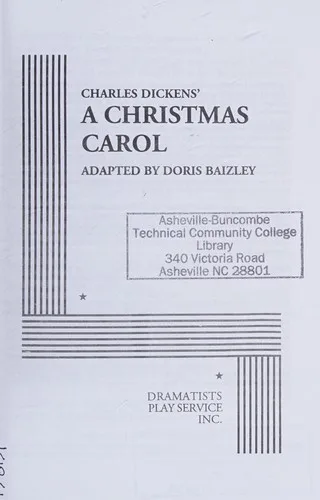
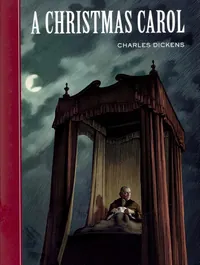
A Christmas Carol
 76
76

A Christmas Carol

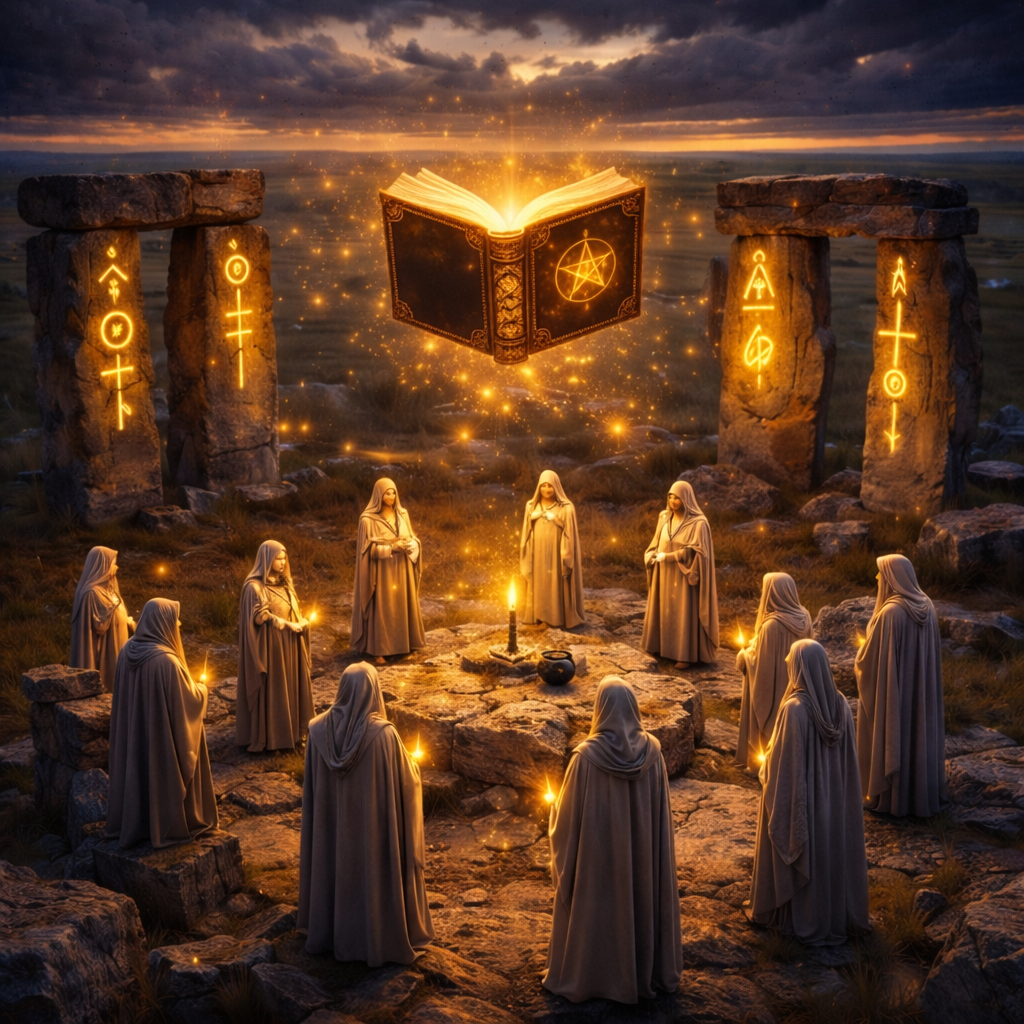

Review by Lorelei Sage (Contemplative Literature Editor) — Lorelei Sage, editor of Esoteric Library, lauds "A Christmas Carol" as a masterclass in spiritual allegory. Dickens, through the guise of a ghost story, crafts a potent exploration of soul metamorphosis. The spectral visitations serve as archetypal guides, initiating Scrooge into the profound interconnectedness of actions and consequences, a core tenet in many esoteric traditions. The novella’s strength lies in its accessible yet resonant portrayal of karmic cycles and the possibility of genuine spiritual rebirth. It's an indispensable read for seekers exploring themes of redemption, the nature of consciousness, and the transformative potential of confronting one's shadow self, proving that profound metaphysical truths can be found even within the most familiar tales.
📝 Description
76
Charles Dickens published 'A Christmas Carol' in 1843, presenting a ghost story with spiritual undertones.
Charles Dickens' novella, published in 1843, follows Ebenezer Scrooge, a miser visited by three spirits on Christmas Eve. These apparitions confront Scrooge with scenes from his past, present, and a potential future, aiming to alter his miserly ways. The ghosts of Christmas Past, Present, and Yet to Come reveal the consequences of his isolation and greed, showing him the suffering his indifference has caused.
Scrooge's encounters serve as a catalyst for his transformation. The narrative depicts a deep personal reckoning, where confronting painful memories and the bleakness of his future leads to a profound change of heart. It is a story about redemption and the possibility of self-improvement, even late in life. Dickens uses the supernatural elements not for mere fright, but to illustrate a dramatic internal shift.
Dickens' 1843 story engages with Victorian spiritualist ideas prevalent at the time, blending them with moral allegory. The ghosts function as agents of spiritual reckoning, mirroring concepts found in traditions that emphasize the soul's journey and the consequences of earthly actions. The narrative's focus on past, present, and future echoes cyclical views of time and personal growth, suggesting that awareness of one's spiritual state and its trajectory is key to genuine change. It presents a model for personal reformation through confrontation with one's own spiritual condition.
💡 Why Read This Book?
This classic offers a profound exploration of spiritual renewal and karmic consequence, disguised as a beloved holiday tale. It's ideal for seekers interested in the transformative power of confronting one's past, the symbolism of spectral encounters as catalysts for growth, and the enduring message that empathy can illuminate the darkest of souls. For scholars and practitioners, it provides a rich text for analyzing archetypal journeys and the universal human quest for redemption.
⭐ Reader Reviews
Honest opinions from readers who have explored this book.
❓ Frequently Asked Questions
Is 'A Christmas Carol' solely a children's story?
While accessible to younger audiences, its profound themes of karma, spiritual reckoning, and redemption resonate deeply with adults, offering layers of esoteric meaning for mature readers.
What makes the ghosts in 'A Christmas Carol' significant beyond traditional hauntings?
The Ghosts of Christmas Past, Present, and Yet to Come function as spiritual guides, archetypally representing memory, awareness, and foresight, facilitating Scrooge's profound karmic and spiritual awakening.
How does the novella relate to concepts of personal transformation?
It vividly illustrates the process of spiritual alchemy, where a soul burdened by negativity is purified and reborn through confronting its past, understanding its present impact, and facing the consequences of its future choices.
Can 'A Christmas Carol' be interpreted as a ritual?
Indeed. The entire narrative can be viewed as a spiritual ritual of purification and rebirth, orchestrated by spectral entities to guide a soul from darkness into the light of compassion and generosity.
What is the underlying message for modern readers?
The novella's enduring message is that personal transformation is always possible, regardless of past failings. It emphasizes the profound impact of our actions and the redemptive power of empathy and connection.
🔮 Key Themes & Symbolism
The Alchemy of Transformation
This novella is a profound exploration of spiritual alchemy, depicting Ebenezer Scrooge's metamorphosis from a hardened, avaricious miser into a benevolent soul. The spectral visitations act as catalysts, initiating a ritualistic process of confronting past regrets, present realities, and future potential. This journey mirrors ancient traditions of purification and rebirth, where the 'base metal' of a corrupted spirit is transmuted into the 'gold' of compassion and generosity through intense self-reflection and emotional catharsis. It suggests that profound change is not only possible but an inherent potential within every human spirit, waiting for the right catalysts to unlock it.
Spectral Messengers and Karmic Echoes
The ghosts in 'A Christmas Carol' are not merely apparitions but potent symbolic representations of memory, awareness, and foresight. They serve as cosmic messengers, clear the intricate web of cause and effect that defines Scrooge's existence. The Ghost of Christmas Past embodies the inescapable influence of memory, the Present reveals the immediate ripple effects of one's actions, and the Yet to Come starkly illustrates the karmic consequences of continued spiritual inertia. This narrative powerfully conveys the esoteric principle that our deeds echo through time, shaping our destiny and the world around us, urging a conscious engagement with the present moment.
The Sacredness of Connection and Generosity
Fundamentally, , 'A Christmas Carol' champions the esoteric truth that true spiritual wealth lies not in material possessions but in human connection and selfless giving. Scrooge's initial isolation is a manifestation of his spiritual poverty, while his eventual embrace of generosity and communal joy signifies his awakening to the profound interconnectedness of all beings. The novella elevates acts of kindness and empathy to sacred rituals, suggesting that by sharing our resources and our spirits, we not only uplift others but also enrich our own souls, aligning ourselves with universal principles of abundance and love.
💬 Memorable Quotes
Direct passages from the work, attributed to the author.
“Marley was dead: to begin with.”
— This stark opening immediately establishes a profound detachment from the material world and sets the stage for a narrative that will look at the spiritual realm.
“I will honour Christmas in my heart, and try to keep it all the year.”
— A declaration of profound internal shift, signifying the integration of spiritual principles into daily life beyond mere seasonal observance.
“Spirit! Your past is but a shadow. Your future is but a dream. Your present is the only reality.”
— A reminder of the illuminated present moment as the locus of free will and the point where past lessons and future aspirations converge.
“I fear you more than any spectre I have seen.”
— Reveals the terrifying power of confronting one's own future destiny, a potent symbol of the fear associated with acknowledging the consequences of one's life choices.
“It is a fair, even-handed, noble adjustment of things, that who so would be the most happy, must be the most useful.”
— An articulation of the spiritual law of reciprocity, where true happiness is intrinsically linked to selfless service and contribution to the collective good.
🌙 Esoteric Significance
Tradition
The novella resonates deeply with traditions emphasizing spiritual transformation, karma, and the interconnectedness of consciousness. It echoes principles found in Hermeticism, where transformation is a core pursuit, and in various Eastern philosophies that highlight the cycle of cause and effect (karma) and the potential for liberation from suffering through enlightened action and understanding. The spectral journey can be seen as a form of soul-retrieval or shamanic journey, guided by archetypal forces to confront and integrate fragmented aspects of the self.
Symbolism
Key symbols abound: Scrooge’s counting-house represents his materialist prison; the fog and darkness symbolize spiritual ignorance; Tiny Tim embodies innocence and the fragility of life reliant on compassion; Marley’s chains are the self-imposed burdens of regret and avarice; the Ghosts are archetypal guides representing memory, present awareness, and future consequence. The transformation of Scrooge’s heart signifies the alchemical process of purifying the spirit and opening it to love and universal connection, a central theme in mystical traditions.
Modern Relevance
In an age often characterized by individualism, consumerism, and a perceived disconnection from deeper spiritual truths, "A Christmas Carol" remains profoundly relevant. It serves as a powerful reminder of our shared humanity, the ethical implications of our actions, and the transformative power of empathy and generosity. The novella’s message of redemption is a clear source of hope, suggesting that change is always achievable and that personal growth is an ongoing, vital spiritual practice, urging us to look beyond the superficial and embrace the profound significance of connection and compassion.
👥 Who Should Read This Book
This key work is essential for seekers exploring the nature of consciousness, karma, and spiritual redemption. Scholars of Victorian literature and occult symbolism will find rich layers of meaning. Practitioners of spiritual disciplines seeking allegorical representations of transformation and the soul's journey will appreciate its depth. Beginners in metaphysical studies can engage with its accessible yet profound themes of empathy and personal growth. Ultimately, anyone yearning for a narrative that illuminates the path from darkness to light, and the power of a changed heart, will find "A Christmas Carol" an indispensable and deeply rewarding read.
📜 Historical Context
Written in 1843, "A Christmas Carol" emerged during the height of Victorian England's industrial revolution, a period marked by stark social inequalities and burgeoning spiritualism. Charles Dickens, a keen observer of societal ills, used this novella not only as a critique of the era's avarice and indifference but also as a vessel for profound moral and spiritual commentary. The popular resurgence of interest in ghosts and the afterlife during the 19th century provided fertile ground for Dickens' spectral narrative, allowing him to tie tales of supernatural intervention with potent social and psychological themes. The novella capitalized on the growing sentimentality surrounding Christmas as a time for family, charity, and reflection, transforming a traditional celebration into a backdrop for a deeply resonant story of personal redemption and societal responsibility. Its enduring impact lies in its ability to tap into universal human desires for meaning, forgiveness, and the possibility of a better self.
📔 Journal Prompts
Reflect on a time when a past event significantly shaped your present perspective. How did this memory act as a 'Ghost of Christmas Past' in your life?
Consider the 'chains' you may have forged for yourself through past actions or beliefs. What would it take to begin unburdening yourself?
How does your present moment reflect the 'spirit' of Christmas in your daily life, beyond the holiday season?
Imagine a 'Ghost of Christmas Yet to Come' appearing to you. What message would it deliver based on your current trajectory?
In what ways can you actively embody generosity and connection to foster spiritual wealth in your own life and community?
🗂️ Glossary
Avarice
An extreme greed for wealth and material possessions, often leading to spiritual impoverishment and isolation.
Spectral
Relating to or resembling a ghost; phantom-like, suggesting a connection to the ethereal or non-physical plane.
Karmic
Pertaining to the principle of karma, where actions and their consequences shape an individual's destiny across lifetimes or within a single existence.
Allegory
A story, poem, or picture that can be interpreted to reveal a hidden meaning, typically a moral or political one, serving as a veiled spiritual or philosophical lesson.
Transmutation
In an esoteric context, the process of transforming one substance or state into another, particularly the spiritual purification and elevation of the soul.
This book appears in 2 collections
🔮 Readers Also Liked
Browse all →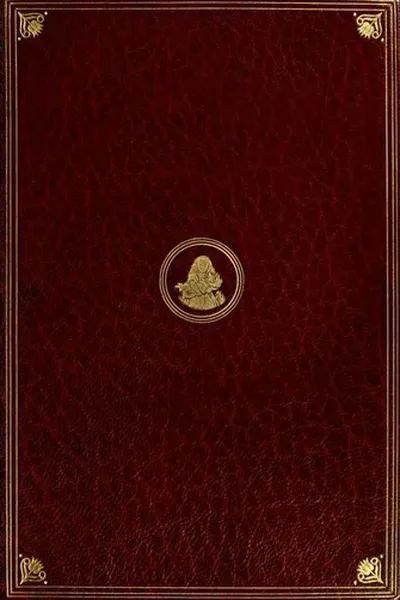






More by Charles Dickens
All books →




From the “Ceremonial Magic” Collection
View all →






More Free Magic & Ritual Books
View all →