Llewellyn's 2014 Sabbats Almanac
 71
71

Llewellyn's 2014 Sabbats Almanac
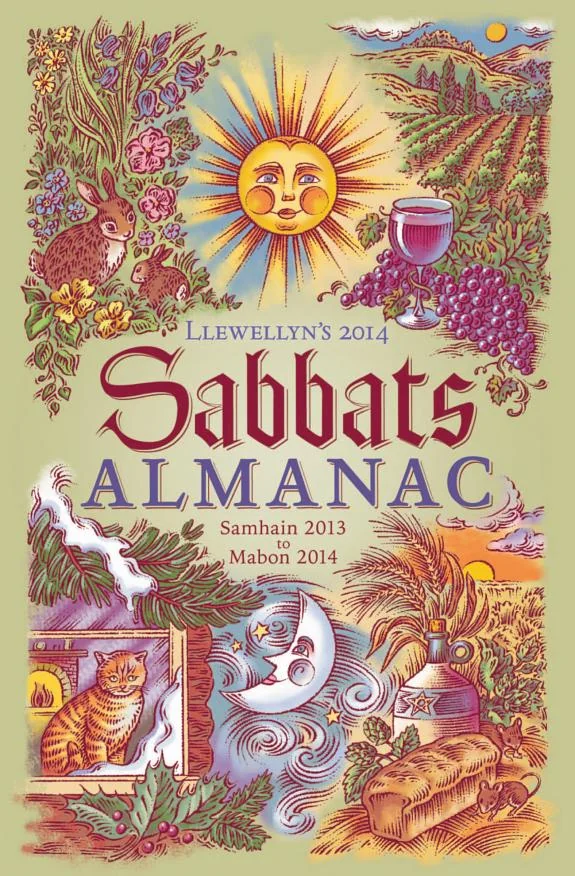
Ed Day's Llewellyn's 2014 Sabbats Almanac is a functional, if somewhat standard, annual offering for the Wiccan and Pagan community. Its strength lies in its sheer volume of practical suggestions, presenting a wide array of rituals, recipes, and craft ideas for each of the eight Sabbats. The inclusion of international folk rites offers a welcome breadth beyond purely Western European traditions. However, the work sometimes feels like a compilation rather than a deeply integrated exploration; the fresh perspectives promised by "favorite Wiccan and Pagan authors" are present but not always deeply developed. A notable passage details a family-friendly craft for Beltane, which, while charming, could benefit from more explicit connection to the deeper symbolism of the May Queen or Green Man. The almanac is a reliable resource for those needing immediate, actionable ideas for Sabbat celebrations, but it may not satisfy those seeking profound theoretical engagement with the Wheel of the Year. It serves its purpose competently.
📝 Description
71
Llewellyn's 2014 Sabbats Almanac, published in 2013, details the eight Wiccan holidays.
This almanac guides readers through the observance of the eight Wiccan Sabbats, or holidays, throughout the calendar year. It offers practical ideas and methods for both solitary practitioners and those celebrating in groups or families. The book is structured to help individuals move from theoretical knowledge to hands-on application.
It covers specific ways to engage with each Sabbat, including ritual, craft, and culinary preparations. Readers can learn to incorporate folk traditions and align their modern practices with seasonal rhythms. The almanac is designed for Wiccans and Pagans seeking a deeper connection to the Earth's cycles and the divine.
This almanac operates within the framework of the Wheel of the Year, a concept important to many modern Pagan and Wiccan traditions. This cyclical view of time, marked by solstices, equinoxes, and cross-quarter days, organizes the book's content. It connects spiritual observances to agricultural and seasonal rhythms that have historically shaped human life and belief.
💡 Why Read This Book?
• Gain practical, Sabbat-specific rituals and family activities, moving beyond abstract concepts to concrete actions for each of the eight Wiccan holidays, as detailed in the 2014 edition. • Discover international folk rites and culinary traditions that connect to the seasonal shifts, offering a broader, more diverse approach to celebrating the Wheel of the Year. • Access a curated collection of fresh ideas for celebrating each turn of the year, providing unique perspectives from various Pagan authors that enrich personal spiritual practice.
⭐ Reader Reviews
Honest opinions from readers who have explored this book.
❓ Frequently Asked Questions
What is the primary focus of Llewellyn's 2014 Sabbats Almanac?
The almanac focuses on providing practical ways to celebrate the eight Wiccan Sabbats throughout the year, offering rituals, recipes, and crafts for each occasion.
Who are the intended readers for this almanac?
It is aimed at Witches and Pagans who wish to actively engage with the Sabbats and deepen their spiritual connection to the cycles of nature.
What historical or seasonal framework does the book use?
The book is structured around the Wheel of the Year, a concept that recognizes the eight major seasonal festivals celebrated in many Wiccan and Pagan traditions.
Does the almanac include traditions beyond Western European ones?
Yes, it incorporates world folk rites, suggesting a broader engagement with seasonal observances from various cultures.
What is the publication year of this specific edition?
Llewellyn's 2014 Sabbats Almanac was first published in 2013, with the content specifically curated for the 2014 calendar year.
What kind of content can I expect for each Sabbat?
For each Sabbat, readers can expect a mix of rituals, family-friendly activities, recipes, and craft projects designed to honor the specific energies of that time.
🔮 Key Themes & Symbolism
Wheel of the Year Observance
This almanac is built upon the framework of the Wheel of the Year, which delineates eight key seasonal festivals: Yule, Imbolc, Ostara, Beltane, Litha, Lughnasadh, Mabon, and Samhain. Each Sabbat is presented not just as a date but as a period with distinct energies, themes, and opportunities for spiritual practice. The work encourages readers to align their personal celebrations with these natural cycles, fostering a sense of connection to the Earth's rhythms and the divine within them. It provides concrete methods for marking these transitions.
Practical Ritual and Craft
A core element of the almanac is its emphasis on actionable practices. It moves beyond abstract philosophy to offer detailed instructions for rituals, including spells, meditations, and group ceremonies. Alongside these spiritual rites, the book includes practical craft projects and recipes that are thematically linked to each Sabbat. For instance, specific herbs or decorations associated with Beltane or Samhain might be featured, making the observance tangible and accessible for families and individuals alike.
Pagan and Folk Traditions
The almanac draws from a diverse range of Pagan and Wiccan perspectives, featuring contributions from various authors. It aims to present fresh ideas for celebrating the Sabbats, ensuring that the content remains relevant and engaging. Furthermore, it incorporates world folk rites, highlighting how different cultures have historically marked seasonal changes. This inclusion broadens the scope of the book, offering readers a richer understanding of humanity's relationship with the cycles of nature across different traditions.
Family and Community Celebration
Recognizing that many practitioners celebrate with family or within covens, the almanac provides suggestions tailored for group or familial participation. It emphasizes creating spiritually uplifting celebrations and family activities that can be enjoyed by all ages. The goal is to make the observance of the Sabbats a communal or familial experience, strengthening bonds through shared ritual and seasonal engagement, rather than solely an individual endeavor.
💬 Memorable Quotes
Direct passages from the work, attributed to the author.
“Make the most of each season of the Witches’ year with Llewellyn’s Sabbats Almanac.”
— This opening statement sets the almanac's purpose: to be a practical, season-by-season guide for engaging with the core holidays of the Wiccan calendar throughout the entire year.
“Packed with rituals, rites, recipes, and crafts, this essential guide offers fun and fresh ways to celebrate the eight sacred Wiccan holidays.”
— This highlights the almanac's comprehensive nature, detailing the types of content provided for each Sabbat and emphasizing its role as a foundational resource for celebrants.
“Get a unique perspective on honoring the Wheel of the Year from your favorite Wiccan and Pagan authors.”
— This suggests the almanac offers diverse viewpoints and insights from recognized figures within the Pagan and Wiccan communities, aiming to provide varied approaches to seasonal observance.
“Plan spiritually uplifting celebrations and family activities.”
— This points to the almanac's utility in facilitating meaningful communal or familial experiences tied to the Sabbats, focusing on positive and enriching celebratory practices.
“Perform Sabbat-specific rituals and world folk rites.”
— This emphasizes the almanac's dual focus on tailored ceremonies for each Sabbat and the inclusion of broader, cross-cultural traditions related to seasonal cycles.
🌙 Esoteric Significance
Tradition
The almanac operates within the broad spectrum of modern Western Esotericism, specifically its Wiccan and Neo-Pagan branches. It aligns with traditions that emphasize nature worship, cyclical time, and immanent divinity, drawing heavily on interpretations of Celtic and Northern European seasonal festivals. While not strictly Hermetic or Kabbalistic, it shares with these traditions an interest in symbolic meaning, ritual efficacy, and the mapping of spiritual energies onto natural cycles.
Symbolism
Central to the almanac's symbolism is the Wheel of the Year itself, representing the continuous cycle of birth, death, and rebirth, mirroring agricultural seasons and human life. Specific Sabbats carry distinct symbols: Yule evokes the returning sun and the Winter Solstice; Beltane is rich with symbols of fertility, union, and the Green Man; Samhain signifies the thinning veil between worlds and ancestor veneration. These symbols serve as focal points for ritual and personal reflection.
Modern Relevance
Contemporary Pagan and Witchcraft practitioners continue to utilize seasonal almanacs as foundational tools for their spiritual calendars. Modern thinkers and practitioners in ecospirituality, earth-based religions, and witchcraft studies often reference the Wheel of the Year framework. The almanac's approach to integrating folk traditions and offering accessible rituals remains relevant for those seeking to connect with nature and establish personal or community-based spiritual practices in an increasingly secularized world.
👥 Who Should Read This Book
• Beginning students of Wicca and Paganism seeking a practical introduction to the eight Sabbats and how to celebrate them. • Experienced practitioners looking for fresh ritual ideas, recipes, and craft projects to enrich their existing Sabbat observances. • Families interested in incorporating nature-based spiritual practices and seasonal celebrations into their household routines.
📜 Historical Context
Published in 2013 for the 2014 calendar year, Llewellyn's 2014 Sabbats Almanac arrived during a period of continued growth and diversification within modern Paganism. The late 20th and early 21st centuries saw a significant increase in the visibility and practice of Wicca and related traditions, moving them from fringe counterculture to more mainstream spiritual options. This almanac reflects the established understanding of the Wheel of the Year, a concept popularized by figures like Aidan Kelly and heavily influenced by Gerald Gardner's Wicca and earlier Pagan revivals. While not a scholarly text, it served the practical needs of a growing community seeking accessible resources. It operated within a landscape where authors like Starhawk and Scott Cunningham were already established voices, and new generations of practitioners were seeking updated or varied approaches. The almanac's consistent publication by Llewellyn Worldwide indicates its reception as a reliable, annual staple, filling a niche for practical, seasonal spiritual guidance.
📔 Journal Prompts
Reflect on the specific symbolism of the Oak and Holly Kings as presented for Yule.
Consider the Beltane themes of sacred marriage and fertility in relation to your own life.
How does the concept of the 'thinning veil' at Samhain relate to your understanding of the afterlife?
Identify one new folk rite from the almanac you wish to explore for Ostara.
Plan a family activity for Litha that incorporates solar symbolism.
🗂️ Glossary
Sabbats
The eight major festivals celebrated in many Wiccan and Pagan traditions, marking significant points in the Wheel of the Year, such as solstices, equinoxes, and cross-quarter days.
Wheel of the Year
A cyclical calendar concept used in modern Paganism and Wicca, representing the annual cycle of seasons and the eight principal festivals observed throughout the year.
Yule
The Sabbat celebrating the Winter Solstice, typically around December 21st, marking the longest night and the return of the Sun.
Imbolc
The Sabbat celebrated around February 1st or 2nd, traditionally marking the first stirrings of spring and often associated with the goddess Brigid.
Ostara
The Sabbat celebrating the Spring Equinox, typically around March 20th or 21st, symbolizing balance, fertility, and new beginnings.
Beltane
The Sabbat celebrated around May 1st, marking the height of spring and fertility, often associated with the union of the God and Goddess.
Litha
The Sabbat celebrating the Summer Solstice, typically around June 20th or 21st, marking the longest day and the peak of the Sun's power.
Lughnasadh
Also known as Lammas, this Sabbat is celebrated around August 1st, marking the first harvest and honoring the god Lugh.
Mabon
The Sabbat celebrating the Autumn Equinox, typically around September 21st or 22nd, marking the second harvest and the balance of day and night.
Samhain
The Sabbat celebrated around November 1st, marking the end of the harvest season, the end of the Pagan year, and often associated with honoring ancestors.
Folk Rites
Traditional customs, ceremonies, or practices originating from a specific culture or region, often passed down through generations, which can be adapted for seasonal celebrations.
This book appears in 1 collection
🔮 Readers Also Liked
Browse all →







From the “Neopaganism” Collection
View all →




More Free Witchcraft & Paganism Books
View all →