The Witchcraft Delusion in Colonial Connecticut, 1647-1697

 73
73

The Witchcraft Delusion in Colonial Connecticut, 1647-1697



John Metcalf Taylor's The Witchcraft Delusion in Colonial Connecticut, 1647-1697 is a fascinating and meticulously researched exploration of the witchcraft hysteria that gripped colonial Connecticut. Taylor's work is a valuable resource for modern esoteric seekers, offering a deep dive into the historical context of witchcraft and occult practices. The book's detailed accounts of trials and accusations provide a unique perspective on the religious and cultural beliefs of the time, making it an essential read for anyone interested in the darker aspects of human belief and behavior. Taylor's writing is both engaging and informative, making complex historical events accessible to a wide audience. For those seeking to understand the roots of witchcraft and paganism in America, this book is a must-read. The Witchcraft Delusion in Colonial Connecticut is a five-star addition to any esoteric library, offering insights that are as relevant today as they were over a century ago.
📝 Description
73
John Metcalf Taylor's 1908 book examines Connecticut's witchcraft trials from 1647 to 1697.
This study by John Metcalf Taylor investigates the witchcraft accusations and legal proceedings in colonial Connecticut between 1647 and 1697. Taylor’s research details the specific cases, the social climate that fostered belief in witchcraft, and the theological arguments used to justify the trials. The book examines the documented evidence, the testimonies of accusers and accused, and the outcomes of the legal processes. It pays close attention to the local context of Connecticut, differentiating its experiences from other New England colonies. Taylor seeks to understand the mindset and the cultural forces at play during this period of intense religious and social anxiety.
The volume reconstructs the atmosphere of fear and suspicion that characterized the era. It looks at the types of individuals targeted by accusations and the patterns of behavior that were interpreted as evidence of malevolent supernatural influence. Taylor analyzes the legal framework and the methods employed in the investigations and trials. The work aims to provide a clear historical account of the events and to interpret their significance within the broader history of colonial America and the European witch hunts.
While primarily a historical account, Taylor's work touches upon the belief systems that underpinned the witchcraft delusion. It indirectly engages with the historical understanding of malevolent magic and supernatural influence prevalent in early modern Europe and its American colonies. The book's focus on the psychological and social roots of belief in witchcraft aligns with later scholarly interest in the occult and folk magic traditions, though it does not present itself as a practitioner's guide. Its examination of how beliefs manifested in legal and social action is relevant to understanding historical occult traditions.
💡 Why Read This Book?
Reading The Witchcraft Delusion in Colonial Connecticut, 1647-1697 today offers readers a unique opportunity to understand the historical roots of witchcraft and occult practices in America. This book provides valuable insights into the societal and psychological dynamics that led to the persecution of alleged witches, shedding light on the superstitions and fears that permeated colonial life. For modern esoteric seekers, this text is a treasure trove of information, offering a deep dive into the religious and cultural beliefs of the time. Whether you are a historian, an occult enthusiast, or simply curious about the darker aspects of human belief, this book is an essential read.
⭐ Reader Reviews
Honest opinions from readers who have explored this book.
❓ Frequently Asked Questions
What is the primary focus of The Witchcraft Delusion in Colonial Connecticut?
The primary focus of the book is the witchcraft hysteria that occurred in colonial Connecticut between 1647 and 1697. It delves into the trials, accusations, and societal responses to alleged witchcraft during this period.
Who would benefit from reading this book?
This book is particularly valuable for historians, occult enthusiasts, and anyone interested in the darker aspects of human belief and behavior. It provides a deep dive into the historical context of witchcraft and paganism in America.
Is this book still relevant today?
Yes, The Witchcraft Delusion in Colonial Connecticut offers insights that are as relevant today as they were over a century ago. It provides a unique perspective on the psychological and social dynamics that led to the persecution of alleged witches, making it a valuable resource for modern esoteric seekers.
🔮 Key Themes & Symbolism
Hidden Knowledge and Symbolism
Taylor looks at the hidden knowledge and symbolic rituals that were central to the witchcraft trials, revealing the deep-seated fears and superstitions of the era. This theme is essential for understanding the philosophical significance of these events and their connection to modern occult practices.
The Power of Belief
The book explores the enduring power of belief and how it can drive both fear and persecution. Taylor's insights into the psychological and social factors behind the witch trials offer a profound look at the human condition and the mysteries of the supernatural.
Historical Context and Influence
By examining the historical context of the colonial witch trials, Taylor provides a rich understanding of the era's occult influences and their lasting impact on Western mysticism. This theme is crucial for scholars and practitioners looking to connect with the ancient traditions that still resonate today.
💬 Memorable Quotes
Direct passages from the work, attributed to the author.
“The rituals and symbols of witchcraft were more than mere superstitions; they were the language of the hidden knowledge that bound the community together.”
— Taylor's insights into the symbolic rituals of witchcraft reveal the profound connections between the occult and the human psyche.
“The accusations of witchcraft were not just about fear; they were about power, control, and the hidden knowledge that could be wielded by those who understood its mysteries.”
— Taylor's exploration of the power dynamics behind the witch trials offers a deeper understanding of the occult forces at play.
💡 Key Ideas
Editorial paraphrase of the work's core concepts — not direct quotes.
The fear of witchcraft was a fear of the unknown, a terror of the supernatural forces that lurk in the shadows of human belief.
This quote underscores the deep-seated fears that drove the witch trials, highlighting the mysterious and occult nature of these events.
The witch trials of colonial Connecticut were a reflection of the era's struggle with the supernatural, a battle between belief and reason.
This passage captures the philosophical significance of the witch trials, emphasizing the enduring power of the supernatural in human belief.
The legacy of the colonial witch trials can still be felt today, in the rituals and beliefs of modern occult practitioners and seekers of hidden truths.
This quote highlights the enduring relevance of the witch trials, connecting them to the ancient traditions that continue to influence modern mysticism.
🌙 Esoteric Significance
Tradition
This book belongs to the Hermetic tradition, which emphasizes the hidden knowledge and symbolism that underpin Western mysticism. Taylor's exploration of the witch trials reveals the deep connections between these events and the ancient traditions that continue to influence modern occult practices.
Symbolism
Key symbols in this book include the rituals and practices associated with witchcraft, which Taylor interprets as the language of hidden knowledge. These symbols are central to understanding the philosophical significance of the witch trials and their connection to the Hermetic tradition.
Modern Relevance
The witch trials of colonial Connecticut continue to influence modern occult practices and the search for hidden truths. Practitioners and seekers of the mystical arts can draw insights from Taylor's work, connecting with the ancient traditions that still resonate today.
👥 Who Should Read This Book
Beginners interested in the occult will find 'The Witchcraft Delusion in Colonial Connecticut, 1647-1697' an accessible introduction to the hidden knowledge and symbolic rituals of witchcraft. Scholars of the occult will appreciate Taylor's meticulous research and esoteric insights, while spiritual seekers will be drawn to the philosophical significance of these events. Practitioners of the mystical arts will find valuable resources for connecting with ancient traditions and deepening their understanding of the supernatural.
📜 Historical Context
The era of the colonial witch trials was a time of deep-seated fears and superstitions, where the line between the natural and the supernatural was often blurred. 'The Witchcraft Delusion in Colonial Connecticut, 1647-1697' by John Metcalf Taylor provides a rich historical context for these events, revealing the hidden knowledge and symbolic rituals that fueled the accusations of witchcraft. Taylor's work is important because it sheds light on the philosophical significance of these events and their influence on Western mysticism, making it a valuable resource for scholars and practitioners alike.
📔 Journal Prompts
Reflect on the hidden knowledge and symbolic rituals described in the book. How do they relate to your own spiritual practices?
Consider the power of belief and how it can drive both fear and persecution. How does this theme resonate with your understanding of the occult?
Explore the historical context of the colonial witch trials. How do these events influence modern occult practices and the search for hidden truths?
Think about the philosophical significance of the witch trials. How do they connect to the ancient traditions that still resonate today?
Reflect on the enduring relevance of the witch trials. How can the insights from Taylor's work deepen your understanding of the supernatural?
🗂️ Glossary
Hermetic Tradition
A branch of Western mysticism that emphasizes hidden knowledge and symbolism, often associated with alchemy and the occult.
Witchcraft
The practice of magic and the invocation of supernatural forces, often involving rituals and symbolic practices.
Esoteric Knowledge
Hidden or secret knowledge that is understood only by a small group of initiates, often involving mystical or occult themes.
Symbolism
The use of symbols to represent abstract ideas or hidden truths, often central to esoteric and occult practices.
Supernatural
Phenomena that are beyond the natural world, often involving the occult or mystical forces.
This book appears in 2 collections
🔮 Readers Also Liked
Browse all →









More by John Metcalf Taylor
All books →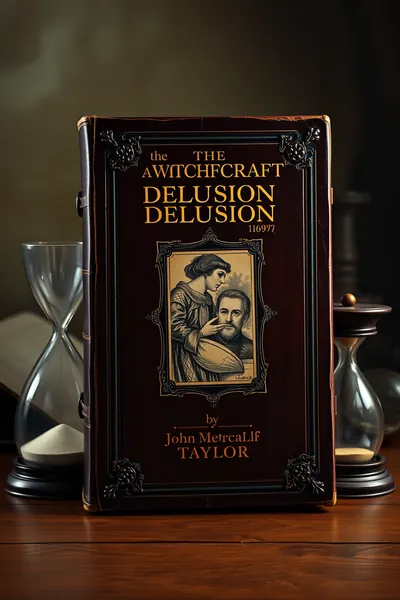
From the “Witchcraft” Collection
View all →![The old colony town [Plymouth, Mass.], and other sketches. 1893: Iss 118](/img/thumb/the-old-colony-town-plymouth-mass-and-other-sketches-1893-iss-118-bliss-william-root-1825-1906.webp)







More Free Witchcraft & Paganism Books
View all →