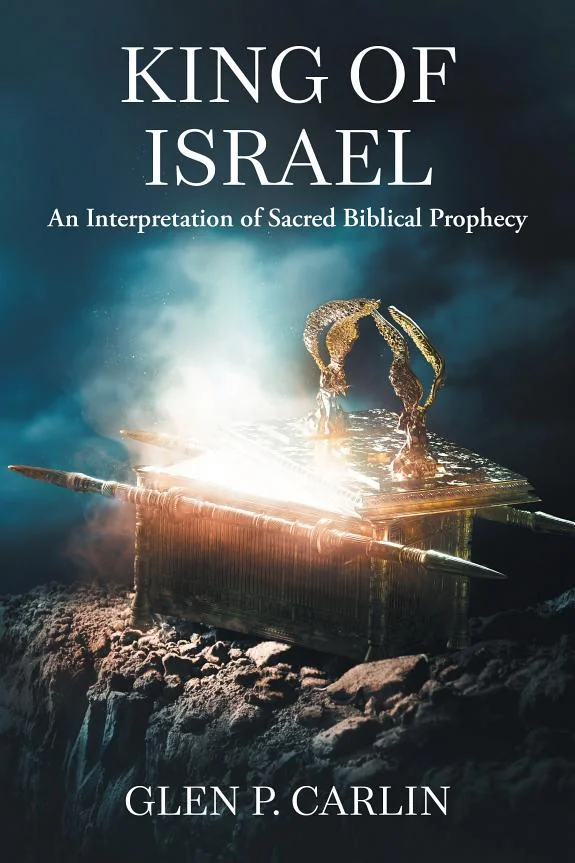
King of Israel
 76
76

King of Israel
Carlin's *King of Israel* presents a stark, unvarnished vision of biblical end-times prophecy. The author meticulously constructs a chronological narrative of the persecution of the Jewish people, culminating in their salvation by the Messiah. A significant strength lies in the detailed charting of geopolitical events described in prophetic texts, particularly concerning the invasion of the Holy Land. However, the work occasionally suffers from a relentless focus on conflict, potentially overshadowing the theological nuances of redemption. The passage detailing the flight of the Israelites from Jerusalem, fleeing a ten-kingdom coalition led by the Antichrist, is particularly vivid, illustrating the dire circumstances. While Carlin's exposition is direct, some readers might desire a broader engagement with diverse eschatological viewpoints. Ultimately, *King of Israel* offers a focused and polemical interpretation of prophetic events.
📝 Description
76
Glen P. Carlin's *King of Israel* analyzes biblical eschatology and the prophecy of a saved Jewish remnant.
Glen P. Carlin's *King of Israel* examines biblical eschatology, with a particular focus on the prophecy concerning a Jewish "remnant" destined for salvation by the Messiah following the Great Tribulation. The book traces the historical and prophetic persecution of the Jewish people, detailing how global powers, aligned with the Antichrist, have targeted them throughout history.
Carlin's work engages directly with interpretations of the books of Daniel and Revelation. He situates these prophecies within a historical framework that foresees a future geopolitical crisis specifically centered on the Holy Land. The narrative follows a proposed sequence of events, including a significant ten-kingdom invasion of Jerusalem. The text dissects core concepts such as the Great Tribulation, the period of the Antichrist's dominion, the exodus of Israelites from Jerusalem, and the ultimate messianic redemption of the surviving remnant. It underlines a divine plan for Israel's continued survival amid widespread global turmoil.
This work engages with apocalyptic literature, specifically within the Christian and Jewish traditions concerning end-times prophecy. It draws on interpretations of biblical texts like Daniel and Revelation to construct a narrative of future events. The focus on a specific "remnant" of Israel and their salvation by a Messiah aligns with certain messianic expectations found in esoteric Jewish thought and various Christian eschatological schools. The book's approach is to interpret these prophecies through a chronological and geopolitical lens, linking them to historical patterns of persecution and anticipated future conflicts.
💡 Why Read This Book?
• Gain a specific chronological framework for biblical end-times events, as Carlin outlines the sequence of the Great Tribulation and the Antichrist's rise, offering a distinct perspective on prophetic timelines. • Understand the theological concept of the "remnant of Israel" and their messianic redemption, as presented in the book's detailed exploration of Jewish eschatology. • Grasp the prophetic significance of Jerusalem and the Holy Land in end-times scenarios, as Carlin details the predicted invasion and subsequent divine intervention.
⭐ Reader Reviews
Honest opinions from readers who have explored this book.
❓ Frequently Asked Questions
What is the central prophecy discussed in *King of Israel*?
The book centers on the prophecy of the "remnant of Israel," a fragment of the Jewish people who will survive the Great Tribulation and be redeemed by the Messiah.
Who leads the opposing forces in the Great Tribulation according to the book?
The Antichrist is depicted as leading ten kingdoms that invade the Holy Land during the Great Tribulation, persecuting the Jewish people.
What event prompts the Israelites to escape Jerusalem?
The Israelites are forced to flee Jerusalem due to the invasion of the Holy Land by ten kingdoms orchestrated by the Antichrist.
What is the primary focus of Glen P. Carlin's analysis in this work?
Carlin's primary focus is biblical eschatology, specifically the future of the Jewish people, their persecution, and their eventual messianic redemption.
When was Glen P. Carlin's *King of Israel* first published?
Glen P. Carlin's *King of Israel* was first published on August 19, 2024.
What theological concept does the book explore regarding Israel's future?
The book explores the theological concept of Israel's ultimate survival as a "remnant" and their redemption through the Messiah at the close of the Great Tribulation.
🔮 Key Themes & Symbolism
The Remnant of Israel
The concept of a surviving "remnant" of the Jewish people is central. Carlin presents this group as those who endure the intense persecutions of the end times, only to be ultimately redeemed. This theme highlights divine preservation amidst cataclysm, suggesting a future where a core identity is salvaged and restored through messianic intervention.
Messianic Redemption
The book details the anticipated arrival and role of the Messiah in the final redemption of Israel. This is not merely a spiritual salvation but a salvific act that concludes a period of immense tribulation and establishes a new era of peace and divine presence.
Persecution by World Powers
Carlin outlines a chronological sequence of persecution against the Jewish people, orchestrated by Satanic world powers led by the Antichrist. This includes a specific geopolitical event: the invasion of the Holy Land by ten kingdoms.
The Great Tribulation
This period of intense suffering and divine judgment is a critical backdrop. The work maps out the events of the Great Tribulation, emphasizing its role as a crucible through which the "remnant" must pass before their ultimate deliverance.
💬 Memorable Quotes
Direct passages from the work, attributed to the author.
“The "remnant of Israel" will be redeemed by their Messiah at the end of the Great Tribulation.”
— This core tenet asserts that a specific, surviving portion of the Jewish people is destined for salvation, directly facilitated by the Messiah's intervention after a period of extreme hardship.
“Ten kingdoms invade the Holy Land during the Great Tribulation, led by the Antichrist.”
— This outlines a specific prophetic scenario involving a multi-national coalition and a singular Antichrist figure targeting Israel, setting the stage for conflict and divine response.
“Israelites are forced to escape Jerusalem.”
— This highlights the dire circumstances of the Jewish people during the prophesied tribulation, necessitating flight from their capital city to survive impending invasion and persecution.
“Satanic world powers orchestrate the persecution of the Jewish people.”
— This frames the conflict not just as political or military, but as a spiritual battle, where malevolent, supernatural forces are the primary instigators of anti-Jewish actions.
“The book walks readers through the chronology of persecution.”
— This emphasizes the author's approach: a step-by-step, sequential examination of prophetic events concerning Israel's suffering and eventual salvation.
🌙 Esoteric Significance
Tradition
While not explicitly rooted in a single esoteric lineage like Kabbalah or Hermeticism, *King of Israel* draws from the rich tradition of biblical prophecy and eschatology, which has long been a significant current within Western esoteric thought. It engages with apocalyptic literature, a genre that often intersects with Gnostic and early Christian mystical traditions concerning the end times and divine intervention.
Symbolism
The "remnant of Israel" itself functions as a powerful symbol of divine election and survival against overwhelming odds. Jerusalem and the Holy Land symbolize a focal point of divine attention and conflict in the eschatological narrative. The Messiah represents ultimate redemption, divine authority, and the restoration of a covenantal relationship.
Modern Relevance
Contemporary thinkers and groups focused on end-times prophecy, biblical interpretation, and the theological future of Israel continue to engage with these themes. The work appeals to those seeking to understand current geopolitical events through the lens of prophecy, particularly concerning the Middle East and the concept of a final messianic age.
👥 Who Should Read This Book
• Students of biblical eschatology interested in detailed chronological interpretations of end-times prophecy, particularly concerning the fate of the Jewish people. • Readers focused on Jewish messianic prophecy seeking to understand theological perspectives on the "remnant" and their ultimate redemption. • Individuals exploring the geopolitical and spiritual implications of biblical predictions regarding the Holy Land and the role of the Antichrist.
📜 Historical Context
Glen P. Carlin's *King of Israel*, first published in 2024, arrives in an era where biblical eschatology continues to be a subject of intense interest and varied interpretation. While not a historical text from a specific past movement, its themes echo centuries of Christian and Jewish prophetic study. The work engages with interpretations of prophetic books like Daniel and Revelation, which have historically captivated theologians and lay readers alike. Contemporaries engaging with similar themes include authors who explore dispensationalism, preterism, and historicism, though Carlin's specific focus on the "remnant" and a direct, chronological sequence of events presents a particular viewpoint. The reception of such works often varies, with some finding them insightful and others deeming them speculative. Carlin's approach, detailing a predicted ten-kingdom invasion of the Holy Land led by the Antichrist, aligns with certain eschatological schools that anticipate a future literal fulfillment of biblical prophecy.
📔 Journal Prompts
The concept of the "remnant of Israel" and its implications for divine faithfulness.
Chronology of the Great Tribulation: Mapping the sequence of predicted events.
The role of the Antichrist in the invasion of the Holy Land.
Messianic redemption: What does this signify for the future of Israel?
Personal reflection on the narrative of persecution and ultimate survival.
🗂️ Glossary
Remnant of Israel
A select group of the Jewish people prophesied to survive the intense persecutions of the end times and be redeemed by the Messiah.
Messiah
The prophesied savior and king who will bring redemption and establish a new era of peace and divine rule for Israel and the world.
Great Tribulation
A future period of intense suffering, divine judgment, and persecution on a global scale, preceding the final establishment of God's kingdom.
Antichrist
A figure of immense evil and deception who will lead global opposition against God and His people during the end times.
Holy Land
The geographical region of biblical significance, primarily referring to the territory of ancient Israel, which is central to end-times prophecy.
Ten Kingdoms
A prophetic concept referring to a confederation of nations or powers that will unite under the Antichrist's leadership during the final conflict.
Eschatology
The theological study of end times, including events such as the Second Coming of Christ, the final judgment, and the establishment of a new heaven and earth.
This book appears in 1 collection
🔮 Readers Also Liked
Browse all →







From the “Biblical Prophecy” Collection
View all →








More Free Sacred Texts & Gnosticism Books
View all →