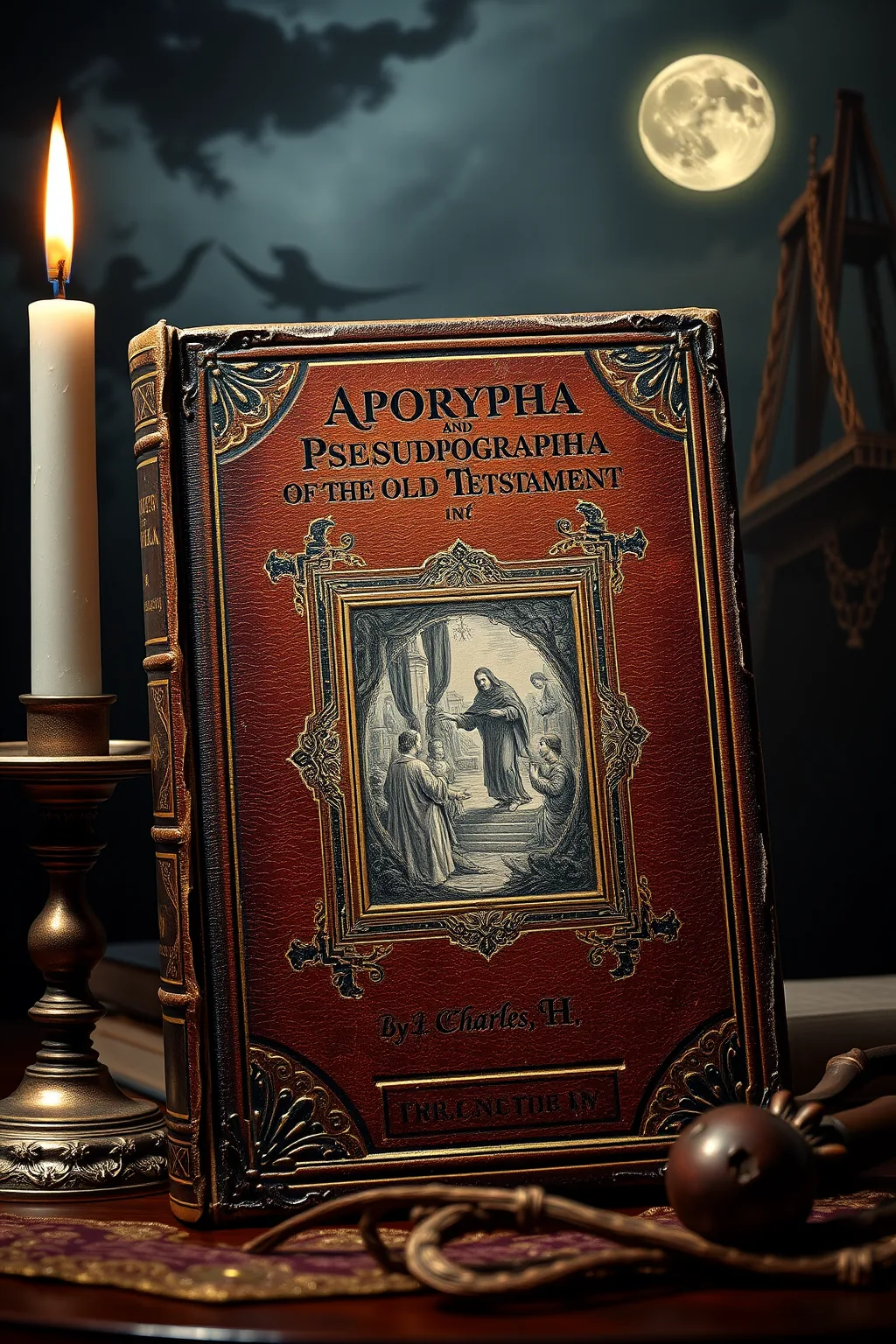
Apocrypha and Pseudepigrapha of the Old Testament in English, with introduction and critical and explanatory notes to the several books v1
 75
75

Apocrypha and Pseudepigrapha of the Old Testament in English, with introduction and critical and explanatory notes to the several books v1



R. H. Charles' "Apocrypha and Pseudepigrapha of the Old Testament" is a treasure trove for modern esoteric seekers. The book's detailed translations and scholarly annotations provide a bridge to ancient mystical traditions that are often overlooked in mainstream religious studies. For those interested in Gnosticism, Kabbalah, or other esoteric paths, this work offers a rich tapestry of texts that reveal the hidden wisdom of early Jewish thought. The explanatory notes are particularly valuable, offering historical context and scholarly insights that enhance the reader's understanding. The book's depth and breadth make it an essential addition to any esoteric library. While the language and style may be dense for casual readers, the effort is well-rewarded with profound spiritual and intellectual insights.
📝 Description
75
R.H. Charles compiled the Apocrypha and Pseudepigrapha of the Old Testament in English starting in 1913.
This collection presents English translations of texts considered apocryphal or pseudepigraphal, meaning they fall outside the established Old Testament canon. R.H. Charles includes introductions and critical notes for each book, aiming to shed light on their content and significance. The texts cover a range of narratives, prophecies, and theological ideas that developed alongside or outside of mainstream Jewish scripture.
The work addresses books like Enoch, Tobit, and the Testaments of the Twelve Patriarchs, among others. Charles's commentary seeks to explain the historical context, authorship theories, and theological themes present in these writings. It is a scholarly resource for understanding a broader spectrum of ancient Israelite and early Jewish religious thought.
The purpose is to make these less familiar scriptures accessible to English readers with scholarly apparatus. It offers a view into a wider religious literature that influenced later thought and sometimes existed in parallel with canonical texts.
These texts are often considered esoteric because they contain material not included in the standard Hebrew Bible, yet they were influential in certain Jewish and early Christian circles. They reveal beliefs about angels, demons, the afterlife, and divine mysteries that were not always openly discussed or preserved in the canonical works. The pseudepigraphal writings, in particular, often claim pseudonyms of ancient figures to lend authority to their revelations, a common practice in esoteric traditions seeking to transmit hidden knowledge.
✍️ Author

Charles, R H
Charles Robert Schwab Sr. (born July 29, 1937) is an American investor and financial executive.
💡 Why Read This Book?
Reading "Apocrypha and Pseudepigrapha of the Old Testament" today offers a unique opportunity to delve into the mystical and esoteric dimensions of ancient religious texts. This book provides a window into the spiritual and philosophical beliefs of early Jewish communities, many of which have influenced modern esoteric traditions. By exploring these apocryphal and pseudepigraphical writings, readers can gain a deeper understanding of the hidden wisdom that underlies many religious and spiritual practices. This book is particularly valuable for those interested in Gnosticism, Kabbalah, and other mystical paths.
⭐ Reader Reviews
Honest opinions from readers who have explored this book.
❓ Frequently Asked Questions
What is the significance of Apocrypha and Pseudepigrapha?
Apocrypha and Pseudepigrapha are ancient texts that were not included in the canonical Bible but contain valuable esoteric and mystical teachings. They offer insights into the spiritual and philosophical beliefs of early Jewish communities.
Who should read this book?
This book is ideal for scholars, theologians, and spiritual seekers interested in esoteric traditions, Gnosticism, and the hidden dimensions of religious thought.
What makes this edition special?
This edition, published in 1913, includes English translations of the texts along with comprehensive introductions and explanatory notes by R. H. Charles, providing historical context and scholarly analysis.
🔮 Key Themes & Symbolism
Divine Encounters
The texts in this volume are replete with narratives of divine encounters, where mortal beings interact with celestial entities. These encounters often serve as vehicles for conveying hidden knowledge and mystical insights, revealing the deeper layers of religious experience and spiritual understanding.
Prophetic Visions
Prophetic visions are a central theme, offering glimpses into the future and the mystical dimensions of reality. These visions often contain symbolic language and hidden meanings that require careful interpretation to unlock their esoteric significance.
Spiritual Journeys
The journeys undertaken by the protagonists in these texts are not merely physical but spiritual, involving inner transformation and the quest for hidden knowledge. These journeys often involve encounters with mystical beings and the discovery of sacred truths.
💬 Memorable Quotes
Direct passages from the work, attributed to the author.
“And I saw a new heaven and a new earth”
— This vision of renewal speaks to the transformative power of mystical experience.
“The mysteries of the divine are revealed to the worthy”
— A reminder that hidden knowledge is accessible only to those who seek it with pure intent.
“The path to enlightenment is narrow and steep”
— A metaphor for the challenges and rewards of the spiritual journey.
“The wise man knows that truth is hidden in plain sight”
— This insight highlights the need for discernment and the ability to see beyond surface appearances.
💡 Key Ideas
Editorial paraphrase of the work's core concepts — not direct quotes.
In the silence of the night, the spirit speaks
This quote underscores the importance of inner reflection and spiritual attunement.
🌙 Esoteric Significance
Tradition
This book belongs to the esoteric tradition of Gnosticism, which emphasizes the pursuit of hidden knowledge and the mystical dimensions of religious experience. Gnostic texts often contain complex symbolism and allegorical language, designed to reveal deeper truths to those who are initiated into their mysteries.
Symbolism
Key symbols in these texts include celestial beings, divine encounters, and prophetic visions. These symbols often represent higher spiritual realities and hidden knowledge, requiring careful interpretation to unlock their esoteric significance.
Modern Relevance
Today, these texts remain relevant for modern practitioners of mystical traditions, who seek to understand the deeper layers of religious thought and experience. They offer insights into the symbolism and philosophical significance of ancient writings, enriching contemporary spiritual practice.
👥 Who Should Read This Book
Beginners will find this book an accessible entry point into the world of esoteric texts, with Charles, R H's introduction and notes providing a clear framework for understanding the mystical elements. Scholars of religious studies will appreciate the depth of insight and the critical analysis offered in this volume. Spiritual seekers will be drawn to the symbolic and philosophical significance of these ancient writings, which can deepen their spiritual journey. Practitioners of mystical traditions will find this book an invaluable resource for understanding the hidden knowledge and mystical insights contained within these texts.
📜 Historical Context
Written in an era when religious thought was richly layered with mystical and esoteric elements, the Apocrypha and Pseudepigrapha of the Old Testament served as a repository of hidden knowledge and spiritual insights. These texts were important because they provided alternative perspectives and deeper understandings of divine revelation, often challenging and expanding the canonical narratives. Their influence can be seen in various mystical traditions, where they have been studied and revered for their symbolic and philosophical significance.
📔 Journal Prompts
Reflect on a divine encounter from the Apocrypha and Pseudepigrapha. What hidden knowledge does it reveal to you?
How do prophetic visions in these texts influence your understanding of the mystical dimensions of reality?
Consider a spiritual journey described in these texts. How does it resonate with your own quest for hidden knowledge?
What symbols or themes in these texts have the most lasting impact on your spiritual practice?
How do the esoteric insights in these texts enrich your understanding of ancient religious thought?
🗂️ Glossary
Apocrypha
Texts that are considered non-canonical but hold significant mystical and spiritual value.
Pseudepigrapha
Writings falsely attributed to biblical authors, often containing hidden knowledge and esoteric insights.
Gnosticism
An esoteric tradition emphasizing the pursuit of hidden knowledge and mystical experience.
Symbolism
The use of symbols to convey deeper spiritual truths and hidden meanings.
Divine Encounters
Interactions with celestial beings, often revealing hidden knowledge and mystical insights.
This book appears in 5 collections
🔮 Readers Also Liked
Browse all →









More by Charles, R H
All books →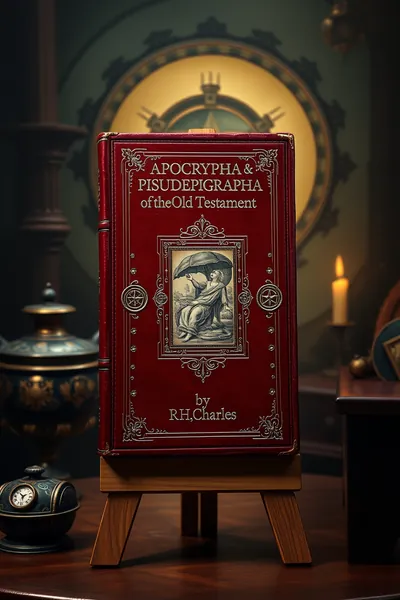
From the “Gnosticism” Collection
View all →

![Serrano Miguel Adolf Hitler The Ultimate Avatar [ 2000]](/img/thumb/serrano-miguel-adolf-hitler-the-ultimate-avatar-2000.webp)




More Free Sacred Texts & Gnosticism Books
View all →