Theology of a Diary
 80
80

Theology of a Diary
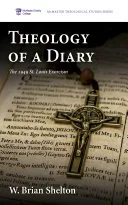
W. Brian Shelton's 'Theology of a Diary' approaches the notorious 1949 St. Louis exorcism not as sensationalized folklore, but as a profound theological case study. The strength of the work lies in its meticulous engagement with the diary of one of the Jesuit exorcists, providing an intimate, albeit filtered, glimpse into the spiritual and psychological labor involved. Shelton avoids the sensationalism that often surrounds such accounts, instead focusing on the theological implications and pastoral challenges. A notable limitation, however, is the inherent subjectivity of relying so heavily on a single, personal account; while invaluable, it necessarily presents a particular theological lens. The passage detailing the priest’s internal conflict between doubt and faith during the prolonged ritual offers a particularly stark illustration of the human element within this spiritual battle. Ultimately, the book serves as a sober, scholarly examination of a singular event, offering theological reflection where popular culture typically offers spectacle.
📝 Description
80
W. Brian Shelton's 'Theology of a Diary' examines the 1949 St. Louis exorcism through Jesuit accounts.
This book scrutinizes the 1949 St. Louis exorcism, a case often cited as the most thoroughly documented instance of demonic possession in the 20th century. Shelton draws extensively on a diary kept by one of the Jesuit priests involved. The text details the intense three-month spiritual and psychological efforts to help a thirteen-year-old boy believed to be possessed.
The narrative traces the events from their start in Georgetown to their conclusion under the care of Jesuit priests at Saint Louis University. The work is for scholars of religious studies, theologians, and historians of American Catholicism. It will interest those examining the connections between faith, psychology, and the paranormal, especially those familiar with popular depictions of the 1949 case.
The book offers a theological perspective on historical accounts of spiritual warfare. It provides depth for students of exorcism history and the practical application of theological principles in extreme situations. The 1949 exorcism occurred during a time of interest in parapsychology, but also within an established Catholic framework for demonology and exorcism rites.
This work engages with the Catholic tradition's long-standing engagement with spiritual warfare and demonic phenomena. It examines the Church's historical understanding of possession and the rites employed to combat it. By focusing on a specific, well-documented case, the book allows for a close reading of theological principles and practical application within a framework of established spiritual authority and ritual practice. It situates these events within the broader context of 20th-century religious discourse.
💡 Why Read This Book?
• Gain a theological perspective on the 1949 St. Louis exorcism, understanding the spiritual and pastoral considerations beyond the sensational narrative, as explored through the priest's diary. • Learn about the specific rites and theological justifications for exorcism within mid-20th century Catholicism, as detailed in the examination of the Georgetown case. • Understand the intersection of faith, psychology, and perceived spiritual warfare through the lens of a documented historical event, reflecting on the priest's recorded struggles.
⭐ Reader Reviews
Honest opinions from readers who have explored this book.
❓ Frequently Asked Questions
What is the primary source material for 'Theology of a Diary'?
The primary source is the diary of one of the Jesuit priests who participated in the 1949 St. Louis exorcism. This personal record forms the core of the book's examination.
How does this book relate to the film 'The Exorcist'?
The book examines the real-life case that inspired the popular 1973 film 'The Exorcist'. It provides a theological and historical assessment of the events behind the fictionalized account.
What is the historical significance of the 1949 St. Louis exorcism?
It is considered the most thoroughly documented exorcism case of the 20th century, involving a thirteen-year-old boy and significant attention from both religious authorities and the public.
Who were the main figures involved in the 1949 exorcism?
The case involved a thirteen-year-old boy, his family, Jesuit priests from Saint Louis University, and the event originated in Georgetown before concluding in St. Louis.
What theological concepts does the book explore?
The book delves into spiritual warfare, pastoral care in extreme spiritual distress, the nature of demonic influence, and the theological framework for exorcism rites.
When was 'Theology of a Diary' first published?
The book was first published on December 11, 2025.
🔮 Key Themes & Symbolism
Theological Assessment of Possession
This theme centers on the book's core purpose: to move beyond mere recounting of events to a profound theological analysis of the 1949 St. Louis exorcism. It scrutinizes the spiritual dynamics at play, considering the nature of demonic influence not just as a phenomenon but as a theological problem requiring a doctrinal response. The work engages with Church teachings on demonology and the spiritual life, evaluating the actions and interpretations of the exorcists through established theological frameworks. It seeks to understand the 'why' behind the events, grounded in Catholic doctrine and spiritual theology.
Pastoral Care in Spiritual Warfare
The diary serves as a window into the intense pastoral duties undertaken during the exorcism. This theme highlights the challenges of ministering to an individual perceived as demonized, exploring the psychological, emotional, and spiritual burdens placed upon the clergy. It examines the priest’s role not only as an officiant of a rite but as a shepherd navigating extreme spiritual conflict. The reflections within the diary illuminate the human element of faith, doubt, and perseverance required in such protracted spiritual battles, offering insight into the practical application of theological principles under duress.
The Diary as a Spiritual Document
The book positions the priest's diary as more than a simple chronicle; it is treated as a spiritual document offering unique insights. This theme explores the value of personal testimony in understanding historical religious events, particularly those involving intense spiritual struggle. The diary's contents are analyzed for their theological reflections, personal anguishes, and moments of perceived divine assistance. The work underscores how such intimate records can illuminate the lived experience of faith and spiritual combat, providing a counterpoint to official ecclesiastical records or popular retellings of the 1949 case.
💬 Memorable Quotes
Direct passages from the work, attributed to the author.
“The struggle lasted three months, a daily recorded battle.”
— This highlights the sheer duration and intensity of the ordeal faced by the exorcist and the possessed boy, emphasizing the sustained effort required for spiritual intervention.
“From Georgetown to Saint Louis University, the ordeal unfolded.”
— This frames the geographical movement of the exorcism as part of its narrative arc, indicating a progression of the case and the involvement of different religious institutions.
“A theological assessment of the best documented case in the twentieth century.”
— This points to the book's scholarly intent, focusing on rigorous theological analysis of the 1949 exorcism, which is recognized for its extensive documentation.
“The diary chronicled the angst of pastoring a thirteen-year-old demonized boy.”
— This emphasizes the profound emotional and spiritual toll on the priest, detailing the difficulty of his pastoral duties towards a young individual believed to be under demonic influence.
“The story behind the popular 1973 film 'The Exorcist'.”
— This anchors the book's subject matter to a widely known cultural reference, signaling its connection to the real events that inspired the iconic cinematic portrayal.
🌙 Esoteric Significance
Tradition
While rooted firmly in Catholic theology, the work touches upon themes resonant with esoteric traditions concerning spiritual warfare and the nature of unseen forces. It engages with the Catholic understanding of angelic and demonic hierarchies, a concept present in various Hermetic and Kabbalistic systems, though framed within orthodox doctrine. The examination of the priest’s personal spiritual discipline and reliance on prayer and scripture aligns with practices found in many mystical paths seeking direct communion or protection from adverse spiritual influences.
Symbolism
The diary itself functions as a symbol of intimate spiritual struggle and the human effort to contend with perceived malevolent forces. The number thirteen, associated with the boy's age, can carry symbolic weight in various esoteric traditions, often linked to transformation or challenging transitions. The geographical movement from Georgetown to Saint Louis also symbolizes the progression of a spiritual trial, moving from an initial manifestation to a more structured, institutionalized intervention.
Modern Relevance
Contemporary discussions on spiritual warfare, deliverance ministry, and the psychological impact of perceived possession phenomena can find historical and theological context in this work. Thinkers and practitioners in Catholic Charismatic Renewal or those interested in comparative demonology might draw parallels. The book's rigorous theological approach offers a counterpoint to purely psychological or New Age interpretations of such experiences, providing a specific doctrinal perspective relevant to those studying the history of religious responses to the occult.
👥 Who Should Read This Book
• Students of religious history and American Catholicism: They will gain a detailed theological perspective on a key mid-20th-century case that influenced cultural perceptions of exorcism. • Scholars of comparative religion and parapsychology: They can analyze the interplay between documented phenomena, theological interpretation, and the societal context of the 1949 event. • Theologians and clergy interested in spiritual warfare: They will find a case study that examines the practical application of exorcism rites and pastoral care within established Catholic doctrine.
📜 Historical Context
Published in 2025, 'Theology of a Diary' examines the 1949 St. Louis exorcism, a case that gained significant traction during a mid-20th century period marked by both burgeoning interest in parapsychology and the enduring influence of traditional religious institutions. The mid-1940s saw a general increase in the public's fascination with the supernatural, partly fueled by wartime anxieties and a post-war search for meaning. Within Catholicism, the rite of exorcism, though rarely invoked, remained a recognized part of the Church's sacramental life. The case's prominence, eventually inspiring William Peter Blatty's 1971 novel and the 1973 film 'The Exorcist', positioned it as a significant, albeit controversial, event. While competing schools of thought might have focused on psychological explanations for such phenomena, the Catholic Church, through the work of Jesuit priests from Saint Louis University, engaged with it through established theological and spiritual frameworks. The detailed documentation of the 1949 case itself became a point of discussion among those interested in anomalous spiritual experiences.
📔 Journal Prompts
The priest's diary as a record of spiritual struggle: what theological insights emerge from this personal chronicle?
Analyze the pastoral challenges described in the context of the 1949 St. Louis exorcism.
Reflect on the historical documentation of the 1949 Georgetown case and its theological interpretation.
Consider the dual nature of the 'theology of a diary'—theological doctrine versus personal experience.
Examine the concept of spiritual warfare as presented through the priest's recorded angst.
🗂️ Glossary
Exorcism
A religious or magical ritual intended to compel the utterance of truth by a person or to cast out a demon or evil spirit from a person or place.
Demonized Boy
Refers to the thirteen-year-old individual at the center of the 1949 case, believed to be under the influence or possession of demonic entities according to the theological framework of the exorcists.
Spiritual Warfare
In a religious context, refers to the struggle between spiritual forces of good and evil, often involving prayer, fasting, and specific rituals to combat perceived malevolent spiritual influence.
Jesuit Priests
Members of the Society of Jesus, a male religious order of the Catholic Church founded by Ignatius of Loyola. Known for their missionary work, educational institutions, and theological scholarship.
Theological Assessment
A critical evaluation or examination of a subject from the perspective of religious doctrine, beliefs, and principles.
Pastoral Care
The spiritual and emotional support provided by clergy or religious leaders to individuals or communities within their charge.
Georgetown
A neighborhood in Northwest Washington, D.C., where the initial events of the 1949 exorcism case reportedly took place before moving to St. Louis.