Kabbalah of prayer
 61
61

Kabbalah of prayer



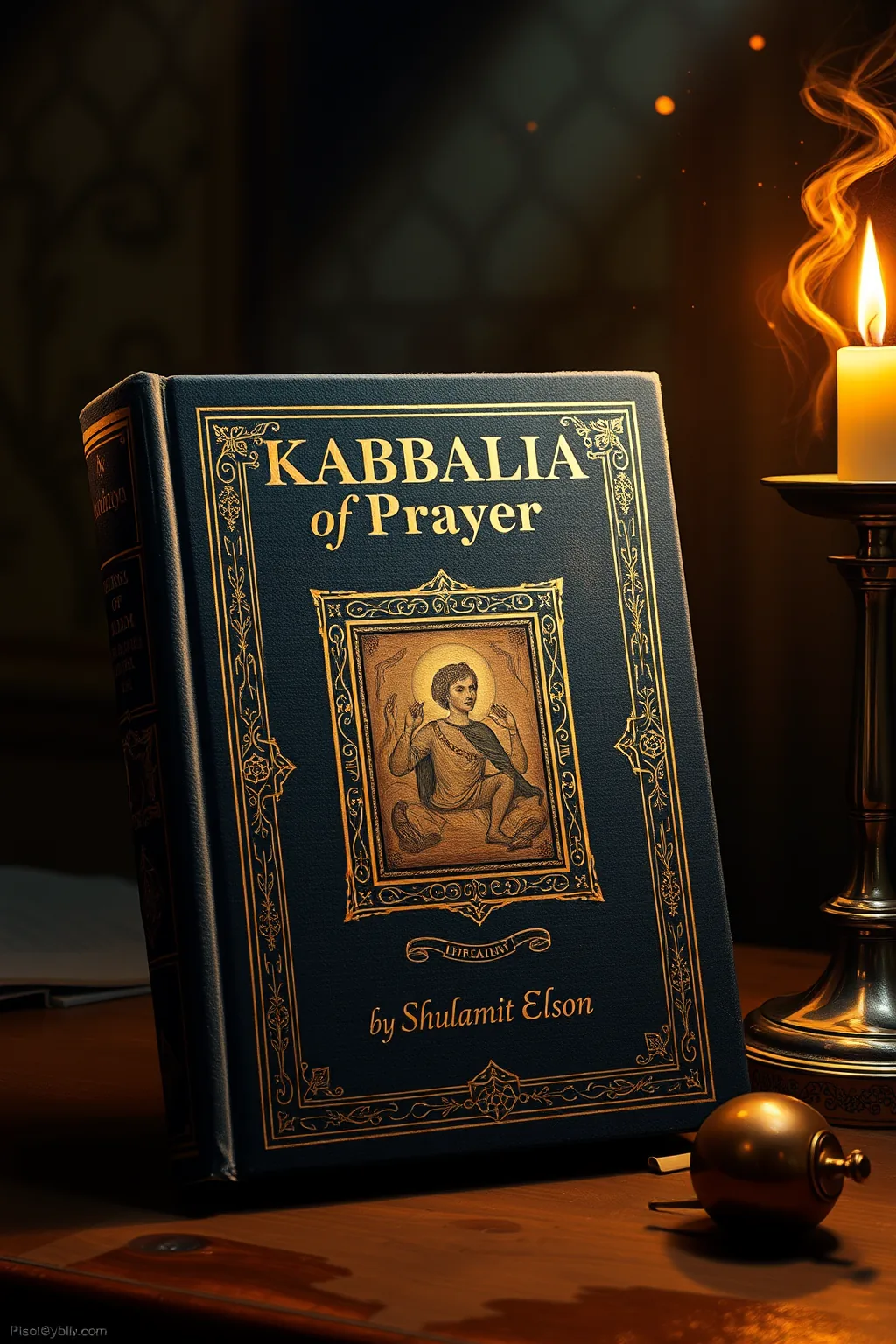
Sophia Crane (Associate Editor) — Shulamit Elson's "Kabbalah of Prayer" is a profound and illuminating exploration of the mystical dimensions of Jewish prayer. Elson skillfully navigates the intricate pathways of Kabbalistic thought, revealing the potent spiritual technology embedded within ancient Hebrew liturgy and practice. Her insightful interpretations of sacred texts offer readers a rare glimpse into the cosmic mechanics of prayer, emphasizing the transformative power of sound and intention. This book is a treasure for anyone seeking to deepen their understanding of Jewish mysticism and elevate their personal prayer life beyond mere recitation. It's a scholarly yet accessible guide, perfect for advanced students and curious beginners alike.
📝 Description
61
Shulamit Elson's 2009 book, 'Kabbalah of Prayer,' explains how Hebrew letters and intention shape divine connection.
Shulamit Elson's 'Kabbalah of Prayer' examines the esoteric principles behind Jewish prayer. The book details how sacred Hebrew letters, when combined with focused intention, act as channels for connecting with the Infinite. Elson explains the structure of the Sefirot, the ten divine emanations in Kabbalistic thought, and their function in a person's spiritual communion.
The text addresses the philosophical links between the structure of the cosmos and individual prayer experiences. It aims to show how prayer can become a dynamic exchange with the Creator, moving beyond mere ritual. Readers will find explanations of how to achieve a more elevated state of consciousness and a deeper resonance with the divine through these practices.
This work is situated within the tradition of Kabbalah, a body of Jewish mystical teachings. Kabbalah seeks to understand the nature of God, the creation of the universe, and the relationship between the divine and the human. Specifically, 'Kabbalah of Prayer' draws on Lurianic Kabbalah and other mystical commentaries to interpret the Siddur, the Jewish prayer book. It emphasizes the meditative and contemplative aspects of prayer, viewing it not just as supplication but as a practice that can influence cosmic processes through focused consciousness and the correct use of sacred names and letters.
💡 Why Read This Book?
This book unlocks the mystical secrets of Jewish prayer, transforming it into a powerful tool for spiritual growth. Discover how sound, intention, and Kabbalistic symbolism can elevate your connection to the Divine. Ideal for seekers yearning for deeper meaning, scholars of mysticism, and practitioners aiming to infuse their prayers with profound cosmic awareness.
⭐ Reader Reviews
Honest opinions from readers who have explored this book.
❓ Frequently Asked Questions
What is the primary focus of "Kabbalah of Prayer"?
The book focuses on the esoteric and mystical dimensions of Jewish prayer, drawing heavily from Kabbalistic teachings to reveal how prayer acts as a conduit for divine connection and spiritual transformation.
Who is the intended audience for this book?
This book is intended for individuals interested in Jewish mysticism, Kabbalah, spiritual seekers, scholars of religion, and anyone wishing to deepen their understanding and practice of prayer.
How does the book explain the role of sound in prayer?
It elucidates how sacred Hebrew sounds and their vibrational qualities are seen in Kabbalah as potent forces that can influence spiritual realms and facilitate communion with the Divine.
Does the book require prior knowledge of Kabbalah?
While prior knowledge is beneficial, Shulamit Elson's clear and evocative writing makes the concepts accessible to those new to Kabbalah, guiding them through the foundational principles.
What are the potential benefits of reading this book?
Readers can gain a profound understanding of prayer's spiritual power, learn to approach prayer with greater intention and awareness, and develop a deeper connection to Jewish mystical traditions.
🔮 Key Themes & Symbolism
The Transformative Power of Sacred Sound
This theme explores the Kabbalistic understanding of Hebrew letters and words not merely as linguistic tools, but as energetic blueprints and divine vibrations. Elson reveals how the precise articulation of these sacred sounds, imbued with focused intention, can create a resonance within the supplicant and the cosmos, acting as a powerful catalyst for spiritual transformation and a direct channel for divine communication. The inherent power within each utterance is presented as a key to unlocking hidden spiritual dimensions and aligning oneself with the divine will, making prayer a dynamic act of creation.
Prayer as a Cosmic Dialogue
This exploration looks at the Kabbalistic concept of prayer as a sophisticated dialogue between the human soul and the Infinite. It moves beyond the notion of petition to emphasize prayer as a process of spiritual ascent, a conscious engagement with the divine emanations (Sefirot) that structure reality. Elson elucidates how understanding these cosmic principles allows the practitioner to align their prayers with the divine flow, fostering a sense of unity and co-creation. This perspective highlights prayer as an active participation in the unfolding of creation, bridging the earthly and the celestial realms.
The Symbolic Range of the Sefirot in Prayer
Here, the book unpacks the intricate symbolism of the Kabbalistic Tree of Life, the Sefirot, within the context of prayer. Elson demonstrates how each Sefirah represents a distinct divine attribute and energy flow, and how prayer can be directed to engage with and harmonize these energies. The reader learns to perceive prayer not just as communication with God, but as a conscious effort to integrate divine wisdom, compassion, strength, and other attributes into one's own being and intentions, thereby facilitating personal and collective spiritual evolution.
💬 Memorable Quotes
Direct passages from the work, attributed to the author.
“Each Hebrew letter hums with cosmic power.”
— Highlights the esoteric belief in the inherent energetic and symbolic potency of the Hebrew alphabet, suggesting its sounds and forms are keys to spiritual understanding.
“The silence between words holds the deepest prayers.”
— Emphasizes the importance of contemplative depth and mindful presence in prayer, suggesting that true connection often lies in the unexpressed, the intuitive.
“The divine whispers are heard in the echo of sacred sound.”
— Suggests that divine guidance and presence are revealed through the resonant frequencies of sacred utterances, a core tenet of Kabbalistic prayer.
💡 Key Ideas
Editorial paraphrase of the work's core concepts — not direct quotes.
Prayer is the soul's ascent, a ladder of divine intention.
This quote captures the Kabbalistic view of prayer as an active, upward journey of the soul, driven by focused will and spiritual aspiration towards the divine.
To pray is to combine oneself into the fabric of creation.
This quote speaks to the idea of prayer as an act of participation and integration with the divine order, aligning one's will with the cosmic collection.
🌙 Esoteric Significance
Tradition
This work is deeply rooted in the Kabbalistic tradition, particularly the Lurianic and later Ashkenazi schools of thought. It explores the mystical dimensions of Judaism, focusing on the divine emanations (Sefirot), the nature of God's presence in the world, and the human capacity to influence spiritual realms through prayer and ritual. The book looks at ancient Hebrew texts and concepts, presenting them as keys to unlocking higher consciousness and a deeper connection to the divine.
Symbolism
Key symbols include the Hebrew alphabet, understood as containing divine energy and meaning; the Sefirot, representing divine attributes and cosmic structures; and the concept of divine names, which are seen as potent conduits of power. The act of prayer itself becomes a symbolic journey, mirroring the ascent of the soul through various spiritual realms, with specific intentions and visualizations serving as symbolic navigation tools.
Modern Relevance
In an era often characterized by spiritual seeking and a desire for deeper meaning, "Kabbalah of Prayer" offers profound relevance. It provides a framework for understanding prayer not as mere supplication, but as a powerful, transformative practice. The book's emphasis on intention, sound, and symbolic engagement appeals to contemporary interest in mindfulness, energy work, and the power of the mind in shaping reality, making ancient Kabbalistic wisdom accessible and applicable to modern spiritual lives.
👥 Who Should Read This Book
This book is a treasure for a diverse audience. **Beginners** to Kabbalah will find Elson's explanations clear and inviting, explaining complex concepts. **Scholars** will appreciate the rigorous engagement with primary texts and the nuanced interpretations. **Spiritual Seekers** yearning for a more profound and transformative prayer experience will discover practical insights and a deeper connection to the divine. **Practitioners** of Jewish mysticism will find invaluable guidance for deepening their existing practice and understanding the cosmic mechanics behind their prayers.
📜 Historical Context
Written during a period of renewed interest in Jewish mysticism and esoteric traditions, "Kabbalah of Prayer" by Shulamit Elson emerges as a significant contribution to contemporary understanding of Kabbalistic thought. The late 20th and early 21st centuries have witnessed a global resurgence of interest in ancient spiritual practices and philosophies, including Kabbalah, moving it from purely academic study into broader spiritual exploration. Elson's work taps into this current, offering a bridge between the historical depth of Kabbalistic texts and the modern seeker's desire for practical, profound spiritual engagement. Her scholarship grounds the esoteric teachings in their rich historical and theological context, while her insightful interpretations make them relevant to contemporary spiritual life.
📔 Journal Prompts
Reflect on a time you felt a profound connection during prayer. What elements contributed to this feeling, and how might Kabbalistic concepts explain it?
How does the idea of 'sacred sound' in prayer resonate with your personal experience? Explore specific sounds or words that hold spiritual significance for you.
Consider the Sefirot as divine attributes. Which attribute do you feel most drawn to connecting with in your prayers today, and why?
If prayer is a 'cosmic dialogue,' what do you believe God is communicating to you through your prayer practice?
Explore the concept of intention in prayer. How can you cultivate deeper intention in your daily prayers to align with your spiritual goals?
🗂️ Glossary
Sefirot
The ten divine emanations or attributes of God as described in Kabbalistic mysticism, forming the structure of the Tree of Life and representing different aspects of divine energy and consciousness.
Cabala
A mystical tradition within Judaism that seeks to understand the nature of God and the universe through esoteric interpretations of scripture and contemplation of divine mysteries.
Shekhinah
The immanent presence of God in the world, often personified as the feminine aspect of the Divine, and a central concept in Kabbalistic theology and prayer.
Tikkun Olam
A Hebrew phrase meaning 'repair of the world,' representing the concept of humanity's role in mending the brokenness of creation and bringing about divine redemption through ethical actions and spiritual practices.
Ein Sof
The Kabbalistic concept of the 'Infinite' or 'Without End,' referring to God in God's absolute, unknowable, and transcendent essence, beyond all comprehension or description.
This book appears in 1 collection
🔮 Readers Also Liked
Browse all →









From the “Kabbalah” Collection
View all →







More Free Kabbalah & Jewish Mysticism Books
View all →