The folk healers-sorcerers of Siquijor
 69
69

The folk healers-sorcerers of Siquijor


Ophelia Vance (Mystical Literature Reviewer) — Rolando V. Mascuñana’s "The Folk Healers-Sorcerers of Siquijor" is an illuminating expedition into the soul of folk healing and sorcery. Mascuñana masterfully deciphers the complex tapestry of belief, ritual, and empirical knowledge that defines the healers of Siquijor. The work offers profound esoteric insights into the energetic principles underpinning their methods, revealing a sophisticated understanding of psychosomatic connections and spiritual well-being. Its strength lies in its respectful, in-depth anthropological approach, bridging the gap between academic inquiry and genuine appreciation for this living tradition. This book is essential for scholars of comparative religion, anthropology, and anyone seeking to understand the potent synergy of magic, medicine, and faith.
📝 Description
69
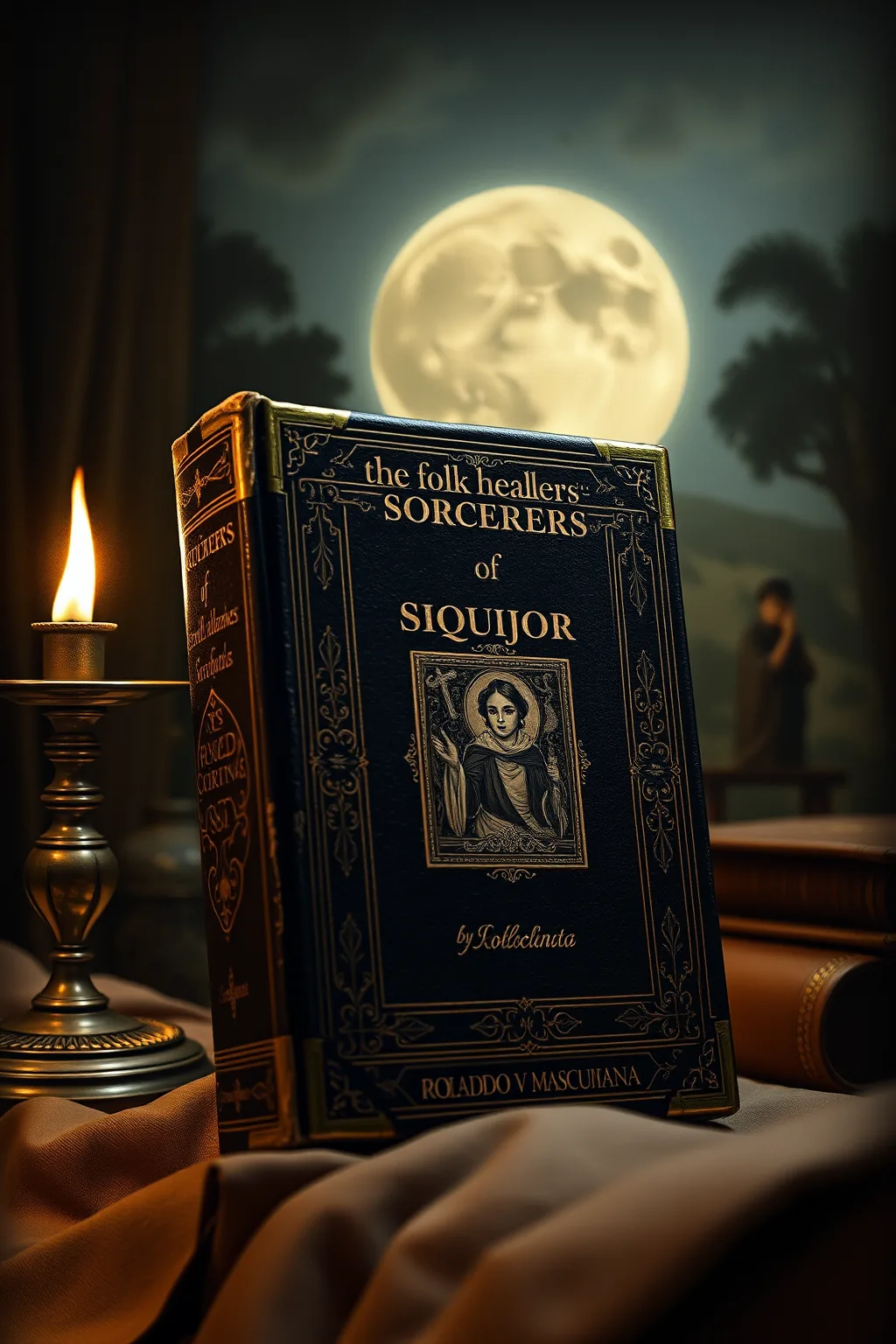
Rolando V. Mascuñana’s 1993 book examines the healers and sorcerers of Siquijor.
This book investigates the folk healers and sorcerers of Siquijor, an island known for its mystique. Mascuñana moves beyond a simple study of traditional medicine to detail the spiritual system supporting these island practices. The text covers specific rituals, incantations, and the relationship between people, nature, and healing power on Siquijor. It also documents the symbolic use of herbs, the significance of sacred locations, and the core beliefs that underpin the island's form of shamanism.
The work serves as an introduction for readers interested in the hidden forces within older cultures. It reveals a healing system that extends beyond the physical, engaging with life and consciousness. The book is suited for those curious about less common traditions and the enduring appeal of the world's mysteries.
This work fits within the study of folk magic and indigenous spiritual systems. It connects to traditions where healing is not separated from a broader worldview involving spiritual energies and the natural environment. The book examines how these beliefs manifest in specific rituals and the roles of individuals recognized as healers or sorcerers within their community. It offers a look at a localized spiritual practice that has roots in older, animistic understandings of the world.
💡 Why Read This Book?
Embark on a journey to uncover the potent healing traditions and sorcerous arts of Siquijor. This book offers a rare window into a world where spiritual belief directly influences physical well-being, revealing the profound interconnectedness of mind, body, and spirit. It's an essential read for seekers of hidden knowledge, scholars of traditional medicine and comparative religion, and practitioners interested in ancient healing modalities.
⭐ Reader Reviews
Honest opinions from readers who have explored this book.
❓ Frequently Asked Questions
What is the primary focus of this book?
The book's primary focus is on the folk healers and sorcerers of Siquijor, exploring their traditional healing methods, the magical and spiritual underpinnings of their practices, and their role within the island's culture.
Who are the 'folk healers-sorcerers' of Siquijor?
These are individuals on the island of Siquijor who practice traditional healing arts, often incorporating spiritual invocations, herbal remedies, and ritualistic ceremonies, blurring the lines between medicine and the supernatural.
Does the book delve into specific magical rituals?
Yes, the book details various rituals, incantations, and symbolic practices employed by the healers, providing insights into the 'how' and 'why' of their perceived efficacy within the local belief system.
Is this book suitable for beginners interested in esoteric studies?
Absolutely. While rich in detail, Mascuñana's accessible prose makes it an excellent starting point for those new to the study of folk magic, traditional medicine, and comparative spirituality.
What is the cultural significance of Siquijor in this context?
Siquijor is renowned in Filipino folklore for its strong tradition of sorcery and healing. The book explores how this unique cultural identity shapes and preserves these ancient practices over generations.
🔮 Key Themes & Symbolism
The Symbiosis of Magic and Medicine
This theme explores the profound integration of magical beliefs and practices within the framework of traditional healing in Siquijor. It examines how spiritual invocations, amulets, and ritualistic ceremonies are not seen as separate from, but rather as integral components of, the healing process. The book studies the notion that true wellness in this context encompasses not only the physical body but also the spiritual and energetic dimensions, suggesting a holistic approach that predates modern psychosomatic theories. The understanding is that by addressing the spiritual root of an ailment through magical means, the physical manifestation can be effectively treated.
The Language of Sacred Herbs and Natural Energies
Central to the folk healers' practice is a deep, intuitive understanding of the inherent energies and symbolic properties of the natural world. This theme investigates how specific herbs, plants, and even geological formations are imbued with spiritual significance and medicinal power. The book illustrates how healers interpret these natural elements not just for their chemical compounds but for their energetic resonance, using them in rituals and remedies to balance or counteract specific ailments. This perspective highlights a profound connection to the Earth, viewing nature as a living pharmacopoeia and a source of potent, unseen forces.
Ritual as a Conduit for Spiritual Power
The efficacy of healing in Siquijor is intrinsically linked to the precise execution of ritual. This theme focuses on the performative aspect of folk healing, examining the structure, symbolism, and intent behind the ceremonies. It explores how specific gestures, prayers, incantations, and the use of sacred objects act as conduits, channeling spiritual or divine energy to influence health and well-being. The book reveals that these rituals are not mere superstition but are carefully constructed frameworks designed to facilitate a connection with higher powers or ancestral spirits, thereby manifesting tangible healing outcomes.
💬 Memorable Quotes
Direct passages from the work, attributed to the author.
“Where faith ends, sorcery begins its work.”
— This highlights the blurred lines and interconnectedness between faith-based healing and more overtly magical practices in Siquijor's traditions.
“Each herb carries a whisper of the divine.”
— This emphasizes the spiritual reverence and perceived sacredness attributed to natural elements, particularly plants, in the context of folk healing.
“The ritual is the bridge between the seen and the unseen.”
— This profound statement underscores the transformative power of ceremony, positioning it as the vital link connecting the material world with spiritual or energetic forces.
“Healing is not just mending the body, but restoring the soul's harmony.”
— This expresses the holistic philosophy of Siquijor's healers, positing that true wellness requires a balance of physical, emotional, and spiritual well-being.
💡 Key Ideas
Editorial paraphrase of the work's core concepts — not direct quotes.
The island breathes its secrets to those who listen.
This quote suggests that Siquijor holds profound, hidden knowledge accessible not through intellectual pursuit alone, but through a deep, intuitive connection with its essence and spirit.
🌙 Esoteric Significance
Tradition
This work is deeply rooted in the syncretic spiritual traditions of the Philippines, particularly the indigenous folk Catholicism and pre-colonial animism that characterizes Siquijor. It draws parallels with shamanic practices found across Southeast Asia and broader animistic belief systems worldwide, where the natural world is imbued with spirit and human practitioners act as intermediaries between the physical and spiritual realms. The book explores a form of applied metaphysics where intention, belief, and ritual are harnessed to effect tangible change.
Symbolism
The symbolism in Siquijor's healing arts is rich and many-sided. Sacred objects like rosaries, crucifixes, and blessed water are often combined with amulets (anting-anting) and intricately carved talismans, representing a fusion of religious devotion and protective magic. The use of specific herbs is not arbitrary; each plant carries symbolic meaning related to its appearance, growth, or traditional associations (e.g., for cleansing, protection, or vitality). Ritualistic gestures, incantations, and the drawing of specific symbols during ceremonies further serve as potent symbolic language, designed to invoke desired spiritual forces and energies.
Modern Relevance
In an age increasingly dominated by scientific rationalism and a perceived disconnect from nature, the practices described in 'The Folk Healers-Sorcerers of Siquijor' offer a compelling counterpoint. They highlight the enduring power of belief, community, and holistic well-being. The book's exploration of psychosomatic connections and the mind-body-spirit nexus appeals to contemporary interest in mindfulness, energy healing, and alternative therapies. It serves as a reminder of the profound, often overlooked, ways in which our spiritual lives can directly influence our physical health and overall vitality.
👥 Who Should Read This Book
This book is a treasure for a diverse readership. **Beginners** seeking an accessible yet profound introduction to folk magic and spiritual healing will find Mascuñana's narrative captivating. **Scholars** of anthropology, religious studies, and comparative medicine will appreciate its meticulous research and ethnographic depth. **Seekers** of alternative healing modalities and those fascinated by the intersection of spirituality and wellness will discover a wealth of insights. **Practitioners** of esoteric arts, particularly those interested in Southeast Asian traditions, will find valuable knowledge regarding ritual, herbalism, and energetic medicine.
📜 Historical Context
Rolando V. Mascuñana's 'The Folk Healers-Sorcerers of Siquijor' emerges from a body of Filipino cultural history, where indigenous animistic beliefs have long coexisted and intertwined with colonial influences, primarily Catholicism. The era of its writing and research likely falls within the latter half of the 20th century, a period when anthropological studies began to more deeply explore and document the vibrant, often marginalized, traditional practices of Southeast Asia. Siquijor itself, often referred to as the 'Mystic Island,' has been a focal point for such traditions for centuries, its isolation and unique folklore fostering a strong preservation of ancestral healing methods and sorcery. The book serves as a critical record, capturing these practices before they might be irrevocably altered by modernization, offering a vital glimpse into a living heritage that bridges the gap between ancient spirituality and contemporary life.
📔 Journal Prompts
Reflect on a time you felt a deep connection to nature. What elements of that experience resonate with the healing practices described in the book?
Consider the concept of 'healing the spirit' as presented. How might this differ from or complement Western medical approaches to health?
What personal symbols or rituals hold significance for you in times of need or celebration? How do they connect you to something larger than yourself?
The book discusses the power of intention in healing. How can you consciously harness your own intentions to foster well-being in your life?
Imagine you are a healer on Siquijor. What is one natural element from your environment that you believe holds special healing power, and why?
🗂️ Glossary
Anting-anting
A Filipino amulet or talisman, often carrying religious inscriptions or symbols, believed to provide spiritual protection, good luck, or healing powers to the wearer.
Folk Catholicism
A syncretic religious practice in the Philippines that blends traditional Catholic doctrines and rituals with indigenous animistic beliefs and practices, often incorporating elements of folk magic and superstition.
Ritual
A set of actions performed in a prescribed order, often with symbolic meaning, used in religious or magical ceremonies to invoke spiritual forces, achieve specific outcomes, or mark significant transitions.
Shamanism
A religious practice characterized by the belief that shamans can mediate between the human world and the spirit world, often through altered states of consciousness, to heal, divine, or influence events.
Animism
The belief that all things, including natural objects, phenomena, and beings, possess a spirit or soul, and that these spirits can influence human lives and events.
This book appears in 3 collections
🔮 Readers Also Liked
Browse all →





More by Rolando V. Mascuñana
All books →
From the “Ritual Magic” Collection
View all →





More Free Magic & Ritual Books
View all →