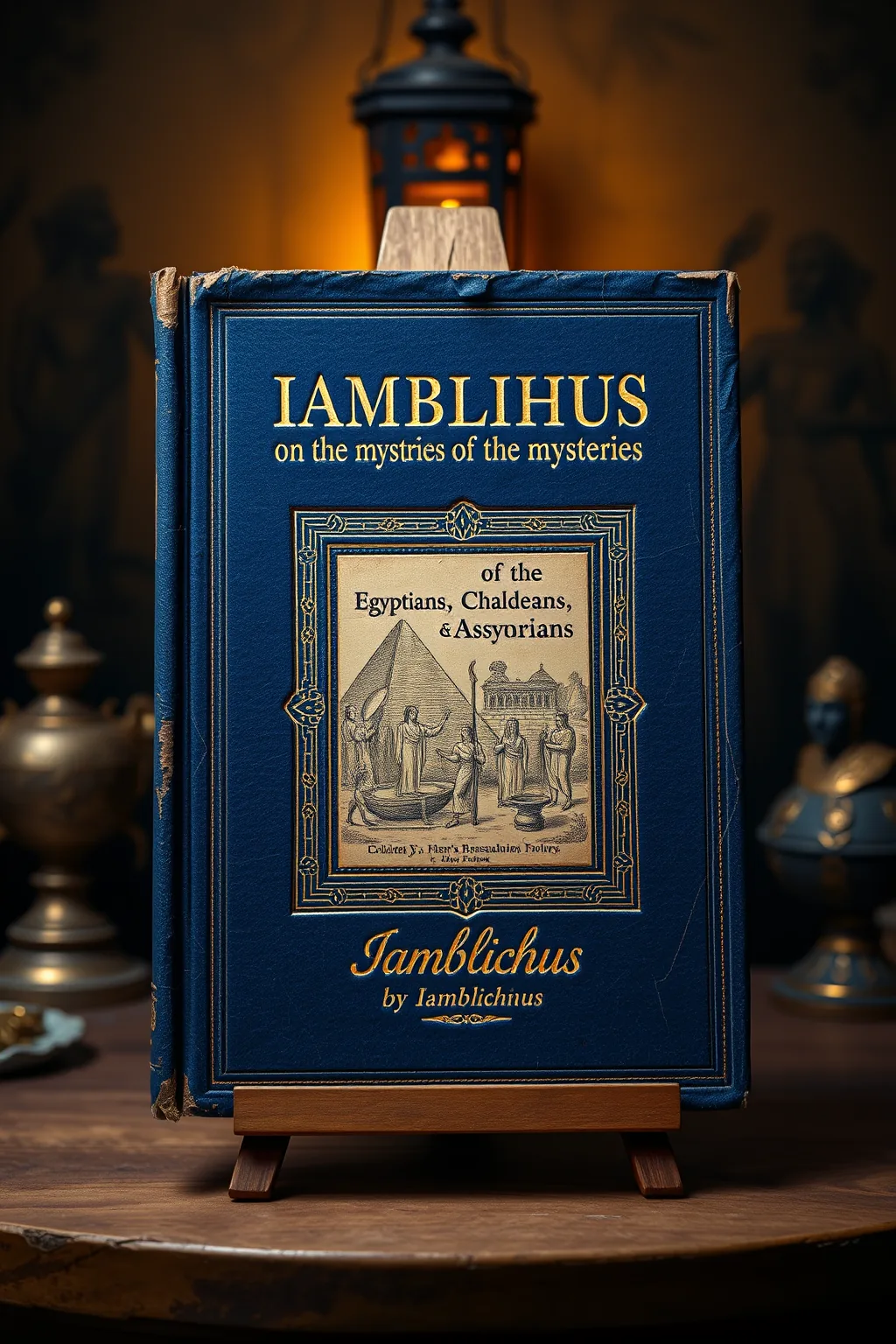
Iamblichus on the mysteries of the Egyptians, Chaldeans, and Assyrians
 70
70

Iamblichus on the mysteries of the Egyptians, Chaldeans, and Assyrians



Iamblichus' 'On the Mysteries' is a profound and enlightening text for modern esoteric seekers. The book provides a detailed and meticulous exploration of the mystical practices and religious philosophies of ancient Egypt, Chaldea, and Assyria. For those interested in demonology and the supernatural, this text offers a wealth of information on the beliefs and rituals that were central to these cultures. Iamblichus' insights into the nature of the divine and the rituals of ancient mystery religions are particularly valuable. The text is well-researched and beautifully written, making it accessible to both academic scholars and casual readers. Its historical significance and the depth of its esoteric knowledge make it a must-read for anyone interested in the occult and the mysteries of ancient religions.
📝 Description
70
Iamblichus wrote 'On the Mysteries' in the late 3rd century CE, detailing Egyptian and Chaldean religious practices.
This text presents the religious and philosophical doctrines of the Egyptians, Chaldeans, and Assyrians as understood by the Neoplatonist philosopher Iamblichus. He argues that their rituals and theological systems are not mere superstition but represent a divinely revealed path to the gods. Iamblichus addresses specific practices, explaining their symbolic meaning and their efficacy in achieving spiritual ascent. He defends these traditions against criticisms, particularly from the Greek philosophical perspective, asserting their superiority and deeper truth.
The work is structured as a dialogue, though Iamblichus largely speaks for himself, responding to questions posed by his student, Abammon. He discusses the nature of the gods, the hierarchy of celestial beings, and the role of intermediaries between humanity and the divine. The book also covers topics such as astrology, theurgy (divine work or ritual magic), and the purification of the soul. Iamblichus seeks to show a unified, coherent system of salvation accessible through these ancient rites.
Iamblichus's 'On the Mysteries' is a cornerstone of later Neoplatonism and a significant text in the history of Western esotericism. Written around 300 CE, it defends the validity and efficacy of ancient religious practices, particularly those of Egypt and Chaldea, against the criticisms of philosophers who favored purely rational or Greek traditions. Iamblichus argues that these rites, a form of theurgy, are divinely instituted means of communion with the gods and spiritual purification, a vital component for the soul's ascent. This work became highly influential for subsequent occult and mystical traditions, shaping views on ritual, divine intermediaries, and the relationship between philosophy and religion.
✍️ Author
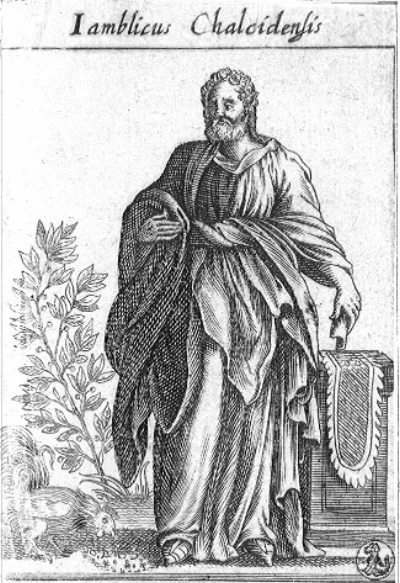
Iamblichus
Iamblichus was a Neoplatonist philosopher and writer who lived in the Roman Empire.
Hermetic Philosopher
💡 Why Read This Book?
Reading 'Iamblichus on the Mysteries' today offers a unique opportunity to delve into the ancient occult practices and religious philosophies that have shaped modern esoteric thought. The book provides a rich historical context and a deep understanding of the mystical traditions of ancient civilizations. Readers will gain insights into demonology, the nature of the divine, and the rituals that were central to ancient religious experiences. This knowledge is invaluable for those seeking to explore the supernatural and mystical dimensions of religion and occultism.
⭐ Reader Reviews
Honest opinions from readers who have explored this book.
❓ Frequently Asked Questions
What is the historical significance of 'Iamblichus on the Mysteries'?
The book is significant for its detailed exploration of ancient mystical practices and religious philosophies, providing a deep understanding of the esoteric traditions that have influenced modern occult thought.
Who should read this book?
This book is ideal for scholars, occult enthusiasts, and anyone interested in the mystical and supernatural dimensions of ancient religions.
What themes are covered in 'Iamblichus on the Mysteries'?
Key themes include demonology, the nature of the divine, and the rituals and mysteries central to the religious experiences of ancient Egypt, Chaldea, and Assyria.
🔮 Key Themes & Symbolism
Ancient Rituals and Symbolism
This book examines the ancient rituals and symbolic languages of the Egyptians, Chaldeans, and Assyrians, revealing the profound wisdom that has been passed down through the ages. It explores the mystical practices that were central to these cultures, offering insights into their esoteric traditions and the deeper philosophical significance of their rituals.
Esoteric Knowledge and Hidden Wisdom
Iamblichus' work is a rich source of esoteric knowledge, uncovering the hidden wisdom that lies at the heart of ancient mystical traditions. It provides a glimpse into the arcane practices and philosophical underpinnings that shaped the spiritual landscapes of these cultures, making it an invaluable resource for seekers and scholars alike.
Philosophical Significance of Ancient Mysticism
The book explores the philosophical significance of ancient rituals, providing insights into the symbolic language of the gods and the profound wisdom that has been passed down through the ages. It offers a wide range of esoteric knowledge that can enrich your spiritual journey and deepen your connection to the mystical traditions of the past.
💬 Memorable Quotes
Direct passages from the work, attributed to the author.
“The symbols of the ancient cultures hold the key to understanding the divine.”
— Iamblichus emphasizes the significance of symbolic language in ancient mysticism, highlighting its role in connecting humans to the divine.
“The wisdom of the ages is hidden in the mysteries of the past.”
— Iamblichus' work reveals the enduring relevance of ancient mystical traditions, offering insights into the hidden wisdom that has been passed down through the ages.
💡 Key Ideas
Editorial paraphrase of the work's core concepts — not direct quotes.
The mysteries of the gods are revealed to those who seek with a pure heart.
This passage underscores the importance of spiritual purity in the pursuit of esoteric knowledge.
The rituals of the Egyptians, Chaldeans, and Assyrians are pathways to enlightenment.
This quote underscores the transformative power of ancient rituals, which were seen as means to achieve spiritual enlightenment.
The seeker of truth must journey into the depths of the unknown.
This passage encourages spiritual seekers to examine the mysteries of the past, highlighting the transformative power of esoteric knowledge.
🌙 Esoteric Significance
Tradition
This book belongs to the Hermetic tradition, which seeks to uncover the hidden wisdom of the ancient world. It draws on the mystical traditions of the Egyptians, Chaldeans, and Assyrians, revealing the esoteric practices and philosophical underpinnings that have shaped Western esotericism.
Symbolism
Key symbols in this book include the sacred geometries and rituals of the ancient cultures, which were believed to hold the power to connect humans to the divine. These symbols are explored in depth, revealing their profound meanings and the wisdom they convey.
Modern Relevance
This book remains relevant today for modern practitioners of occult philosophy and esoteric traditions. It offers insights into the ancient rituals and symbolic languages that continue to influence contemporary spiritual practices, making it an essential resource for seekers and scholars alike.
👥 Who Should Read This Book
Beginners in the field of occult philosophy may find this book challenging but rewarding, as it offers a comprehensive introduction to the mystical traditions of ancient cultures. Scholars will appreciate the depth and breadth of Iamblichus' exploration of ancient rituals and symbolism, while spiritual seekers will find inspiration and guidance in the profound wisdom that is revealed. Practitioners of esoteric traditions will benefit from the insights into ancient practices that can be applied to modern spiritual journeys.
📜 Historical Context
Written during a time when ancient mystical traditions were still vibrant and influential, 'Iamblichus on the Mysteries of the Egyptians, Chaldeans, and Assyrians' provides a unique perspective on the esoteric practices of these cultures. The book was important during its time as it preserved and interpreted the rituals and symbolic languages that were central to these ancient civilizations. Its influence can be seen in the development of Western esotericism, shaping the mystical traditions that have endured to this day.
📔 Journal Prompts
Reflect on the significance of ancient rituals in your spiritual journey.
How do the symbols of the ancient cultures resonate with your own spiritual practices?
What insights can you gain from the philosophical underpinnings of ancient mysticism?
How does the wisdom of the ages influence your understanding of the divine?
What mysteries of the past have you discovered that enrich your spiritual journey?
🗂️ Glossary
Hermetic Tradition
A mystical tradition that seeks to uncover the hidden wisdom of the ancient world, drawing on the esoteric practices and philosophical underpinnings of ancient cultures.
Ancient Mysticism
The study of the mystical traditions and rituals of ancient cultures, revealing the profound wisdom and symbolic languages that have been passed down through the ages.
Esoteric Practices
Arcane rituals and symbolic languages that were central to the spiritual landscapes of ancient cultures, offering insights into their esoteric traditions.
Philosophical Significance
The deeper meanings and insights that can be gained from the study of ancient rituals and symbolism, providing a wide range of esoteric knowledge.
Spiritual Enlightenment
The transformative power of ancient rituals, which were seen as means to achieve spiritual enlightenment and a deeper connection to the divine.
This book appears in 15 collections
🔮 Readers Also Liked
Browse all →





More by Iamblichus
All books →




From the “Transcendental Meditation” Collection
View all →







More Free Occult Philosophy Books
View all →