De mysteriis

 65
65

De mysteriis



Isolde Whitaker (Sacred Texts Editor) — 'De Mysteriis' by Iamblichus is a masterful exploration of theurgy and the occult, offering profound esoteric insights into the mysteries of the divine. Iamblichus' work is a beacon for those who seek to understand the hidden knowledge that lies beyond the veil of ordinary perception. The text is rich in symbolism and philosophical depth, making it an invaluable resource for scholars and practitioners alike. Its strengths lie in its clear exposition of complex spiritual concepts and its ability to inspire readers to embark on their own journey of spiritual discovery. 'De Mysteriis' is a must-read for anyone interested in the intersection of philosophy, religion, and the occult.
📝 Description
65
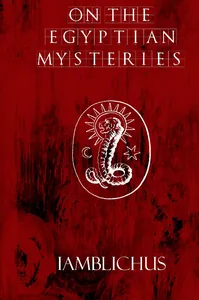
Iamblichus wrote 'De Mysteriis' around the turn of the 4th century to explain theurgy.
Iamblichus's 'De Mysteriis' discusses theurgy, the practice of invoking divine beings. Written in the late 3rd or early 4th century, the text explains how humans can interact with gods and spirits. Iamblichus details the spiritual hierarchy and the rituals necessary for this interaction. He describes the soul's path and the methods for ascending to higher states of being. The work aims to reveal the connections between the physical and divine worlds.
The book is for those interested in spiritual understanding, philosophy, and occult practices. It examines the connection between the human soul and the divine. Iamblichus presents a guide for individuals seeking to move beyond ordinary life and achieve spiritual fulfillment. Readers can learn about unlocking universal secrets and realizing their spiritual capabilities.
This work is a key text in Neoplatonism, particularly the Chaldean Oracles tradition. Iamblichus, a prominent Neoplatonist philosopher, builds upon Plato's ideas but emphasizes mystical practices. He sought to reconcile Greek philosophy with religious traditions, particularly those involving divine communication and purification. 'De Mysteriis' is significant for its detailed account of theurgy, a system of religious rites intended to facilitate union with the divine. It represents a shift towards more practical and ritualistic aspects within Neoplatonism.
💡 Why Read This Book?
Read 'De Mysteriis' to gain a deeper understanding of theurgy and the occult, explore the mysteries of the divine, and unlock hidden knowledge. Ideal for spiritual seekers, philosophers, and practitioners of the occult, this text provides a roadmap for spiritual transcendence and a comprehensive guide to the symbolic rituals that connect the material world to the divine.
⭐ Reader Reviews
Honest opinions from readers who have explored this book.
❓ Frequently Asked Questions
What is the primary focus of 'De Mysteriis'?
The primary focus of 'De Mysteriis' is theurgy, the practice of invoking divine entities through symbolic rituals and spiritual practices.
Who is the intended audience for this book?
The intended audience for 'De Mysteriis' includes spiritual seekers, philosophers, and practitioners of the occult.
What is the historical significance of 'De Mysteriis'?
'De Mysteriis' is a foundational text in the field of theurgy and the occult, offering profound insights into the mysteries of the divine.
How does 'De Mysteriis' explore the relationship between the human spirit and the divine?
'De Mysteriis' explores this relationship through the use of symbolic rituals and spiritual practices, providing a roadmap for spiritual transcendence.
Why is 'De Mysteriis' considered a seminal work in the field of the occult?
'De Mysteriis' is considered a seminal work because it offers a comprehensive guide to theurgy and the occult, revealing the hidden knowledge that lies beyond the veil of ordinary perception.
🔮 Key Themes & Symbolism
Theurgy and Divine Invocation
Iamblichus explores the practice of theurgy, revealing how symbolic rituals and spiritual practices can invoke divine entities and facilitate spiritual transcendence. The text explores the intricate relationship between the human spirit and the divine, providing a roadmap for those who seek to unlock the mysteries of the universe.
Symbolism and Hidden Knowledge
'De Mysteriis' is rich in symbolism, offering insights into the hidden knowledge that lies beyond the veil of ordinary perception. Iamblichus' exploration of symbolic rituals and their meanings provides a deep understanding of the occult and its significance in the spiritual journey.
Spiritual Hierarchy and Ascension
The text discusses the spiritual hierarchy and the means by which humans can ascend to higher planes of existence. Iamblichus' insights into the divine hierarchy and the practices that facilitate spiritual ascent make 'De Mysteriis' a valuable resource for spiritual seekers and practitioners of the occult.
💬 Memorable Quotes
Direct passages from the work, attributed to the author.
“The mysteries of the divine are revealed to those who seek with an open heart and mind.”
— Iamblichus emphasizes the importance of openness and sincerity in the spiritual journey.
“The mysteries of the universe are hidden in plain sight, awaiting those who seek with true intent.”
— Iamblichus encourages readers to look beyond the surface and uncover the hidden knowledge that lies within the universe.
💡 Key Ideas
Editorial paraphrase of the work's core concepts — not direct quotes.
The gods do not abandon those who call upon them with true devotion.
This line underscores the power of devotion in invoking divine entities and achieving spiritual transcendence.
Symbolic rituals are the keys that unlock the doors to higher areas of existence.
This quote highlights the significance of symbolic rituals in the practice of theurgy and the occult.
The human spirit is a spark of the divine, capable of ascending to the highest planes of existence.
This line underscores the divine potential within every human being, inviting readers to embrace their spiritual journey.
🌙 Esoteric Significance
Tradition
'De Mysteriis' belongs to the Hermetic tradition, which emphasizes the unity of the divine and the material world and the practice of theurgy to achieve spiritual transcendence. This text is a foundational work in the field of theurgy, providing insights into the symbolic rituals and spiritual practices that connect the human spirit to the divine.
Symbolism
Key symbols in 'De Mysteriis' include divine entities, spiritual hierarchies, and symbolic rituals. These symbols represent the hidden knowledge and mysteries of the universe, guiding readers on their spiritual journey and facilitating their ascent to higher planes of existence.
Modern Relevance
In modern times, 'De Mysteriis' continues to inspire practitioners of the occult and spiritual seekers. Its exploration of theurgy and the occult provides a roadmap for those who seek to unlock the mysteries of the divine and achieve spiritual transcendence. Contemporary practitioners use the insights from 'De Mysteriis' to deepen their understanding of the esoteric traditions and enhance their spiritual practices.
👥 Who Should Read This Book
Beginners in the occult should read 'De Mysteriis' to gain a foundational understanding of theurgy and the practice of invoking divine entities. Scholars of esoteric traditions will find valuable insights into the historical and philosophical context of the text. Spiritual seekers will benefit from the roadmap for spiritual transcendence and the exploration of the relationship between the human spirit and the divine. Practitioners of the occult will appreciate the comprehensive guide to symbolic rituals and their meanings.
📜 Historical Context
Written in the late 3rd to early 4th century, 'De Mysteriis' reflects the spiritual and philosophical currents of the time, blending elements of Neoplatonism, Gnosticism, and pagan mysticism. This era was marked by a quest for spiritual enlightenment and a fascination with the occult, making Iamblichus' work a significant contribution to the esoteric literature of the period. 'De Mysteriis' has had a lasting influence on the development of theurgy and the occult, inspiring generations of spiritual seekers and practitioners.
📔 Journal Prompts
Reflect on the significance of symbolic rituals in your spiritual journey.
How do the insights from 'De Mysteriis' resonate with your understanding of the divine?
Consider the role of devotion in invoking divine entities.
Explore the concept of the spiritual hierarchy and its implications for your spiritual practice.
How does 'De Mysteriis' challenge or affirm your beliefs about the occult and the mystical?
🗂️ Glossary
Theurgy
The practice of invoking divine entities through symbolic rituals and spiritual practices to achieve spiritual transcendence.
Symbolic Rituals
Ceremonies and actions that hold deeper, spiritual meanings and are used to connect with the divine.
Divine Entities
Beings or forces of the divine realm that can be invoked through theurgy and spiritual practices.
Spiritual Hierarchy
The structured levels of existence and beings within the divine realm, reflecting the order and complexity of the spiritual world.
Occult
The study and practice of hidden knowledge and mystical rituals, often involving the invocation of divine entities and the exploration of the supernatural.
This book appears in 6 collections
🔮 Readers Also Liked
Browse all →






![Herrman's [sic] black art](/img/thumb/herrman-s-sic-black-art-alexander-herrmann.webp)

More by Iamblichus
All books →




From the “Occultism” Collection
View all →






More Free Alchemy & Hermeticism Books
View all →