How Jewish mystical thinking shaped early modern Europe
 61
61

How Jewish mystical thinking shaped early modern Europe

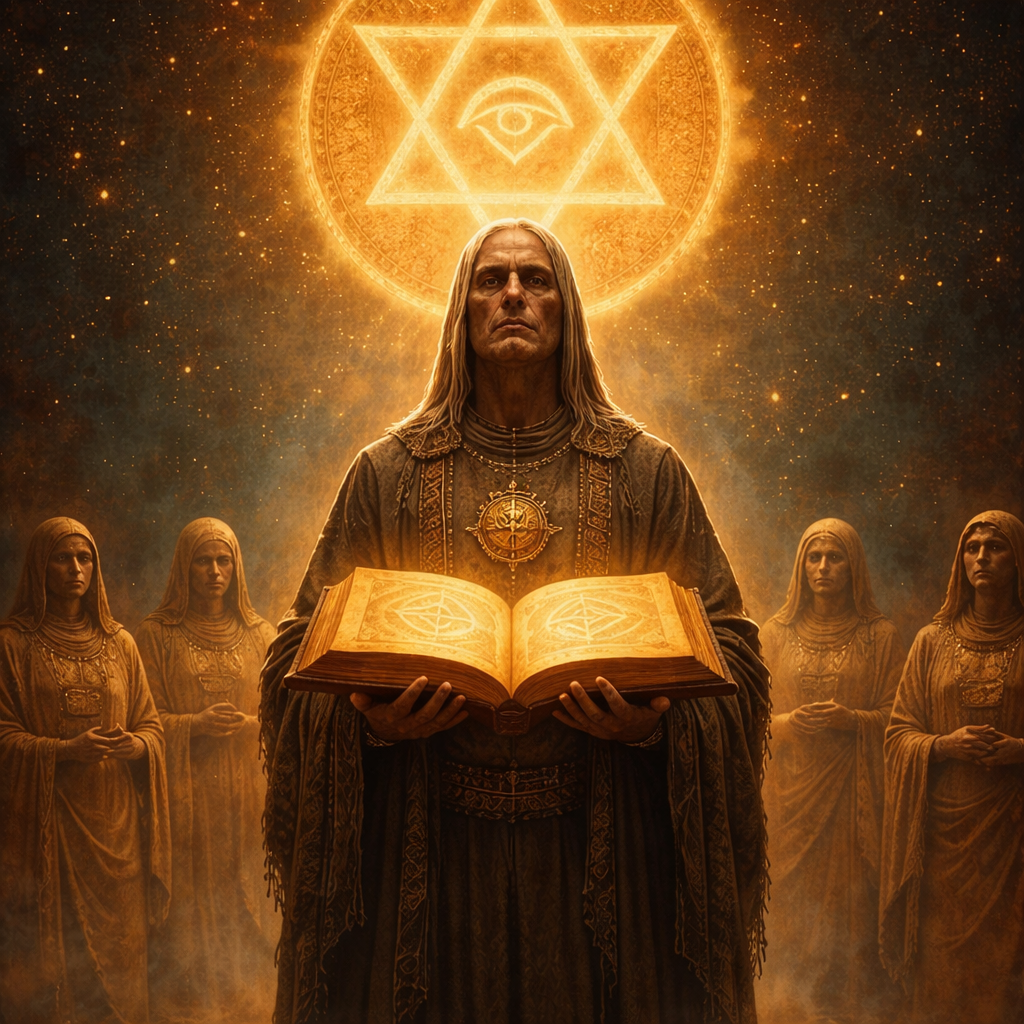

Silas Hawthorne (Hermetic Studies Editor) — Yona Dureau's "How Jewish Mystical Thinking Shaped Early Modern Europe" is a revelation, meticulously charting the often-unseen pathways of Kabbalistic ideas into the heart of Western esotericism. Dureau's scholarship is both rigorous and accessible, illuminating how concepts of divine emanation, symbolic language, and the quest for hidden wisdom, deeply rooted in Jewish mystical traditions, profoundly impacted figures and movements across early modern Europe. This work is indispensable for scholars of Kabbalah, Renaissance Hermeticism, and the history of Western occultism, offering a nuanced understanding of intellectual cross-pollination. It will resonate deeply with practitioners seeking to understand the historical roots of their own esoteric lineages.
📝 Description
61
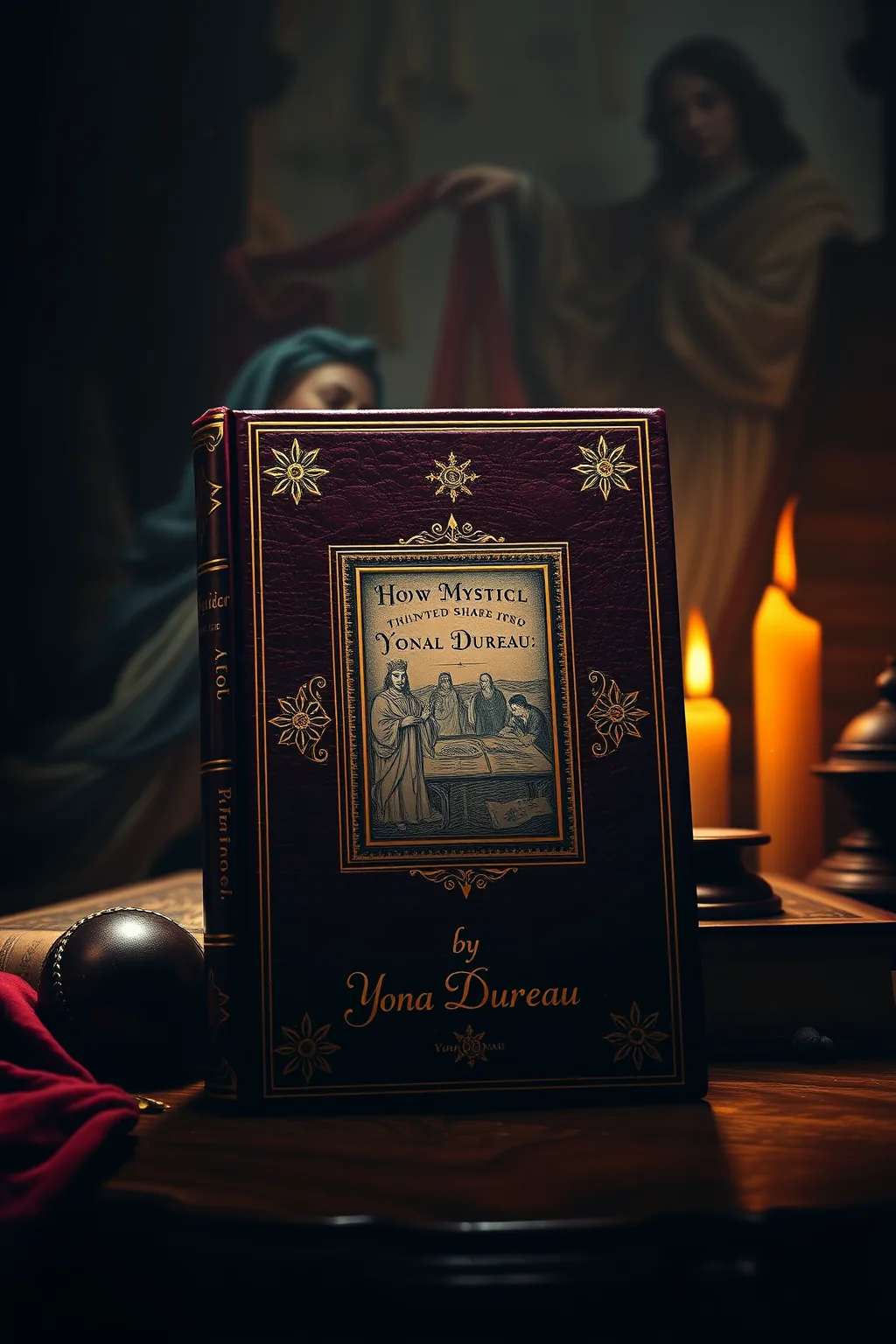
Yona Dureau's 2023 book traces Jewish mysticism's impact on early modern Europe.
This study examines how Jewish mystical ideas influenced Christian esotericism, Hermeticism, and Renaissance philosophy in early modern Europe. Yona Dureau details the movement of Kabbalistic concepts, symbols, and practices from Jewish sources into Western intellectual circles. The book discusses specific elements like the Sefirot, gematria, and notions of divine immanence. It shows how these ideas were adopted and adapted by Christian scholars, alchemists, and mystics. Dureau argues that this exchange significantly enriched European thought, blending ancient mysticism with emerging modern ideas. The work reveals an important, though often unacknowledged, intellectual dialogue.
The transmission of these ideas occurred through various channels during the Renaissance and Reformation periods. Dureau highlights how figures within Christian Kabbalah and Hermeticism actively engaged with Jewish texts and traditions. This engagement was not merely academic but often deeply spiritual, as individuals sought to understand the divine order and humanity's place within it. The book demonstrates how concepts that were once confined to Jewish communities gained wider currency, contributing to a more complex intellectual environment.
This book situates itself within the study of Western esotericism, focusing on the cross-pollination of traditions during a formative period. It examines how Jewish Kabbalah, a mystical interpretive tradition focused on divine emanations and symbolic readings of scripture, interacted with currents like Christian Kabbalah and Renaissance Hermeticism. These latter traditions sought to synthesize ancient philosophies and mystical practices, often incorporating elements from diverse sources to understand the cosmos and the divine. The work illuminates how esoteric thought is not static but a dynamic field shaped by cultural and religious exchange.
💡 Why Read This Book?
Embark on a journey to uncover the secret wellsprings of Western esoteric thought. This book reveals how the profound wisdom of Jewish mysticism, particularly Kabbalah, subtly yet powerfully shaped the intellectual and spiritual currents of early modern Europe. It's essential reading for scholars, seekers of hidden knowledge, and practitioners of esoteric arts who wish to understand the deep, interwoven roots of diverse mystical traditions.
⭐ Reader Reviews
Honest opinions from readers who have explored this book.
❓ Frequently Asked Questions
What is Kabbalah?
Kabbalah is the esoteric tradition of Jewish mysticism, seeking to understand the nature of God, the universe, and humanity's place within it through contemplative practices, symbolic interpretation, and mystical texts like the Zohar.
How did Jewish mysticism influence early modern Europe?
Jewish mystical thought, particularly Kabbalah, influenced early modern Europe through the dissemination of its concepts, symbols, and practices to Christian scholars and mystics, impacting fields like Hermeticism, alchemy, and Renaissance philosophy.
What are some key Kabbalistic concepts discussed?
The book explores concepts such as the Sefirot (divine emanations), gematria (numerical interpretation of Hebrew letters), divine immanence, and the nature of the hidden divine.
Who is the intended audience for this book?
The intended audience includes scholars of religious history, Jewish studies, and Western esotericism, as well as intellectually curious readers interested in the cross-cultural transmission of mystical ideas.
Is prior knowledge of Kabbalah required?
While prior knowledge is beneficial, Dureau's lucid prose makes the complex ideas accessible to newcomers, offering a comprehensive introduction to the subject's historical impact.
🔮 Key Themes & Symbolism
The Transmission of Kabbalistic Wisdom
This theme explores the intricate pathways through which Kabbalistic knowledge, once guarded within Jewish communities, began to permeate Christian intellectual circles in early modern Europe. It examines the role of key figures, translation efforts, and the adaptation of Jewish mystical concepts into Christian Kabbalah, Hermeticism, and Neoplatonism. The focus is on how esoteric ideas about the divine, creation, and the human soul found new expressions and interpretations beyond their original context.
Symbolism and Cosmic Understanding
Central to this theme is the exploration of the rich symbolic language of Kabbalah and its impact on early modern European thought. This includes the visual and conceptual power of the Tree of Life (Sefirot), the numerological significance of gematria, and the use of Hebrew letters as conduits of divine energy. The book illustrates how these symbols provided frameworks for understanding the cosmos, the divine, and the hidden order of reality, influencing art, philosophy, and magical practices.
The Quest for Hidden Knowledge and Divine Union
This theme studies the shared aspiration for uncovering divine secrets and achieving spiritual union that characterized both Jewish mysticism and various early modern European esoteric traditions. It highlights how Kabbalistic teachings on divine immanence, the ascent of the soul, and the practical application of mystical knowledge resonated with those seeking a deeper connection to the divine and a more profound understanding of existence, transcending conventional religious boundaries.
💬 Memorable Quotes
Direct passages from the work, attributed to the author.
“From the emanations of the Sefirot, a new cosmology took root in Western soil.”
— This highlights the wide impact of the Kabbalistic concept of the Sefirot (divine attributes or emanations) on shaping early modern European understanding of creation and the divine structure of the universe.
“The alchemist's crucible mirrored the mystic's ascent toward the Divine Light.”
— This suggests a parallel between alchemical transformation of matter and the spiritual purification and ascent of the soul described in mystical traditions, emphasizing shared goals of purification and divine connection.
“Hidden knowledge, once a whisper, became a resonant chord across intellectual divides.”
— This speaks to the growing influence and recognition of previously esoteric wisdom, which moved from obscure texts to become a significant, audible force in the intellectual discourse of early modern Europe.
“The blueprint of creation was sought not in stone, but in the luminous interplay of divine thought.”
— This points to a shift in the understanding of creation, emphasizing a spiritual and intellectual origin rather than a purely physical one, aligning with Kabbalistic and Neoplatonic ideas of divine emanation.
💡 Key Ideas
Editorial paraphrase of the work's core concepts — not direct quotes.
The veiled face of the Divine revealed itself in the intricate patterns of Hebrew letters.
This quote evokes the Kabbalistic belief that the divine essence is not entirely hidden but can be glimpsed through the symbolic and numerological interpretation of the Hebrew alphabet, a core tenet of mystical exegesis.
🌙 Esoteric Significance
Tradition
The primary esoteric tradition explored is Kabbalah, the mystical dimension of Judaism. This work studies its core concepts such as the Sefirot, gematria, and the nature of divine emanation. It also examines how these ideas were absorbed and transformed within other Western esoteric traditions like Hermeticism, Neoplatonism, and Christian Kabbalah, demonstrating a significant cross-pollination of mystical thought.
Symbolism
This book illuminates the potent symbolism inherent in Kabbalistic thought, including the Tree of Life (Sefirot) as a map of divine consciousness and creation, the profound significance of Hebrew letters and their numerical values (gematria), and the archetypal imagery used to describe the divine presence and its interaction with the material world. These symbols served as keys to unlocking hidden meanings and understanding the cosmic order.
Modern Relevance
The enduring relevance lies in understanding the foundational role of Jewish mysticism in shaping Western esoteric thought. It reveals how ancient contemplative practices and symbolic systems continue to inform contemporary spiritual inquiry, psychological exploration, and philosophical discourse. By tracing these historical connections, readers gain a deeper appreciation for the interconnectedness of wisdom traditions and their ongoing influence on the human search for meaning and transcendence.
👥 Who Should Read This Book
This book is a treasure for scholars of Jewish studies, religious history, and the history of Western esotericism, offering a crucial piece in understanding intellectual cross-currents. Seekers of hidden knowledge and practitioners of mystical arts will find invaluable insights into the roots of their traditions, revealing how Kabbalistic wisdom became woven into the fabric of Western esoteric thought. Beginners curious about the profound influence of mysticism will find Dureau's work an accessible yet deeply enriching introduction to a fascinating historical dialogue.
📜 Historical Context
Early modern Europe (roughly 15th to 18th centuries) was a period of immense intellectual ferment, marked by the Renaissance, the Reformation, and the Scientific Revolution. This era witnessed a fervent interest in ancient wisdom, including Hermeticism, Neoplatonism, and the Kabbalah. Scholars and mystics, driven by a desire to understand the divine order and humanity's place within it, actively sought out and reinterpreted texts from various traditions. The printing press facilitated the dissemination of these ideas, and figures like Pico della Mirandola and Johannes Reuchlin played central roles in introducing Kabbalistic concepts to a wider Christian audience. This cross-pollination led to the development of Christian Kabbalah, which sought to find Christian theological truths within Jewish mystical frameworks, profoundly influencing philosophical, theological, and even magical thought.
📔 Journal Prompts
In what ways do you see the influence of Kabbalistic symbolism in contemporary art, philosophy, or spirituality?
Reflect on a time you encountered a concept or symbol that seemed to hold multiple layers of meaning. How did this experience connect with the idea of hidden knowledge?
Consider the concept of divine emanation. How does this idea resonate with or challenge your own understanding of God or the ultimate reality?
Explore the idea of intellectual and spiritual cross-pollination. What are the benefits and potential challenges of ideas moving between different cultural and religious traditions?
How might understanding the historical transmission of mystical ideas enhance your personal spiritual practice or intellectual journey?
🗂️ Glossary
Kabbalah
The esoteric, mystical tradition within Judaism that seeks to understand the nature of God, the universe, and humanity's relationship with the divine through contemplative practices and symbolic interpretation.
Sefirot
In Kabbalah, the ten divine attributes or emanations through which God reveals himself and creates the universe. Often depicted as a Tree of Life.
Gematria
A method of Kabbalistic interpretation that assigns numerical values to Hebrew letters and words, revealing hidden connections and meanings within sacred texts.
Hermeticism
A philosophical and religious tradition based on the purported teachings of Hermes Trismegistus, emphasizing occult knowledge, alchemy, astrology, and the interconnectedness of all things.
Neoplatonism
A school of philosophy that flourished in the Roman Empire, emphasizing the concept of the One, from which all reality emanates, and the pursuit of spiritual ascent towards this ultimate source.
This book appears in 1 collection
🔮 Readers Also Liked
Browse all →








From the “Kabbalah” Collection
View all →






More Free Kabbalah & Jewish Mysticism Books
View all →