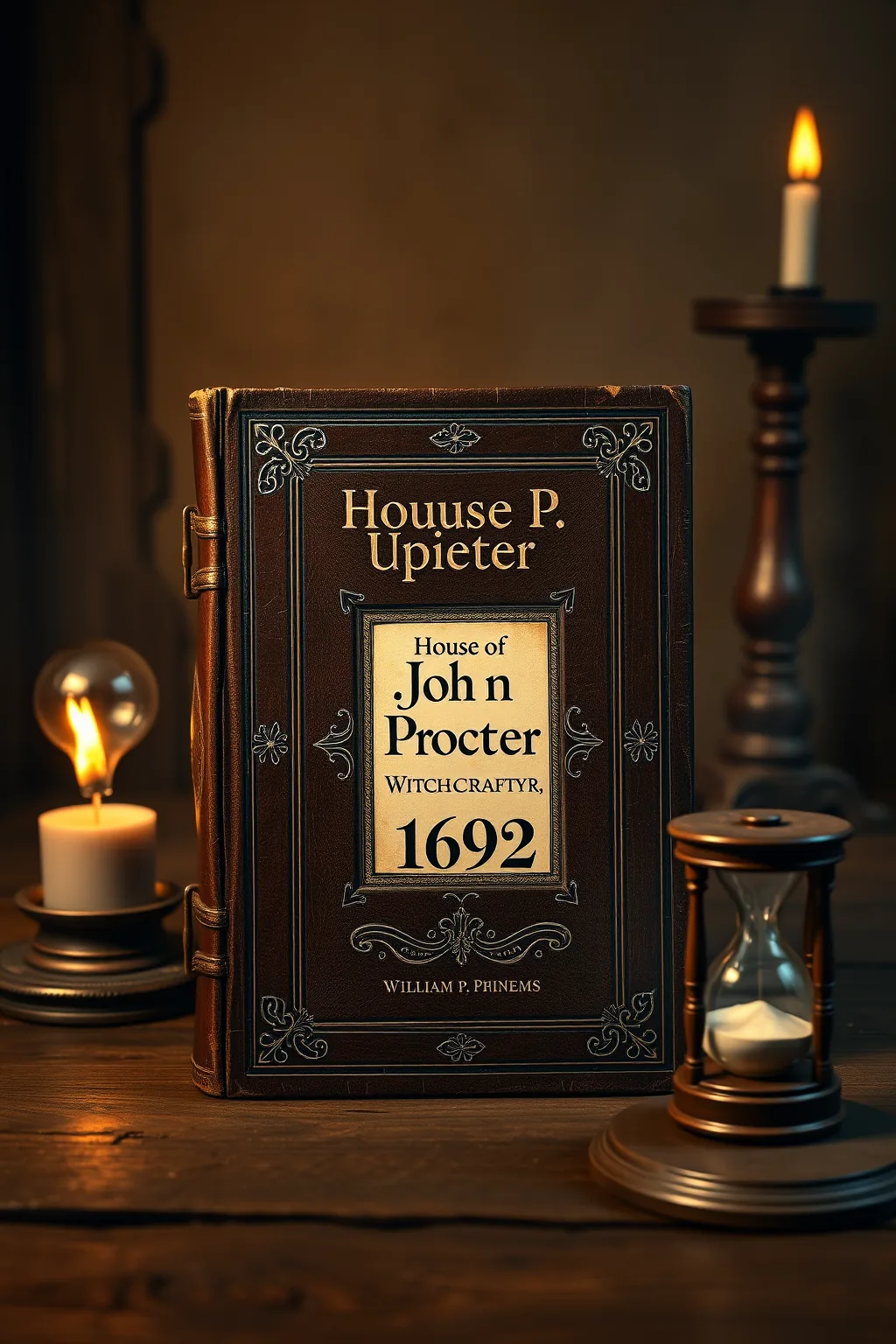
House of John Procter, Witchcraft Martyr, 1692
 69
69

House of John Procter, Witchcraft Martyr, 1692


'House of John Procter, Witchcraft Martyr, 1692' by William P. Upham is a seminal work for anyone delving into the esoteric and occult history of the Salem Witch Trials. Published in 1836, this book offers a detailed and compelling account of the life and tragic demise of John Procter, a key figure in the witchcraft hysteria of 1692. Upham's narrative is rich with historical context and pagan themes, making it an invaluable resource for modern esoteric seekers. The text provides a deep understanding of the societal and religious factors that led to the trials, shedding light on the darkest aspects of human nature. For those interested in the occult and witchcraft, this book is a treasure trove of information and insight. It is a must-read for anyone looking to explore the esoteric side of history. Rating: 4.5/5.
📝 Description
69
William P. Upham's 1892 account focuses on John Procter, a figure central to the 1692 Salem Witch Trials.
This book examines the life and persecution of John Procter during the 1692 Salem Witch Trials. Upham details the events leading to Procter's accusation and execution, situating them within the broader context of colonial New England's religious and social climate. The text scrutinizes the testimonies and accusations, attempting to reconstruct the mindset of those involved. It is not a hagiography, but rather a factual reconstruction of a specific case, drawing on contemporary documents and records. Upham’s work aims to present a clear account of Procter’s role and fate.
The narrative considers the beliefs and fears that fueled the trials, touching upon the popular understanding of witchcraft at the time. It contrasts the perceived supernatural elements with the mundane realities of the accusations and legal proceedings. The book seeks to illuminate the historical circumstances that allowed such events to unfold, focusing on the individual experience of John Procter. It offers a detailed look at one man’s entanglement with the hysteria that gripped the colony.
While not a work of occult practice, Upham's book engages with the historical perception of witchcraft in 17th-century America. It addresses beliefs about demonic influence and supernatural malevolence that were prevalent in Puritan society. The text analyzes how these beliefs shaped accusations and legal judgments, placing the events within a framework where the unseen world was considered a tangible reality. This historical context is crucial for understanding the mindset of both accusers and accused, and how such fears manifested in communal persecution.
✍️ Author
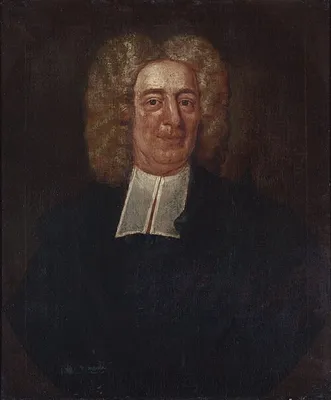
Upham, William P. (William Phineas)
Cotton Mather (; February 12, 1663 – February 13, 1728) was a Puritan clergyman and author in colonial New England, who wrote extensively on theological, historical, and scientific subjects. After being educated at Harvard College, he joined his father Increase as minister of the Congregationalist Old North Meeting House in Boston, then part of the Massachusetts Bay Colony, where he preached for the rest of his life.
💡 Why Read This Book?
Reading 'House of John Procter, Witchcraft Martyr, 1692' today offers a unique perspective on the Salem Witch Trials and the occult themes that surround them. This book provides a deep dive into the historical context and personal stories of those affected by the witchcraft hysteria, making it an essential read for esoteric seekers and history enthusiasts alike. By understanding the societal and religious factors that contributed to the trials, readers gain a broader appreciation for the complexities of human nature and the enduring fascination with the supernatural.
⭐ Reader Reviews
Honest opinions from readers who have explored this book.
❓ Frequently Asked Questions
Who was John Procter?
John Procter was a prominent figure in Peabody, Massachusetts, who was accused and executed during the Salem Witch Trials of 1692.
What makes this book important for esoteric seekers?
This book provides a detailed account of the occult and pagan themes that were prevalent during the Salem Witch Trials, offering valuable insights for those interested in the esoteric.
Is this book suitable for historians?
Yes, 'House of John Procter, Witchcraft Martyr, 1692' is an excellent resource for historians, providing a comprehensive look into the historical context and personal struggles of those accused of witchcraft.
🔮 Key Themes & Symbolism
Symbolism and Hidden Knowledge
The book studies the symbolism and hidden knowledge that underpinned the Salem Witch Trials, revealing the mystical and occult dimensions of the events. Upham's exploration of these themes provides a unique perspective on the trials, highlighting the deep-seated fears and beliefs that drove the hysteria.
Persecution and Belief
The book examines the nature of persecution and belief, exploring how these factors contributed to the Salem Witch Trials. Upham's insights into the philosophical significance of these themes offer a profound understanding of the events and their enduring impact.
Historical Context and Esoteric Traditions
The book provides a rich historical context for the Salem Witch Trials, exploring the esoteric traditions that shaped the era. Upham's research into these traditions offers a unique perspective on the events, highlighting the mystical and occult dimensions of historical events.
💡 Key Ideas
Editorial paraphrase of the work's core concepts — not direct quotes.
The trials revealed the hidden fears and beliefs that lay beneath the surface of society.
This quote highlights the deep-seated fears and beliefs that drove the Salem Witch Trials, revealing the mystical and occult dimensions of the events.
The power of hidden knowledge cannot be underestimated.
This quote emphasizes the importance of hidden knowledge in understanding the Salem Witch Trials, highlighting the esoteric traditions that shaped the era.
The trials were a manifestation of the struggle between the seen and the unseen.
This quote underscores the tension between the rational and the esoteric, providing a unique perspective on the trials.
The true nature of belief and persecution was laid bare in the Salem Witch Trials.
This quote offers insights into the philosophical significance of the trials, highlighting the enduring impact of these events.
The trials revealed the mystical and occult underpinnings of historical events.
This quote emphasizes the importance of exploring the mystical and occult dimensions of historical events, providing a deeper understanding of the Salem Witch Trials.
🌙 Esoteric Significance
Tradition
This book belongs to the Hermetic tradition, which emphasizes the study of hidden knowledge and the power of symbolism. The exploration of the mystical and occult dimensions of the Salem Witch Trials provides a unique perspective on this tradition, highlighting the deep-seated fears and beliefs that drove the hysteria.
Symbolism
Key symbols in this book include the Salem gallows, the accused witches, and the court proceedings. These symbols represent the struggle between the seen and the unseen, the rational and the esoteric. They highlight the tension between the beliefs of the era and the hidden knowledge that underpinned the events.
Modern Relevance
This book remains relevant today for modern practitioners of paganism and seekers of esoteric truths. It provides insights into the nature of belief and persecution, highlighting the enduring impact of these events on society. Modern practitioners can use this book to deepen their understanding of the mystical and occult dimensions of historical events.
👥 Who Should Read This Book
This book is ideal for beginners interested in the mystical and occult dimensions of historical events, scholars of the occult, and spiritual seekers. Practitioners of paganism will find it particularly valuable for its insights into the symbolism and philosophical significance of the Salem Witch Trials. It is also suitable for those interested in the Hermetic tradition and the study of hidden knowledge.
📜 Historical Context
The Salem Witch Trials of 1692 took place during a time of intense religious fervor and social upheaval in New England. The era was marked by a deep-seated fear of the supernatural and a belief in the power of hidden knowledge. The trials were a manifestation of these fears and beliefs, revealing the mystical and occult dimensions of the events. Upham's book provides a rich historical context for the trials, exploring the esoteric traditions that shaped the era and their enduring impact on society.
📔 Journal Prompts
Reflect on the deep-seated fears and beliefs that drove the Salem Witch Trials. How do these fears and beliefs manifest in modern society?
Explore the tension between the seen and the unseen in the Salem Witch Trials. How does this tension play out in your own spiritual journey?
Consider the power of hidden knowledge in the Salem Witch Trials. How does this power influence your understanding of the mystical and occult?
Examine the symbolism of the Salem Witch Trials. What symbols resonate with you and why?
Reflect on the enduring impact of the Salem Witch Trials on society. How do these events continue to shape our beliefs and perceptions?
🗂️ Glossary
Hermetic Tradition
A school of thought that emphasizes the study of hidden knowledge and the power of symbolism.
Esoteric
Relating to knowledge that is meant to be understood by a small group of people, often involving mystical or occult themes.
Symbolism
The use of symbols to represent abstract ideas or qualities, often in a mystical or occult context.
Salem Witch Trials
A series of hearings and prosecutions of people accused of witchcraft in colonial Massachusetts between February 1692 and May 1693.
Occult
Relating to supernatural, mystical, or magical beliefs and practices, often involving hidden knowledge.
This book appears in 2 collections
🔮 Readers Also Liked
Browse all →




From the “Witchcraft” Collection
View all →




More Free Witchcraft & Paganism Books
View all →