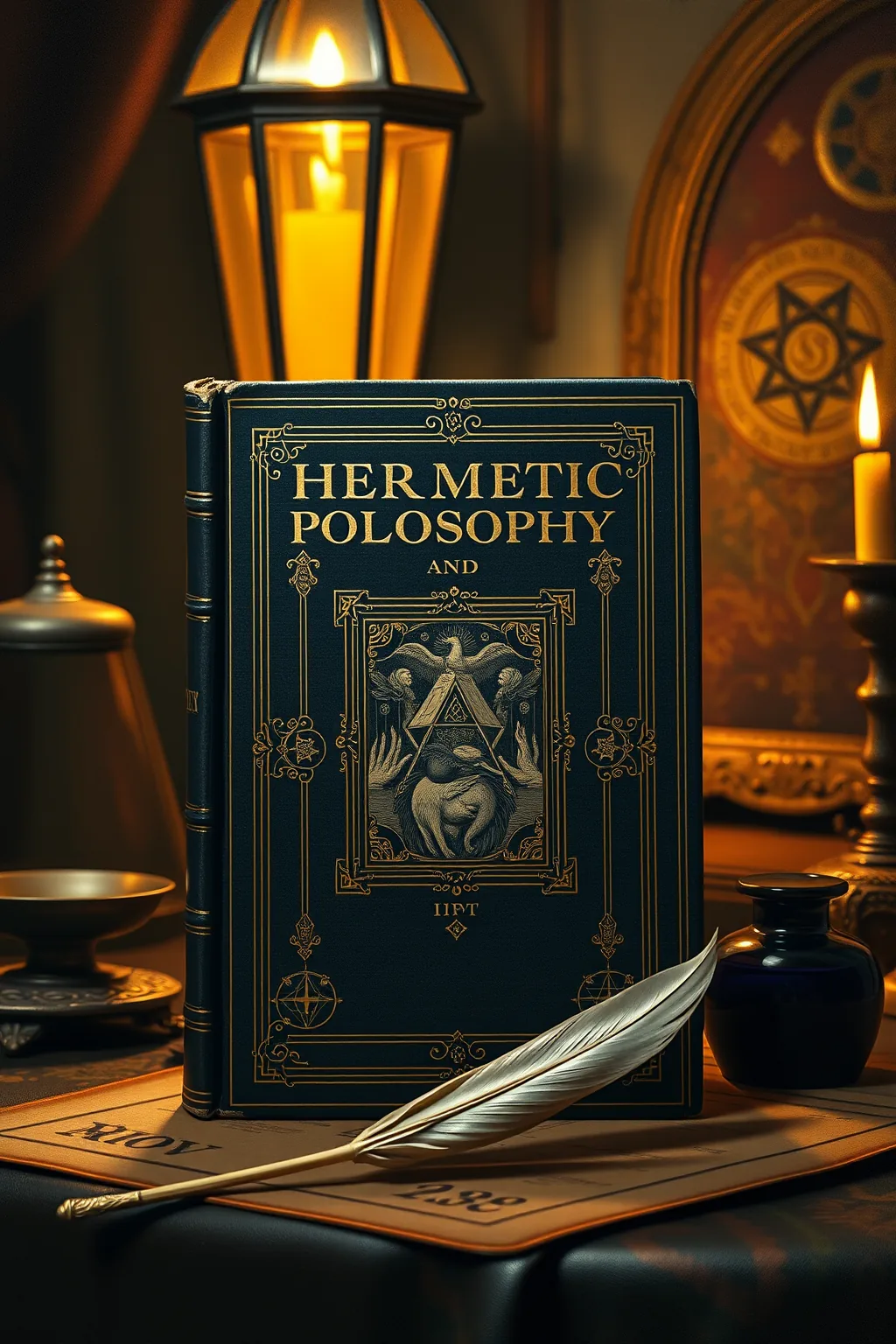
Hermetic philosophy and alchemy
 62
62

Hermetic philosophy and alchemy


Review by Aurelia Blackwood (Occult Philosophy Critic) — Mary Anne South Atwood's 'Hermetic Philosophy and Alchemy' stands as a cornerstone of esoteric literature. Atwood's work is meticulously researched and beautifully written, offering deep insights into the Hermetic traditions and the alchemical process. The book is particularly strong in its exploration of symbolism and its philosophical implications, making it an invaluable resource for both scholars and practitioners. Atwood's ability to bridge the gap between ancient wisdom and modern understanding is truly remarkable. This book is a must-read for anyone serious about delving into the mystical and occult sciences.
📝 Description
62
Mary Anne South Atwood's 1850 book connects Hermetic philosophy and alchemy.
This work examines the intertwined traditions of Hermetic philosophy and alchemy as presented by Mary Anne South Atwood. Atwood sought to illuminate the symbolic language and philosophical underpinnings of alchemical practice, linking it to ancient Hermetic texts. The book details concepts such as the Great Work, the correspondence between macrocosm and microcosm, and the spiritual transformation inherent in the alchemical process. Atwood's writing aims to make these complex ideas accessible to a broad audience interested in esoteric thought. It functions as a guide to understanding alchemy not merely as a proto-scientific endeavor, but as a system of spiritual and philosophical development. The text considers the symbolic meanings behind alchemical operations and their connection to broader metaphysical questions about existence and consciousness.
Published in 1850, this book emerged during a period of renewed interest in Western esoteric traditions, including Hermeticism and alchemy. It sits within a lineage of authors who sought to interpret these ancient systems for a modern audience. Atwood's approach reflects a trend towards philosophical and spiritual readings of alchemy, moving beyond purely material interpretations. The work engages with the symbolic language and conceptual frameworks that have characterized these traditions for centuries, aiming to reveal their underlying metaphysical structure.
💡 Why Read This Book?
Read 'Hermetic Philosophy and Alchemy' to gain a profound understanding of the esoteric traditions that have shaped Western mysticism. This book is ideal for seekers of hidden knowledge, scholars of the occult, and practitioners of alchemy. Atwood's work provides a comprehensive overview of Hermetic philosophy, making it an essential addition to any library of mystical literature.
⭐ Reader Reviews
Honest opinions from readers who have explored this book.
❓ Frequently Asked Questions
What is Hermetic Philosophy?
Hermetic Philosophy is an ancient spiritual and philosophical tradition based on the teachings attributed to Hermes Trismegistus. It emphasizes the unity of all things and the pursuit of spiritual enlightenment through the study of nature and the self.
What is Alchemy?
Alchemy is an ancient practice that combines elements of chemistry, philosophy, and mysticism. It aims to transform base metals into gold and to achieve spiritual purification and enlightenment.
Who is Mary Anne South Atwood?
Mary Anne South Atwood was a 19th-century author and occultist known for her contributions to the study of Hermetic philosophy and alchemy. Her works have been influential in the modern revival of these esoteric traditions.
What makes this book unique?
This book stands out for its comprehensive exploration of Hermetic philosophy and alchemy, combining historical context with deep philosophical insights. Atwood's unique perspective makes it a valuable resource for both scholars and practitioners.
Is this book suitable for beginners?
While this book is accessible to beginners, it is particularly valuable for those with some prior knowledge of esoteric traditions. The depth and complexity of the material make it a rich resource for continued study.
🔮 Key Themes & Symbolism
Hermetic Philosophy
The book delves deeply into the Hermetic traditions, exploring the ancient teachings attributed to Hermes Trismegistus. These teachings emphasize the unity of all things and the pursuit of spiritual enlightenment through the study of nature and the self. Atwood's work provides a comprehensive overview of these mystical principles, making it an essential read for anyone interested in the esoteric sciences.
Alchemical Transformation
Alchemy is a central theme in this book, with Atwood exploring the transformative practices and symbolism associated with this ancient art. She discusses the alchemical process of transmutation, both in its physical and spiritual dimensions, and its significance in the quest for enlightenment. The book offers a rich exploration of alchemical symbolism and its philosophical implications.
Spiritual Enlightenment
The pursuit of spiritual enlightenment is a recurring theme throughout the book. Atwood discusses the Hermetic and alchemical paths to spiritual awakening, emphasizing the importance of self-knowledge and the transformation of the soul. This theme is explored through the lens of ancient mystical traditions, offering readers a profound and enlightening journey.
💬 Memorable Quotes
Direct passages from the work, attributed to the author.
“In the Hermetic tradition, all things are interconnected.”
— Atwood underscores the unity of all things, a fundamental principle of Hermetic philosophy that guides the seeker's journey.
“The alchemist's laboratory is the temple of the soul.”
— Atwood's metaphorical language underscores the spiritual significance of alchemical practices, viewing them as a means of inner purification and enlightenment.
💡 Key Ideas
Editorial paraphrase of the work's core concepts — not direct quotes.
The true alchemist seeks not gold but the gold of the spirit.
This quote highlights the spiritual dimension of alchemy, emphasizing the quest for inner transformation and enlightenment.
The path to enlightenment is a journey of self-discovery and transformation.
This quote emphasizes the personal and transformative nature of the spiritual quest, a central theme in both Hermeticism and alchemy.
The seeker of truth must study the mysteries of nature and the self.
This quote highlights the importance of self-knowledge and the study of nature in the pursuit of spiritual enlightenment, a key tenet of Hermetic philosophy.
🌙 Esoteric Significance
Tradition
This book belongs to the Hermetic tradition, which is rooted in the teachings attributed to the ancient sage Hermes Trismegistus. It explores the principles of Hermetic philosophy, including the unity of all things and the pursuit of spiritual enlightenment through the study of nature and the self. The book also looks at the alchemical tradition, examining the transformative practices and symbolism associated with this ancient art.
Symbolism
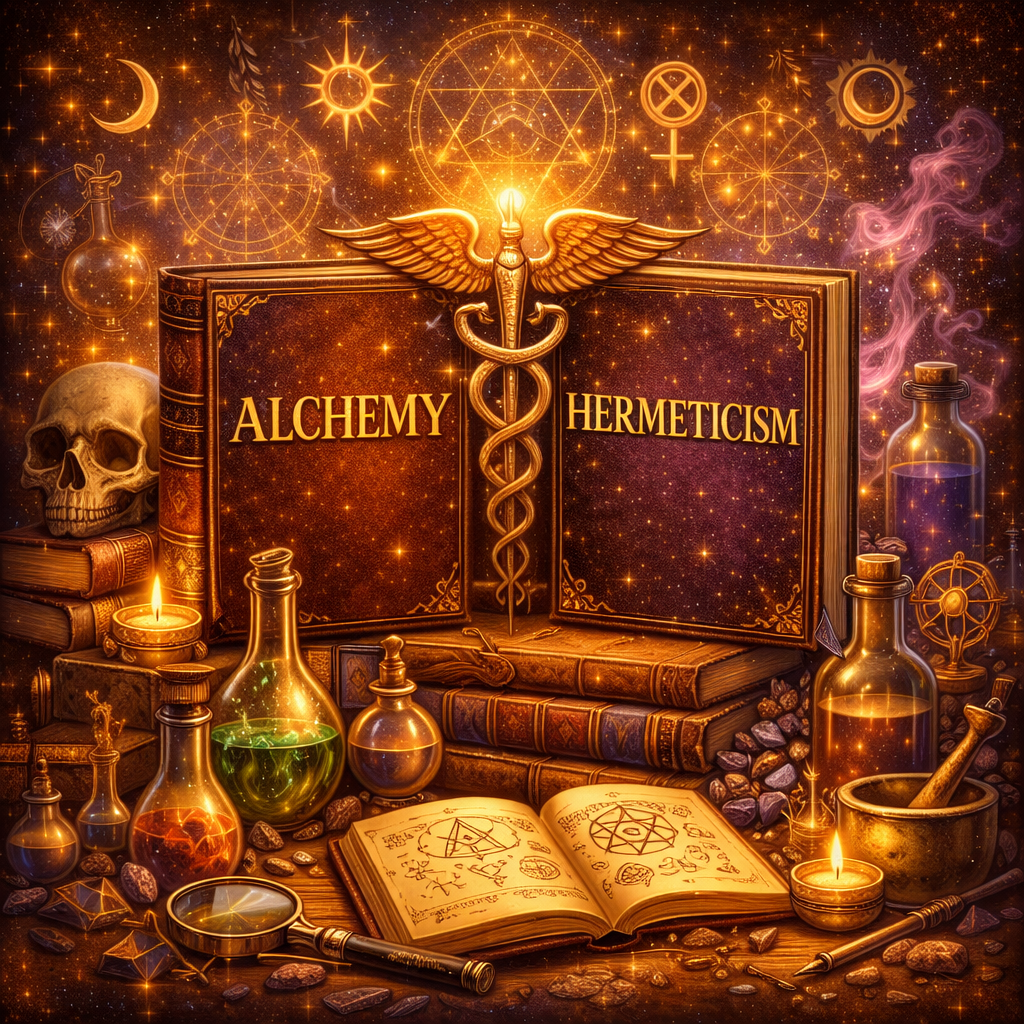
Key symbols in this book include the Hermetic symbol of the caduceus, representing the unity of opposites, and the alchemical symbols of the four elements and the philosophical mercury. These symbols are rich in meaning and are used to convey deep philosophical and spiritual truths. Atwood's work provides a detailed exploration of these symbols and their significance in the esoteric traditions.
Modern Relevance
This book remains relevant today, as modern practitioners of Hermeticism and alchemy continue to draw on its insights and teachings. The book's exploration of spiritual transformation and enlightenment appeals to contemporary seekers of hidden knowledge. Today, many occultists and mystics study Atwood's work to deepen their understanding of these ancient traditions and apply their principles to modern life.
👥 Who Should Read This Book
This book is ideal for a wide range of readers, from beginners to seasoned scholars of the occult. Beginners will find it a comprehensive introduction to Hermetic philosophy and alchemy, providing a solid foundation for further study. Scholars will appreciate the depth and complexity of Atwood's research and insights. Spiritual seekers will find inspiration and guidance in the book's exploration of spiritual transformation and enlightenment. Practitioners of alchemy will benefit from the detailed examination of alchemical symbolism and practices.
📜 Historical Context
Mary Anne South Atwood's 'Hermetic Philosophy and Alchemy' was written in the 19th century, a time when there was a renewed interest in esoteric and occult traditions. The book emerged during a period of intellectual and spiritual exploration, as scholars and seekers turned to ancient wisdom to find meaning in a rapidly changing world. Atwood's work has had a significant influence on the modern revival of Hermeticism and alchemy, providing a comprehensive overview of these mystical traditions and their philosophical implications.
📔 Journal Prompts
Reflect on the concept of spiritual transformation as discussed in the book. How does it apply to your own journey?
Explore the significance of alchemical symbolism in your life. What symbols resonate with you and why?
Consider the unity of all things as a central principle of Hermetic philosophy. How does this idea influence your understanding of the world?
Write about the importance of self-knowledge in the pursuit of spiritual enlightenment. How can you cultivate greater self-awareness?
Reflect on the historical context of Hermetic philosophy and alchemy. How do these ancient traditions remain relevant today?
🗂️ Glossary
Hermetic Philosophy
An ancient spiritual and philosophical tradition based on the teachings of Hermes Trismegistus, emphasizing the unity of all things and the pursuit of spiritual enlightenment.
Alchemy
An ancient practice combining elements of chemistry, philosophy, and mysticism, aiming to transform base metals into gold and achieve spiritual purification.
Transmutation
The alchemical process of transforming one substance into another, symbolizing spiritual and personal transformation.
Philosophical Mercury
A symbol in alchemy representing the primal substance from which all things are created and into which they can be reduced.
Caducues
A symbol in Hermeticism representing the unity of opposites and the balance of forces within the universe.
This book appears in 3 collections
🔮 Readers Also Liked
Browse all →







More by Mary Anne South Atwood
All books →

From the “Hermeticism” Collection
View all →








More Free Alchemy & Hermeticism Books
View all →