Book of Jezebel

 61
61

Book of Jezebel

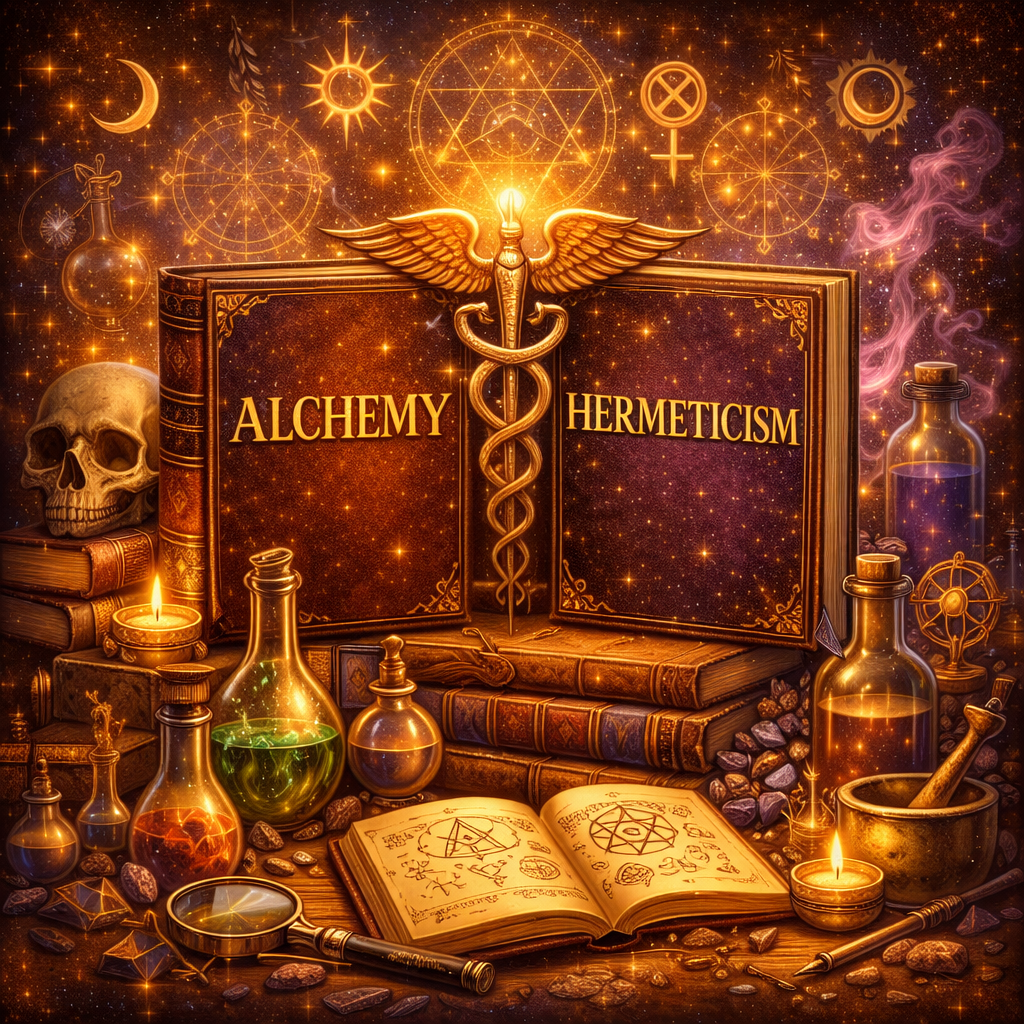

Review by Balthazar Finch (Senior Critic, Occult Philosophy) — The Book of Jezebel by R. M. Watters is a masterclass in blending historical fiction with esoteric philosophy. Watters' deep understanding of hermetic principles shines through, offering readers a rich tapestry of symbolism and hidden knowledge. The narrative's strength lies in its ability to seamlessly integrate romantic elements with profound spiritual insights, making it a must-read for both novices and seasoned practitioners of the occult. The author's meticulous attention to detail and evocative prose create an atmosphere that is both haunting and enlightening. Watters' work is a testament to the enduring relevance of mystical traditions in contemporary literature, making it an invaluable addition to any esoteric library.
📝 Description
61
R. M. Watters' Book of Jezebel presents a unique blend of alchemical allegory and romantic narrative.
This work by R. M. Watters interlaces alchemical symbolism with a romantic plot. The story unfolds in a historical setting, focusing on hermetic traditions and their philosophical underpinnings. Readers will find a narrative structure rich with esoteric references and vivid descriptions, aiming to create an engaging encounter for those interested in the occult. Watters' writing style conveys a sense of awe and revelation. The Book of Jezebel examines the human spirit's inner dimensions, blurring the lines between the tangible world and mythic concepts.
The Book of Jezebel fits within traditions that use allegory to convey spiritual and philosophical ideas, particularly those influenced by Hermeticism. Such works often employ symbolic language drawn from alchemy, astrology, and mysticism to discuss inner transformation and hidden knowledge. The book engages with themes common in esoteric literature, where outward narratives serve as vehicles for deeper, often psychological or spiritual, insights.
💡 Why Read This Book?
The Book of Jezebel is a must-read for seekers of hidden knowledge, scholars of alchemy, and practitioners of the occult. This richly layered narrative offers deep insights into hermeticism, making it an essential guide for those exploring the mysteries of the mystical world. Watters' evocative prose and intricate symbolism provide a unique perspective on ancient traditions, making it an enlightening read for anyone interested in the intersection of romance and the supernatural.
⭐ Reader Reviews
Honest opinions from readers who have explored this book.
❓ Frequently Asked Questions
What is the central theme of The Book of Jezebel?
The central theme revolves around the exploration of alchemy and hermeticism, intertwined with a romantic narrative that delves into hidden knowledge and mystical symbolism.
Who is the intended audience for this book?
The Book of Jezebel is ideal for readers interested in esoteric literature, historical fiction, and those seeking a deeper understanding of mystical traditions.
How does the book incorporate alchemy?
Alchemy is woven into the narrative through symbolic elements and philosophical themes, providing readers with a unique perspective on the hermetic arts.
Is this book suitable for beginners in the occult?
Yes, it is accessible for beginners while offering enough depth to engage experienced practitioners and scholars.
Are there any modern references in the book?
The book primarily focuses on historical and esoteric themes but offers timeless insights relevant to modern seekers of mystical knowledge.
🔮 Key Themes & Symbolism
Alchemy and Transformation
The Book of Jezebel examines the principles of alchemy, exploring the transformation of both matter and spirit. Through intricate symbolism and evocative prose, Watters illustrates the hermetic path of spiritual evolution, making it a captivating read for those interested in the mystical arts.
Romantic Symbolism
Romance in The Book of Jezebel is not merely a plot device but a vehicle for exploring deeper spiritual connections. The narrative uses romantic entanglements to reveal the hidden layers of human emotion and the quest for spiritual union, providing a unique perspective on love and the supernatural.
Hermetic Philosophy
Watters' work is deeply rooted in hermetic philosophy, offering readers a comprehensive exploration of ancient wisdom. The book's body of symbolism and hidden knowledge provides insights into the hermetic path, making it an invaluable resource for seekers of mystical truths.
💡 Key Ideas
Editorial paraphrase of the work's core concepts — not direct quotes.
In the crucible of the soul, all impurities burn away.
This quote underscores the alchemical process of purification and transformation, highlighting the spiritual journey.
Love is the philosopher's stone that turns base emotions into gold.
This line emphasizes the transformative power of love, comparing it to the alchemical process of transmutation.
The secrets of the universe are whispered in the silence between breaths.
This quote suggests that hidden knowledge can be found in moments of stillness and introspection, resonating with mystical traditions.
The path to enlightenment is paved with symbols and signs.
This line emphasizes the importance of symbolism in the quest for spiritual understanding, a central theme in the book.
In the dance of the cosmos, we are but stars in the night sky.
This quote reflects the interconnectedness of all things, a key concept in hermetic philosophy and the mystical arts.
🌙 Esoteric Significance
Tradition
The Book of Jezebel belongs to the hermetic tradition, which emphasizes the pursuit of hidden knowledge and the transformation of the self. This tradition draws on ancient wisdom and alchemical principles, offering seekers a path to spiritual enlightenment and self-discovery.
Symbolism
Key symbols in the book include the philosopher's stone, the crucible, and the alchemical process of transmutation. These symbols represent the journey of spiritual evolution and the quest for hidden truths, providing readers with a body of esoteric insights.
Modern Relevance
The themes and symbols in The Book of Jezebel remain relevant today, as modern practitioners continue to explore the mysteries of alchemy and hermeticism. This book serves as a valuable resource for those seeking to understand the enduring relevance of ancient mystical traditions in contemporary spiritual practices.
👥 Who Should Read This Book
Beginners in the occult will find The Book of Jezebel an accessible introduction to the world of alchemy and hermeticism. Scholars of esoteric literature will appreciate the depth of research and symbolism. Spiritual seekers will be drawn to the philosophical insights and transformative journey depicted in the narrative. Practitioners of the mystical arts will find it a valuable resource for deepening their understanding of ancient traditions and their modern applications.
📜 Historical Context
The Book of Jezebel is set against the backdrop of a historical era rich in alchemical and hermetic traditions. Written during a time when the pursuit of hidden knowledge was both revered and feared, this book captures the essence of a period when the boundaries between science and mysticism were blurred. The narrative's exploration of alchemy and romance reflects the cultural and intellectual climate of the time, making it an important work for understanding the historical significance of esoteric practices.
📔 Journal Prompts
How do the alchemical symbols in the book reflect your own spiritual journey?
In what ways does the romantic narrative illuminate deeper spiritual truths?
What hidden knowledge have you discovered through the themes of transformation in the book?
How does the exploration of hermetic philosophy in the narrative resonate with your personal beliefs?
What insights have you gained about the interconnectedness of all things through the book's mystical themes?
🗂️ Glossary
Alchemy
The ancient practice of transforming base metals into gold, often symbolizing spiritual transformation and the pursuit of hidden knowledge.
Hermeticism
A mystical tradition based on the writings attributed to Hermes Trismegistus, focusing on the pursuit of spiritual enlightenment and the transformation of the self.
Philosopher's Stone
A legendary alchemical substance said to be capable of turning base metals into gold and granting immortality, symbolizing the ultimate spiritual achievement.
Transmutation
The alchemical process of transforming one substance into another, often used as a metaphor for spiritual evolution and self-transformation.
Crucible
A container used in alchemy to melt and purify metals, symbolizing the process of spiritual purification and transformation.
This book appears in 3 collections
🔮 Readers Also Liked
Browse all →









From the “Hermeticism” Collection
View all →






More Free Alchemy & Hermeticism Books
View all →