Frankenstein or The Modern Prometheus
 82
82

Frankenstein or The Modern Prometheus
The enduring power of Mary Shelley's *Frankenstein* lies not in its sensationalist plot, but in its stark portrayal of intellectual hubris and its devastating aftermath. Victor Frankenstein is not merely a mad scientist; he is a cautionary figure, a Romantic idealist whose pursuit of ultimate knowledge blinds him to elemental truths about responsibility. The novel's structural brilliance, particularly the layered narration, allows the creature to articulate his own suffering, presenting a compelling counterpoint to Victor’s self-absorbed torment. A significant limitation, however, is the occasionally overwrought prose, which can sometimes distance the reader from the raw emotional core of the story. The creature's eloquent plea to Victor in Chapter 11, detailing his lonely existence and his initial benevolent inclinations before societal revulsion, remains a potent and deeply affecting passage. Shelley’s work is a somber meditation on the perils of creation without compassion.
📝 Description
82
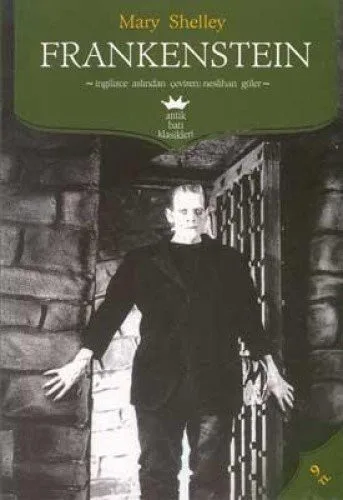
Mary Shelley published Frankenstein; or, The Modern Prometheus in 1818.
Mary Shelley's 1818 novel, Frankenstein; or, The Modern Prometheus, examines creation and scientific ambition. It follows Victor Frankenstein, a scientist who animates a sentient being from corpses. This act of hubris leads to tragedy, questioning the consequences of playing God and the nature of humanity.
The book appeals to readers interested in the philosophical aspects of science fiction and the genre's historical origins. It is for those who enjoy classic literature that confronts ethical dilemmas and darker human impulses. Students of Romanticism, literary critics, and anyone drawn to creator-creation narratives will find considerable depth. The novel invites contemplation on the limits of knowledge and the societal effects of unchecked innovation.
Published in 1818, Frankenstein emerged during the Romantic era, a time of intense interest in scientific discovery and the limits of human reason. The scientific milieu included galvanism, the study of electricity's effect on muscle tissue, which likely influenced Shelley. The novel was written amidst anxieties about rapid technological change, fueled by the French Revolution and the burgeoning Industrial Revolution. Shelley’s contemporaries debated Enlightenment ideals and their potential dangers in intellectual circles.
💡 Why Read This Book?
• Gain insight into the ethical quandaries of scientific creation, as explored through Victor Frankenstein's ambition and its consequences, directly addressing the anxieties present in the early 19th century. • Understand the literary and philosophical context of the Romantic movement by examining Shelley's engagement with themes of nature, the sublime, and the limits of human knowledge, as seen in the novel's publication year of 1818. • Analyze the concept of the 'other' and societal prejudice through the creature's narrative, learning how his rejection shapes his identity and actions, a central conflict within the book.
⭐ Reader Reviews
Honest opinions from readers who have explored this book.
❓ Frequently Asked Questions
What is the meaning of 'The Modern Prometheus' in the title?
The subtitle 'The Modern Prometheus' links Victor Frankenstein to the Greek myth of Prometheus, who stole fire (knowledge) from the gods for humanity and was punished. Victor, similarly, attempts to usurp the divine power of creating life, facing severe repercussions for his transgression.
When was Frankenstein first published and by whom?
Frankenstein; or, The Modern Prometheus was first published anonymously in London on January 1, 1818, by Lackington, Hughes, Harding, Mavor, and Jones. Mary Shelley was only 20 years old at the time of its publication.
What scientific ideas influenced Mary Shelley when writing Frankenstein?
The novel was influenced by contemporary scientific discussions, particularly those surrounding galvanism, the study of electricity's effect on living tissues. This fascination with reanimation through electrical or chemical means provided a plausible, albeit fictional, basis for Victor's experiment.
Is Frankenstein considered an early science fiction novel?
Yes, Frankenstein is widely regarded as one of the earliest examples of science fiction. It features a scientific premise (reanimation of life), explores its potential consequences, and delves into the ethical implications of technological advancement, hallmarks of the genre.
What is the significance of the creature's education and self-teaching?
The creature's self-education through observing the De Lacey family and reading texts like Plutarch's Lives and Goethe's Sorrows of Young Werther is crucial. It demonstrates his innate capacity for learning and empathy, contrasting sharply with the monstrous actions he later takes due to societal rejection.
How does the theme of isolation manifest in the novel?
Isolation is a central theme affecting both Victor and his creation. Victor isolates himself through his obsessive work and guilt, while the creature is ostracized and rejected by humanity, leading to his profound loneliness and eventual descent into vengeance.
🔮 Key Themes & Symbolism
The Perils of Forbidden Knowledge
Victor Frankenstein's relentless pursuit of the secret of life represents the dangerous allure of knowledge that transgresses natural or divine laws. This theme carries the myth of Prometheus, who suffered eternal punishment for gifting fire to humanity. Shelley uses Victor's obsessive quest to explore the ethical boundaries of scientific inquiry, suggesting that some knowledge, pursued without wisdom or moral consideration, leads only to destruction. The act of creation itself becomes a symbol of hubris, the ultimate transgression that unravels both the creator's life and the existence of his creation.
Creator vs. Creation Responsibility
Fundamentally, Frankenstein is a profound exploration of the duties owed by a creator to their creation. Victor, horrified by the grotesque appearance of his animated being, abandons it immediately, shirking all responsibility. This abandonment is the catalyst for the creature's suffering and subsequent malevolence. The narrative forces readers to confront the idea that nurture, empathy, and acceptance are vital components of a sentient being's development. The creature's eloquent articulation of his pain and loneliness serves as a powerful indictment of Victor's negligence and society's prejudice.
The Nature of Humanity and Monstrosity
Shelley masterfully inverts traditional notions of monstrosity. While the creature is physically hideous, his initial disposition is one of innocence and a desire for connection. It is the relentless rejection and cruelty he faces from humanity, beginning with his creator, that transforms him into a vengeful being. Conversely, Victor, the outwardly 'human' protagonist, exhibits profound moral failings: selfishness, cowardice, and a chilling lack of empathy. The novel challenges readers to question what truly defines humanity – appearance, or actions and moral capacity?
Ambition and Isolation
Victor Frankenstein's ambition is not merely intellectual curiosity; it is a consuming obsession that leads him to isolate himself from family, friends, and societal norms. This self-imposed solitude fuels his destructive endeavors. Similarly, the creature's physical appearance ensures his perpetual isolation, a condition that breeds despair and hatred. Both characters become trapped in cycles of loneliness, demonstrating how unchecked ambition and societal ostracization can lead to profound psychological torment and destructive behavior.
💬 Memorable Quotes
Direct passages from the work, attributed to the author.
“I ought to be thy god, and Clothe thee with such garments of flesh as ample means may furnish.”
— Victor's initial, grandiose vision of his role as creator. This declaration of intent starkly contrasts with his immediate abandonment of the creature, highlighting his ultimate failure in responsibility.
“I was benevolent and good; misery made me a fiend.”
— A direct statement from the creature articulating how his suffering and rejection by society, starting with Victor, corrupted his initially benevolent nature. It is a powerful plea for understanding.
“Learn from me, if not by my precepts, at least by my example, how dangerous is the acquirement of knowledge.”
— Victor's dying words to Robert Walton, serving as a final warning. This captures the novel's cautionary message about the pursuit of knowledge without ethical grounding or consideration of consequences.
“Shall I not then hate them who abhor me?”
— The creature's rhetorical question expressing his justifiable anger and sense of injustice. Faced with universal hatred due to his appearance, he concludes that hatred is a logical response.
💡 Key Ideas
Editorial paraphrase of the work's core concepts — not direct quotes.
It was on a dreary night of November that I beheld the accomplishment of my toils.
This line marks the central moment of Victor's creation. It captures the grim atmosphere surrounding his scientific triumph, hinting immediately at the dark consequences that will follow this 'accomplishment'.
🌙 Esoteric Significance
Tradition
While not explicitly tied to a single esoteric tradition, *Frankenstein* speaks to Gnostic and Hermetic themes concerning the flawed nature of the material world and the dangers of 'knowledge' divorced from wisdom. The Gnostic concept of a lesser creator (Demiurge) who fashions an imperfect world, and humanity's subsequent alienation, finds echoes in Victor's flawed creation and its suffering. Hermeticism’s emphasis on 'As Above, So Below' and the potentia of human will aligns with Victor's ambition, yet Shelley’s narrative serves as a powerful critique of unchecked will without divine or ethical alignment.
Symbolism
The act of animation itself symbolizes the Gnostic rebellion against natural order and the pursuit of forbidden knowledge. Victor's laboratory, a place of unnatural creation, stands as a symbol of hubris and the transgression of sacred boundaries. The creature, a composite being stitched together from disparate parts, can be interpreted as a symbol of the fragmented self or the alchemical 'prima materia' poorly handled, representing the potential for monstrosity when creation lacks a divine spark or ethical foundation.
Modern Relevance
Contemporary discussions surrounding artificial intelligence, bioethics, and genetic engineering frequently reference *Frankenstein*. Thinkers exploring transhumanism, the ethics of synthetic life, and the potential for unintended consequences in technological advancement draw parallels to Shelley's narrative. The concept of the 'uncanny valley' and the philosophical questions surrounding consciousness and personhood in non-biological entities echo the creature's plight and the novel's central inquiries into what constitutes life and humanity.
👥 Who Should Read This Book
• Students of Gothic literature and Romanticism: To understand a foundational text that grapples with themes of the sublime, nature, and the darker aspects of the human psyche prevalent in the early 19th century. • Aspiring scientists and ethicists: To engage with a powerful cautionary tale about the responsibilities accompanying scientific discovery and the potential consequences of ambition unchecked by moral consideration. • Readers interested in philosophical fiction: To explore enduring questions about creation, identity, prejudice, and the definition of humanity through a compelling narrative structure and complex characters.
📜 Historical Context
Mary Shelley's *Frankenstein; or, The Modern Prometheus*, published in 1818, emerged from the fertile intellectual soil of the Romantic era. This period was characterized by a fascination with the power of nature, the limits of human reason, and the potential dangers of scientific overreach, particularly evident in studies like galvanism. The novel's genesis during a famously stormy summer near Lake Geneva in 1816, amidst discussions with fellow Romantics like Lord Byron and Percy Bysshe Shelley, placed it at the heart of contemporary intellectual currents. While the Enlightenment championed reason, Romanticism often explored the darker, irrational aspects of the human psyche and the sublime. Contemporaries like Byron himself were also engaged in gothic narratives and explorations of the Promethean figure, though Shelley's unique focus on the ethical responsibilities of creation set her work apart. The novel's reception was initially complex, with its anonymous publication leading to speculation about authorship and its radical themes sparking debate.
📔 Journal Prompts
Victor Frankenstein's ambition and its ultimate cost.
The creature's initial benevolence versus his later actions.
Robert Walton's Arctic expedition as a parallel to Victor's quest.
Societal rejection and its impact on the creature's identity.
The ethical implications of Victor's scientific 'success'.
🗂️ Glossary
Galvanism
A scientific theory and practice in the late 18th and early 19th centuries involving the use of electricity to stimulate muscle contraction in dead organisms. It was a key influence on Shelley's conception of reanimation.
Prometheus
In Greek mythology, a Titan who stole fire from the gods to give to humanity and was punished eternally. The 'Modern Prometheus' refers to Victor Frankenstein's act of usurping the power of creation.
Hubris
Excessive pride or self-confidence, often leading to a downfall. Victor's ambition to create life represents a form of hubris, challenging natural or divine limits.
Romanticism
An artistic, literary, and intellectual movement emphasizing emotion, individualism, glorification of the past and nature, and opposition to rationalism. Frankenstein is a key work of Gothic Romanticism.
The Sublime
A concept in aesthetics referring to experiences of awe, terror, and grandeur, often evoked by vast or powerful natural phenomena. This theme is prevalent in Romantic literature, including descriptions of the Arctic landscape.
Demiurge
In Gnosticism, a lesser, often flawed creator deity responsible for fashioning the material universe. Victor's creation can be seen as analogous to a flawed demiurge.
Alchemical Prima Materia
In alchemy, the raw, unformed matter from which all substances are derived. The creature, assembled from disparate parts, can symbolize this material in a corrupted or poorly managed state.
🔮 Readers Also Liked
Browse all →








More by Mary Shelley
All books →

More Free Spiritualism & Afterlife Books
View all →