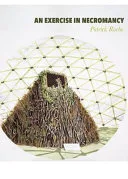
An Exercise in Necromancy
 72
72

An Exercise in Necromancy
Patrick Roche’s "An Exercise in Necromancy" offers a stark, unvarnished look at the self, a characteristic that defines its "New Confessional" stance. The poems possess a clipped, urgent energy, as if each line is a necessary exhalation. Roche excels at crafting moments of piercing clarity, such as the visceral descriptions of emotional states that feel both deeply personal and universally relatable. The work’s primary strength lies in its refusal to soften its edges; it’s a direct confrontation with pain and memory. A potential limitation might be the very intensity that makes it compelling; some readers may find the sustained rawness challenging. The piece, "The Day I Almost Died," exemplifies this with its unflinching account of a near-fatal event, rendered with brutal honesty. "An Exercise in Necromancy" is a powerful dispatch from the contemporary confessional, demanding attention through its sheer, unadorned force.
📝 Description
72
Patrick Roche's 2017 collection, An Exercise in Necromancy, confronts personal trauma with stark language.
An Exercise in Necromancy is a poetry collection by Patrick Roche, published in 2017. It emerged from New York City's poetry scene, connected to The Operating System press. The book is known for its directness and raw emotional honesty, often labeled as 'New Confessional' poetry. Roche uses sharp, visceral imagery to convey intense emotional states. The title suggests a process of confronting and reanimating past experiences or dormant aspects of the self through writing.
This collection appeals to readers who appreciate contemporary poetry that tackles difficult emotions and personal experiences with clear candor. It is of interest to those following the development of confessional poetry and the work of newer literary voices, especially within urban poetry communities. Roche's approach aligns with experimental and avant-garde publishing, distinguishing his modern take from earlier confessional styles through its immediate and stark presentation.
Within the broader landscape of contemporary magical practice and occult literature, An Exercise in Necromancy uses the metaphor of necromancy not as a literal evocation, but as a symbolic act of confronting and transforming buried psychological material. The poems engage with the idea of summoning and reanimating fragmented or deadened parts of the self, akin to working with shadow aspects or ancestral energies. This aligns with certain modern occult traditions that focus on inner alchemy and psychological resurrection rather than external ritual.
💡 Why Read This Book?
• Gain a visceral understanding of "New Confessional" poetry through Roche's direct engagement with personal trauma, as seen in poems addressing the aftermath of intense experiences. • Experience the raw power of language as a tool for confronting difficult memories, exemplified by the "necromancy" theme of reanimating the past through verse. • Connect with the contemporary urban poetry scene via its origin with The Operating System and the Bowery Poetry imprint, a specific cultural moment in 2017.
⭐ Reader Reviews
Honest opinions from readers who have explored this book.
❓ Frequently Asked Questions
What is the "New Confessional" style in Patrick Roche's poetry?
The "New Confessional" style, as applied to Patrick Roche's "An Exercise in Necromancy" (2017), signifies a modern evolution of confessional poetry. It's characterized by directness, raw emotional honesty, and unflinching engagement with personal experiences, often using stark and urgent language.
Who is Bob Holman and what did he say about An Exercise in Necromancy?
Bob Holman is a prominent figure in the New York City poetry scene, known for his work with the Bowery Poetry Club. He described "An Exercise in Necromancy" as featuring "simple explosions" and representing "the New Confessional - direct, unflinching, pure."
What does the title 'An Exercise in Necromancy' imply about the book's themes?
The title suggests a poetic process of confronting and reanimating aspects of the past, the self, or even what feels 'dead' within. It implies a transformative act through writing, akin to summoning or engaging with spirits, but applied to personal history and memory.
What is The Operating System and its connection to this book?
The Operating System is an independent publisher and arts organization. They presented Patrick Roche's "An Exercise in Necromancy" on their Bowery Poetry imprint, highlighting the book's emergence from a specific, active contemporary poetry community in New York City.
When was Patrick Roche's An Exercise in Necromancy first published?
Patrick Roche's "An Exercise in Necromancy" was first published in 2017. This places it within the contemporary landscape of American poetry, following the resurgence of interest in confessional styles.
What kind of imagery can be found in this poetry collection?
The collection employs sharp, often visceral imagery. Roche uses striking language to convey intense emotional states and personal experiences, making the abstract feelings of pain, memory, and identity tangible for the reader.
🔮 Key Themes & Symbolism
The 'New Confessional'
This collection defines itself as "New Confessional" poetry, a label that signals a departure from or evolution of earlier confessional movements. It emphasizes a direct, immediate, and often unadorned presentation of personal experience and emotional turmoil. Unlike some earlier confessional works that might employ more elaborate metaphor or a sense of historical distance, Roche's approach, as highlighted by Bob Holman's description, is characterized by "simple explosions" – brief, intense bursts of feeling and perception that feel urgent and present.
Necromancy as Poetic Process
The title "An Exercise in Necromancy" points to a central metaphor for the act of writing poetry itself. Necromancy, traditionally the practice of communicating with the dead, is re-contextualized here as a method of engaging with past selves, buried traumas, or forgotten aspects of identity. The poems serve as the "exercise," a ritualistic process through which the poet confronts, reanimates, and perhaps transforms these elements, giving them voice and form in the present moment.
Visceral Language and Imagery
A hallmark of Roche's style is his use of sharp, often visceral language and imagery. He does not shy away from the difficult or unpleasant aspects of human experience, instead confronting them directly. This creates a powerful, sometimes unsettling, connection with the reader. The poems are characterized by their starkness and their ability to make abstract emotional states feel palpable, grounding intense psychological experiences in concrete, sensory details.
Urban Poetry Scene Context
Published in 2017 by The Operating System on its Bowery Poetry imprint, the collection is situated within a specific contemporary literary context. This association links the work to the vibrant, often experimental, poetry communities found in urban centers like New York City. It reflects a particular moment in poetry where independent presses and spoken-word traditions significantly influence published works, fostering a direct and engaged form of literary expression.
💬 Memorable Quotes
Direct passages from the work, attributed to the author.
“poems just don't get newer, fresher, or more timely than Patrick Roche's simple explosions.”
— This statement by Bob Holman positions Roche's work as cutting-edge within contemporary poetry, emphasizing its immediate relevance and impactful, concise delivery.
“The New Confessional - direct, unflinching, pure.”
— This phrase expresses the core aesthetic of the collection, highlighting its radical honesty and lack of embellishment in exploring personal subject matter.
“Winner of the 2017 Annual Bowery Poetry Chapbook Slam Competition”
— This award signifies recognition within a competitive spoken-word and poetry performance circuit, underscoring the book's connection to performance-based literary traditions.
“presented by The Operating System on a new Bowery Poetry imprint.”
— This contextualizes the book within a specific publishing house known for avant-garde and experimental literature, signaling its place in contemporary small-press culture.
“simple explosions.”
— This evocative phrase suggests that the poems are compact yet powerful, delivering intense emotional or conceptual impact in a concise format.
🌙 Esoteric Significance
Tradition
While not explicitly tied to a single historical esoteric tradition, "An Exercise in Necromancy" engages with themes that resonate with alchemical and Hermetic principles of transformation and working with primal forces. The title itself, "necromancy," invokes a form of spiritual or magical practice focused on accessing hidden knowledge or energies, akin to divination or spirit invocation. The "exercise" suggests a practical, almost ritualistic, application of this engagement, aligning with the active, experiential approach often found in esoteric disciplines.
Symbolism
The central symbolic act is 'necromancy,' interpreted not as literal spirit summoning but as a metaphor for confronting and reanimating dormant or suppressed aspects of the self – past traumas, buried emotions, or fragmented identities. The "exercise" itself symbolizes the poetic process as a ritual of transformation, where raw material (memory, pain) is transmuted into art. The "explosions" mentioned in promotional material suggest sudden bursts of energy or insight, akin to moments of gnosis or revelation within a mystical context.
Modern Relevance
Contemporary practitioners of somatic therapies, trauma-informed writing workshops, and certain strands of modern occultism that emphasize psychological integration and self-actualization can find parallels in Roche's work. The "New Confessional" approach, with its emphasis on direct, unflinching self-exploration, appeals to modern therapeutic discourse and contemporary spiritual practices that prioritize authentic expression and the reclamation of personal narrative. The book serves as an example of how poetic language can function as a tool for psychological and spiritual excavation in the 21st century.
👥 Who Should Read This Book
• Students of contemporary American poetry seeking to understand the evolution of confessional styles beyond the mid-20th century, particularly the "New Confessional" movement. • Readers interested in the intersection of poetry, personal testimony, and raw emotional expression, who appreciate direct and unflinching literary approaches. • Participants in or observers of urban poetry communities and independent publishing, specifically those connected to the New York City scene represented by The Operating System and Bowery Poetry.
📜 Historical Context
Published in 2017, Patrick Roche's "An Exercise in Necromancy" emerged within a dynamic period for contemporary American poetry. The "New Confessional" label, as applied by figures like Bob Holman, situated the work in a lineage that followed the impactful confessional poets of the mid-20th century, such as Sylvia Plath and Robert Lowell. However, Roche's approach, as championed by The Operating System and its Bowery Poetry imprint, leaned towards a starker, more immediate, and less traditionally literary presentation. This contrasted with more academic or formally experimental poetry movements of the era, prioritizing raw emotional output. The book's success in the 2017 Annual Bowery Poetry Chapbook Slam Competition highlights the ongoing vitality of performance-driven poetry and its influence on published works, demonstrating a significant reception event within the urban poetry scene.
📔 Journal Prompts
The "simple explosions" of language in Roche's work: What present-day emotional state do they most vividly capture for you?
Reflecting on the "New Confessional" approach, how does directness in poetry alter your perception of vulnerability?
Consider the "exercise" of necromancy as a metaphor: What dormant aspect of your past might writing help you reanimate?
The "Bowery Poetry" context: How does the origin of a collection influence your interpretation of its themes?
Analyze the visceral imagery: What sensory details in the book create the strongest emotional impact?
🗂️ Glossary
New Confessional
A contemporary poetic style characterized by direct, unflinching, and often raw engagement with the poet's personal experiences, emotions, and traumas.
Necromancy
In the context of the book's title, this refers metaphorically to the act of confronting, reanimating, or transforming aspects of the past, memory, or the self through the process of writing.
Simple Explosions
A description of Roche's poems, suggesting they are compact, intense, and deliver a powerful impact in a concise format.
The Operating System
An independent publisher and arts organization that released "An Exercise in Necromancy" on its Bowery Poetry imprint.
Bowery Poetry
An imprint associated with The Operating System, linked to the legacy and spirit of the Bowery Poetry Club in New York City, often publishing contemporary and performance-oriented poetry.
Chapbook Slam Competition
A literary competition, often associated with spoken word and performance poetry events, where poets compete for recognition and publication, such as the one won by Roche in 2017.
Visceral Imagery
Poetic language that appeals directly to the senses and bodily feelings, often creating a strong, immediate, and sometimes raw emotional response.