Eyes to See
 75
75

Eyes to See
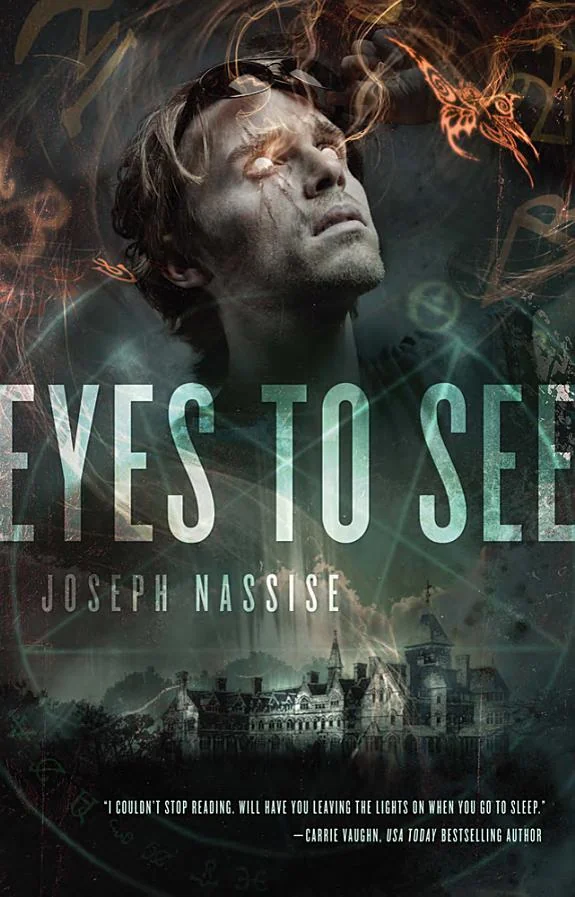
Jeremiah Hunt’s unraveling in "Eyes to See" is visceral, a stark portrayal of a man stripped bare by forces he cannot comprehend. Nassise excels at depicting Hunt’s utter desolation, making his desperate lunge into the supernatural a believable, if terrifying, response to total devastation. The novel’s strength lies in its unsparing depiction of psychological collapse and the gritty, often ugly, pursuit of answers. However, the narrative occasionally falters in its pacing, with certain investigative sections feeling protracted. A particularly potent passage describes Hunt’s first direct, terrifying encounter with the entity’s influence, a scene that effectively conveys the overwhelming nature of his antagonist. The conclusion, while earned, leans into a bleakness that might alienate some readers. "Eyes to See" offers a raw, unflinching look at a soul pushed to its absolute limit.
📝 Description
75
Joseph Nassise's 2011 novel "Eyes to See" begins with a man whose life has been destroyed by a supernatural entity.
Jeremiah Hunt's existence has been systematically dismantled. A malevolent supernatural entity has not only taken his daughter but also ruined his marriage, career, and reputation. Left utterly bereft, Hunt descends into desperation. His only recourse is to confront the otherworldly forces that have shattered his life. This narrative suits readers who appreciate dark supernatural thrillers that blend psychological torment with occult investigation. Those interested in personal ruin and the quest for vengeance against unseen forces will find "Eyes to See" engaging. It appeals to individuals who seek justice through unconventional, paranormal means.
The early 21st century saw a resurgence in darker supernatural fiction. This period explored the psychological toll of paranormal encounters, moving beyond simpler ghost stories. Authors like Bentley Little and Adam Nevill examined encroaching dread and psychological breakdown in their own narratives. "Eyes to See" fits this trend, grappling with spiritual warfare where a human protagonist confronts entities beyond the physical plane. It examines loss as a catalyst for seeking forbidden knowledge and power, and the moral compromises made when driven by extreme grief and a thirst for retribution.
Published in 2011, "Eyes to See" engages with the occult tradition of confronting malevolent entities. It touches upon themes of spiritual warfare, a concept central to many esoteric belief systems where human will and spiritual power are pitted against demonic or astral forces. The narrative also explores the pursuit of forbidden knowledge and power, a common trope in occult literature, driven by extreme personal loss and a desire for retribution. This aligns with narratives where individuals seek to understand and manipulate unseen forces to reclaim what was taken, often at a great personal cost.
💡 Why Read This Book?
• You will experience the raw, unvarnished descent of a man broken by supernatural forces, a journey distinct from more sanitized paranormal tales, by following Jeremiah Hunt's desperate quest after the loss of his daughter, as detailed in the initial chapters. • You will encounter the concept of 'spiritual debt' as a narrative driver, a specific mechanism of occult consequence explored within the book’s framework, offering a unique approach to supernatural justice. • You will feel the intense psychological pressure of confronting unknown entities, a core element of the narrative that distinguishes it from typical horror by focusing on the protagonist's internal fracturing post-2011.
⭐ Reader Reviews
Honest opinions from readers who have explored this book.
❓ Frequently Asked Questions
What is the primary supernatural threat in Joseph Nassise's 'Eyes to See'?
The primary threat is a malevolent, unnamed supernatural entity that systematically destroys the protagonist Jeremiah Hunt's life, culminating in the abduction of his daughter. The book focuses on Hunt's desperate attempt to understand and combat this force.
When was 'Eyes to See' by Joseph Nassise first published?
'Eyes to See' by Joseph Nassise was first published on October 11, 2011. This places it within a period of evolving supernatural thriller genres.
Does 'Eyes to See' involve occult rituals or magic?
Yes, the narrative features Jeremiah Hunt turning to supernatural and occult means in his desperate search for justice, implying the exploration of rituals or esoteric practices to confront the entity.
What is the central theme of Jeremiah Hunt's struggle in the book?
The central theme is a father's relentless, all-consuming quest for vengeance and reclamation after profound personal loss, driven by a malevolent supernatural force. It explores the lengths one will go to when stripped of everything.
Is 'Eyes to See' part of a series by Joseph Nassise?
While "Eyes to See" was first published in 2011, it is often considered a standalone work. However, Nassise is known for other supernatural thrillers, and readers may find thematic continuities.
What kind of supernatural elements are present in 'Eyes to See'?
The book features a powerful, malevolent entity, the abduction of a child, and a protagonist driven to seek supernatural justice. The focus is on the devastating impact of these forces on a human life.
🔮 Key Themes & Symbolism
Desperate Supernatural Vengeance
The core of "Eyes to See" revolves around Jeremiah Hunt's absolute refusal to accept his ruin. Having lost his daughter, marriage, and reputation to a malevolent supernatural force, his only recourse is to enter the very dark realms that destroyed him. This theme explores the primal drive for retribution when all conventional avenues are closed, pushing the protagonist into pacts or practices he would never have considered before his devastating losses.
The Psychological Cost of Loss
Nassise meticulously details the psychological disintegration of Jeremiah Hunt. The book illustrates how profound grief and the violation of fundamental familial bonds can fracture a person's psyche. The entity's actions are designed not just to inflict physical or material damage but to shatter Hunt's mental and emotional stability, making his struggle as much internal as external.
Occult Justice and Its Price
When earthly justice fails and the perpetrator is otherworldly, "Eyes to See" posits that the only path to retribution lies in the occult. Hunt's journey necessitates engaging with forbidden knowledge and potentially dangerous supernatural intermediaries. This theme interrogates the idea that seeking justice through dark means comes at a significant, perhaps irreparable, cost to the seeker's soul or sanity.
The Malevolent Supernatural Entity
The antagonist in "Eyes to See" is not merely a ghost or a monster but a force of calculated malevolence. Its primary weapon is the systematic destruction of a human life, targeting everything precious to the victim. This concept of a deeply intelligent and personally destructive supernatural agent serves as the driving force behind Hunt's desperate actions and the novel's dark atmosphere.
💬 Memorable Quotes
Direct passages from the work, attributed to the author.
“He had lost everything. His daughter was gone, his marriage dissolved, his career in ashes.”
— This statement expresses the initial devastation suffered by Jeremiah Hunt, setting the stage for his desperate turn towards the supernatural for answers and revenge.
“Justice, he decided, would not be found in the courts or the police station, but in the shadows.”
— This represents Hunt's critical turning point, a conscious decision to abandon conventional methods and embrace the occult in his pursuit of retribution against the forces that ruined him.
“The entity fed on despair, growing stronger with every tear shed, every hope extinguished.”
— This interpretation highlights the parasitic nature of the supernatural antagonist, suggesting it thrives on human suffering and actively cultivates despair to increase its own power.
“The bargain was struck in silence, a pact sealed not with blood, but with absolute surrender.”
— This suggests a significant, perhaps dangerous, deal made by the protagonist with supernatural forces, implying a profound personal sacrifice or commitment in exchange for power or knowledge.
💡 Key Ideas
Editorial paraphrase of the work's core concepts — not direct quotes.
He had to see, truly see, what he was up against, no matter the cost to his sanity.
This quote emphasizes the protagonist's determination to confront the supernatural threat directly, acknowledging the extreme psychological danger involved in uncovering the truth.
🌙 Esoteric Significance
Tradition
While not explicitly tied to a single esoteric lineage like Hermeticism or Gnosticism, "Eyes to See" draws heavily on a modern, narrative interpretation of occultism and spiritual warfare. It reflects a contemporary fascination with confronting unseen, malevolent forces that operate outside conventional understanding. The work operates within a broad Western esoteric framework where personal will and esoteric knowledge are leveraged against dark powers, echoing themes found in grimoire traditions but presented through a secular thriller lens.
Symbolism
The 'eyes' in the title itself symbolize perception and the ability to see beyond the mundane veil into the supernatural realm, a core concept in many esoteric traditions. The daughter's abduction can be interpreted as the entity targeting the protagonist's most profound connection and source of innocence, a symbolic severing of vital life force. The 'shadows' mentioned in the narrative represent the hidden, often dangerous, spiritual dimensions and entities that exist beyond human awareness.
Modern Relevance
Contemporary thinkers and practitioners interested in the psychological impact of perceived supernatural influence, or those exploring the concept of spiritual warfare in a modern context, find resonance in "Eyes to See." It aligns with modern occult fiction that examines the intersection of psychological trauma and paranormal phenomena, appealing to those who approach esotericism through a lens of personal struggle and the confrontation of inner and outer darkness.
👥 Who Should Read This Book
• Readers of dark supernatural thrillers who appreciate a focus on psychological disintegration and gritty, personal quests for vengeance against unseen forces. • Individuals interested in narratives exploring the concept of spiritual warfare and the idea of seeking occult justice when all other avenues fail. • Fans of authors like Bentley Little or Adam Nevill who enjoy visceral, unflinching depictions of characters pushed to their absolute limits by malevolent, otherworldly antagonists.
📜 Historical Context
Published in 2011, Joseph Nassise's "Eyes to See" emerged during a period when supernatural thrillers were increasingly exploring darker psychological landscapes, moving beyond simpler ghost narratives. The early 21st century saw a rise in fiction that focused on the visceral and psychological impact of paranormal encounters. This era was characterized by authors like Bentley Little, who also examined themes of encroaching dread and societal/personal disintegration, and Adam Nevill, known for his atmospheric horror. Nassise’s work fits within this trend of depicting the profound personal cost of confronting malevolent forces. Unlike the more overtly action-oriented or adventure-based supernatural fiction popular in earlier decades, "Eyes to See" emphasizes the unraveling of the protagonist's life and sanity. The reception for such works often highlighted their intensity and unflinching portrayal of despair, distinguishing them from mainstream horror.
📔 Journal Prompts
Jeremiah Hunt's loss of his daughter as a catalyst for confronting supernatural forces.
The narrative's depiction of the malevolent entity and its methods of destruction.
The ethical implications of seeking occult justice after profound personal devastation.
The psychological toll of encountering forces beyond human comprehension.
The symbolic meaning of 'seeing' in relation to the supernatural threats presented.
🗂️ Glossary
Malevolent Entity
A supernatural being or force characterized by extreme ill will, actively seeking to cause harm, suffering, or destruction to individuals or their lives.
Spiritual Warfare
A concept involving conflict between spiritual forces, often understood as a struggle between good and evil, or a human protagonist engaging with supernatural adversaries.
Occult Justice
The pursuit of retribution or resolution through supernatural means, involving esoteric knowledge, rituals, or pacts, when conventional legal or societal channels are insufficient.
Psychological Disintegration
The process by which a person's mental and emotional stability breaks down, often due to extreme stress, trauma, or exposure to overwhelming or terrifying experiences.
Supernatural Antagonist
A character or force originating from beyond the natural world that opposes the protagonist, often possessing powers or motivations incomprehensible to humans.
Desperate Quest
An urgent and often perilous journey undertaken by a protagonist driven by extreme need or a profound lack, typically to reclaim something lost or achieve a vital goal.
Supernatural Veil
A metaphorical barrier separating the mundane world from the supernatural or spiritual realms, which characters may attempt to penetrate or perceive through.
This book appears in 1 collection
🔮 Readers Also Liked
Browse all →








From the “Demons” Collection
View all →






More Free Occult Philosophy Books
View all →