Eyes of the Tarot
 64
64

Eyes of the Tarot



Lorelei Sage (Contemplative Literature Editor) — Bruce Coville's 'Eyes of the Tarot' offers a surprisingly profound entry into the world of esoteric symbolism, particularly for younger readers. The narrative skillfully weaves a tale of supernatural discovery around the archetypal imagery of the Tarot, demystifying its potent energies without sacrificing their mystique. Coville’s strength lies in his ability to imbue familiar elements of childhood fiction with a genuine sense of occult wonder, highlighting the interconnectedness of fate and personal choice. This book is an excellent primer for budding practitioners or anyone fascinated by the philosophical underpinnings of divination, encouraging a thoughtful engagement with the symbolic language of the Tarot and the unseen forces it represents. It sparks curiosity about ancient wisdom traditions.
📝 Description
64
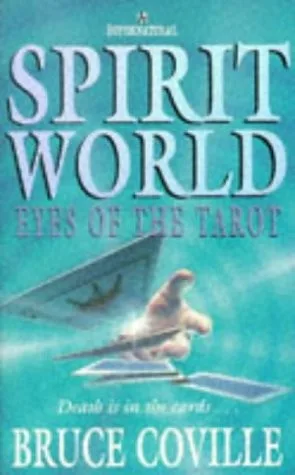
Bruce Coville's 1989 novel 'Eyes of the Tarot' begins with a child finding a magical deck.
In Bruce Coville's 1989 novel, 'Eyes of the Tarot,' young Bonnie discovers an old deck of cards in an attic. These are no ordinary playing cards; they are a conduit to a deeper understanding of the world. As Bonnie interacts with the deck, she begins to perceive subtle energies and the interconnectedness of fate and personal choice.
The narrative follows Bonnie's awakening to these unseen forces. Coville builds an atmosphere of mystery and occult discovery, framing the story as more than just a children's tale. It touches on the allure of the unknown and the fundamental questions surrounding divination and destiny. The book encourages readers to look past the surface of everyday life and consider the archetypal powers that influence our existence.
'Eyes of the Tarot' suggests that significant truths are often readily available, waiting to be recognized by those who pay attention. The story invites contemplation on how symbols and intuition can reveal hidden aspects of reality.
This novel engages with the esoteric tradition of divination, specifically the Tarot, as a tool for understanding hidden realities. It touches upon concepts of subtle energies and archetypes, common in Western esotericism. The narrative presents the Tarot not just as a predictive system, but as a symbolic language capable of revealing deeper truths about existence, fate, and individual agency. It frames the discovery of esoteric knowledge as an awakening, accessible even to a young protagonist, suggesting that these forces are woven into the fabric of the world.
💡 Why Read This Book?
Embark on a journey of hidden knowledge and potent symbolism. 'Eyes of the Tarot' unlocks the mystical potential within an ancient card deck, revealing its profound connection to destiny and the unseen world. Ideal for young seekers and adult aficionados alike, this book offers an accessible yet captivating introduction to the esoteric arts, fostering a deeper understanding of archetypal energies and the art of divination. Discover the magic that lies dormant, waiting to be awakened.
⭐ Reader Reviews
Honest opinions from readers who have explored this book.
❓ Frequently Asked Questions
What is the primary esoteric theme explored in 'Eyes of the Tarot'?
The primary esoteric theme is the awakening of psychic potential and the understanding of fate and free will through the symbolic language of the Tarot, presented as a gateway to hidden cosmic forces.
Is this book suitable for complete beginners to Tarot?
Yes, the book uses a narrative approach to introduce Tarot concepts, making it an accessible and engaging entry point for those unfamiliar with the cards.
Does the book delve into specific Tarot card meanings?
While not a technical manual, the story naturally illustrates the impact and thematic essence of various Tarot archetypes as they influence the protagonist's journey.
What age group is 'Eyes of the Tarot' generally recommended for?
The book is categorized as juvenile fiction but possesses themes that can resonate with readers of all ages interested in fantasy, mystery, and the occult.
Can this book inspire actual Tarot practice?
Absolutely. Its engaging narrative and exploration of Tarot's power can ignite a curiosity to learn more about reading and working with the cards.
🔮 Key Themes & Symbolism
The Unveiling of Hidden Potentials
The narrative intricately explores the concept of latent abilities lying dormant within individuals, waiting for the right catalyst to awaken them. Bonnie's discovery of the Tarot deck serves as this catalyst, revealing that profound inner powers, often dismissed as mere fantasy, are real and accessible. This theme speaks to the universal human desire to transcend limitations and tap into a deeper, more potent aspect of oneself, suggesting that the universe often provides the tools for self-discovery when we are open to its mysteries. The book encourages readers to look beyond the mundane and recognize the extraordinary potential that resides within the ordinary.
Symbolism as a Cosmic Language
Fundamentally, , 'Eyes of the Tarot' champions the idea that the universe communicates through a body of symbols. The Tarot deck, with its archetypal imagery, becomes a conduit for understanding this cosmic language. Each card is not just a picture, but a key to unlocking deeper meanings about life, fate, and the human condition. The book illustrates how recognizing and interpreting these symbols can lead to clear insights and a more nuanced understanding of the forces at play in our lives. It posits that by learning to read the symbols, we can begin to decipher the patterns of destiny and gain agency over our paths.
The Interplay of Fate and Free Will
A central philosophical inquiry within the narrative is the delicate balance between predetermined destiny and the power of individual choice. As Bonnie engages with the Tarot, she confronts situations that seem fated, yet discovers that her actions and decisions have a significant impact on the unfolding of events. The book suggests that while certain paths may be laid out, our free will is the force that navigates them, shaping the ultimate outcome. This nuanced perspective encourages readers to consider their own lives, acknowledging the influence of external forces while celebrating the power of personal agency and conscious decision-making.
💬 Memorable Quotes
Direct passages from the work, attributed to the author.
“Attic dust held more than memories; it held magic.”
— This highlights the theme of hidden wonders in ordinary places, implying that overlooked spaces can be repositories of profound, magical energy and forgotten knowledge.
“Each image was a door to a different reality.”
— This emphasizes the symbolic and multidimensional nature of the Tarot, portraying each card as a gateway to understanding various aspects of existence and consciousness.
“Her grandmother's attic was a forgotten library of the soul.”
— This metaphorical description positions the attic not just as a storage space but as a profound source of spiritual and psychological wisdom, accessible through introspection and discovery.
💡 Key Ideas
Editorial paraphrase of the work's core concepts — not direct quotes.
The cards whispered secrets the wind carried.
This quote evokes the subtle, intuitive nature of Tarot readings, suggesting that the messages from the cards are not loud pronouncements but gentle revelations, akin to secrets shared by the natural world.
The future wasn't written in stone, but in shimmering threads.
This quote elegantly articulates the concept of a fluid destiny, suggesting that the future is not fixed but malleable, influenced by the choices and energies that tie through existence.
🌙 Esoteric Significance
Tradition
The book draws heavily from the Western esoteric tradition, specifically the symbolic and divinatory aspects of the Tarot, which have been interpreted through various lenses including Hermeticism, Kabbalah, and Jungian archetypes. It emphasizes the Tarot as a tool for introspection, understanding the subconscious, and perceiving patterns of fate. The narrative aligns with the idea of the Tarot as a 'Book of Thoth' or a 'Book of Souls,' a key to unlocking universal wisdom and personal insight, accessible through intuitive interpretation of its rich visual language.
Symbolism
The core symbolism revolves around the archetypal imagery of the Tarot deck, from the Major Arcana representing life's significant journeys and spiritual lessons to the Minor Arcana depicting the everyday ebb and flow of human experience. Each card, whether the enigmatic Fool, the powerful Magician, or the transformative Death card, carries a wealth of meaning. The book implicitly explores how these symbols connect to universal energies, psychological states, and potential future manifestations, suggesting that understanding these visual keys can unlock profound personal and cosmic truths.
Modern Relevance
In contemporary society, where many seek meaning and guidance amidst complexity, 'Eyes of the Tarot' offers a compelling entry point into esoteric practices. Its relevance lies in democratizing access to Tarot's wisdom, showing that these ancient tools can illuminate modern challenges. The book fosters a sense of wonder and encourages a more intuitive, symbolic way of understanding the world, aligning with a growing interest in mindfulness, self-discovery, and alternative spiritual paths. It reminds us that ancient wisdom can offer clear insights for working through the present and future.
👥 Who Should Read This Book
This book is a treasure for young readers with an inquisitive spirit, those who feel drawn to mysteries and the 'what ifs' of the universe. It's also highly recommended for adults seeking an accessible, narrative-driven introduction to the Tarot and its symbolic depth, perhaps for the first time or as a refresher. Scholars of comparative mythology and folklore will find its blend of fantasy and esoteric themes intriguing. For aspiring practitioners, it serves as an excellent primer, sparking curiosity and encouraging deeper exploration into the art of divination and the long history of Tarot symbolism. It's a gateway for anyone ready to look beyond the surface.
📜 Historical Context
Bruce Coville's 'Eyes of the Tarot,' published in an era when interest in the occult and esoteric subjects was experiencing a resurgence, particularly within youth culture, taps into a long-standing fascination with divination and hidden knowledge. The late 20th and early 21st centuries saw a growing openness to exploring spiritual and mystical traditions, often filtered through popular media. Coville's work, while rooted in the genre of juvenile fiction, reflects this broader cultural curiosity. It engages with the enduring appeal of the Tarot, a practice with roots stretching back centuries, and presents its symbolic language in a way that is both accessible and intriguing to a new generation. The book can be seen as a bridge, introducing complex esoteric concepts through a relatable narrative, mirroring the way many historical traditions have been preserved and transmitted through storytelling and allegory.
📔 Journal Prompts
If you found a mysterious, ancient deck of cards, what would you hope they could reveal to you?
Describe a time you felt a strong sense of intuition guide your actions. How did that feel?
Which Tarot archetype (e.g., The Fool, The Magician, The Hermit) do you feel most connected to, and why?
Imagine you could ask the Tarot one question about your future. What would it be, and what kind of answer would you hope for?
How do you think symbols, like those in the Tarot, help us understand ourselves and the world around us?
🗂️ Glossary
Arcana
Refers to the cards of the Tarot deck, typically divided into the Major Arcana (significant life lessons and spiritual themes) and the Minor Arcana (everyday events and circumstances).
Divination
The practice of seeking knowledge of the future or the unknown by supernatural means, often using tools like Tarot cards, runes, or astrology.
Archetype
A universal, inherited pattern of thought or imagery derived from the experiences of the human race, often appearing in myths, dreams, and symbolic systems like the Tarot.
Esoteric
Intended for or likely to be understood by only a small number of people with a specialized knowledge or interest, particularly in mystical or spiritual subjects.
Symbolism
The use of symbols to represent ideas and qualities, especially in art and literature, where images or objects have a deeper, often spiritual or philosophical, meaning.
This book appears in 3 collections
🔮 Readers Also Liked
Browse all →






More by Bruce Coville
All books →
From the “Tarot” Collection
View all →







More Free Divination & Tarot Books
View all →