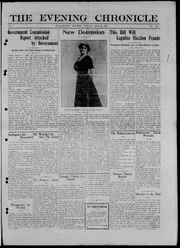
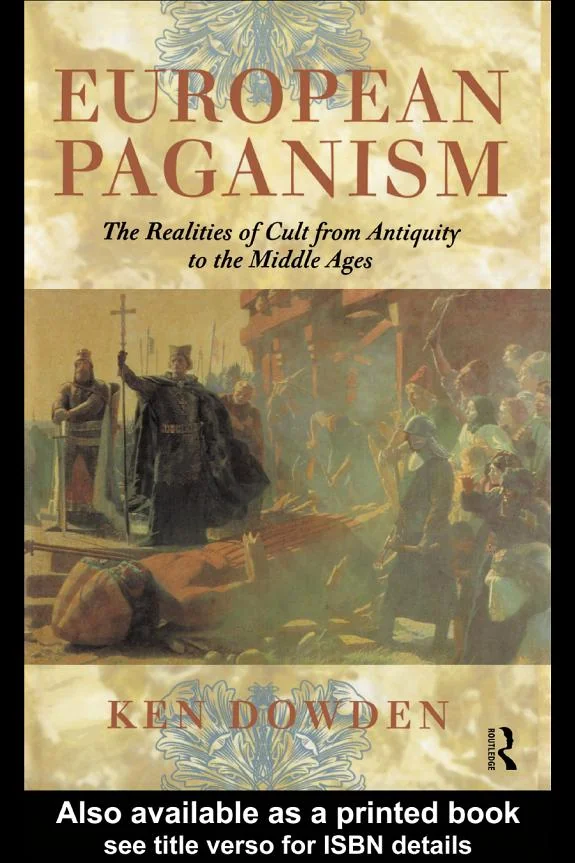
European Paganism
 78
78

European Paganism
Ken Dowden's *European Paganism* succeeds admirably in its goal of presenting a comprehensive and balanced overview of ancient European religious life. The book’s primary strength lies in its methodical approach, systematically dissecting common misconceptions about paganism by presenting a wide array of evidence. Dowden moves beyond the sensationalism often associated with ancient practices, such as human sacrifice, to explore the quotidian aspects of ritual and belief. A particularly strong section analyzes the diverse forms of pilgrimage, illustrating its social and spiritual functions across different cultures. However, the sheer breadth of the subject matter means that some regions or specific traditions receive less detailed treatment than others, leaving the reader occasionally wishing for deeper dives into particular areas. Despite this, the work provides an invaluable resource for understanding the complex religious landscape of pre-Christian Europe, offering a grounded perspective that avoids easy categorization. It offers a solid, academic foundation for anyone seeking to understand the roots of European spirituality.
📝 Description
78
Ken Dowden's 2000 book surveys pre-Christian European religions with historical evidence.
Ken Dowden's *European Paganism*, published in 2000, offers a scholarly yet accessible survey of religious practices across the European continent before Christianity's widespread adoption. The book moves beyond common stereotypes to examine the diverse expressions of paganism, from Celtic lands to Slavic regions. Dowden analyzes the spectrum of ritual, belief, and cultural integration that characterized these ancient traditions. This work is intended for students of ancient history, comparative religion, and classical studies. It will also appeal to general readers interested in the origins of European spirituality and the evolution of religious thought. Those seeking an introduction to paganism that prioritizes historical evidence and avoids speculative interpretations will find this an informative resource.
*European Paganism* emerged at a time when scholarly interest in ancient religions was strong, but popular understanding was often limited. Dowden's work sought to provide a balanced overview grounded in archaeological and textual evidence. It contrasts with earlier, more romanticized interpretations and contributes to academic discourse on polytheism and religious change in antiquity. The book covers fundamental concepts like sacrifice, pilgrimage, cyclical time marked by festivals, and the roles of deities and spirits in daily life, showing how these were woven into the social and cultural fabric of various European societies.
This book contributes to the academic study of European paganism by grounding its analysis in historical and archaeological evidence. It situates itself within a scholarly tradition that aims to understand pre-Christian European religions not as a monolithic system, but as a diverse set of practices that were deeply integrated into the social and cultural life of various peoples. The work seeks to move beyond romanticized or sensationalized accounts, offering a more measured and evidence-based perspective on ancient European spirituality.
💡 Why Read This Book?
• Gain a nuanced understanding of pre-Christian European spirituality, moving beyond simplistic portrayals, by examining Dowden's analysis of rituals like pilgrimage and lunar festivals. • Grasp the historical context of paganism by understanding its diversity across regions and how it differed from later monotheistic religions, as detailed in the book's comparative approach. • Explore the practical application of historical research to religious studies by seeing how Dowden uses archaeological and textual evidence to reconstruct ancient beliefs and practices, particularly concerning human sacrifice.
⭐ Reader Reviews
Honest opinions from readers who have explored this book.
❓ Frequently Asked Questions
What distinguishes Ken Dowden's approach to European Paganism from earlier interpretations?
Dowden's work, published in 2000, distinguishes itself by offering a comprehensive and accessible overview that moves beyond sensationalized stereotypes. It emphasizes historical evidence and analysis of diverse rituals and cultural practices, contrasting with more romanticized or simplistic earlier views.
Does *European Paganism* discuss specific pagan deities?
Yes, the book explores the roles and significance of various deities and spirits within different European pagan traditions. It examines how these figures were integrated into the daily lives and belief systems of ancient peoples.
What is the publication date of Ken Dowden's *European Paganism*?
Ken Dowden's *European Paganism* was first published in the year 2000. This publication date situates it within a period of renewed academic interest in ancient European religions.
What types of rituals are covered in *European Paganism*?
The book covers a wide array of rituals, including human sacrifice, pilgrimage, and lunar festivals. It analyzes these practices within their specific cultural and historical contexts across various European regions.
Is *European Paganism* suitable for beginners in the study of ancient religions?
Yes, the book is designed to be both comprehensive and accessible, making it suitable for students of ancient history, comparative religion, and general readers interested in the topic.
What geographical scope does *European Paganism* cover?
The book provides an overview of ancient pagan religions throughout the European continent, examining traditions from regions such as the Celtic lands and Slavic territories.
🔮 Key Themes & Symbolism
Ritual and Practice
This theme examines the diverse range of rituals practiced by European pagans, moving beyond simplistic notions of 'savagery' or 'ecology'. Dowden analyzes acts like human sacrifice, not to sensationalize, but to understand their potential social and religious functions within specific communities. The book also details practices such as pilgrimage, exploring its spiritual and communal significance, and the observation of lunar festivals, highlighting the integration of celestial cycles into religious life and the broader understanding of time and nature.
Belief Systems
The work investigates the underlying belief systems that informed European pagan practices. It addresses the varied pantheons and spiritual forces that peoples of Europe recognized, from localized nature spirits to more formalized deities. Dowden considers how these beliefs shaped daily life, societal structures, and individuals' understanding of their place in the cosmos. The analysis seeks to reconstruct a sense of the spiritual worldview held by these ancient populations before the dominance of monotheistic religions.
Cultural Integration
A significant aspect of *European Paganism* is its focus on how religious practices were integrated into the broader cultural fabric of ancient European societies. Dowden illustrates how paganism was not a separate sphere but was interwoven with social customs, political structures, and community life. The book examines how festivals, rites of passage, and sacred sites played crucial roles in social cohesion and the transmission of cultural identity across generations.
Transition to Christianity
The book implicitly and explicitly addresses the historical transition from paganism to Christianity across Europe. By outlining the nature and pervasiveness of pagan traditions, Dowden provides context for understanding the challenges and processes involved in the Christianization of the continent. This theme highlights the resilience and eventual transformation of indigenous religious expressions in the face of a new, dominant faith.
💬 Memorable Quotes
Direct passages from the work, attributed to the author.
“Were they bloodthirsty savages hanging human offerings from trees?”
— This question captures the common, often sensationalized, perception of ancient pagans that Dowden seeks to address and complicate with scholarly analysis.
“Were they happy ecologists, valuing the unpolluted rivers and mountains?”
— This poses an alternative, idealized image of pagans, which Dowden also approaches critically, aiming for a more balanced and evidence-based understanding of their relationship with nature.
“Before there were Christians, the peoples of Europe were pagans.”
— This foundational statement sets the temporal and cultural stage for the book, establishing paganism as the dominant religious field of Europe prior to the advent and spread of Christianity.
“The work analyzes the diverse aspects of pagan ritual and culture.”
— This interpretation underscores the book's commitment to examining the many-sided nature of paganism, suggesting an analytical approach that considers various facets of religious life and cultural expression.
💡 Key Ideas
Editorial paraphrase of the work's core concepts — not direct quotes.
Ken Dowden outlines and analyses the diverse aspects of pagan ritual and culture from human sacrifice to pilgrimage lunar festivals and tree worship.
This statement summarizes the broad scope of the book, highlighting the variety of practices examined, from the extreme (human sacrifice) to the common (festivals, pilgrimage), emphasizing the many-sided nature of European paganism.
🌙 Esoteric Significance
Tradition
While *European Paganism* is primarily a work of historical scholarship rather than esoteric instruction, its detailed examination of ancient European religious practices offers foundational material for modern esoteric traditions seeking to reconnect with pre-Christian European roots. It aligns with traditions that look to historical paganism for inspiration, providing a critical, evidence-based counterpoint to purely speculative or romanticized reconstructions.
Symbolism
The book touches upon potent symbols embedded in European paganism, such as sacred trees (tree worship) and natural landscapes, which held deep spiritual significance. Lunar festivals also point to the symbolic importance of celestial bodies and cycles in pagan cosmologies. These elements, when studied, can inform modern esoteric understanding of nature-based spirituality and cyclical time, offering archetypal resonances.
Modern Relevance
Contemporary practitioners of Heathenry, Druidry, and other forms of modern Paganism often draw upon historical scholarship like Dowden's to inform their practices and beliefs. The book's analysis of rituals, deities, and social contexts provides a scholarly basis for understanding the historical antecedents of modern spiritual movements that seek to revive or reinterpret ancient European traditions.
👥 Who Should Read This Book
• Students of comparative religion and ancient history seeking a factual overview of pre-Christian European faiths. • Individuals interested in the origins of European spirituality and the evolution of religious thought before Christianity. • Readers who prefer scholarly analysis grounded in archaeological and textual evidence over speculative interpretations of paganism.
📜 Historical Context
Ken Dowden's *European Paganism*, published in 2000, emerged within a scholarly environment keen on reassessing ancient European religions beyond missionary accounts or romanticized neo-pagan ideals. The late 20th century saw significant archaeological discoveries and theoretical advancements in the study of religion, which Dowden’s work engages with. It sought to provide a comprehensive overview that acknowledged the diversity of practices across regions like Gaul, Britain, and Germania, countering the tendency to homogenize 'paganism'. While not directly engaging in polemics with specific contemporary scholars by name in its initial blurb, the book implicitly responds to earlier works that might have oversimplified or mythologized these traditions. Its publication contributed to a more nuanced academic discourse on polytheism and religious change, particularly in contrast to the ongoing expansion of Christian historical narratives.
📔 Journal Prompts
The diversity of pagan ritual and culture across Europe.
Ancient European conceptions of the sacredness of rivers and mountains.
The social functions of pilgrimage in pagan societies.
Understanding human sacrifice within its historical context.
Comparing lunar festivals across different European pagan traditions.
🗂️ Glossary
Paganism
A broad term referring to polytheistic or indigenous religious traditions that were prevalent in Europe before the widespread adoption of Christianity. It encompasses diverse beliefs and practices.
Ritual
A set of actions performed regularly, often in a specific order, for religious or ceremonial purposes. In European Paganism, rituals varied widely from sacrifices to festivals.
Human Sacrifice
The offering of human beings as a gift to a deity or supernatural force. The book examines its presence and context within certain European pagan cultures.
Pilgrimage
A journey or search of moral or spiritual significance. In pagan contexts, it often involved traveling to sacred sites or shrines.
Lunar Festivals
Celebrations or observances tied to the cycles of the moon. These highlight the importance of celestial observation in pagan religious calendars.
Tree Worship
The veneration of trees as sacred objects or dwelling places of spirits. This practice was noted in various European pagan traditions.
Esoteric
Relating to or accessible only by a small number of people with specialized knowledge or interest. While the book is scholarly, its subject matter touches on esoteric themes.
This book appears in 1 collection
🔮 Readers Also Liked
Browse all →








From the “Neopaganism” Collection
View all →






More Free Witchcraft & Paganism Books
View all →