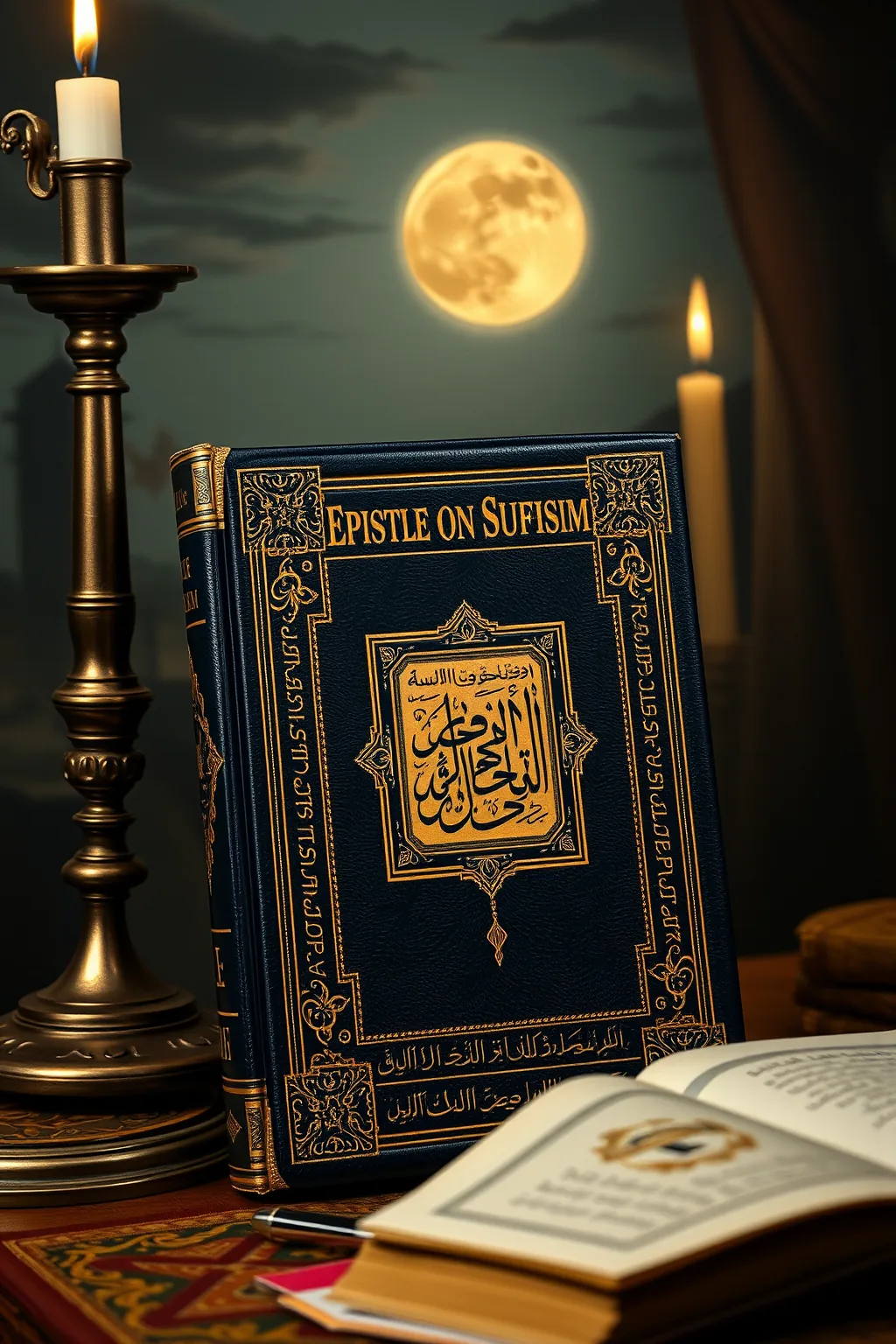
Epistle On Sufism Al Risala Al Qushayriyya Fi Ilm Al Tasawwuf
 78
78

Epistle On Sufism Al Risala Al Qushayriyya Fi Ilm Al Tasawwuf



The 'Epistle On Sufism Al Risala Al Qushayriyya Fi Ilm Al Tasawwuf' is a timeless treasure for modern esoteric seekers. Abu Abd al-Rahman Muhammad al-Qushayri's profound insights into Sufi mysticism provide a beacon of light in today's fast-paced world. The text's emphasis on inner purification and divine love resonates deeply with those seeking spiritual fulfillment. Al-Qushayri's teachings on contemplation and the mystical journey offer a sense of peace and direction amidst the chaos of modern life. For anyone interested in the occult and esoteric traditions, this book is an invaluable resource. Its enduring relevance makes it a must-read for spiritual seekers and scholars alike.
📝 Description
78
This epistle, likely composed in the 10th or 11th century, explains the core tenets of Sufi practice.
The 'Epistle on Sufism' addresses the fundamental principles and practices of the Islamic mystical tradition. It lays out the essential elements of the Sufi path, detailing the spiritual stations (maqamat) and states (ahwal) that a seeker may experience. The text clarifies the outward observances and inner realities of Sufism, distinguishing it from both legalistic Islam and more heterodox mystical groups. It speaks to the importance of the spiritual guide, the proper conduct of the disciple, and the ultimate goal of divine proximity.
The work serves as a foundational text, aiming to establish a clear understanding of Tasawwuf for a wider audience. It systematically explains the discipline required for spiritual growth, emphasizing sincerity, remembrance of God, and detachment from worldly concerns. The epistle does not shy away from the rigorous nature of the path, but it frames this discipline within the context of divine mercy and the possibility of spiritual transformation.
This text belongs to the classical period of Sufism, a period marked by the systematic articulation of its doctrines and practices. Following figures like Al-Ghazali, authors sought to codify the Sufi path, making it accessible while preserving its esoteric core. This epistle stands as an example of that effort, seeking to define Sufism within orthodox Islamic boundaries. It reflects a tradition that emphasizes direct experiential knowledge of the divine, achieved through rigorous self-discipline and contemplative practices, distinguishing it from purely intellectual or legalistic approaches to faith.
💡 Why Read This Book?
Reading the 'Epistle On Sufism Al Risala Al Qushayriyya Fi Ilm Al Tasawwuf' today offers a unique opportunity to delve into the mystical heart of Islam. This book provides readers with a deeper understanding of Sufi practices and philosophical teachings, enriching their spiritual journey. By exploring the esoteric dimensions of Sufism, readers gain insights into the nature of divine love and the path to spiritual enlightenment. This text is particularly valuable for those seeking to integrate mystical contemplation into their daily lives.
⭐ Reader Reviews
Honest opinions from readers who have explored this book.
❓ Frequently Asked Questions
What is the main focus of the 'Epistle On Sufism'?
The main focus of the 'Epistle On Sufism' is the mystical and contemplative dimensions of Sufi thought, including spiritual practices and philosophical teachings.
Who should read this book?
This book is ideal for spiritual seekers, scholars of esoteric traditions, and anyone interested in the mystical aspects of Islam.
What historical context does the book provide?
The book reflects the spiritual yearnings of the time when Sufism was gaining prominence as a mystical movement within Islam, offering insights into the spiritual practices of the era.
🔮 Key Themes & Symbolism
Spiritual Contemplation
The 'Epistle On Sufism Al Risala Al Qushayriyya Fi Ilm Al Tasawwuf' delves deeply into the practice of spiritual contemplation, guiding readers toward a state of inner peace and divine connection. It emphasizes the importance of meditation and introspection as paths to spiritual enlightenment, offering insights that can transform one's understanding of the self and the universe.
The Path to Divine Union
This text explores the journey toward divine union, a central tenet of Sufi mysticism. It outlines the stages of spiritual development, from the initial awakening to the ultimate union with the divine. Readers are invited to begin this transformative path, guided by the timeless wisdom of Sufi masters.
Symbolism in Sufi Practices
Symbolism plays a central role in Sufi practices, and this epistle reveals the hidden meanings behind various rituals and symbols. From the significance of the heart to the symbolism of light and darkness, the text uncovers the layers of esoteric knowledge that enrich the Sufi experience, making it a collection of spiritual insight.
💡 Key Ideas
Editorial paraphrase of the work's core concepts — not direct quotes.
The heart is the throne of the divine.
This quote underscores the centrality of the heart in Sufi mysticism, symbolizing the seat of spiritual awareness and divine connection.
In the silence of contemplation, one finds the voice of the soul.
This passage highlights the transformative power of silent meditation in revealing the inner voice and spiritual truth.
The path to enlightenment is a journey of self-discovery.
This quote emphasizes the importance of self-exploration and introspection in the quest for spiritual enlightenment.
The light of knowledge illuminates the darkest corners of the heart.
This passage suggests that spiritual knowledge has the power to dispel ignorance and reveal the hidden truths within the soul.
The divine presence is felt in every breath.
This quote underscores the immediacy and intimacy of the divine connection, accessible through mindful breathing and contemplation.
🌙 Esoteric Significance
Tradition
This book belongs to the Sufi tradition, which is deeply rooted in esoteric knowledge and mystical practices. Sufism emphasizes the inner journey toward divine union, using symbolism and contemplation to reveal hidden truths.
Symbolism
Key symbols in this text include the heart, light, and the journey. The heart represents the seat of spiritual awareness, light symbolizes divine knowledge, and the journey signifies the path to enlightenment. These symbols are woven into the fabric of Sufi practices, enriching the spiritual experience.
Modern Relevance
The teachings in this book remain highly relevant today, guiding modern Sufi practitioners in their spiritual journeys. Many contemporary Sufi orders use this text as a foundational guide, emphasizing its timeless wisdom and esoteric insights.
👥 Who Should Read This Book
Beginners in Sufism will find this text enlightening but may benefit from additional context and guidance. Scholars of Islamic mysticism will appreciate its historical significance and depth of esoteric knowledge. Spiritual seekers will find inspiration and direction in its teachings, while practitioners will discover valuable insights to deepen their spiritual practices. This book is particularly suited for those interested in the mystical dimensions of Islam and the transformative power of Sufi teachings.
📜 Historical Context
The 'Epistle On Sufism Al Risala Al Qushayriyya Fi Ilm Al Tasawwuf' was written during a time of significant spiritual ferment in the Islamic world. Sufism, the mystical branch of Islam, was gaining prominence as a path to divine union and spiritual enlightenment. This text played a central role in codifying and disseminating Sufi teachings, influencing generations of seekers and scholars. Its enduring influence can be seen in the practices and beliefs of modern Sufi orders, making it a foundational work in the study of Islamic mysticism.
📔 Journal Prompts
Reflect on a moment of spiritual insight you have experienced. How did it shape your understanding of the divine?
Consider the symbolism of the heart in Sufi mysticism. What does it mean to you personally?
How does the practice of contemplation enrich your spiritual journey?
Explore the concept of divine union. What steps can you take to move closer to this goal?
Think about the role of silence in your spiritual practice. How does it help you connect with the divine?
🗂️ Glossary
Sufism
The mystical branch of Islam that emphasizes the inner journey toward divine union through contemplation and esoteric practices.
Divine Union
The ultimate goal of Sufi mysticism, where the seeker achieves a state of oneness with the divine.
Contemplation
The practice of deep meditation and introspection to reveal spiritual truths and inner awareness.
Symbolism
The use of symbols to convey hidden meanings and esoteric knowledge in Sufi practices.
Esoteric Knowledge
Hidden or secret knowledge that is revealed through spiritual practices and contemplation.
This book appears in 2 collections
🔮 Readers Also Liked
Browse all →






From the “Christian Mysticism” Collection
View all →









More Free Mysticism & Contemplation Books
View all →