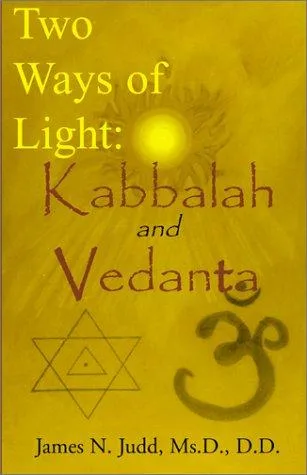
Elisabeth of Schönau
 81
81

Elisabeth of Schönau
Elisabeth of Schönau’s collected works arrive in English translation not as a quaint relic, but as a potent spiritual document. The sheer volume of her visions, meticulously detailed, offers a stark contrast to more abstract theological treatises of the era. The "First Book of Visions," for instance, vividly portrays angelic encounters with an immediacy that feels less like theological exposition and more like direct reportage from the spiritual battlefield. While the intensity of her apocalyptic pronouncements and detailed demonology can be overwhelming, this very specificity is the work's strength. It provides an unvarnished glimpse into the spiritual anxieties and aspirations of a 12th-century monastic woman. The limitation, perhaps, lies in the text's density for the uninitiated; without extensive scholarly apparatus, navigating its spiritual landscape requires significant focus. Nevertheless, for those seeking a primary source that pulsates with fervent, unmediated mystical experience, this collection is indispensable.
📝 Description
81
The first complete English translation of Elisabeth of Schönau's visionary writings from the 12th century is now available.
This volume contains the first full English translation of the writings of Elisabeth of Schönau, a Benedictine nun from the 12th century. Her recorded visionary experiences are presented here, including her three Books of Visions, a collection of sermons called The Book of the Ways of God, and Revelations about the Sacred Company of the Virgins of Cologne. These texts offer direct access to a significant medieval mystic's inner life and theological reflections.
Scholars of medieval spirituality and Christian mysticism will find this translation a valuable resource. It is also for historians interested in the development of visionary literature within monastic traditions and for those studying female religious experience and prophecy during the High Middle Ages. The writings emerged during a period of monastic reform and growing lay piety, with Elisabeth's visions on the Virgin Mary and angelic hierarchies engaging current theological ideas.
Elisabeth of Schönau's work sits within the tradition of medieval Christian esotericism, specifically concerning visionary experiences and spiritual combat. Her detailed accounts of angelic hierarchies and battles against demonic forces align with a strain of mysticism that sought direct knowledge of the divine and the celestial order. Her writings contributed to the discourse on spiritual warfare and the structure of the heavenly court, offering a unique perspective on the hidden spiritual realities perceived by mystics of the era.
💡 Why Read This Book?
• Gain direct access to the visionary experiences of a 12th-century Benedictine nun, Elisabeth of Schönau, offering a unique perspective on medieval Christian mysticism not found in secondary interpretations. • Understand the detailed spiritual cosmology and demonology presented in "The Book of the Ways of God," revealing specific medieval concepts of divine order and spiritual conflict. • Explore the "Revelations about the Sacred Company of the Virgins of Cologne," providing concrete historical and theological context for female religious communities and their imagined celestial counterparts in the High Middle Ages.
⭐ Reader Reviews
Honest opinions from readers who have explored this book.
❓ Frequently Asked Questions
Who was Elisabeth of Schönau and when did she live?
Elisabeth of Schönau was a Benedictine nun and visionary who lived in the 12th century (c. 1129–1164) in the Rhineland, Germany. She is known for her prophetic writings and visions.
What are the main types of writings included in this book?
The collection primarily features Elisabeth's visionary diaries (three Books of Visions), her book of sermons (The Book of the Ways of God), and specific revelations concerning the Virgins of Cologne.
What historical period does Elisabeth of Schönau's work belong to?
Her writings originate from the High Middle Ages, specifically the 12th century, a period of significant monastic reform and intellectual ferment in Europe.
Are Elisabeth's visions considered official Church doctrine?
While influential and widely circulated in her time and later, Elisabeth's visions are personal mystical experiences and not formally declared Church doctrine. They are studied within the context of medieval spirituality and hagiography.
What is the significance of the 'Sacred Company of the Virgins of Cologne'?
This refers to a group of female martyrs and saints whose veneration Elisabeth claimed to have received through divine revelation. Her writings detail their heavenly procession and significance.
Is this the first English translation of Elisabeth's complete works?
Yes, the original blurb states this volume contains the first English translation of the complete works of Elisabeth of Schönau.
🔮 Key Themes & Symbolism
Divine Revelation and Prophecy
Elisabeth's writings are centered on her direct experiences of divine revelation. She claimed to receive visions from God, angels, and saints, which she meticulously recorded. These revelations often carried prophetic weight, addressing contemporary spiritual issues and foretelling future events. The texts explore the mechanics of receiving such divine messages, the challenges of interpreting them, and the responsibility that comes with prophetic insight within the monastic context of the 12th century.
Spiritual Warfare and Demonology
A significant portion of Elisabeth's visions details her intense spiritual battles against demonic forces. She provides graphic descriptions of demons, their tactics, and the celestial aid available to combat them. This theme highlights the medieval understanding of the world as a constant battleground between good and evil, where the spiritual realm directly impacts the material. Her detailed accounts of angelic interventions offer a counterpoint to the pervasive presence of malevolent entities.
The Celestial Hierarchy and Sainthood
Elisabeth's visions frequently describe the heavenly court, focusing on the roles of angels, archangels, and particularly, holy virgins and martyrs. The 'Revelations about the Sacred Company of the Virgins of Cologne' exemplifies this, detailing a specific group of saints. This theme reflects a deep engagement with the cult of saints and the veneration of martyrs, presenting them not just as historical figures but as active participants in the ongoing spiritual life of the Church, offering intercession and guidance.
Monastic Life and Asceticism
As a Benedictine nun, Elisabeth's experiences are deeply rooted in the structure and discipline of monastic life. Her sermons and visions often touch upon the virtues required for a holy life, the importance of prayer, obedience, and detachment from worldly concerns. The challenges she faced, both internal spiritual struggles and external pressures, are framed within the context of her religious vows and community. Her writings thus serve as a proof of the spiritual intensity possible within cloistered settings in the 12th century.
💬 Memorable Quotes
Direct passages from the work, attributed to the author.
“The demons are envious of those who strive for God, and they assail them with all their might.”
— This reflects Elisabeth's understanding of spiritual warfare, emphasizing the active opposition believers face from demonic forces motivated by envy of divine favor.
“The heavenly court rejoices when a soul perseveres in good works despite temptation.”
— This interpretation highlights the divine affirmation of steadfastness in faith. It suggests that spiritual progress is observed and celebrated in the celestial realms.
“God grants the grace of prophecy to those whom He chooses for His work.”
— This statement underscores Elisabeth's belief in predestination and divine election concerning prophetic gifts, positioning her own visions as divinely bestowed.
“The Book of the Ways of God reveals the divine plan for salvation.”
— This conceptual summary suggests the theological depth of Elisabeth's sermons, framing them as expositions on God's overarching design for humanity's redemption.
💡 Key Ideas
Editorial paraphrase of the work's core concepts — not direct quotes.
I saw the holy virgins processing in great glory.
This paraphrase points to Elisabeth's visions of celestial processions, specifically those involving holy virgins, as detailed in her revelations about groups like the Virgins of Cologne.
🌙 Esoteric Significance
Tradition
Elisabeth's work sits within the broad stream of Western Christian mysticism, specifically the tradition of female prophecy and visionary experience that gained prominence in the High Middle Ages. While not directly Hermetic or Gnostic, her detailed descriptions of angelic hierarchies and spiritual combat echo themes found in later esoteric traditions that sought to map the unseen realms and understand the dynamics of spiritual forces.
Symbolism
Key symbols include the 'celestial hierarchy,' representing the divinely ordered structure of the heavens, and the 'demonic legions,' symbolizing the forces of chaos and spiritual opposition. The 'sacred company of virgins' serves as a powerful symbol of purity, martyrdom, and intercessory power within the Christian pantheon, offering a model of spiritual attainment.
Modern Relevance
Contemporary practitioners of esoteric Christianity, as well as scholars of medieval spirituality and gender studies, draw on Elisabeth's work. Her detailed accounts of spiritual warfare and angelic encounters inform modern practices of spiritual defense and angelic invocation, while her life and writings continue to be studied for insights into female religious authority and mystical experience.
👥 Who Should Read This Book
['• Students of Medieval Christian Mysticism seeking primary source material on 12th-century visionary experiences and theological expression.', '• Scholars of Western Esotericism interested in the roots of angelic lore and spiritual combat narratives within a pre-Renaissance context.', '• Devotional readers looking for intense, first-hand accounts of divine encounters and spiritual struggle from a historical female religious figure.']
📜 Historical Context
Elisabeth of Schönau's writings emerged during the 12th century, a period of flourishing monasticism and intellectual development, yet also marked by theological debates and the rise of new spiritual movements. Her visions engaged with established Christian cosmology while pushing boundaries, particularly concerning female prophetic authority. Contemporaries like Hildegard of Bingen, another prominent female visionary of the era, explored similar themes of divine inspiration and cosmic order, though often with different emphasis and theological framing. Elisabeth's work circulated significantly, influencing later mystics and devotional practices. While not explicitly banned, her detailed accounts of demonic encounters and celestial hierarchies would have been scrutinized within the ecclesiastical structures of the time, reflecting the era's careful approach to visionary claims.
📔 Journal Prompts
The nature of the 'Sacred Company of the Virgins of Cologne' as described by Elisabeth.
The specific tactics employed by demons as detailed in the Books of Visions.
The role of divine revelation in the monastic life of the 12th century.
The concept of 'The Book of the Ways of God' as a guide to salvation.
Personal reflection on the balance between spiritual warfare and divine protection.
🗂️ Glossary
Benedictine Nun
A female member of a religious order following the Rule of Saint Benedict, characterized by monastic vows of poverty, chastity, and obedience, and a life of prayer and manual labor.
Visionary Experience
A subjective experience involving seeing spiritual realities, divine figures, or future events, often interpreted as direct communication from the supernatural realm.
Book of Visions
Refers to Elisabeth's personal accounts of her divinely inspired visions, typically structured chronologically or thematically, detailing her spiritual encounters and insights.
The Book of the Ways of God
A collection of sermons attributed to Elisabeth of Schönau, likely intended to instruct her monastic community on theological matters and the path to salvation.
Revelations about the Sacred Company of the Virgins of Cologne
A specific text within Elisabeth's works detailing her visions concerning a group of female martyrs and saints, emphasizing their heavenly status and intercessory roles.
Spiritual Warfare
The concept of a continuous conflict between divine and demonic forces, where believers engage in prayer and righteous living to resist evil influences.
Celestial Hierarchy
The ordered ranks of angels and divine beings as described in theological and mystical traditions, representing the structure of the heavenly realm.
This book appears in 1 collection
🔮 Readers Also Liked
Browse all →







From the “Visions” Collection
View all →


More Free Sacred Texts & Gnosticism Books
View all →