Demonic Possession and Exorcism
 79
79

Demonic Possession and Exorcism
Sarah Ferber’s "Demonic Possession and Exorcism" is a commendable effort to dissect a subject often shrouded in sensationalism and superstition. The book excels in its meticulous cataloging of historical accounts and theological interpretations, presenting a clear, if somewhat dry, overview. Ferber’s strength lies in her ability to contextualize these phenomena within specific historical periods, demonstrating how societal structures and beliefs influenced the very nature of what was understood as demonic possession. For instance, her discussion of the differences in possession narratives between the medieval period and the early modern era, particularly referencing the impact of witch-hunting manuals, is illuminating. However, the work occasionally suffers from an over-reliance on academic detachment, which, while maintaining objectivity, can sometimes dilute the visceral impact of the subject matter. The exploration of the psychological underpinnings, though present, feels less developed than the historical and theological aspects. Despite this, Ferber’s scholarly approach provides a solid foundation for understanding the historical trajectory of this enduring occult topic. It is an informative, albeit reserved, examination of a dark corner of human belief.
📝 Description
79
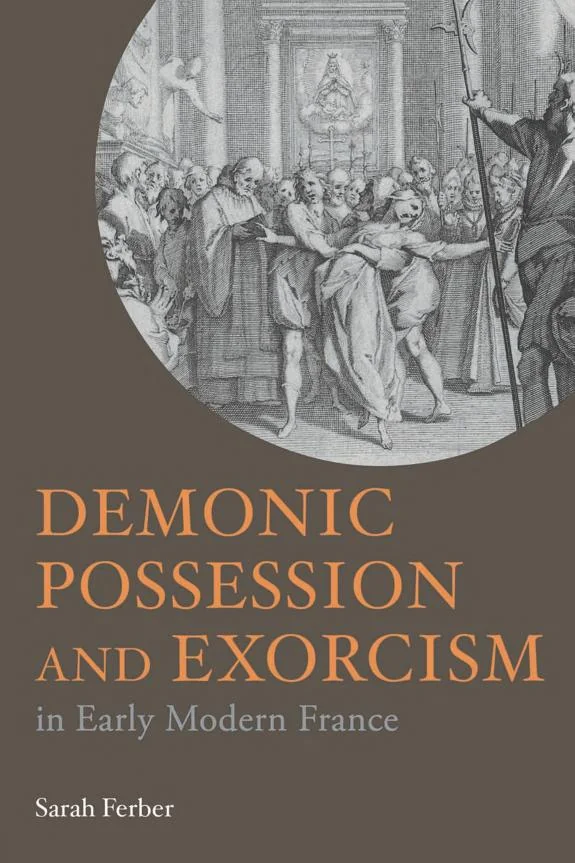
Sarah Ferber published "Demonic Possession and Exorcism" in 2013, analyzing the phenomenon through history, theology, and psychology.
Sarah Ferber's 2013 book examines demonic possession and exorcism, moving past sensationalism to a multidisciplinary analysis. It draws on religious studies, anthropology, and history to understand the phenomenon. The work traces the discourse from early Christian practices through the medieval period and into modern views. Ferber acknowledges influential figures like Jean Bodin and his 1580 treatise, which shaped early modern understandings of witchcraft and demonic influence. The book considers how societal anxieties and religious doctrines interacted to shape beliefs and practices surrounding possession. It is intended for academics, researchers, and students of esotericism, religious history, and the psychology of belief who seek a rigorous, evidence-based approach to this controversial topic. Those interested in the historical development of demonology and exorcism will find it especially relevant.
This work engages with a long-standing tradition of understanding spiritual and psychological distress through the lens of supernatural agency. It situates the historical phenomenon of demonic possession within both theological doctrines and anthropological understandings of ritual and belief systems. By examining how possession was conceptualized and countered across different historical periods, Ferber connects to esoteric traditions that grapple with the boundaries between the material and immaterial worlds and the influence of unseen forces on human experience.
💡 Why Read This Book?
• Understand the historical evolution of demonology, tracing its roots from early Christian demonology to the documented exorcism practices prevalent in the 17th century, a period marked by intense religious scrutiny. • Gain insight into the social and cultural factors that shaped perceptions of possession, learning how societal anxieties, as analyzed in relation to the witch trials of the 16th and 17th centuries, influenced the interpretation of unusual behaviors. • Explore the theological frameworks that underpinned exorcism rituals, appreciating the detailed breakdown of rites and beliefs that provided a structure for addressing perceived demonic incursions.
⭐ Reader Reviews
Honest opinions from readers who have explored this book.
❓ Frequently Asked Questions
What is the primary focus of Sarah Ferber's "Demonic Possession and Exorcism"?
The book's primary focus is a scholarly examination of the historical, theological, and cultural dimensions of demonic possession and the practice of exorcism. It analyzes these phenomena through multidisciplinary perspectives, moving beyond sensationalism.
When was "Demonic Possession and Exorcism" first published?
The work by Sarah Ferber was first published in 2013, offering a contemporary academic perspective on a historically significant subject.
Does the book discuss specific historical cases of possession?
Yes, the book delves into various historical accounts and case studies to illustrate the evolution of beliefs and practices surrounding demonic possession across different eras.
Is this book suitable for someone new to occult studies?
While informative, the book's academic rigor and dense historical analysis might be more suited for students and researchers familiar with religious studies or historical esotericism, rather than absolute beginners.
What historical periods does Ferber's analysis cover?
Ferber's analysis spans multiple historical periods, from early Christian demonology through the medieval era and into the early modern period, examining how understandings of possession shifted over time.
What distinguishes this book from popular accounts of exorcism?
Unlike popular accounts, Ferber's book emphasizes a critical, academic approach, using historical evidence and theological analysis to understand possession and exorcism as cultural and religious phenomena, rather than sensational narratives.
🔮 Key Themes & Symbolism
Historical Trajectories of Demonology
This theme traces the lineage of demonological thought, charting its development from ancient worldviews through the influential theological doctrines of the early Church. Ferber examines how concepts of demonic influence and agency were codified, particularly highlighting the intellectual shifts that occurred during the medieval period and the subsequent intensified focus during the early modern era, leading to widespread fears of witchcraft and possession. The work provides context for understanding how these historical frameworks continue to inform modern discussions on the subject.
The Cultural Construction of Possession
Ferber investigates how the phenomenon of 'demonic possession' is not merely a theological or medical issue but is deeply embedded within cultural narratives and societal anxieties. The book explores how specific behaviors and experiences are interpreted as demonic based on prevailing social norms, religious beliefs, and power structures. This perspective is crucial for understanding why possession manifestations and the responses to them varied significantly across different historical epochs and geographical locations, from medieval Europe to later periods.
Ritual and Exorcism as Social Control
A significant aspect of the book concerns the role of exorcism rituals. Ferber analyzes these practices not just as spiritual interventions but as mechanisms of social and psychological control. The book details the liturgical and symbolic components of exorcism, demonstrating how these rituals served to reaffirm community boundaries, police deviance, and provide a structured response to perceived supernatural threats. The evolution of these rites reflects changing theological understandings and societal needs throughout history.
Theological Underpinnings of Demonic Agency
This theme examines the theological doctrines that legitimized the concept of demonic possession and the practice of exorcism. Ferber explores how different religious traditions, particularly Christianity, developed sophisticated theological arguments concerning the nature of Satan, demons, and their capacity to influence or inhabit human beings. The work details how these doctrines shaped both the diagnosis of possession and the prescribed methods for its expulsion, underscoring the essential role of faith and theology in the discourse.
💬 Memorable Quotes
Direct passages from the work, attributed to the author.
“Exorcism rites were often performed within a complex interplay of theological belief, communal expectation, and individual psychological distress.”
— This interpretation underscores Ferber's view of exorcism as a many-sided phenomenon. It points to the book's analysis of how religious doctrine, social pressures, and personal suffering converged in the performance and perception of these rituals.
“Early modern demonology frequently conflated possession with witchcraft, blurring the lines between perceived supernatural affliction and criminal activity.”
— This points to a key argument in Ferber's work: the historical linkage between demonology and the persecution of alleged witches. It suggests the book examines how theological fears were translated into social and legal actions.
“The ritualistic expulsion of demons served not only spiritual purposes but also functioned as a means of restoring social order.”
— This concept reflects Ferber's sociological lens on exorcism. It suggests the book analyzes how these practices acted as tools for managing societal anxieties and reasserting normative behaviors within a community.
💡 Key Ideas
Editorial paraphrase of the work's core concepts — not direct quotes.
The understanding of demonic possession shifted dramatically between the theological frameworks of the medieval period and the socio-legal concerns of the 16th century.
This paraphrased concept highlights Ferber's emphasis on historical contingency. It suggests that what constituted 'possession' and how it was addressed were not static but evolved based on the prevailing intellectual and social climates of different eras.
Cultural interpretations of perceived demonic incursions varied significantly, reflecting diverse religious and folk belief systems.
This paraphrased idea emphasizes the book's exploration of the diversity of possession phenomena across different cultures and historical contexts. It indicates Ferber's focus on how context shapes the understanding and expression of such experiences.
🌙 Esoteric Significance
Tradition
While not explicitly tied to a single esoteric lineage like Hermeticism or Gnosticism, Ferber's work is foundational for understanding the historical manifestations of what is often termed 'occult' phenomena. It operates within the broader field of religious studies and history of magic, providing critical context for esoteric traditions that incorporate demonology, angelic hierarchies, and spiritual warfare. The book's meticulous historical analysis serves as a vital corrective to purely speculative or romanticized views of these topics, grounding esoteric discussions in verifiable historical and theological frameworks.
Symbolism
Within the context of demonic possession and exorcism, key symbols often include the cross, holy water, and specific incantations, representing divine authority and protection against malevolent forces. The demon itself, as a symbolic entity, represents chaos, temptation, and the inversion of divine order. Ferber's work implicitly analyzes how these symbols function within ritualistic contexts to demarcate the sacred from the profane and to enact a perceived cosmic struggle, reinforcing theological boundaries and societal norms.
Modern Relevance
Contemporary thinkers in fields like critical psychology, anthropology of religion, and even certain branches of contemporary occultism that engage with historical demonology find Ferber's work relevant. It provides a critical lens for examining modern phenomena that echo historical possession narratives, such as mass hysteria or the psychological impact of belief systems. Scholars studying the evolution of religious trauma or the societal management of 'otherness' also draw upon its historical depth. Furthermore, practitioners of historical occultism may consult it for accurate historical context regarding demonological lore and exorcistic practices.
👥 Who Should Read This Book
• Students of religious history and comparative theology seeking a rigorous, evidence-based overview of demonology and exorcism across different eras. • Researchers in cultural studies and anthropology interested in how societal anxieties and beliefs shape interpretations of unusual human experiences. • Occult practitioners and scholars looking to understand the historical and theological roots of demonological concepts and ritualistic practices.
📜 Historical Context
Sarah Ferber's "Demonic Possession and Exorcism" emerged in 2013, a period of renewed academic interest in historical religious practices and the psychology of belief. The work engages with a long scholarly tradition that gained momentum in the late 19th and early 20th centuries, influenced by figures like Henry Charles Lea, whose extensive studies on medieval heresy and inquisition laid groundwork for understanding historical religious anxieties. Ferber’s analysis consciously departs from earlier, more sensationalized accounts, aligning with a more critical, multidisciplinary approach prevalent in religious studies and anthropology. While not directly engaging with contemporaries in the same way that, for example, a contemporary of Jean Bodin might have debated his theories in 1580, Ferber’s work implicitly responds to ongoing scholarly debates on the construction of deviance and the role of religion in society. The book's scholarly reception has been within academic circles, contributing to the ongoing discourse on the history of demonology and exorcism without significant controversy or censorship.
📔 Journal Prompts
The socio-cultural construction of demonic possession: Analyze how societal anxieties influenced interpretations in a specific historical period discussed.
The role of the exorcism ritual: Reflect on the symbolic actions and theological pronouncements central to a described rite.
Demonic agency vs. psychological distress: Consider the historical tension between viewing afflictions as supernatural or natural.
Comparing possession narratives: Contrast the characteristics of possession attributed to different centuries or regions.
The theological framework of demonology: Examine how specific doctrines about evil shaped perceptions of demonic influence.
🗂️ Glossary
Demonology
The systematic study of demons and their supposed hierarchies, characteristics, and interactions with the human world, often rooted in theological and mythological traditions.
Exorcism
A ritual or practice performed to expel a demon or evil spirit believed to be possessing a person, place, or object, typically involving religious rites and incantations.
Demonic Possession
The belief that a supernatural entity, specifically a demon or evil spirit, has taken control of a person's body and mind, leading to altered behavior and consciousness.
Theological Doctrine
A set of beliefs and principles within a religious system concerning the nature of God, divinity, salvation, and the spiritual world, including the existence and role of evil forces.
Socio-cultural Construction
The idea that phenomena and concepts are shaped and defined by the social and cultural contexts in which they appear, rather than existing as purely objective realities.
Early Modern Period
The historical era generally spanning from the late 15th century to the late 18th century, characterized by significant social, political, and intellectual changes, including the Reformation and the Enlightenment.
Medieval Period
The historical period in Europe and the Middle East spanning roughly from the 5th to the 15th century, following the fall of the Western Roman Empire and preceding the Renaissance.
🔮 Readers Also Liked
Browse all →









More by Sarah Ferber
All books →

More Free Occult Philosophy Books
View all →