Demonic Possession and Exorcism
 72
72

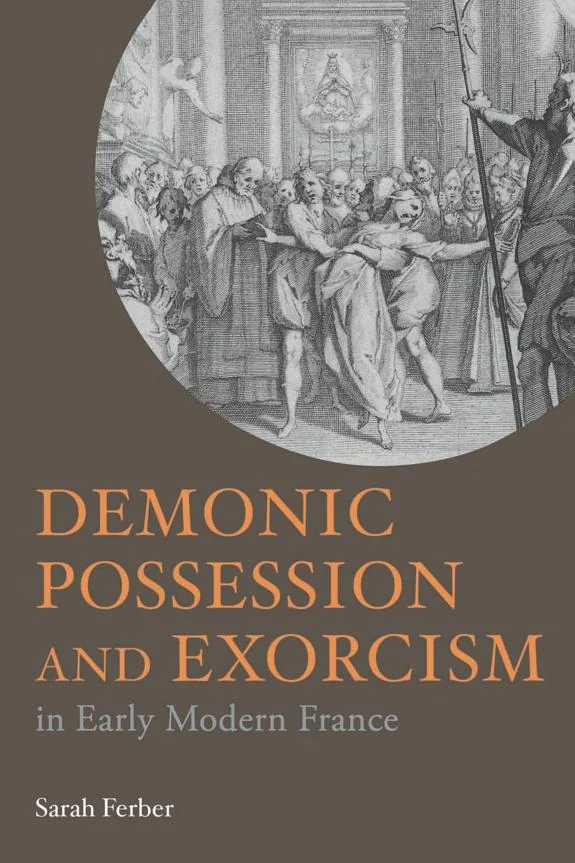
Demonic Possession and Exorcism
Sarah Ferber's "Demonic Possession and Exorcism" avoids the sensationalism that often plagues this topic, instead offering a meticulously researched and intellectually rigorous account of early modern European beliefs and practices. The strength of the book lies in its systematic deconstruction of possession narratives, revealing them as products of specific historical and cultural circumstances. Ferber's analysis of the legal and social frameworks surrounding exorcism, particularly her examination of how accusations could serve social control functions, is sharp and insightful. A notable limitation, however, is the book's dense academic prose, which at times can obscure the human drama at the heart of these historical accounts. The detailed exploration of the theological debates surrounding the efficacy of different exorcism rites, while crucial for scholarly context, might feel overwhelming to a general reader. Ultimately, Ferber provides a vital corrective to superficial understandings of demonic possession, grounding the phenomenon in its complex historical reality.
📝 Description
72
Sarah Ferber's 2014 book examines early modern European understandings of demonic possession.
Sarah Ferber's "Demonic Possession and Exorcism" investigates how Europeans in the early modern period perceived and reacted to supposed demonic infestations. Instead of relying on theological doctrine or sensationalized stories, Ferber draws on historical documents, legal records, and personal accounts to reveal the cultural reasoning behind possession claims. The book argues against simple explanations, showing the intricate connections between social worries, religious convictions, and individual psychological states that defined these occurrences.
This study is geared toward academics and dedicated students of early modern European history, religious studies, and the history of medicine and psychiatry. It will interest those who study the cultural construction of illness, the history of witchcraft accusations, and changing approaches to spiritual and psychological distress. Anyone looking for an evidence-based study of a controversial historical subject will find this work particularly useful. Ferber places her analysis within the context of early modern Europe, a time of significant religious change after the Reformation and Counter-Reformation, when fears of supernatural influence were high.
While not strictly an esoteric text itself, Ferber's work engages with historical beliefs about supernatural influence that fall within broader esoteric traditions. The early modern period, as depicted, was a time when the boundaries between the natural and supernatural were actively debated and defined. Belief in demonic agency and the practices surrounding exorcism, though often framed within mainstream religious discourse, touched upon ideas of unseen forces influencing human affairs. This historical examination of how such beliefs were codified and acted upon provides context for understanding the historical roots of various esoteric practices concerned with spiritual warfare and intervention.
💡 Why Read This Book?
• Gain a scholarly understanding of how early modern Europe perceived and managed demonic possession, moving beyond sensationalism by examining specific historical records from the period. • Understand the interplay between social anxieties, religious doctrine, and individual psychology as explored through Ferber's analysis of cases from the 16th and 17th centuries. • Appreciate the function of exorcism not just as a religious ritual, but as a socio-legal process, informed by the detailed case studies presented in the book.
⭐ Reader Reviews
Honest opinions from readers who have explored this book.
❓ Frequently Asked Questions
What historical period does Sarah Ferber's book primarily focus on regarding demonic possession?
The book primarily examines demonic possession and exorcism within the context of early modern Europe, roughly spanning the 16th and 17th centuries, a period marked by significant religious and social upheaval.
Does the book offer practical advice for performing exorcisms?
No, "Demonic Possession and Exorcism" is an academic study focused on historical analysis and cultural interpretation, not a manual for performing exorcisms. It examines the practices and beliefs of the past.
What is Sarah Ferber's main argument about demonic possession in early modern Europe?
Ferber argues that demonic possession was understood and managed through a complex interplay of religious beliefs, social anxieties, and emerging medical or psychological frameworks, serving various social and cultural functions.
Who were some key figures or movements influencing the understanding of possession during the book's focus period?
The book engages with the intellectual climate shaped by the Reformation and Counter-Reformation, implicitly referencing figures like Martin Luther and Ignatius of Loyola whose writings addressed demonic activity.
Is the book suitable for readers unfamiliar with early modern history?
While comprehensive, the book assumes some familiarity with the historical and religious context of early modern Europe. Readers new to the period might benefit from supplementary background reading.
What kind of evidence does Ferber use in her analysis?
Ferber utilizes a range of primary sources, including legal documents, theological treatises, personal testimonies, and exorcism records from the 16th and 17th centuries.
🔮 Key Themes & Symbolism
Social Construction of Possession
Ferber's work emphasizes that demonic possession in early modern Europe was not a singular, objective phenomenon but rather a culturally constructed category of experience. The book details how societal anxieties, religious doctrines, and legal frameworks shaped the interpretation of certain behaviors as demonic infestation. It examines how accusations of possession could function as mechanisms for social control, particularly against marginalized individuals or those who deviated from societal norms. The analysis highlights the performative aspects of both alleged possession and subsequent exorcism rituals, demonstrating their embeddedness within specific community dynamics and power structures.
Theology and Ritual Practice
The book examines the theological underpinnings that informed early modern understandings of the Devil and his influence. It explores how differing theological perspectives, particularly in the wake of the Reformation and Counter-Reformation, affected the perceived nature of possession and the prescribed methods for combating it. Ferber analyzes the evolution and variation of exorcism rites, detailing the specific prayers, actions, and symbolic elements employed by clergy and exorcists. This theme underscores the critical role of religious authority and ritual efficacy in addressing perceived supernatural threats.
Medicine, Law, and Deviance
Ferber meticulously investigates the intersection of demonic possession with nascent medical understandings and legal proceedings of the early modern period. The work explores how symptoms attributed to possession were sometimes viewed through a proto-psychiatric lens, or conversely, how medical explanations were often subsumed by theological interpretations. Furthermore, the book examines the legal ramifications for accused individuals and the role of secular authorities in cases involving possession, highlighting the complex boundary between spiritual deviance and criminal behavior.
Personal Experience and Narrative
Central to Ferber's study is the examination of personal testimonies and narratives of those believed to be possessed. The book analyzes how individuals articulated their experiences, often under duress from religious or medical authorities. It explores the psychological dimensions of alleged possession, considering how internal states might have been externalized and interpreted within the prevailing cultural lexicon of demonic influence. This focus provides a window into the subjective realities of individuals caught within these complex historical dramas.
💬 Memorable Quotes
Direct passages from the work, attributed to the author.
“Possession was understood within a framework where the Devil was a tangible actor.”
— This highlights Ferber's point that early modern Europeans conceptualized demonic influence not as abstract evil, but as direct, physical, and observable interference in human lives and the world.
“The lines between spiritual affliction, psychological distress, and social deviance were often blurred.”
— This interpretation points to the ambiguity inherent in diagnosing and responding to possession, showing how similar symptoms could be attributed to supernatural, mental, or social causes depending on context.
“Exorcism rituals were deeply embedded in community and legal structures.”
— This suggests that exorcisms were not solely private religious acts but public performances with significant social and judicial implications for the individuals and communities involved.
“The historical record reveals a complex negotiation of belief and skepticism.”
— This implies that even within an era of strong belief in demonic activity, there existed varying degrees of acceptance, doubt, and critical assessment regarding specific claims of possession.
“Accusations of possession could serve to enforce social order.”
— This interpretation underscores the book's argument that claims of demonic infestation were sometimes utilized to police behavior, silence dissent, or target individuals who threatened the established social hierarchy.
🌙 Esoteric Significance
Tradition
While not strictly an esoteric text, Ferber's work engages with traditions that have significant esoteric dimensions, particularly Christian demonology and ritual magic. It examines the historical development of beliefs and practices that later informed or were incorporated into various Western esoteric traditions. The book's focus on the perceived efficacy of ritual and divine intervention in combating malevolent spiritual forces aligns with certain magical and theurgical concepts found in Hermeticism and ceremonial magic, though Ferber approaches these from a historical-critical rather than a practitioner's perspective.
Symbolism
The symbolism explored relates to the Christian cosmology of good versus evil. The Devil represents primal chaos and rebellion against divine order, while exorcism rituals employ sacred symbols, prayers, and sacraments (like the cross, holy water, and the Eucharist) that symbolize divine power and protection. The 'possessed' individual often becomes a symbolic battleground between spiritual forces. The very act of exorcism, with its structured invocations and renunciations, symbolizes the reassertion of divine authority and the restoration of spiritual purity and social order.
Modern Relevance
Contemporary esoteric practitioners interested in historical demonology, comparative ritual studies, and the psychological dimensions of spiritual warfare can find valuable historical context in Ferber's work. Thinkers exploring the intersection of psychology and spirituality, particularly those examining archetypal shadow concepts or the historical manifestations of collective anxieties, may draw parallels. Modern magical orders that incorporate historical exorcistic practices or investigate the historical roots of their own ritual structures will find this book an essential scholarly resource.
👥 Who Should Read This Book
• Academic researchers in history, religious studies, and cultural anthropology seeking a rigorous analysis of early modern beliefs surrounding demonic phenomena. • Students of comparative religion interested in the historical development and societal impact of exorcism rituals across different Christian traditions. • Individuals fascinated by the history of mental health and the cultural categorization of deviance, exploring how 'possession' functioned in pre-modern medical and social discourse.
📜 Historical Context
Sarah Ferber's "Demonic Possession and Exorcism" is situated squarely within the volatile intellectual and religious field of early modern Europe, primarily the 16th and 17th centuries. This era followed the seismic shifts of the Protestant Reformation and the Catholic Counter-Reformation, periods characterized by intense theological debate and heightened fears of supernatural interference. Figures like Martin Luther and John Calvin offered stark pronouncements on the Devil's active role in the world, influencing popular and clerical views. The Catholic Church, particularly through the Council of Trent and the work of figures like Ignatius of Loyola, solidified its doctrines and practices for combating heresy and demonic influence, including formalized exorcism rites. Ferber's work engages with this context, analyzing how possession became a focal point for anxieties about religious authenticity, social order, and individual salvation. The reception of such studies was often framed by ongoing debates between scholastic theology and emerging empirical observation, with scholars like Jean Bodin actively writing on witchcraft and demonic phenomena.
📔 Journal Prompts
The concept of the Devil as a tangible actor in early modern Europe.
Early modern European frameworks for distinguishing spiritual affliction from social deviance.
The role of exorcism rituals within the legal and community structures of the 16th and 17th centuries.
How societal anxieties in early modern Europe might have influenced interpretations of 'possession'.
The intersection of theological doctrine and practical ritual in combating perceived demonic influence.
🗂️ Glossary
Counter-Reformation
The period of Catholic resurgence initiated in response to the Protestant Reformation, beginning roughly with the Council of Trent (1545–1563) and extending into the 17th century. It involved doctrinal reaffirmations, institutional reforms, and efforts to regain territories lost to Protestantism.
Demonology
The study of demons or beliefs about demons. In historical contexts, it often refers to theological and philosophical treatises concerning the nature, hierarchy, and actions of evil spirits.
Exorcism
The religious or spiritual practice of evicting demons or other spiritual entities from a person or place believed to be possessed. Early modern exorcisms were often complex rituals involving prayers, blessings, and specific actions.
Reformation
The 16th-century religious, political, intellectual, and cultural upheaval that splintered Catholic Europe, setting in place the structures and beliefs that would define the continent in the modern era. Key figures include Martin Luther and John Calvin.
Spiritual Warfare
A concept found in many religions, particularly Christianity, referring to the idea that believers engage in a struggle against demonic forces or evil spirits through prayer, faith, and other spiritual means.
Theological Treatises
Formal written works that systematically discuss religious doctrines and beliefs. In the context of possession, these texts would analyze the nature of demons, the signs of possession, and the proper methods for deliverance.
Social Control
The use of sanctions and rewards to encourage conformity to norms and laws. In the context of possession, accusations or rituals could be used to manage behavior and maintain social order.
This book appears in 1 collection
🔮 Readers Also Liked
Browse all →









From the “Exorcism” Collection
View all →






More Free Occult Philosophy Books
View all →