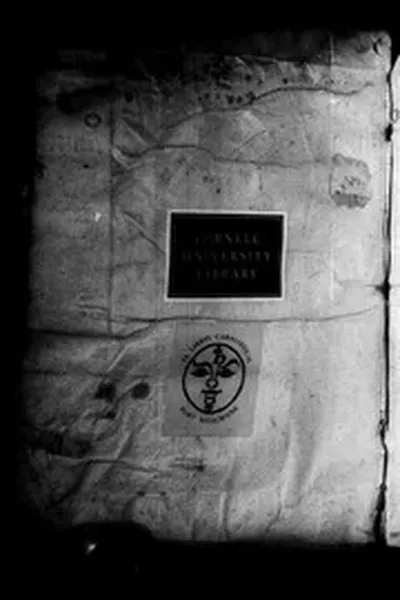
De la demonomanie des sorciers ... 1587: Iss 127

 71
71

De la demonomanie des sorciers ... 1587: Iss 127



Alaric Kestrel (Metaphysical Studies Reviewer) — Jean Bodin's 'De la demonomanie des sorciers' remains a cornerstone for understanding the historical construction of witchcraft. Esoteric Library's digitized offering provides invaluable access to this 1587 treatise. Bodin’s rigorous, though deeply biased, approach to demonology reveals the intellectual and societal frameworks that fueled witch hunts. For serious students of occult history, comparative religion, and the evolution of belief systems, this work is indispensable. It illuminates the pervasive fear of the demonic and its perceived impact on the physical and spiritual worlds, offering critical insights into the anxieties of the late Renaissance. Its enduring relevance lies in understanding the psychological and social underpinnings of persecution.
📝 Description
71
Jean Bodin's 1587 treatise 'De la demonomanie des sorciers' examines witchcraft through a jurist's lens.
Published in 1587, Jean Bodin's 'De la demonomanie des sorciers' is a detailed examination of witchcraft and demonology from the perspective of a 16th-century jurist and philosopher. Bodin, a respected legal and political thinker, approached the subject with a structured argument, drawing on theological doctrine, legal codes, and his personal conviction regarding the reality of demonic intervention.
The book systematically outlines what Bodin understood as the practices of sorcerers, including alleged pacts with demons and the methods used in their alleged rituals. It also details the legal and theological justifications for identifying and prosecuting individuals accused of witchcraft during that period. Beyond its historical accounts of legal proceedings and beliefs, the work reflects broader societal anxieties concerning evil and the human desire to comprehend unseen forces.
This text offers insight into the intellectual climate of late 16th-century Europe, a time when supernatural beliefs were intertwined with legal and theological frameworks. It stands as a primary source for understanding how learned individuals of the era conceptualized witchcraft and the perceived threat it posed to social order.
Jean Bodin's work is a significant artifact within the history of Western esoteric thought, particularly concerning demonology and demon-haunted worldviews. While written from a legal and philosophical standpoint, it directly addresses beliefs about occult practices and supernatural entities that were prevalent in both popular and learned circles. Its detailed cataloging of supposed demonic pacts and sorcerous rites provides a window into the specific frameworks used to understand and combat perceived malevolent forces. This book contributes to the study of how such beliefs were codified and integrated into the legal and intellectual structures of the time, influencing subsequent discussions on magic and the supernatural.
💡 Why Read This Book?
This book offers a vital historical lens into the perceived reality of witchcraft and demonology in the late Renaissance. It's essential for scholars, practitioners seeking historical context, and seekers of forbidden knowledge who wish to understand the deep-seated fears and beliefs that shaped European society and its relationship with the occult. Explore the roots of demonological thought and its societal impact.
⭐ Reader Reviews
Honest opinions from readers who have explored this book.
❓ Frequently Asked Questions
What is the primary focus of 'De la demonomanie des sorciers'?
The book primarily focuses on the author's juridical and theological arguments concerning the existence of sorcerers, their pacts with demons, and the methods for their prosecution and punishment.
Who was Jean Bodin and what was his role?
Jean Bodin (1530-1596) was a prominent French jurist, political philosopher, and economist of the 16th century, known for his theories on sovereignty. In this work, he applies his legal and logical acumen to the subject of witchcraft.
What historical period does this book reflect?
This book reflects the fervent religious and social climate of the late 16th century, a period marked by widespread fear of witchcraft and intense efforts to eradicate it across Europe.
Is this book a practical guide to witchcraft?
No, this is not a practical guide to witchcraft. It is a historical and theological text that condemns witchcraft, detailing alleged practices from a persecutor's perspective.
What is the significance of this work for understanding occult history?
Its significance lies in its comprehensive overview of demonological beliefs and legal frameworks of the era, shaping subsequent European attitudes and policies towards witchcraft for generations.
🔮 Key Themes & Symbolism
The Nature of Demonic Influence
Bodin meticulously dissects the perceived mechanisms through which demonic forces interact with the human realm. He explores the concept of pacts, both explicit and implicit, between sorcerers and the Devil, detailing the rituals and sacrifices believed to solidify these unholy alliances. The text looks at the supposed powers granted to witches through their demonic patrons, ranging from destructive magic to the corruption of souls. This theme is crucial for understanding the theological underpinnings of the witch trials, illustrating how belief in direct diabolical intervention shaped justice and societal fear.
The Juridical Framework of Witch Trials
As a jurist, Bodin applies legal reasoning to the prosecution of witchcraft, outlining specific offenses, the types of evidence deemed admissible, and the legal procedures for interrogation and conviction. He argues for the necessity of severe penalties, viewing witchcraft as a grave crime against God and society. This theme provides critical insight into the legal apparatus that facilitated the widespread persecution of individuals accused of sorcery, revealing the intersection of law, religion, and social control in the early modern period.
Societal Anxiety and the 'Other'
This work serves as a powerful evidence of the deep-seated anxieties of 16th-century European society, particularly concerning religious upheaval, social disorder, and the perceived presence of evil. The figure of the witch becomes a focal point for these fears, embodying the 'other' who transgresses societal norms and divine laws. Bodin's treatise, by cataloging and condemning these perceived transgressions, reflects a collective desire to identify and purge perceived threats, thereby reinforcing social cohesion and religious orthodoxy in a turbulent era.
💬 Memorable Quotes
Direct passages from the work, attributed to the author.
“There is no greater enemy to man then the devill.”
— Highlighting the perceived existential threat posed by the Devil, this statement underscores the urgency and severity with which Bodin viewed any manifestation of his influence, including witchcraft.
“The Witch doth often flie in the night.”
— This refers to common folklore and accusations surrounding witches, suggesting their nocturnal activities and ability to traverse the skies, often linked to demonic powers and secret gatherings.
“Sorcery is a most execrable offence against God.”
— This emphasizes the religious dimension of Bodin's argument, framing witchcraft not merely as a crime against humanity but as a direct affront to divine authority, justifying extreme measures of punishment.
“We must be diligent in rooting out such wickednesse.”
— This calls for active and unwavering efforts in identifying and eradicating witchcraft, reflecting the zealous and often brutal approach advocated by Bodin and others in combating perceived demonic influence.
💡 Key Ideas
Editorial paraphrase of the work's core concepts — not direct quotes.
The Devil is the very author of all wickednesse.
This quote expresses Bodin's fundamental belief that all malevolent acts and perceived supernatural transgressions originate from the Devil, establishing a clear theological basis for his condemnations.
🌙 Esoteric Significance
Tradition
While Bodin himself was a jurist and philosopher, his work is deeply embedded in the Christian occult tradition of the late Renaissance. It reflects a period where demonology was a significant aspect of theological and cosmological understanding. The text engages with concepts of spiritual warfare, the hierarchy of demons, and the perceived mechanisms of their influence on the material world, aligning with a worldview where the unseen realms held immense power and agency over human affairs.
Symbolism
The symbolism within Bodin's text is primarily derived from Christian eschatology and demonology. The Devil is the ultimate symbol of corruption, rebellion, and anti-divinity. Witches, through their pacts, become symbols of betrayal and the perversion of natural order. Their supposed rituals, often involving animals, herbs, and illicit acts, are imbued with dark symbolism, representing a perversion of sacred rites and a descent into primal, chaotic forces. The very act of accusation and prosecution becomes symbolic of society's struggle to maintain divine order against encroaching darkness.
Modern Relevance
In modern times, Bodin's 'De la demonomanie des sorciers' holds relevance not as a guide to occult practice, but as a profound historical document. It offers critical insights into the psychology of fear, the construction of societal 'others,' and the historical interplay between religion, law, and power. For esoteric practitioners, it illuminates the historical roots of demonology and the enduring human fascination with the shadow aspects of existence. It serves as a cautionary tale about the dangers of mass hysteria, ideological rigidity, and the persecution of marginalized groups, offering lessons applicable to contemporary social and political discourse.
👥 Who Should Read This Book
This foundational text is essential for several distinct audiences. Scholars of Renaissance history, religious studies, and the history of law will find it an indispensable primary source for understanding the intellectual and legal underpinnings of witchcraft persecution. Esoteric practitioners and occult historians seeking to trace the lineage of demonological beliefs and understand the historical context of Western occultism will find invaluable insights. For seekers of forbidden knowledge and those interested in the darker aspects of human belief systems, Bodin's rigorous, albeit biased, examination offers a chilling yet compelling exploration of fear, faith, and the perceived forces of evil.
📜 Historical Context
Published in 1587, 'De la demonomanie des sorciers' emerged during a period of intense religious fervor and widespread fear of witchcraft across Europe. The Protestant Reformation and the Catholic Counter-Reformation had created a climate of theological anxiety, where the Devil was perceived as actively working to undermine faith and social order. Judicial systems were grappling with how to define and prosecute what was considered a new and insidious form of heresy and crime. Bodin's work, written by a respected jurist and philosopher, lent significant intellectual weight to the prevailing belief in demonic pacts and the reality of witchcraft. It provided a comprehensive, albeit biased, framework that influenced legal practices and public perception for decades, contributing to the wave of witch trials that swept through many parts of the continent and beyond. Its publication solidified the idea of the witch as a tangible threat, a tangible manifestation of evil to be combated with the full force of law and faith.
📔 Journal Prompts
How did Bodin's legal background influence his approach to demonology?
Analyze the societal anxieties reflected in the descriptions of witchcraft.
Compare Bodin's views on demons with modern interpretations of psychological archetypes.
What ethical considerations arise from reading a text that justified persecution?
How has the concept of 'evil' evolved from Bodin's era to the present day?
🗂️ Glossary
Demonomanie
The belief in, and study of, demons and their influence on the human world. Bodin's work is a treatise on this concept.
Sorcerer
An individual believed to practice magic, often in league with evil spirits, and considered a threat to society and divine order.
Pact
A formal agreement, often seen as made between a sorcerer and a demon, granting supernatural powers in exchange for service or allegiance.
Heretic
One who holds beliefs contrary to the established doctrines of a religion, often viewed as an enemy of God and the Church.
Magistrate
A public official invested with executive, judicial, or administrative authority; in this context, a judge or legal authority involved in prosecuting witchcraft.
This book appears in 2 collections
🔮 Readers Also Liked
Browse all →






![CIA Reading Room cia-rdp75-00149r000200590003-6: PROTECTING [PRIVACY AND FREEDOM]](/img/thumb/cia-reading-room-cia-rdp75-00149r000200590003-6-protecting-privacy-and-freedom-cia-reading-room.webp)

More by BODIN, Jean, 1530-1596.
All books →


From the “Witchcraft” Collection
View all →






![BAILEY, Michael D. Historical Dictionary Of Witchcraft. [inglês]](/img/thumb/bailey-michael-d-historical-dictionary-of-witchcraft-ingl-s.webp)

More Free Witchcraft & Paganism Books
View all →