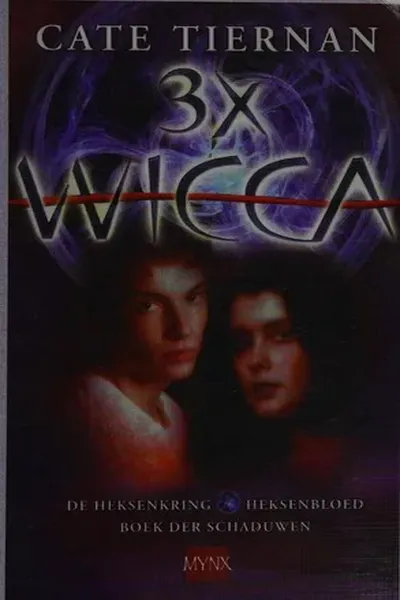
Io. Bodini Andegavensis De magovrvm daemonomania libri IV. Nvnc primvm e Gallico in Latinum translati per Lotarivm Philoponvm. ... 1581: Iss 131

 77
77

Io. Bodini Andegavensis De magovrvm daemonomania libri IV. Nvnc primvm e Gallico in Latinum translati per Lotarivm Philoponvm. ... 1581: Iss 131



Sophia Crane (Associate Editor) — 'De Magorum Daemonomania' by Jean Bodin is an indispensable primary source for scholars of early modern occultism and demonology. This meticulously translated Latin edition illuminates Bodin's rigorous, albeit often biased, examination of witchcraft. It offers profound insights into the legal, theological, and psychological underpinnings of witch accusations, revealing the societal fears that fueled persecution. While challenging, its detailed arguments and historical context are invaluable for understanding the intellectual landscape of the 16th century. Recommended for advanced researchers and serious students of historical magic and demonology.
📝 Description
77
Jean Bodin's 'De Magorum Daemonomania,' translated into Latin in 1581, examines the legal and theological basis for persecuting witchcraft.
This 1581 Latin translation by Lotharius Philoponus presents Jean Bodin's treatise on witchcraft and demonology. Bodin, a jurist and philosopher, systematically analyzes the beliefs and practices attributed to sorcerers and those believed to have made pacts with demons. He draws upon legal testimonies, historical precedents, and theological arguments to construct his case against 'daemonomancy.' The book details the perceived structures of witchcraft, the nature of demonic influence, and the societal fears that characterized the late 16th century.
Beyond cataloging accusations, Bodin's work reflects the intellectual climate of his time, where religious anxieties and an understanding of the supernatural deeply affected legal and social structures. It shows how the fear of malevolent spirits shaped the era's worldview. For those interested in the history of occult studies, this text provides insight into the intellectual currents that underpinned witch trials, illustrating the blend of superstition, religious doctrine, and emerging rationalism.
Jean Bodin's work emerged during a period of intense interest in the supernatural, a time when the boundaries between folk magic, heresy, and genuine diabolical influence were hotly debated. His systematic approach to demonology and witchcraft places him within a tradition of learned magical and theological inquiry that sought to categorize and understand perceived occult forces. This contrasts with more popular or purely folkloric accounts, as Bodin engages with legal and philosophical reasoning to address what he considered a grave societal threat. His text contributed to the intellectual framework used to identify and prosecute those accused of practicing harmful magic.
💡 Why Read This Book?
Uncover the historical discourse on witchcraft and demonology, understand the legal and theological frameworks of the era, and explore the societal anxieties surrounding the occult. This work is essential for scholars of esotericism, historians of magic, and anyone seeking to comprehend the roots of demonological thought and its impact on Western culture.
⭐ Reader Reviews
Honest opinions from readers who have explored this book.
❓ Frequently Asked Questions
Who was Jean Bodin and what was his role in the study of witchcraft?
Jean Bodin (1530-1596) was a prominent French jurist, philosopher, and political theorist. He was a significant figure in the intellectual landscape of his time, and his 'De Magorum Daemonomania' was a widely influential work that contributed to the demonological discourse of the 16th century.
What does 'Daemonomania' refer to?
'Daemonomania' is a term that describes a widespread belief in, or obsession with, demons and their influence on the world. It encompasses the idea that individuals could be possessed by or in league with demonic entities.
What is the significance of this Latin translation?
This 1581 Latin translation by Lotharius Philoponus made Bodin's original French work accessible to a wider, scholarly audience across Europe. Latin was the lingua franca of academia, thus facilitating its dissemination and influence on subsequent demonological and legal texts.
Is this book a practical guide to magic?
No, 'De Magorum Daemonomania' is primarily a theoretical and legalistic treatise, not a practical grimoire. Bodin's aim was to understand, categorize, and condemn witchcraft from a legal and theological perspective, not to teach its practice.
What kind of historical information can be found in this text?
The book contains descriptions of alleged witch practices, the perceived nature of demons, legal procedures for dealing with witchcraft accusations, and theological arguments justifying the persecution of sorcerers, offering a window into 16th-century beliefs and fears.
🔮 Key Themes & Symbolism
Theology and Demonology
Bodin meticulously explores the theological underpinnings of his era's understanding of demons and their interaction with the human realm. He draws heavily on scripture, patristic writings, and contemporary theological debates to construct a framework for understanding demonic influence, possession, and the perceived pacts between humans and infernal spirits. This theme examines the divine order, the nature of evil, and the perceived battle between good and God's forces against the machinations of Satan and his legions.
Legal and Judicial Frameworks of Witchcraft
A significant portion of Bodin's work is dedicated to the legal ramifications of witchcraft. He examines existing laws, judicial precedents, and the procedures employed in prosecuting alleged witches. This theme highlights the intersection of justice, superstition, and fear, as Bodin attempts to establish a rational (within his era's context) basis for identifying, apprehending, and punishing those accused of engaging in 'daemonomancy.' It reveals the societal mechanisms put in place to combat perceived supernatural threats.
The Nature and Manifestations of Sorcery
Bodin offers detailed, albeit often sensationalized, accounts of what he and his contemporaries believed constituted sorcery. This includes descriptions of alleged rituals, curses, familiars, shape-shifting, and the perceived powers granted by demonic pacts. The text attempts to categorize and explain the various forms of witchcraft, providing insight into the folklore, superstitions, and collective imagination that fueled the widespread fear of practitioners of dark arts.
💬 Memorable Quotes
Direct passages from the work, attributed to the author.
“For it is certain that witches have the power to harm, and to kill men and beasts.”
— This highlights Bodin's belief in the tangible, destructive power attributed to witches, reflecting the pervasive fear of their malevolent capabilities that permeated society.
“Demons are spirits that fall away from God.”
— A concise theological statement defining the origin and nature of demons as fallen celestial beings, central to the Christian worldview of the era.
“The laws of princes ought to be founded upon justice and reason.”
— Despite his focus on demonology, Bodin's background as a jurist surfaces here, suggesting a desire for a rational (albeit flawed by modern standards) legal basis for dealing with perceived threats, even supernatural ones.
💡 Key Ideas
Editorial paraphrase of the work's core concepts — not direct quotes.
The very name of witch signifies an impious person, a sorceress, a magician.
This quote captures Bodin's foundational definition of a witch, immediately framing them as inherently irreligious and practitioners of forbidden arts, setting the tone for his condemnatory approach.
The Devil is the author of all evils.
This quote emphasizes the ultimate source of perceived evil and misfortune, attributing it to Satan and his influence, a core part of demonological doctrine.
🌙 Esoteric Significance
Tradition
This work is a core part of Western demonological literature, deeply rooted in Abrahamic theological traditions, particularly Christianity. It engages with concepts prevalent in Neoplatonism and earlier pagan beliefs that were reinterpreted and incorporated into Christian demonology. Its significance lies in its attempt to systematize and legitimize the study of the 'occult' from a specific, albeit persecutory, religious and legal viewpoint, influencing later occultists and philosophers who would either build upon or react against its premises.
Symbolism
While not overtly symbolic in the manner of grimoires, 'De Magorum Daemonomania' is rich with symbolic meaning inherent in its subject matter. Demons themselves are symbols of chaos, temptation, and the antithesis of divine order. The act of 'daemonomancy' symbolizes humanity's perceived fall from grace and the allure of forbidden knowledge or power. The witch trials and their associated imagery—heresy, pacts, infernal gatherings—became potent symbols of societal anxieties about moral decay and the intrusion of evil into the mundane world.
Modern Relevance
In contemporary esoteric studies, Bodin's text offers invaluable historical context for understanding the evolution of beliefs about magic, witchcraft, and the supernatural. It serves as a critical primary source for scholars examining the psychology of persecution, the intersection of religion and law, and the historical construction of 'the other.' For practitioners of modern witchcraft or paganism, it provides a crucial, albeit often disturbing, glimpse into the historical forces that shaped their traditions and the societal prejudices they have historically faced.
👥 Who Should Read This Book
This profound text is essential for academic researchers specializing in the history of witchcraft, demonology, and early modern European thought. It is also highly recommended for serious students of occult history and religious studies seeking to understand the intellectual foundations of widespread witch panics. Practitioners of modern pagan and witchcraft traditions will find it clear for grasping the historical context and societal forces that have shaped their disciplines. While potentially disturbing, it offers a critical lens for anyone interested in the complex interplay of belief, fear, and power throughout history.
📜 Historical Context
Published in 1581, Jean Bodin's 'De Magorum Daemonomania' emerged during a period of intense religious upheaval and social anxiety across Europe, known as the Early Modern era. The Reformation and Counter-Reformation had fractured religious unity, leading to heightened suspicion and persecution of perceived heresy and deviation. Witch trials were at their zenith, fueled by a potent blend of theological dogma, folk beliefs, and legalistic fervor. Bodin's work, originally in French and then translated into Latin, was a significant contribution to this widespread 'daemonomaniacal' literature. It sought to provide a comprehensive, rationalized (within the era's framework) account of witchcraft, its practitioners, and the perceived threat they posed to both the spiritual and temporal order. The text reflected the prevailing worldview where the supernatural was not merely a matter of belief but a tangible force actively influencing human affairs, requiring rigorous investigation and severe punishment.
📔 Journal Prompts
How did Bodin's legal background influence his approach to demonology?
Analyze the societal anxieties reflected in Bodin's descriptions of witchcraft.
Compare and contrast Bodin's view of demons with contemporary metaphysical understandings.
What ethical considerations arise when studying historical texts that advocate persecution?
How has the perception of witchcraft evolved from Bodin's era to the present day?
🗂️ Glossary
Daemonomancy
A term referring to the practice or divination of sorcery, particularly that which involves invoking or commanding demonic spirits. It implies a pact or interaction with malevolent supernatural entities for power or knowledge.
Witchcraft
In the context of Bodin's work, this refers to the alleged practice of magic, sorcery, or the use of supernatural means, often believed to be in league with demonic forces, to cause harm or achieve forbidden ends.
Familiars
In folklore and demonology, familiars are supernatural entities, often in animal form, believed to serve a witch, offering assistance and companionship in exchange for protection or sustenance.
Pact
A formal agreement, often believed to be made with the Devil, where an individual renounces their faith and pledges allegiance in exchange for supernatural powers, knowledge, or worldly gains.
Lingua Franca
A language that is adopted as a common language between speakers whose native languages are different. In this context, Latin served as the lingua franca of academia and scholarship in Europe.
This book appears in 2 collections
🔮 Readers Also Liked
Browse all →







More by BODIN, Jean, 1530-1596.
All books →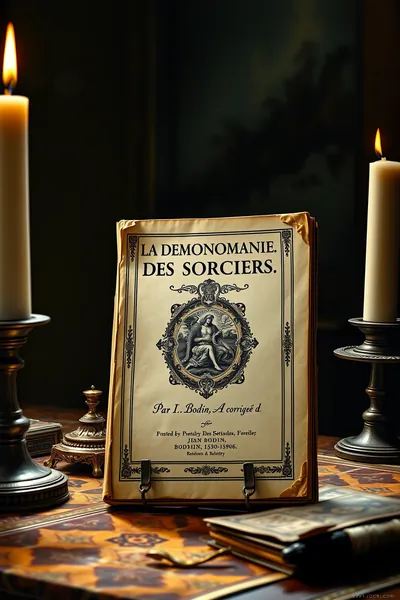




From the “Witchcraft” Collection
View all →




More Free Witchcraft & Paganism Books
View all →