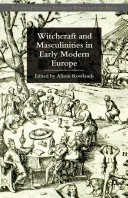
Witchcraft and Masculinities in Early Modern Europe
 76
76

Witchcraft and Masculinities in Early Modern Europe
Rowlands' "Witchcraft and Masculinities in Early Modern Europe" offers a vital corrective to scholarship that has historically centered female experience in witch trials. The strength of this collection lies in its meticulous case studies, which demonstrate the diverse roles men occupied within the witchcraft nexus. One particularly compelling aspect is the exploration of male witch-hunters, not merely as agents of persecution but as figures whose own anxieties and social positions might have shaped their actions, as seen in the discussions of English and Scottish cases. However, the sheer academic density of some essays might present a barrier to readers less familiar with specialized historical terminology, occasionally obscuring the broader implications. A limitation is the lack of a single, overarching theoretical framework tying all essays together, leaving some analyses feeling somewhat disparate. Despite this, the book remains an indispensable resource for understanding the gendered dimensions of early modern European witchcraft, providing a granular view of how masculinity itself was both a lens and a target in the period's most notorious persecutions. It’s a crucial addition for anyone studying the social history of magic.
📝 Description
76
A. Rowlands' 2009 collection examines how early modern European witchcraft perceptions implicated men.
This 2009 collection, edited by A. Rowlands, shifts focus in witchcraft studies from the prevalent examination of accused women to the roles and perceptions of men in early modern Europe. The essays investigate how masculinity intersected with beliefs and accusations surrounding witchcraft. They analyze historical trials, demonological texts, and the social structures that informed witch persecution.
The volume draws on cases from England, Scotland, Italy, Germany, and France, highlighting the widespread nature of these gendered interpretations of witchcraft. It builds on earlier scholarship concerning witchcraft but addresses a gap by foregrounding male experiences and representations within this historical context. The work is suited for academics and students of early modern history, gender studies, and the history of magic and religion.
While not strictly an esoteric text, this book contributes to understanding the historical construction of beliefs surrounding the supernatural and occult. It places the phenomenon of witchcraft within the social, legal, and cultural frameworks of early modern Europe, examining how anxieties and societal structures shaped perceptions of malevolent forces and individuals. The work implicitly engages with the history of magical thinking and its societal impact, rather than advocating for specific magical practices.
💡 Why Read This Book?
• Gain an understanding of male roles in witchcraft accusations, moving beyond the typical focus on women, by examining specific case studies from 16th and 17th-century France and Germany. • Explore how concepts of masculinity, including aggression and demonic influence, were actively debated and enforced during the period's witch trials, as detailed in the essays on werewolves. • Appreciate the comparative history of witchcraft across different European regions, understanding how national and regional legal systems and social anxieties shaped the persecution of men, as presented in sections on England and Scotland.
⭐ Reader Reviews
Honest opinions from readers who have explored this book.
❓ Frequently Asked Questions
What is the primary focus of 'Witchcraft and Masculinities in Early Modern Europe'?
The book's primary focus is on the under-examined roles of men in early modern European witchcraft phenomena, encompassing accused witches, witch-hunters, and figures like werewolves, from the 15th to the 18th centuries.
Which European countries are covered in the case studies?
The collection features original case studies from England, Scotland, Italy, Germany, and France, offering a broad geographical scope for understanding witchcraft beliefs and persecution.
Does this book only discuss male witches?
No, it examines men in various capacities related to witchcraft, including those accused, those who accused others (witch-hunters), and men perceived as demonically possessed or transformed, like werewolves.
Who is the author of 'Witchcraft and Masculinities in Early Modern Europe'?
The book is an edited collection with contributions from leading scholars, compiled and introduced by A. Rowlands.
What historical period does the book cover?
The book focuses on the early modern period in Europe, generally spanning from the late 15th century through the 18th century, the peak era for witch accusations and trials.
Is this book suitable for beginners in witchcraft studies?
While accessible, the book is written for an academic audience. Beginners might find it more rewarding after gaining some foundational knowledge of early modern history and witchcraft studies.
🔮 Key Themes & Symbolism
Male Witch Accusations
This collection foregrounds the often-overlooked accusations leveled against men in early modern Europe. It analyzes how masculinity, with its associated traits of aggression, power, and even perceived effeminacy, could be interpreted as evidence of demonic pacts or sorcery. Case studies from diverse regions like Italy and Germany reveal the specific cultural contexts that shaped these accusations, moving beyond the predominantly female image of the witch to a more complex, gender-inclusive understanding of magical crime.
The Role of the Witch-Hunter
Beyond merely prosecuting alleged witches, the book examines the identity and motivations of male witch-hunters themselves. It investigates how figures like the English witch-finder Matthew Hopkins operated within specific social and legal frameworks. The essays explore the psychological and societal pressures that led these men to engage in the often brutal pursuit of sorcery, considering how their own performance of masculinity influenced their methods and the outcomes of trials.
Werewolves and Demonic Possession
The phenomenon of lycanthropy (werewolf beliefs) and male demonic possession receives focused attention, particularly in relation to male identity. The book explores how the association of men with predatory beasts or infernal forces reflected contemporary anxieties about male control, bestiality, and the permeable boundaries between the human and the supernatural. These analyses, drawing on examples from France and Scotland, highlight how such beliefs served to police male behavior and define acceptable forms of masculinity.
Gendering Witch Persecution
A central theme is the pervasive gendering of witch persecution and belief systems. The collection argues that gender was a critical lens through which individuals were perceived as potential witches or agents of witchcraft. By analyzing the intersection of gender, social status, and accusations across various European locales, the essays illuminate how both male and female identities were shaped by, and contributed to, the dynamics of witch hunts.
💬 Memorable Quotes
Direct passages from the work, attributed to the author.
“Men – as accused witches, witch-hunters, werewolves and the demonically possessed – are the focus of analysis.”
— This direct statement from the introduction establishes the book's core objective: to shift scholarly attention from the traditional focus on female witches to the diverse and significant roles men played in the discourse and practice of witchcraft.
“The gendering of witch persecution and witchcraft belief is explored through original case-studies.”
— This highlights the methodological approach, emphasizing that gender is not just a backdrop but an active force shaping perceptions and actions within the context of historical witchcraft beliefs and legal proceedings across Europe.
“The collection of essays by leading scholars of early modern European witchcraft.”
— This indicates the academic rigor and authority of the volume, assuring readers that the analyses are based on extensive research and expertise from established figures in the field of early modern history and demonology.
“Original case-studies from England, Scotland, Italy, Germany and France.”
— This points to the empirical foundation of the book, demonstrating its commitment to providing detailed, region-specific evidence to support its arguments about the varied manifestations of male involvement in witchcraft.
💡 Key Ideas
Editorial paraphrase of the work's core concepts — not direct quotes.
Men's engagement with witchcraft was complex, encompassing accusation, defense, and assumed agency.
This paraphrased concept reflects the nuanced portrayal of men in the book, suggesting that their relationship with witchcraft was not monolithic but varied significantly depending on their social role and the specific historical circumstances.
🌙 Esoteric Significance
Tradition
While not directly aligned with a specific esoteric lineage like Hermeticism or Kabbalah, this work contributes to a broader esoteric understanding of historical belief systems. It examines the psychological and societal factors that fueled demonological narratives, which often form the bedrock of Western magical and occult traditions. By dissecting the construction of 'the witch' and 'the sorcerer,' it offers a historical lens through which to view the evolution of concepts like pacts with the devil, demonic possession, and shapeshifting, themes recurrent in grimoires and occult lore.
Symbolism
The book implicitly engages with symbols of male power and transgression prevalent in early modern Europe. The werewolf, for instance, serves as a potent symbol of uncontrolled male aggression, bestiality, and the blurring of human and animalistic natures – themes explored in various occult traditions concerning primal urges. The figure of the male witch, often depicted as a perverter of divine order or a practitioner of forbidden knowledge, also carries symbolic weight, representing the shadow self or the seductive allure of forbidden power that resonates within certain esoteric paths.
Modern Relevance
Contemporary practitioners and scholars of Western esotericism, particularly those interested in historical magic, demonology, and gender in occultism, draw on works like this. It informs modern understandings of how historical anxieties about male power, sexual transgression, and the demonic were codified into belief systems that influenced magical practices and occult theories. Thinkers exploring the historical roots of concepts found in modern witchcraft, ceremonial magic, or even contemporary paganism can gain critical context regarding the social and gendered dynamics that shaped these traditions' precursors.
👥 Who Should Read This Book
• Academics and advanced students of early modern European history, gender studies, and the history of magic and religion, who require detailed scholarly analysis and comparative case studies. • Researchers investigating the social construction of gender and power dynamics in historical contexts, particularly how concepts of masculinity influenced legal and social persecution. • Individuals interested in the broader cultural history of witchcraft beyond the common focus on female accused witches, seeking to understand the complex roles men played in these phenomena.
📜 Historical Context
Published in 2009, "Witchcraft and Masculinities in Early Modern Europe" entered a field already rich with scholarship on the witch trials, yet it addressed a significant lacuna. While scholars like Christina Larner had previously examined Scottish witchcraft, and historians continued to build upon the work of figures like Carlo Ginzburg and his analysis of folk beliefs, the specific focus on male experiences within witchcraft discourse remained relatively underexplored. The late 20th and early 21st centuries saw a surge in gender studies, prompting a re-evaluation of historical phenomena through this lens. This collection emerged as part of that broader intellectual current, challenging the prevailing narrative that witch hunts were exclusively or even primarily concerned with persecuting women. By foregrounding male figures—whether as accused, accusers, or imagined entities like werewolves—the book provided crucial comparative insights, demonstrating the pan-European nature of these gendered anxieties and legal processes during a period marked by intense religious and social upheaval.
📔 Journal Prompts
The male witch-hunter's positionality and the gendered performance of authority.
Werewolf symbolism as an expression of anxieties surrounding male transgression.
Comparing the gendering of accusations in English versus Italian witch trials.
The demonically possessed man as a site of religious and social control.
Reconstructing the masculinity of an accused male sorcerer from fragmented trial records.
🗂️ Glossary
Masculinities
Refers to the various ways societies construct and understand male identity, roles, and behaviors, acknowledging that masculinity is not monolithic but diverse and context-dependent.
Witch-hunter
An individual, often acting officially or unofficially, who actively sought out, accused, and pursued individuals believed to be practicing witchcraft during the early modern period.
Lycanthropy
The condition of being a werewolf; the belief that humans can transform into wolves, often associated with demonic pacts or supernatural influence in early modern folklore and trials.
Demonically Possessed
The state of being inhabited or controlled by a demon or evil spirit, a concept frequently invoked in early modern Europe to explain aberrant behavior or perceived supernatural influence.
Gendering
The process by which societal norms, expectations, and identities related to being male or female are constructed and applied, influencing perceptions and actions, particularly in the context of witchcraft.
Early Modern Europe
The historical period generally spanning from the late 15th century to the late 18th century, characterized by significant social, religious, political, and economic changes, including the peak of witch trials.
Case Study
An in-depth analysis of a specific instance or example, used in this book to examine particular historical events, individuals, or trials related to witchcraft.