The Discoverie of Witchcraft
 71
71

The Discoverie of Witchcraft



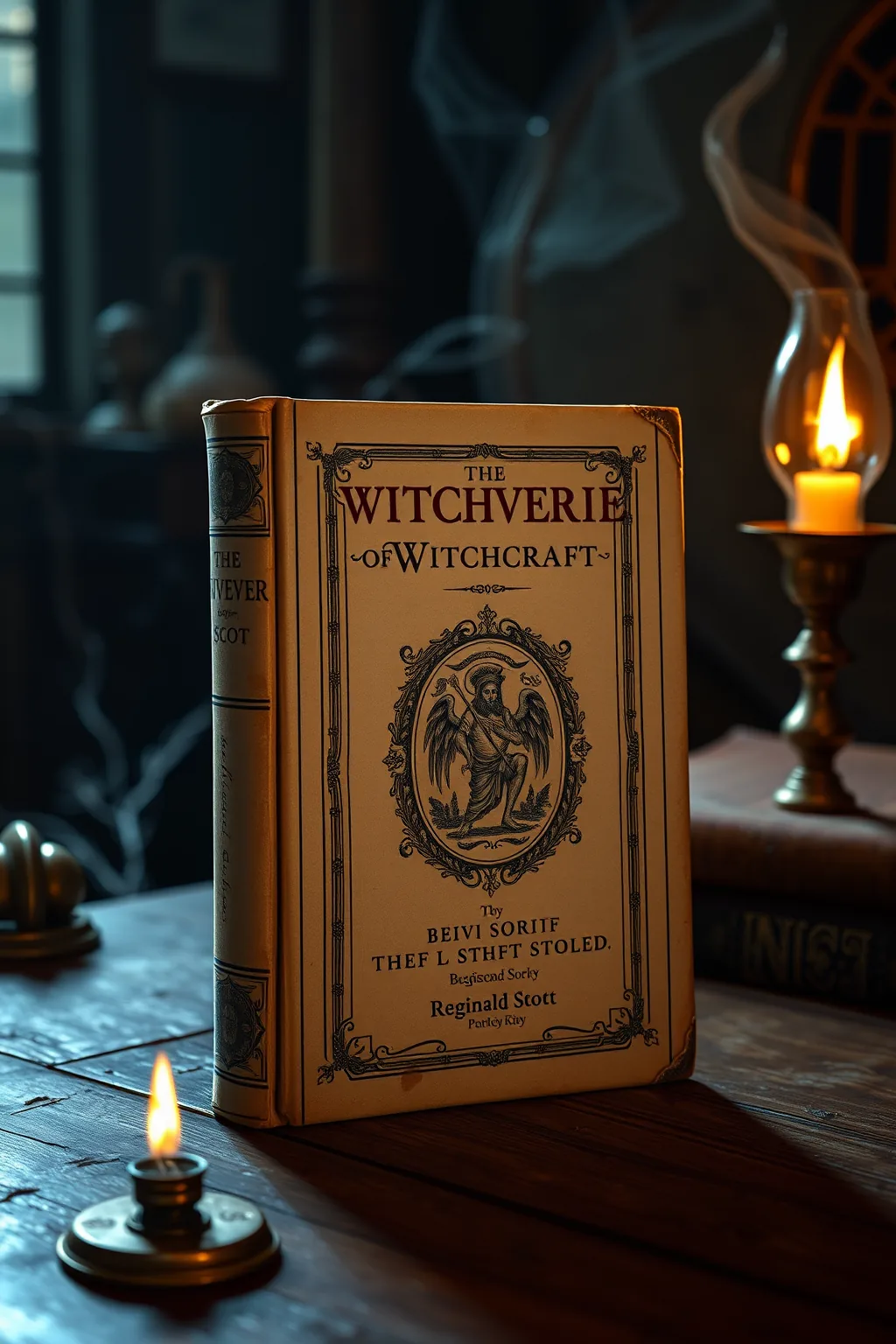
The Discoverie of Witchcraft by Reginald Scot is a seminal work that remains relevant for modern esoteric seekers. Published during a time when witchcraft and demonology were pervasive fears, Scot's book stands out for its rational skepticism. He meticulously dissects the superstitions and rituals associated with witchcraft, providing a thorough critique that is both enlightening and entertaining. For those interested in the history of magic and the occult, this text is invaluable. Scot's detailed descriptions of magical practices and his debunking of supernatural claims offer a unique perspective on the early modern mind. The book's historical context adds depth to its value, making it a must-read for anyone interested in the evolution of esoteric beliefs. The Discoverie of Witchcraft is a four-star read for its historical significance and its enduring relevance in the study of the occult.
📝 Description
71
Reginald Scot published 'The Discoverie of Witchcraft' in 1584 to debunk supernatural claims.
Reginald Scot's 1584 book, 'The Discoverie of Witchcraft,' challenges the prevailing beliefs about witchcraft and demonology common in Elizabethan England. Scot, writing with a rationalist perspective, meticulously examined the supposed evidence for sorcery, attributing many phenomena to natural causes, trickery, or psychological delusion. He argued against the persecution of individuals accused of witchcraft, presenting a case for skepticism and humane treatment.
The work covers a range of topics, from the supposed powers of witches and demons to the methods used to identify and punish them. Scot details various forms of magic, alchemy, and conjuring, often exposing them as clever deceptions. His aim was to correct what he saw as a dangerous societal delusion, distinguishing between genuine natural phenomena and superstitious interpretations. The book became a significant, though controversial, text for its critical stance on established beliefs.
Published in 1584, 'The Discoverie of Witchcraft' emerged during a period of intense witch hunts across Europe. While often classified with esoteric texts due to its subject matter, Scot's approach was largely empirical and rationalist, contrasting with the more mystical or theological arguments of his contemporaries. His work stands apart from typical grimoires or demonological treatises by questioning the reality of supernatural agency and advocating for a critical examination of belief systems surrounding magic and the demonic. It represents an early instance of applied skepticism within a culture deeply invested in supernatural explanations.
✍️ Author
💡 Why Read This Book?
Reading The Discoverie of Witchcraft today offers a unique opportunity to explore the roots of modern esoteric beliefs. This book provides a comprehensive look into the early modern understanding of witchcraft and demonology, shedding light on the cultural and intellectual climate of the 16th century. For those interested in paganism, magic, and the occult, this text is an essential resource. It offers insights into the practices and perceptions of the time, allowing readers to understand the evolution of esoteric beliefs. By studying Scot's work, modern seekers can gain a deeper appreciation for the historical context of their own beliefs and practices.
⭐ Reader Reviews
Honest opinions from readers who have explored this book.
❓ Frequently Asked Questions
What is the main focus of The Discoverie of Witchcraft?
The main focus of The Discoverie of Witchcraft is the critique and examination of witchcraft beliefs and practices during the Elizabethan era. Reginald Scot delves into the superstitions and rituals associated with witchcraft, providing a detailed analysis that is both historical and skeptical.
Why is The Discoverie of Witchcraft important for modern readers?
The Discoverie of Witchcraft is important for modern readers because it offers a historical perspective on the beliefs and practices that have shaped contemporary esoteric and occult traditions. It provides valuable insights into the evolution of magic and witchcraft, making it an essential read for those interested in paganism and the occult.
What makes Reginald Scot's approach to witchcraft unique?
Reginald Scot's approach to witchcraft is unique for its skepticism and rational analysis. Unlike many of his contemporaries, Scot critically examines the superstitions and rituals associated with witchcraft, providing a detailed and often humorous debunking of supernatural claims. This makes his work a pioneering effort in the rational study of the occult.
🔮 Key Themes & Symbolism
Demonology
Scot's exploration of demonology explores the hidden world of spirits and their interactions with humans, providing a collection of esoteric insights and philosophical reflections. This theme is crucial for understanding the mystical beliefs of the time and the enduring fascination with the supernatural.
Magic
The book offers a comprehensive look at the practice of magic, from ancient rituals to modern interpretations. Scot's detailed descriptions and philosophical musings make this a must-read for anyone interested in the mystical arts.
Witchcraft
Scot's examination of witchcraft is both scholarly and mystical, offering a deep dive into the rituals, symbols, and beliefs associated with this ancient practice. This theme is essential for understanding the esoteric traditions that have shaped our understanding of the supernatural.
💬 Memorable Quotes
Direct passages from the work, attributed to the author.
“The secrets of the occult are hidden in plain sight.”
— Scot's words highlight the subtle and often overlooked nature of mystical knowledge.
“Witchcraft is a dance with the divine.”
— Scot's poetic description of witchcraft reveals the mystical and spiritual dimensions of this ancient practice.
“Knowledge is the key to unlocking the mysteries of the world.”
— Scot's belief in the power of knowledge is a central theme of the book.
💡 Key Ideas
Editorial paraphrase of the work's core concepts — not direct quotes.
Magic is the art of manipulating unseen forces.
This quote underscores the philosophical depth of Scot's exploration of magic.
The devil's work is in the details.
This quote emphasizes the importance of attention to detail in the study of demonology.
🌙 Esoteric Significance
Tradition
'The Discoverie of Witchcraft' belongs to the Hermetic tradition, which emphasizes the pursuit of hidden knowledge and the manipulation of unseen forces. This text is a central to esoteric literature, offering clear insights into the mystical arts.
Symbolism
Key symbols in the book include the pentagram, the circle of protection, and various magical sigils. These symbols represent the sacred geometry and mystical energies that underpin the practice of magic and witchcraft.
Modern Relevance
This book remains relevant today, as modern practitioners of witchcraft and occult studies continue to draw inspiration from Scot's work. His exploration of demonology, magic, and witchcraft provides a collection of esoteric insights and philosophical reflections that resonate with contemporary seekers of hidden knowledge.
👥 Who Should Read This Book
Beginners interested in the occult may find 'The Discoverie of Witchcraft' a challenging but rewarding read, as it offers a comprehensive introduction to the mystical arts. Scholars of the occult will appreciate the depth and breadth of Scot's exploration of demonology, magic, and witchcraft. Spiritual seekers and practitioners of witchcraft will find clear insights and philosophical reflections that resonate with their own mystical journeys.
📜 Historical Context
Published in the late 16th century, 'The Discoverie of Witchcraft' reflects the era's fascination with the supernatural and the occult. This period was marked by a renewed interest in mystical beliefs and practices, as well as a growing desire to understand the hidden forces that govern our world. Scot's work was influential in shaping the discourse on demonology, magic, and witchcraft, and it continues to be a valuable resource for scholars and practitioners of the occult today.
📔 Journal Prompts
How does 'The Discoverie of Witchcraft' challenge your understanding of the supernatural?
What are some of the key symbols and rituals described in the book, and how do they resonate with your own mystical practices?
In what ways does Scot's exploration of demonology, magic, and witchcraft influence your spiritual journey?
How does the historical context of the book shape your interpretation of its themes and insights?
What are some of the most memorable quotes from the book, and how do they apply to your own experiences with the occult?
🗂️ Glossary
Demonology
The study of demons and their interactions with humans, a central theme in 'The Discoverie of Witchcraft'.
Magic
The practice of manipulating unseen forces to achieve desired outcomes, as explored in Scot's work.
Witchcraft
An ancient practice involving rituals, symbols, and beliefs associated with the supernatural.
Pentagram
A five-pointed star symbolizing sacred geometry and mystical energies in magical practices.
Sigils
Magical symbols used to represent and invoke mystical energies and entities.
This book appears in 2 collections
🔮 Readers Also Liked
Browse all →



More by Scot, Reginald
All books →

From the “Witchcraft” Collection
View all →






![D. [i. e., Doktor] Balthasar Bekkers reformierten Predigers in Amsterdam bezauberte Welt. ... 1781: Vol 1 Iss 81](/img/thumb/d-i-e-doktor-balthasar-bekkers-reformierten-predigers-in-amsterdam-bezauberte-welt-1781-vol-1-iss-81-bekker-balthasar-1634-1698.webp)
More Free Witchcraft & Paganism Books
View all →