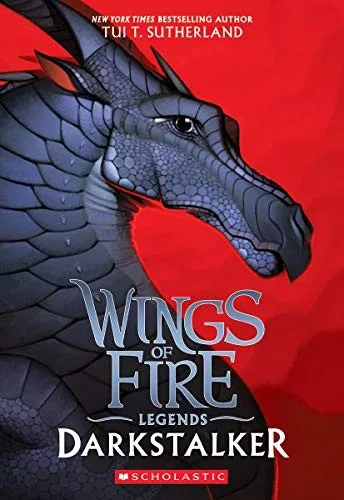
Darkstalker
 73
73

Darkstalker
Tui T. Sutherland's Darkstalker, while ostensibly a young adult fantasy, offers a surprisingly nuanced exploration of power dynamics and the construction of identity. The novel excels in its portrayal of animus magic, a system that feels both wondrous and deeply consequential. The central tension between the prophecy of a Darkstalker and the reality of the dragon who embodies it is compelling. However, the narrative occasionally falters in pacing, with certain plot threads feeling slightly underdeveloped in favor of advancing the main conflict. A particularly memorable passage details the accidental creation of the NightWing's mind-reading abilities, highlighting the unforeseen repercussions of powerful magic. The strength lies in its moral complexity, but a tighter focus on secondary character arcs could have elevated it further. Ultimately, Darkstalker is a potent fantasy that grapples effectively with the burdens of destiny and perception.
📝 Description
73
Darkstalker, published in 2016, examines the consequences of immense power wielded by dragons.
Set on the continent of Pantala, this story follows dragons from distinct tribes, each possessing unique cultures and magical abilities. The narrative centers on the tension between fate and personal choice, particularly for characters burdened by predetermined roles. It highlights the internal struggles of dragons as they confront societal expectations and the prejudices that divide their communities.
The book explores the impact of animus magic, a potent force that allows dragons to enchant objects, which becomes a focal point for conflict and its eventual resolution. It also considers the heavy weight of prophecy and the fear that fuels animosity between different dragon groups. The story questions the morality of leadership and the societal pressures placed upon individuals.
While not a traditional esoteric text, Darkstalker engages with themes common in occult and magical traditions. The concept of animus magic mirrors ideas of imbuing objects with intent or spirit, a practice found in various magical systems. The narrative's focus on prophecy and the manipulation of fate touches on divination and the struggle against predetermined destinies. Furthermore, the deep-seated prejudice between dragon tribes reflects real-world occult discussions on tribalism and the dangers of 'othering.' The book uses a fantasy setting to examine these potent, often hidden, forces.
💡 Why Read This Book?
• You will learn about the intricacies of animus magic, a unique enchantment system in Darkstalker, and its potential for both creation and destruction. • You will feel the weight of societal expectations through the story of Prince Darkstalker, understanding how prophecy can shape or constrain individual destiny. • You will gain insight into the complex inter-tribal relations of Pantala, particularly the historical animosity between the NightWings and IceWings, as depicted in the book.
⭐ Reader Reviews
Honest opinions from readers who have explored this book.
❓ Frequently Asked Questions
What is animus magic in Darkstalker?
Animus magic is a rare and powerful force that allows dragons to enchant objects with specific magical properties, essentially bringing inanimate items to life with spells. It is a central element driving the plot and character motivations.
Who are the main dragon tribes in Darkstalker?
The primary tribes featured are the NightWings, known for their philosophical nature and mind-reading abilities, and the IceWings, characterized by their stoic demeanor and frost-based powers. Other tribes also play significant roles.
What is the significance of the prophecy in Darkstalker?
The prophecy foretells the coming of a dragon named Darkstalker who will bring about significant change, often interpreted as destruction. This prophecy heavily influences the actions and fears of the dragon tribes.
When was Tui T. Sutherland's Darkstalker first published?
Darkstalker was first published in 2016, as part of the larger Wings of Fire series, though it functions as a prequel detailing earlier events.
Does Darkstalker explore themes of prejudice?
Yes, the book extensively explores themes of prejudice and fear between different dragon tribes, particularly the animosity between the NightWings and other groups, stemming from past conflicts and misunderstandings.
What is the core conflict in Darkstalker?
The core conflict revolves around Prince Darkstalker's desire to unite the dragon tribes and end their endless wars, clashing with established traditions, prophecies, and the fear of his immense power.
🔮 Key Themes & Symbolism
Animus Magic and Its Consequences
The narrative centers on animus magic, a potent force allowing dragons to imbue objects with magical properties. This power is not without its risks; its misuse or unforeseen side effects can lead to catastrophic outcomes, as seen with the NightWing's mind-reading scrolls. The theme explores the ethical implications of wielding such power, questioning whether its potential benefits justify the inherent dangers and the responsibility it places on its users. The story illustrates how even well-intentioned applications of magic can have far-reaching, unintended consequences, shaping the future of dragon society.
Prophecy, Destiny, and Free Will
Darkstalker grapples with the concept of prophecy and its impact on individual lives and societal actions. The existence of a prophecy foretelling a destructive figure named Darkstalker dictates much of the dragons' fear and behavior. The book questions whether destiny is predetermined or if individuals can forge their own paths, even in the face of dire predictions. It examines how belief in prophecy can become a self-fulfilling curse, influencing decisions and perpetuating cycles of conflict. The narrative suggests that true power lies not in fulfilling a prophecy, but in understanding and overcoming it.
Prejudice and Inter-Tribal Relations
A significant theme is the deep-seated prejudice and mistrust that exists between the various dragon tribes of Pantala, particularly the NightWings. Their history, marked by perceived betrayals and the fear of their unique abilities, fuels ongoing conflict and animosity. Darkstalker attempts to bridge these divides, but faces immense resistance rooted in generations of animosity. The story uses these tribal dynamics to explore how fear, misunderstanding, and historical grievances can perpetuate cycles of violence and prevent unity, highlighting the challenges of overcoming deeply ingrained societal biases.
The Nature of Villainy and Heroism
The book deconstructs traditional notions of heroes and villains. Prince Darkstalker, a figure initially feared and labeled a threat, is portrayed with complexity, driven by a desire for peace and unity. Conversely, characters who uphold the status quo, driven by fear and tradition, exhibit traits that lead to suffering. The narrative probes whether 'villainy' is an inherent trait or a consequence of societal pressure, fear, and misinterpretation. It challenges readers to consider that the line between hero and villain is often blurred and depends heavily on perspective and circumstance.
💬 Memorable Quotes
Direct passages from the work, attributed to the author.
“He hadn’t meant for the scrolls to be used for anything but studying.”
— This statement points to the unintended consequences of actions, particularly those involving powerful magic. It suggests that even with the best intentions, the application of magic can spiral out of control, leading to results far removed from the original purpose.
“Fear is a natural reaction to the unknown.”
— This concept underscores the pervasive role of fear in the dragons' interactions. It explains the ingrained prejudice between tribes, as the unfamiliar or misunderstood is often met with suspicion and hostility, forming a barrier to unity.
“Prophecy is just a story people tell themselves to make sense of the future.”
— This interpretation challenges the deterministic nature of prophecy. It suggests that prophecies are human constructs, influenced by existing beliefs and fears, rather than immutable dictates of fate, implying agency in shaping one's future.
“Sometimes, the only way to win a war is to refuse to fight it.”
— This idea, central to Darkstalker's philosophy, proposes an alternative to conventional conflict. It suggests that true strength lies not in aggression but in strategic de-escalation and the refusal to engage in destructive cycles, advocating for peace through non-violence.
💡 Key Ideas
Editorial paraphrase of the work's core concepts — not direct quotes.
The most terrible thing about magic, Darkstalker once thought, was that it was so easy to use for evil.
This quote captures the central dilemma of animus magic. It highlights how a powerful force, capable of great good, is perennially tempting for malevolent purposes, suggesting a fundamental flaw in its accessibility or the nature of those who wield it.
🌙 Esoteric Significance
Tradition
While not overtly aligned with a singular esoteric tradition, Darkstalker engages with archetypal themes found across various mystical systems. The concept of animus magic can be loosely paralleled with elemental manipulation or 'magick' found in Western Esotericism, where intent is imbued into actions or objects. The focus on prophecy and destiny echoes Gnostic and Kabbalistic ideas about fate and divine will, albeit filtered through a fantasy lens. The narrative's exploration of hidden truths and the potential for corrupting influence also touches upon Luciferian or Hermetic principles concerning knowledge and power.
Symbolism
The dragon itself serves as a potent symbol, representing power, ancient wisdom, and primal forces in many traditions. NightWings, with their perceived intellect and mind-reading, can symbolize higher consciousness or psychic abilities. Conversely, their history of fear and isolation might represent the shadowed aspects of the psyche. Animus magic, as a force that bends reality, symbolizes the creative power of will and consciousness, and its potential for both transcendence and destruction.
Modern Relevance
Contemporary discussions around manifestation, the power of intention, and the ethical use of influence draw parallels to Darkstalker's exploration of animus magic. Thinkers and practitioners focusing on personal sovereignty and challenging predetermined narratives might find resonance with Prince Darkstalker's struggle against prophecy. The book's depiction of intergroup conflict and the creation of 'otherness' remains relevant to modern sociological and psychological analyses of prejudice and social cohesion.
👥 Who Should Read This Book
• Young adult fantasy enthusiasts seeking intricate world-building and character-driven plots will appreciate the detailed lore of Pantala and the complex motivations of its dragon inhabitants. • Readers interested in exploring themes of destiny versus free will will find the narrative's engagement with prophecy and the burden of expectation particularly compelling. • Those drawn to stories that deconstruct power dynamics and examine the ethical implications of magic will benefit from the nuanced portrayal of animus magic and its consequences.
📜 Historical Context
Published in 2016, Darkstalker emerged during a period of significant growth for the young adult fantasy genre. The early to mid-2010s saw a proliferation of complex, character-driven series like The Hunger Games and Divergent, establishing a strong reader appetite for intricate world-building and morally gray characters. Tui T. Sutherland's own Wings of Fire series, which began in 2012, had already garnered a substantial following, creating a fertile ground for this prequel. While not directly engaging with a specific intellectual movement, the book's themes of inherited trauma, the burden of destiny, and the societal impact of perceived threats resonated with broader cultural conversations about identity and belonging prevalent in the era. Unlike some fantasy works that might draw heavily on established mythologies, Darkstalker built its lore from the ground up, a common practice in contemporary YA fantasy seeking to create unique narrative spaces. Its reception was largely positive, building on the existing success of the series.
📔 Journal Prompts
Prince Darkstalker's ambition to unite the tribes and the fear it engendered.
The creation and subsequent use of the NightWing mind-reading scrolls.
The perceived versus actual nature of the 'Darkstalker' prophecy.
The animosity between the NightWing and IceWing tribes.
The personal cost of wielding animus magic.
🗂️ Glossary
Animus Magic
A rare form of magic possessed by some dragons, allowing them to imbue objects with specific magical properties or enchantments through intent and willpower.
NightWings
A tribe of dragons known for their intelligence, philosophical nature, and historical possession of mind-reading and future-seeing abilities, often shrouded in mystery and fear.
IceWings
A tribe of dragons native to the cold, mountainous regions, characterized by their white or pale blue scales and ability to breathe frost.
Pantala
The continent on which the events of Darkstalker primarily take place, home to various dragon tribes including the NightWings and LeafWings.
Prophecy
A prediction of future events, often revered or feared by the dragon tribes, which significantly influences their actions and societal structures.
Darkstalker
A legendary dragon prince of the NightWings and IceWings, prophesied to bring about immense change, often feared as a destructive force.
Mind-reading scrolls
Enchanted scrolls created using animus magic by the NightWings, capable of granting the user the ability to read the thoughts of others.
🔮 Readers Also Liked
Browse all →









More by Tui T. Sutherland
All books →





More Free Occult Philosophy Books
View all →