The Lost Heir
 73
73

The Lost Heir
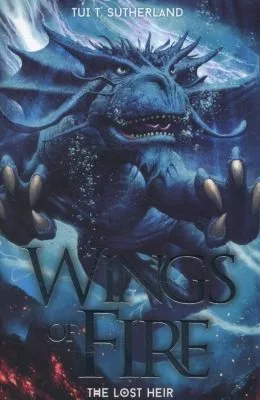
Tui T. Sutherland’s "The Lost Heir" delivers a compelling continuation of the "Wings of Fire" saga, expanding on the established world with familiar yet engaging character arcs. The narrative’s strength lies in its accessible exploration of leadership and identity, particularly through the eyes of its young dragon protagonists. However, the book occasionally leans on predictable plot devices, especially concerning the "lost heir" trope, which can feel less innovative for seasoned fantasy readers. A particular passage where the characters grapple with the weight of prophecy, specifically the prophecy concerning the SandWing succession, highlights the narrative's ambition to imbue a children's series with serious thematic concerns. While effective for its intended audience, the underlying philosophical questions about destiny might feel underdeveloped for a more critical, esoteric readership. Ultimately, "The Lost Heir" serves as a solid, if conventional, entry in a popular series.
📝 Description
73
Published in 2016, The Lost Heir uses dragon characters to examine fate and identity.
The Lost Heir, part of Tui T. Sutherland's Wings of Fire series, tells the story of young dragons facing prophecy and their inherited roles. The narrative follows these characters as they grapple with their destinies and the expectations placed upon them by their dragon tribes. This installment, released in 2016, continues the saga within a world where dragon society is structured by lineage and ancient predictions.
The book's appeal extends beyond its primary audience. It offers a framework for considering how archetypes of power, prophecy, and selfdiscovery function within contemporary storytelling. Readers interested in the construction of identity against predetermined paths, and the complexities of tribal governance, will find thematic depth. The story allows for a surface reading of adventure alongside a consideration of these deeper narrative currents.
While ostensibly a young adult fantasy, The Lost Heir engages with concepts relevant to esoteric thought. The central conflict often revolves around characters struggling against prophecies and inherited destinies, a theme that echoes discussions on predestination versus individual agency found in various spiritual traditions. The exploration of how protagonists forge their own identities, separate from the titles or perceived futures assigned to them, mirrors esoteric ideas about self-realization and the unfolding of one's true nature beyond external constraints.
💡 Why Read This Book?
• Gain insight into narrative structures that explore inherited roles versus self-determination, as seen in the conflict surrounding the SandWing succession in "The Lost Heir". • Understand how prophecy is depicted as a force that characters both resist and fulfill, offering a lens for examining deterministic themes in storytelling. • Appreciate the portrayal of dragon society as a microcosm for examining power dynamics and the formation of identity within a collective, as developed throughout the "Wings of Fire" series.
⭐ Reader Reviews
Honest opinions from readers who have explored this book.
❓ Frequently Asked Questions
What is the primary conflict in The Lost Heir?
The primary conflict revolves around the succession of the SandWing throne, with various dragon factions vying for control, and the protagonists caught in the middle of this political struggle.
When was The Lost Heir first published?
The Lost Heir was first published in 2016 as part of the popular Wings of Fire series.
Does The Lost Heir contain esoteric themes?
While not overtly esoteric, the work explores themes of destiny, identity, and the subversion of prophecy, which can be interpreted through an esoteric lens by interested readers.
Who is the author of The Lost Heir?
The author of The Lost Heir is Tui T. Sutherland, known for her extensive work in the fantasy genre, particularly for the Wings of Fire series.
What is the Wings of Fire series about?
The Wings of Fire series centers on young dragons destined to fulfill prophecies and influence the ongoing war among dragon tribes, exploring themes of friendship, courage, and destiny.
Are there specific prophecies mentioned in The Lost Heir?
Yes, the book deals heavily with prophecies concerning the SandWing succession and the potential end of the war, influencing the actions and motivations of many characters.
🔮 Key Themes & Symbolism
Prophecy and Destiny
The narrative interrogates the nature of prophecy, presenting it as a powerful force that shapes the actions and perceptions of the dragon characters. Characters grapple with whether their destinies are predetermined or if they possess agency to alter their fate. This theme is central to the conflict over the SandWing succession, where ancient prophecies dictate potential rulers, forcing protagonists to confront their perceived roles versus their own desires and moral compasses.
Identity Formation
Central to "The Lost Heir" is the exploration of how individuals forge their identity, particularly when burdened by external expectations or inherited titles. The protagonists often struggle to define themselves outside of the roles assigned to them by their lineage, society, or the prophecies surrounding them. This journey involves self-discovery, challenging societal norms, and asserting personal agency in the face of war and political turmoil.
Tribal Conflict and Unity
The book vividly portrays the consequences of inter-tribal conflict among dragon species, highlighting themes of prejudice, war, and the desperate search for peace. The struggle for the SandWing throne serves as a focal point for these tensions. The narrative implicitly examines the challenges of achieving unity and cooperation between disparate groups, suggesting that understanding and empathy are crucial for overcoming ingrained animosity.
Leadership and Responsibility
The characters, many of whom are young dragons thrust into positions of potential leadership, confront the immense weight of responsibility. They must learn to make difficult decisions that impact their tribes and the ongoing war. This theme explores the qualities of effective leadership, including courage, wisdom, and the willingness to sacrifice, often contrasted with the corrupting influence of power and ambition.
💬 Memorable Quotes
Direct passages from the work, attributed to the author.
“The dragonets weren't supposed to be heroes. They were supposed to be the end of the war.”
— This statement expresses the core tension between perceived destiny and the reality of the characters' situations. It highlights the burden of prophecy and the unintended consequences of actions meant to bring about peace.
“Maybe we're supposed to be the beginning of something better.”
— This interpretation of the dragonets' role suggests a shift from fulfilling an ending (the war) to initiating a new era. It speaks to the potential for hope and self-determination beyond the confines of prophecy.
“She was supposed to be queen, but she didn't want to be.”
— This highlights the theme of identity versus imposed roles, showing a character struggling against the expectations of her lineage and position.
“The war had been going on for too long. Everyone was tired.”
— This simple observation underscores the pervasive atmosphere of conflict and exhaustion that permeates the world of the story, providing a backdrop for the characters' struggles.
💡 Key Ideas
Editorial paraphrase of the work's core concepts — not direct quotes.
There was a prophecy that said one of the dragonets would kill the queen.
This quote directly references the narrative's reliance on prophecy as a driving force for conflict and character motivation, introducing an element of suspense and predetermined fate.
🌙 Esoteric Significance
Tradition
While "The Lost Heir" is primarily a young adult fantasy, its exploration of prophecy, destiny, and the struggle against predetermined roles can be viewed through a Hermetic or Gnostic lens. The concept of a hidden destiny or a 'lost heir' seeking their true place mirrors Gnostic ideas of a divine spark seeking to reclaim its origin. The narrative’s focus on characters challenging imposed fates aligns with Hermetic principles of self-mastery and the potential for individuals to shape their reality.
Symbolism
The dragon itself is a potent symbol across many esoteric traditions, often representing primal power, transformation, and wisdom. In "The Lost Heir," the distinct dragon tribes (e.g., SandWings, IceWings) can be seen as symbolic representations of different elemental forces or psychological archetypes. The concept of the 'lost heir' frequently symbolizes the undiscovered potential within the self or the hidden divine spark that must be recognized and awakened.
Modern Relevance
Contemporary narrative therapy and archetypal psychology, influenced by thinkers like Carl Jung, find relevance in "The Lost Heir's" depiction of characters grappling with identity and destiny. The series' popularity also reflects a modern appetite for stories that explore complex moral questions and the power of narrative to shape individual and collective understanding, resonating with practices that use storytelling for personal growth and insight.
👥 Who Should Read This Book
• Young adult fantasy readers aged 10-14 seeking engaging stories with themes of friendship, courage, and prophecy. • Students of comparative mythology interested in modern interpretations of dragon lore and archetypal narratives. • Fans of the "Wings of Fire" series looking for the next installment in the ongoing saga of the dragonets and their world.
📜 Historical Context
Published in 2016, "The Lost Heir" emerged during a flourishing period for the young adult fantasy genre. The "Wings of Fire" series, initiated in 2012, was gaining significant traction, contributing to a broader cultural fascination with dragon mythology that permeated various media. This period saw established authors like Rick Riordan and Suzanne Collins continue to dominate bestseller lists, creating a competitive landscape. "The Lost Heir" specifically addressed themes of succession and prophecy within its dragon-centric world. While fantasy literature has a long history of engaging with these concepts, from Tolkien's "The Lord of the Rings" (1954) to Ursula K. Le Guin's "Earthsea" cycle, Sutherland's approach focused on a younger audience with a distinct narrative voice. The series' reception was generally positive, with praise for its world-building and character development, solidifying its place within contemporary children's and young adult literature.
📔 Journal Prompts
The SandWing succession: How does the prophecy influence each claimant's actions and perceptions?
Dragonet identity: In what ways do the protagonists resist or embrace their prophesied roles?
The nature of leadership: What qualities define effective leadership among the dragon tribes?
Consequences of war: Reflect on the impact of prolonged conflict on the characters and their societies.
Self-determination: Explore moments where characters actively choose their path over a predetermined fate.
🗂️ Glossary
SandWing Succession
The central conflict in "The Lost Heir" concerning which of three SandWing sisters will rightfully inherit the throne after the death of Queen Oasis.
Dragonets
The group of young dragons prophesied to end the SandWing war. They are the primary protagonists of the "Wings of Fire" series.
Prophecy
A foretelling of future events, often central to the plot of "The Lost Heir," influencing the motivations and actions of characters and tribes.
Wings of Fire
The name of the fantasy book series to which "The Lost Heir" belongs, focusing on the lives and destinies of young dragons.
Queen Oasis
The former queen of the SandWings whose death triggers the succession crisis and the central conflict of the book.
IceWing
One of the major dragon tribes involved in the war, characterized by their cold-climate adaptation and distinct societal structure.
SkyWing
Another prominent dragon tribe whose allegiance and internal politics play a significant role in the ongoing conflict.
🔮 Readers Also Liked
Browse all →








More by Tui T. Sutherland
All books →




More Free Occult Philosophy Books
View all →