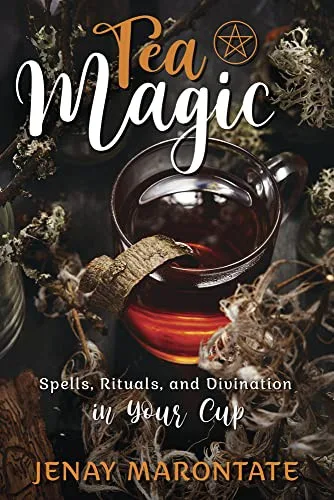
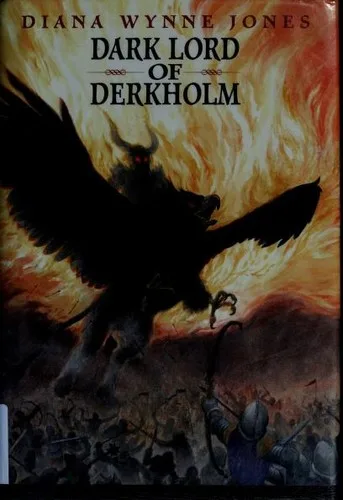
Dark Lord of Derkholm
 72
72

Dark Lord of Derkholm


Alaric Kestrel, Metaphysical Studies Reviewer — Diana Wynne Jones' 'Dark Lord of Derkholm' is a surprisingly profound exploration of archetypal forces and the nature of true power. Beneath its whimsical surface lies a keen observation of how societal expectations and inherited roles can both bind and transform individuals. The narrative deftly navigates themes of shadow work and the hero's journey, presenting the 'Dark Lord' not as pure malevolence, but as a complex entity reflecting humanity's own suppressed potentials. It offers valuable insights into the deceptive nature of appearances and the inherent magic found in personal integrity. This is a must-read for young readers beginning to grapple with moral complexities and for adult practitioners seeking allegorical depth in their magical studies.
📝 Description
72
Diana Wynne Jones' 1998 novel 'Dark Lord of Derkholm' presents a world where magic is a controlled commodity.
In Derkholm, magic is a licensed trade, strictly regulated by the Wizard Owners. Young Derk, the reluctant heir to the throne, is forced by his mother to become a Dark Lord, a role he despises. To fulfill his contract and save his family, he must undertake dangerous quests, often involving the capture of mythical creatures. This setup leads him into a complex plot involving a disguised wizard and the true nature of the ruling council. The story follows Derk's reluctant journey as he grapples with his imposed destiny and the absurdity of the magical system.
As Derk travels, he encounters a variety of challenges and magical beings, all while trying to maintain his cover and fulfill the demands of his contract. The narrative humorously critiques the commodification of magic and the bureaucracy that surrounds it. Jones uses this premise to explore themes of identity, responsibility, and the unexpected places where true power can be found. The characters are distinct, and their interactions drive the plot forward with a blend of wit and subtle commentary.
While not overtly occult, 'Dark Lord of Derkholm' engages with esoteric ideas through its satirical portrayal of structured magic systems and the manipulation of power. The book questions the control and regulation of arcane forces, suggesting that true magic or power might lie outside established institutions. It touches upon the idea of destiny versus free will, as Derk struggles against the predetermined role forced upon him, hinting at a more personal, internal source of strength that defies external control. The novel’s critique of a system that commodifies the extraordinary can be seen as a commentary on how societies attempt to contain and profit from the potentially disruptive nature of the unknown.
💡 Why Read This Book?
Uncover the hidden symbolism of power and destiny in a world where magic is both a tool and a burden. 'Dark Lord of Derkholm' offers a unique perspective on archetypal forces, inviting readers to question the nature of heroism and villainy. Ideal for seekers of wisdom, young scholars of fantasy, and anyone drawn to narratives that blend enchantment with profound philosophical inquiry.
⭐ Reader Reviews
Honest opinions from readers who have explored this book.
❓ Frequently Asked Questions
What is the primary esoteric theme explored in 'Dark Lord of Derkholm'?
The book delves into the archetypal struggle between light and shadow, exploring how perceived 'evil' can be a manifestation of suppressed power and societal expectations, inviting contemplation on the duality within all beings and the transformative nature of confronting one's own darkness.
Is this book suitable for young readers interested in magic?
Absolutely. It introduces complex themes of magic, power, and responsibility in an accessible and engaging narrative, making it an excellent gateway for young minds to explore esoteric concepts through imaginative storytelling.
What makes the magic system in Derkholm unique?
The magic in Derkholm is presented as a tangible, often inconvenient, and regulated force, subject to strict laws and the whims of powerful sorcerers. This contrasts with more free-flowing systems, emphasizing the human element of control, bureaucracy, and the consequences of wielding arcane power.
How does the concept of 'destiny' play out in the story?
Destiny is a central, yet often subverted, theme. Characters are frequently burdened by preordained roles, particularly the 'Dark Lord,' prompting an exploration of free will versus fate and the power individuals have to redefine their own paths.
Can 'Dark Lord of Derkholm' be considered a modern myth?
Indeed. The novel masterfully retells and deconstructs classic heroic and villainous archetypes, weaving them into a contemporary narrative that resonates with timeless themes of identity, power, and the search for belonging, thus functioning as a modern myth.
🔮 Key Themes & Symbolism
The Nature of Power and Control
This theme interrogates the essence of power, not just as raw magical ability, but as a force manipulated by institutions, traditions, and personal ambition. The book illustrates how power is often codified, regulated, and even feared, leading to complex systems of control, such as the Wizardry Laws. It explores the philosophical implications of who wields power, the responsibilities that come with it, and the corrupting influence it can have. Readers are invited to consider whether true power lies in external dominion or internal mastery, and how societal structures attempt to contain or exploit arcane forces.
Archetypal Deconstruction and Identity
Jones masterfully subverts traditional archetypes, particularly the 'Dark Lord' and the 'hero.' The narrative challenges readers to look beyond superficial labels and understand the complexities of character. It examines how societal expectations and inherited roles can shape identity, sometimes against an individual's true nature. The book encourages a deeper examination of the self, questioning whether one is bound by destiny or empowered by choice. This exploration of identity, particularly through the lens of seemingly fixed roles, offers a profound commentary on self-discovery and the courage to forge one's own path.
The Mundane and the Magical
A core tenet of the book is the fascinating interplay between the ordinary and the extraordinary. Magic, while present, is often treated with a degree of bureaucracy and practical inconvenience, highlighting that even the most mystical elements can be subject to the mundane realities of life. This juxtaposition serves to ground the fantastical elements, making them relatable and thought-provoking. It suggests that magic is not always overtly spectacular but can be woven into the fabric of everyday existence, and that profound transformations can occur when the seemingly ordinary intersects with the arcane.
💬 Memorable Quotes
Direct passages from the work, attributed to the author.
“Will you all be quiet! snapped High Chancellor Querida.”
— This utterance immediately sets a tone of authority and suppressed chaos, hinting at the underlying tensions and the struggle for control within the magical hierarchy of Derkholm.
“It is a very dangerous thing to be a wizard. It is a very dangerous thing to be anything.”
— A profound statement on the inherent risks and responsibilities that accompany power, talent, or even simply existence, suggesting that true danger lies not in the role, but in the act of being.
“The only thing that matters is what you do.”
— Emphasizes agency and accountability, suggesting that actions, rather than lineage or titles, define an individual and their impact on the world.
“I don't want to be a Dark Lord. I want to be a wizard.”
— Highlights the conflict between imposed destiny and personal aspiration, showcasing the desire for self-definition over predetermined, often negative, archetypal roles.
“Derkholm was a place where the impossible happened every day.”
— Captures the essence of the world's magical and unpredictable nature, where the extraordinary is commonplace and the boundaries of reality are fluid.
🌙 Esoteric Significance
Tradition
The book draws implicitly from Jungian archetypal psychology, particularly concerning the shadow archetype, and the perennial philosophy's exploration of duality and the unified Self. It also touches upon themes found in Hermeticism regarding the correspondence between macrocosm and microcosm, and the idea that power and influence are governed by unseen laws and principles, albeit presented through a fictional lens.
Symbolism
Key symbols include the 'Dark Lord' as the Shadow archetype, representing repressed potential and societal fears; the Wizardry Laws as codified societal control over inherent power; and the concept of quests and trials as initiatory journeys essential for self-discovery and the integration of disparate aspects of the self. The contrast between the 'real' world and the magical world symbolizes the internal field of the psyche.
Modern Relevance
In an age often characterized by societal polarization and the perceived overwhelming nature of global challenges, 'Dark Lord of Derkholm' offers a timely reminder of the power of individual choice, the importance of understanding nuance, and the potential for transformation even within seemingly fixed roles. Its exploration of how power is wielded and controlled speaks to contemporary discussions on governance, authority, and the ethics of influence, making its lessons pertinent for navigating our complex modern world.
👥 Who Should Read This Book
This novel is a treasure for a diverse readership. For **beginners** in esoteric thought, it provides an accessible entry point through engaging storytelling and relatable characters grappling with profound concepts. **Scholars** of mythology and literature will appreciate its clever deconstruction of archetypes and its sophisticated narrative structure. **Seekers** drawn to themes of destiny, free will, and the nature of power will find ample material for contemplation. **Practitioners** of magical or philosophical arts may find resonance in its allegorical representations of internal struggles, the wielding of influence, and the importance of authenticity in the face of societal pressures.
📜 Historical Context
Diana Wynne Jones penned 'Dark Lord of Derkholm' in 1998, a period marked by a resurgence of interest in high fantasy and a growing appreciation for sophisticated children's literature that could engage adult readers. The late 20th century saw fantasy literature moving beyond simplistic good-versus-evil narratives, with authors like Jones exploring moral ambiguity, complex character motivations, and the deconstruction of established tropes. This era also witnessed a greater emphasis on thematic depth within young adult and children's fiction, encouraging explorations of identity, societal structures, and philosophical quandaries. Jones' work fits within this evolving landscape, offering a witty, intelligent, and layered narrative that challenges traditional fantasy conventions while remaining accessible and enchanting.
📔 Journal Prompts
Reflect on a time you felt pressured by an external expectation or role. How did you reconcile it with your own desires?
Explore the concept of a 'shadow self.' What aspects of yourself do you tend to suppress or ignore, and what might be their hidden potential?
Consider the 'Wizardry Laws' in the book. How do societal rules and regulations attempt to control or channel innate abilities or 'magic' in our world?
If you were to create your own 'Dark Lord' archetype, what societal fears or suppressed desires would they embody?
Write about a moment when the mundane and the extraordinary intersected in your life. How did it change your perspective?
🗂️ Glossary
Archetype
A universal, archaic pattern or image that is part of the collective unconscious, influencing human thought and behavior. In 'Dark Lord of Derkholm,' figures like the Dark Lord and the hero represent such patterns.
Shadow
In Jungian psychology, the unconscious aspects of the personality that the conscious ego does not identify in itself. It is often seen as the darker, repressed side of the psyche.
Perennial Philosophy
The philosophical perspective that there is a common thread of wisdom underlying all religions and spiritual traditions, suggesting a universal truth about the nature of reality and the human condition.
Hermeticism
A religious, philosophical, and esoteric tradition based on the purported teachings of Hermes Trismegistus. It emphasizes principles like 'As above, so below,' suggesting a correspondence between different levels of reality.
Initiation
A process or ceremony that marks a transition from one stage of life or status to another, often involving trials or the imparting of hidden knowledge. The characters' journeys often function as initiations.
This book appears in 2 collections
🔮 Readers Also Liked
Browse all →




More by Diana Wynne Jones
All books →




From the “Ceremonial Magic” Collection
View all →







More Free Magic & Ritual Books
View all →