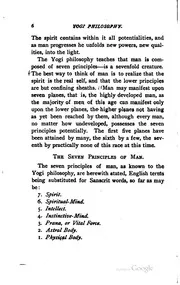
Correspondence Class Course in Yogi Philosophy and Oriental Occultism by ...
 79
79

Correspondence Class Course in Yogi Philosophy and Oriental Occultism by ...



William Walker Atkinson's 'Correspondence Class Course in Yogi Philosophy and Oriental Occultism' is a seminal work that continues to resonate with esoteric seekers today. Published over a century ago, the book's enduring relevance lies in its ability to demystify complex yogic and occult concepts, making them accessible to a Western audience. Atkinson's structured approach, presented through a series of correspondence lessons, offers a clear path for spiritual seekers. The text is rich with practical advice on meditation, breathing exercises, and philosophical reflections, providing a holistic view of yogic practices. For modern readers, this book serves as an invaluable resource, bridging the gap between ancient wisdom and contemporary spiritual inquiry. The clarity and depth of Atkinson's teachings make this a must-read for anyone interested in the esoteric traditions of the East.
📝 Description
79
William Walker Atkinson published his Correspondence Class Course in Yogi Philosophy and Oriental Occultism in 1918.
This correspondence course from 1918 aims to teach students about Yogi philosophy and Oriental occultism. William Walker Atkinson structured the material as lessons, meant to guide individuals interested in Eastern esoteric traditions. The course covers topics intended to foster spiritual understanding and practical application of these philosophies. It addresses symbolism and concepts from yoga and other Eastern schools, presenting them for a Western audience.
The lessons invite readers to engage with ideas about consciousness, mental powers, and spiritual development. Atkinson's approach emphasizes a systematic study, encouraging students to internalize the teachings. The material touches on occult principles as understood within the context of Eastern esoteric thought. It is designed for those seeking a structured introduction to these subjects, promising insights into practices and philosophies that have a long history.
Published in the early 20th century, Atkinson's course sits within the surge of Western interest in Eastern religions and occultism. This period saw many authors and teachers adapt and re-interpret traditions like Vedanta, Yoga, and Buddhism for Western esoteric circles. The course reflects the era's fascination with mental sciences and spiritual disciplines, attempting to bridge the gap between Eastern practices and a Western understanding of the occult and personal development. It is part of a broader movement that sought to uncover 'ancient wisdom' and integrate it into modern life.
💡 Why Read This Book?
Reading 'Correspondence Class Course in Yogi Philosophy and Oriental Occultism' today offers numerous benefits. It provides a structured introduction to yogic philosophy and occult practices, making it an ideal starting point for beginners. For experienced practitioners, the book offers deep insights and practical techniques that can enhance their spiritual journey. Additionally, the historical context of the text adds layers of understanding, showing how Eastern philosophies have influenced Western thought. Whether you are seeking spiritual growth, intellectual curiosity, or a deeper understanding of ancient practices, this book is a valuable addition to your library.
⭐ Reader Reviews
Honest opinions from readers who have explored this book.
❓ Frequently Asked Questions
What is the main focus of 'Correspondence Class Course in Yogi Philosophy and Oriental Occultism'?
The main focus of the book is to provide a comprehensive guide to yogic philosophy and Oriental occultism, offering structured lessons and practical techniques for spiritual seekers.
Is this book suitable for beginners in esoteric studies?
Yes, the book is designed to be accessible for beginners, providing clear explanations and structured lessons on yogic practices and occult principles.
How does this book differ from other works on yogic philosophy?
This book stands out due to its structured correspondence course format, making complex esoteric concepts more accessible and practical for Western readers.
🔮 Key Themes & Symbolism
Yogi Philosophy
Explore the ancient wisdom of Yogi Philosophy, which emphasizes the union of the individual self with the universal self. This theme explores the practices and beliefs that lead to spiritual enlightenment and inner peace.
Oriental Occultism
Uncover the hidden knowledge and esoteric practices of Oriental Occultism, which have been passed down through generations. This theme looks at the mystical traditions of the East, offering insights into the unseen world.
Symbolism and Hidden Knowledge
Explore the strong symbolism and hidden knowledge that are central to occult philosophy. This theme reveals the deeper meanings behind ancient symbols and their significance in spiritual practices.
💬 Memorable Quotes
Direct passages from the work, attributed to the author.
“The path to enlightenment lies within.”
— Atkinson emphasizes the inner journey towards spiritual awakening.
“Symbolism is the language of the soul.”
— Atkinson's work underscores the significance of symbols in spiritual practices and mystical traditions.
“Ancient wisdom holds the keys to modern understanding.”
— Atkinson bridges the gap between ancient traditions and contemporary spiritual seekers.
💡 Key Ideas
Editorial paraphrase of the work's core concepts — not direct quotes.
Hidden knowledge reveals the true nature of reality.
This quote highlights the importance of esoteric wisdom in understanding the unseen world.
The union of self with the divine is the ultimate goal.
This quote emphasizes the core belief in Yogi Philosophy of achieving spiritual enlightenment.
🌙 Esoteric Significance
Tradition
This book belongs to the Hermetic tradition, which emphasizes the pursuit of hidden knowledge and spiritual enlightenment. It draws from various mystical traditions of the East, integrating them into a cohesive framework for seekers of truth.
Symbolism
Key symbols in this course include the lotus, the serpent, and the chakra system. These symbols represent spiritual growth, transformation, and the union of the individual self with the divine. They are central to the practices and beliefs outlined in the book.
Modern Relevance
This course remains relevant today, as modern practitioners continue to explore the mystical traditions of the East. It offers timeless insights into Yogi Philosophy and Oriental Occultism, making it a valuable resource for contemporary spiritual seekers.
👥 Who Should Read This Book
This book is ideal for beginners who are just starting their journey into occult philosophy, as well as scholars who seek a deeper understanding of Yogi Philosophy and Oriental Occultism. Spiritual seekers will find strong symbolism and philosophical insights that can enhance their spiritual practices. Practitioners of meditation will benefit from the comprehensive guide to ancient wisdom and mystical traditions. In summary, anyone interested in exploring the unseen world and unlocking hidden knowledge will find this course invaluable.
📜 Historical Context
Written in an era when Western interest in Eastern mysticism was burgeoning, William Walker Atkinson's Correspondence Class Course in Yogi Philosophy and Oriental Occultism played an important role in making esoteric knowledge accessible. Published during the early 20th century, this work was influential in popularizing Yogi Philosophy and Oriental Occultism in the West. It provided a comprehensive guide to ancient wisdom and mystical practices, influencing generations of seekers and scholars. Atkinson's work remains relevant today, offering timeless insights into the spiritual traditions of the East.
📔 Journal Prompts
Reflect on the symbolism of the lotus in your spiritual journey.
Consider how ancient wisdom can be applied to modern life.
Explore the concept of the union of self with the divine in your meditation practice.
Write about the significance of hidden knowledge in your spiritual growth.
How do the practices of Yogi Philosophy enhance your understanding of the unseen world?
🗂️ Glossary
Yogi Philosophy
A mystical tradition emphasizing the union of the individual self with the universal self through spiritual practices and beliefs.
Oriental Occultism
The study of hidden knowledge and esoteric practices from the mystical traditions of the East.
Symbolism
The use of symbols to represent deeper meanings and spiritual truths in occult philosophy.
Spiritual Enlightenment
The state of achieving inner peace and union with the divine through spiritual practices and beliefs.
Hermetic Tradition
A mystical tradition emphasizing the pursuit of hidden knowledge and spiritual enlightenment through various practices and beliefs.
This book appears in 7 collections
🔮 Readers Also Liked
Browse all →

![[Catalogue of Frederick Hockley's Book Sale]](/img/thumb/catalogue-of-frederick-hockley-s-book-sale-george-redway.webp)







More by William Walker Atkinson
All books →
From the “Remote Viewing” Collection
View all →






More Free Occult Philosophy Books
View all →