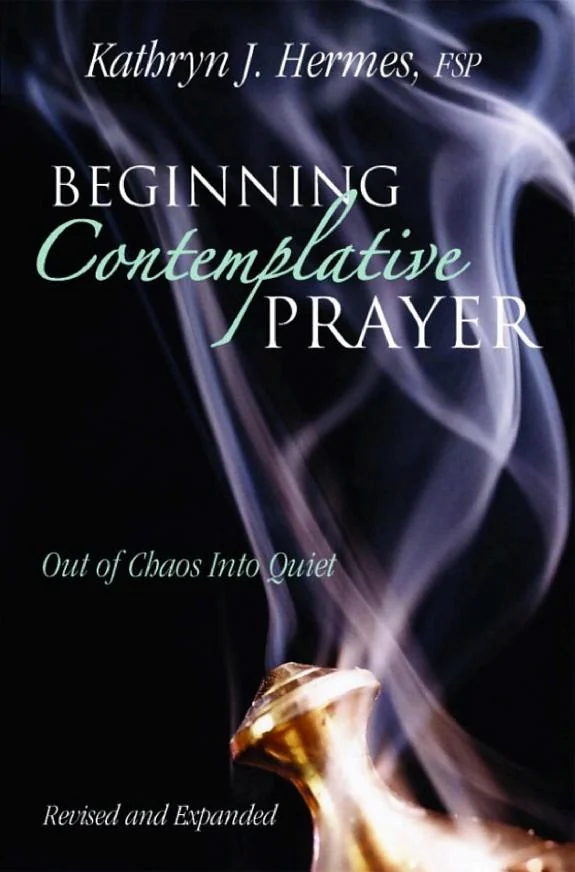
Beginning Contemplative Prayer
 78
78

Beginning Contemplative Prayer
Kathryn J. Hermes approaches the often-intimidating subject of contemplative prayer with a disarming practicality in "Beginning Contemplative Prayer." The strength of this work lies in its accessible language and step-by-step guidance, making a profound spiritual practice seem achievable for the average seeker. Hermes successfully bridges the gap between the mystical and the mundane, asserting that deep communion with God is not the sole province of ascetics. A particularly effective section details the practice of "listening prayer," encouraging readers to quiet their internal dialogue to discern subtle divine promptings. However, the book could benefit from a more robust engagement with the psychological challenges that often accompany deep introspection, such as managing intrusive thoughts or periods of doubt, which are only briefly touched upon. Despite this limitation, Hermes provides a solid foundation for those venturing into this sacred space, culminating in a useful primer for spiritual explorers.
📝 Description
78
Kathryn J. Hermes published "Beginning Contemplative Prayer" to guide readers toward divine communion.
Kathryn J. Hermes's "Beginning Contemplative Prayer" offers a structured method for developing a deeper spiritual connection. It moves past simple petitions to a more direct communion with the divine. This book makes contemplative prayer accessible, showing it is not only for mystics but for anyone seeking a richer inner life. The only real requirement, Hermes states, is a sincere desire for a closer relationship with God. This makes it a welcoming resource for spiritual seekers from all walks of life.
The book is written for those who feel a call to a closer relationship with God but do not know how to foster it. It is especially useful for individuals who find traditional prayer methods unsatisfying or who want to quiet their minds to hear an inner divine voice. Readers dealing with life's challenges and searching for a steady, internal source of peace and direction will find Hermes's approach particularly helpful. She addresses the common hesitations of beginners with clear explanations and encouragement.
Contemplative prayer has ancient roots in Christian monasticism, with figures like Evagrius Ponticus in the 4th century and John of the Cross in later centuries. While interest in meditative practices has grown, often paralleling Eastern traditions, Hermes grounds her work firmly in the Western contemplative lineage. She distinguishes this practice from secular mindfulness by maintaining its explicit focus on communion with the divine, providing a historical anchor for a path often misunderstood.
💡 Why Read This Book?
• Gain practical techniques for "listening prayer," enabling you to discern subtle divine promptings beyond rote recitation, a skill developed through Hermes's specific exercises. • Understand the concept of the "prayer of simple gaze" as outlined by Hermes, learning to rest in God's presence without mental effort, a method detailed in Chapter 3. • Navigate periods of spiritual dryness by understanding the "dark night of the soul" as a process of purification, a concept illuminated by Hermes's interpretation of St. John of the Cross.
⭐ Reader Reviews
Honest opinions from readers who have explored this book.
❓ Frequently Asked Questions
What is contemplative prayer according to Kathryn J. Hermes?
Kathryn J. Hermes defines contemplative prayer as a direct, loving, and silent communion with God, focusing on presence rather than words. It's a path for anyone seeking a deeper relationship with the divine, accessible beyond mystical circles.
Is "Beginning Contemplative Prayer" suitable for beginners?
Yes, the book is specifically designed for beginners. Author Kathryn J. Hermes breaks down complex spiritual concepts into practical, actionable steps, making contemplative prayer accessible to those new to the practice.
What distinguishes contemplative prayer from meditation?
While both involve stillness, contemplative prayer, as presented by Hermes, is distinctively relational, focusing on a conscious, loving dialogue with God. Meditation can be secular, whereas contemplative prayer is inherently spiritual and aimed at divine union.
When was "Beginning Contemplative Prayer" first published?
The first edition of "Beginning Contemplative Prayer" by Kathryn J. Hermes was published on March 25, 2019.
Does the book discuss the challenges of prayer?
Yes, Hermes addresses common difficulties such as distraction and spiritual dryness, framing them within the context of spiritual growth and purification, referencing concepts like the "dark night of the soul."
What is the "prayer of simple gaze"?
The "prayer of simple gaze," as explained in the book, is a form of contemplative prayer where one rests in God's presence with loving attention, without the need for words or complex thoughts.
🔮 Key Themes & Symbolism
Divine Presence and Stillness
The core of contemplative prayer, as presented by Hermes, lies in cultivating an awareness of God's constant, immanent presence. This requires intentional practice of stillness and interior silence, moving away from the cacophony of daily thoughts and desires. The book emphasizes that this is not about achieving an altered state, but about recognizing the divine already present within and around us. This theme is crucial for understanding how one can transition from vocal prayer to a more receptive, heart-centered communion.
The Path of Listening Prayer
Hermes introduces "listening prayer" as a fundamental skill for contemplative practice. This involves quieting the mind's chatter to become receptive to God's subtle communications. It’s an active form of prayer, not passive resignation, requiring discernment and trust. The work guides readers on how to differentiate between one's own thoughts and genuine divine inspiration, a vital aspect for developing a personal relationship with the sacred.
Spiritual Purification and Growth
The book addresses the challenging yet necessary aspects of spiritual growth, including periods of dryness or "dark nights." Hermes frames these experiences not as failures, but as stages of purification essential for deeper union with God, drawing parallels with the teachings of mystics like St. John of the Cross. This perspective helps readers persevere through difficulties, understanding them as integral to the contemplative journey toward divine intimacy.
Accessible Mysticism
A central theme is explaining contemplative prayer, making it accessible to a broad audience. Hermes argues against the notion that deep spiritual connection is reserved for a select few. By providing practical methods and clear explanations, she empowers ordinary individuals to engage in this profound form of prayer, fostering a sense of possibility and encouraging the pursuit of a richer spiritual life regardless of prior mystical experience.
💬 Memorable Quotes
Direct passages from the work, attributed to the author.
“You don't have to be a mystic to learn this type of prayer, just a person who is seeking a deeper communion with God.”
— This statement is crucial for democratizing contemplative prayer. It removes the intimidation factor often associated with mystical practices, positioning the book as a welcoming guide for anyone with a sincere desire for spiritual connection.
“Now let her guide you in this timeless form of meditative prayer.”
— This highlights the book's purpose: to serve as a mentorship for the reader. It positions the author as an experienced guide, offering practical instruction in a spiritual discipline that has ancient roots but remains relevant for modern seekers.
“The work explores how to quiet the mind to listen for divine presence.”
— This interpretive quote captures the essence of the practical guidance offered. It points to the book's focus on developing interior silence as a prerequisite for discerning and experiencing God's presence, a core tenet of contemplative practice.
“Hermes emphasizes that contemplative prayer is about relationship, not technique alone.”
— This interpretation underscores the relational aspect of the prayer form. While techniques are taught, the ultimate goal is a deepening bond with the divine, shifting the focus from performance to connection.
“The book addresses the "prayer of simple gaze" as a way to rest in God.”
— This highlights a specific contemplative method taught in the book. The "prayer of simple gaze" represents a non-discursive, resting form of prayer that allows for direct, loving attention on God's presence.
🌙 Esoteric Significance
Tradition
While rooted in the Christian contemplative tradition, the book's emphasis on inner silence, direct experience of the divine, and cultivating presence aligns with broader esoteric principles found across spiritual paths. It echoes Gnostic ideals of direct knowledge (gnosis) and Hermetic emphasis on inner transformation through divine connection, departing from purely dogmatic approaches and focusing on lived, interior experience.
Symbolism
The primary "symbol" is the "stillness" itself, representing the unmanifest divine or the inner sanctuary where God's presence is most keenly felt. The "gaze" in the "prayer of simple gaze" symbolizes direct, unmediated perception of the divine, transcending intellectualization. Periods of spiritual dryness, often termed the "dark night," function symbolically as a crucible, purifying the soul for deeper union, mirroring alchemical processes of refinement.
Modern Relevance
Hermes's work is highly relevant to contemporary "spiritual but not religious" movements and mindfulness practitioners seeking a more theistic or devotional dimension. Thinkers and groups exploring integrated spirituality, such as those influenced by Thomas Keating's Centering Prayer (a related practice), find value in her clear articulation. It also informs modern Christian contemplative communities and individuals seeking to revitalize traditional prayer methods in a secularizing world.
👥 Who Should Read This Book
['• Individuals new to contemplative practices seeking a structured, accessible introduction to Christian prayer traditions, offering clear guidance on moving beyond vocal prayer.', '• Practitioners of secular mindfulness or meditation who desire to infuse their practice with a deeper spiritual or divine focus, learning techniques for relational prayer.', '• Established Christians looking to deepen their relationship with God through methods emphasizing interior silence and direct communion, potentially exploring concepts like the "dark night of the soul."']
📜 Historical Context
Published in 2019, Kathryn J. Hermes's "Beginning Contemplative Prayer" arrives amidst a resurgence of interest in mindfulness and meditative practices, often influenced by Eastern traditions. However, Hermes grounds her work firmly within the Western contemplative Christian lineage, tracing roots back to early monastic figures like Evagrius Ponticus. This distinguishes her approach from secularized mindfulness, emphasizing a direct, personal relationship with God. In an era where many seek spiritual solace outside traditional religious structures, this book offers a bridge, making ancient practices accessible. It contrasts with the more academic or historically dense theological works on mysticism, prioritizing practical application for the contemporary seeker. While contemporary authors like Richard Rohr explore similar themes of contemplative life, Hermes's focus remains specifically on the foundational steps for beginners, offering a clear, non-intimidating entry point into a profound spiritual discipline.
📔 Journal Prompts
Reflect on your "prayer of simple gaze" practice: what distractions arise, and how do you return to resting attention?
Describe the "interior silence" you cultivate. What obstacles emerge, and how do you gently overcome them?
Consider a moment of spiritual dryness. How might the concept of the "dark night of the soul" offer perspective on this experience?
What does "deeper communion with God" mean to you now, after engaging with this text?
Explore your readiness for "listening prayer." What fears or expectations do you hold about discerning divine presence?
🗂️ Glossary
Contemplative Prayer
A form of prayer characterized by intentional silence and receptivity, aiming for direct, loving union with God, moving beyond words and discursive thought.
Prayer of Simple Gaze
A contemplative practice involving resting in God's presence with loving attention, without the need for formulated thoughts or specific intentions.
Interior Silence
The quieting of the mind's internal chatter and distractions to create space for awareness of God's presence and subtle promptings.
Listening Prayer
An active, receptive form of prayer where one quiets oneself to discern and receive the subtle communications or presence of God.
Dark Night of the Soul
A spiritual concept, notably described by St. John of the Cross, referring to periods of spiritual dryness and purification experienced as a necessary stage for deeper union with God.
Divine Presence
The awareness and experience of God's immanent reality, perceived as being constantly present within and around the individual.
Communion
A state of intimate spiritual union and connection with the divine, often described as the goal of contemplative prayer.
This book appears in 1 collection
🔮 Readers Also Liked
Browse all →






From the “Contemplative Prayer” Collection
View all →






More Free Mysticism & Contemplation Books
View all →