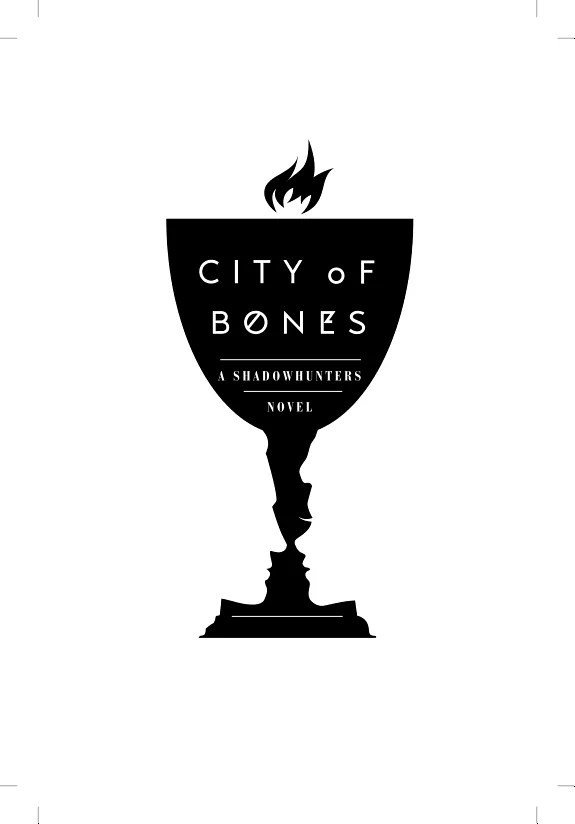
City of Bones
 82
82

City of Bones
Clare's City of Bones immediately immerses the reader in a shadow war, a compelling hook that sidesteps the usual preamble. The initial premise—a teenager suddenly seeing demons and their hunters—is effectively rendered, drawing Clary and the audience into a world of ancient pacts and celestial beings. The introduction of the Shadowhunters, a lineage dedicated to protecting the human realm, is particularly strong, providing a solid foundation for the escalating conflict. However, the narrative occasionally strains under the weight of its own lore. While the introduction of complex magical systems and angelic heritage is intriguing, certain plot developments feel slightly predictable, especially concerning familial revelations that have been hinted at too heavily. The pacing, though generally brisk, falters slightly in the middle as exposition takes precedence. Clare’s depiction of the clandestine world of Downworlders and Shadowhunters is where the novel truly shines, offering a unique blend of mythology and modern-day urban fantasy. It’s a solid entry into the genre, promising more intricate revelations to come.
📝 Description
82
Cassandra Clare's 2017 novel introduces Clary Fray to a hidden world of demon hunters.
Clary Fray, a teenager living an ordinary life, discovers her world is not what it seems when she witnesses a demon attack. This event reveals the existence of the Shadowhunters, a secret race of warriors of angelic heritage who protect the human world from demons. Clary is drawn into their dangerous war, a conflict fought in the shadows of New York City.
The narrative focuses on the Shadowhunters, known as the Nephilim, who use a system of magical runes to fight demonic entities. Their society operates in secrecy, parallel to our own world, with a rich history and complex internal dynamics. Clary must come to terms with her own unexpected connection to this hidden realm and the responsibilities that come with it.
Published in 2017, City of Bones taps into a modern fascination with hidden magical societies operating within urban environments. Its depiction of half-angelic warriors, demonic incursions, and a parallel supernatural world echoes themes found in various occult traditions that posit unseen forces influencing human affairs. The use of specific magical symbols, like the runes, also aligns with historical esoteric practices that attribute power to sigils and ancient scripts.
💡 Why Read This Book?
• You will learn about the intricate lore of the Nephilim, an ancient order of demon hunters, as depicted in Cassandra Clare's intricate world-building. • You will experience the disorientation and rapid adaptation required when one's reality is shattered by the revelation of a hidden supernatural war, as Clary Fray does. • You will encounter the concept of runes as powerful symbols that grant specific abilities to the Shadowhunters, adding a unique mystical element to combat and protection.
⭐ Reader Reviews
Honest opinions from readers who have explored this book.
❓ Frequently Asked Questions
What are the primary factions in City of Bones?
The main factions are the Shadowhunters, a race of half-angelic warriors fighting demons, and various Downworlder groups including vampires, werewolves, and faeries, who coexist uneasily with humans and Shadowhunters.
When was City of Bones first published?
City of Bones was first published on November 7, 2017.
Who are the main antagonists in City of Bones?
The primary antagonists are demons and a powerful warlocks named Valentine Morgenstern, who seeks to control powerful artifacts and overthrow the Shadowhunter hierarchy.
What is the significance of the Silent Brothers?
The Silent Brothers are an ancient order of monks who possess great knowledge and psychic abilities. They serve as lore keepers and healers, often assisting the Shadowhunters in deciphering prophecies and healing wounds.
Does City of Bones have any connections to other books or series?
Yes, City of Bones is the first book in The Mortal Instruments series, which is part of a larger interconnected universe created by Cassandra Clare, including The Infernal Devices and The Dark Artifices series.
What is the central conflict Clary Fray faces?
Clary Fray's central conflict involves discovering her own latent abilities as a Shadowhunter and navigating a dangerous hidden world after her mother's disappearance, all while being drawn into a war she never knew existed.
🔮 Key Themes & Symbolism
Hidden Worlds and Perception
The novel hinges on the idea that reality is layered, with a hidden supernatural world coexisting alongside our own. Clary Fray's sudden ability to perceive demons and Shadowhunters represents a rethinking, forcing her to re-evaluate everything she thought she knew. This theme explores how perception dictates reality and how access to hidden knowledge can fundamentally alter one's existence. The concept of the Veil separating these worlds is central, and breaching it has significant consequences.
Lineage and Destiny
A core element is the exploration of inherited identity and destiny, particularly for Clary, who discovers she is part of the Shadowhunter lineage. The narrative questions whether one is bound by their bloodline or if they can forge their own path. This ties into the Nephilim's role as protectors and their complex history, suggesting that past actions and ancestral traits heavily influence present circumstances and future choices.
The Nature of Monsters
The book presents demons not just as external threats but also as symbolic representations of corruption and chaos. The duality of 'monsters' is explored, as some characters who appear human harbor monstrous intentions, while some beings from the demonic realm may exhibit complex motivations. This theme prompts reflection on where the true 'monsters' lie—in external beings or internal darkness.
The Power of Symbols
Runes, a key symbolic language within the Shadowhunter world, are central to the narrative. These inscribed symbols grant powers ranging from healing to invisibility. Their significance lies not just in their magical function but also in their representation of ancient lore and the codified power structures of the Shadowhunters. The act of drawing and activating these symbols becomes a literal manifestation of will and intent.
💬 Memorable Quotes
Direct passages from the work, attributed to the author.
“The rune was like a key, and when she touched it, it unlocked something inside her.”
— This statement captures Clary's awakening to her Shadowhunter heritage. The rune acts as a catalyst, a tangible symbol that unlocks dormant potential and reveals her true identity, bridging the gap between her mundane life and the hidden supernatural world.
“Demons are a lot like people. They’re selfish and they’re cruel, and they mostly look out for themselves.”
— This interpretation suggests a parallel between demonic nature and human flaws. It implies that the capacity for malice and self-interest is not exclusive to supernatural beings, blurring the lines between 'good' and 'evil' and prompting reflection on the darker aspects of human behavior.
“She was just a girl who had been thrown into a world she didn’t understand and wasn’t sure she wanted to be in.”
— This reflects Clary's initial state of bewilderment and reluctance. It highlights the theme of an unwilling protagonist thrust into extraordinary circumstances, emphasizing her struggle to adapt to a dangerous new reality and her internal conflict over her newfound responsibilities.
“We are the only ones who can control the demons. We are the Shadowhunters.”
— This assertion defines the core purpose and identity of the Shadowhunters. It establishes their unique role as guardians against demonic incursions and highlights their self-perceived mandate to maintain order and protect humanity from supernatural threats.
💡 Key Ideas
Editorial paraphrase of the work's core concepts — not direct quotes.
The Infernal Devices were instruments of destruction, and they were dangerous.
This quote directly refers to powerful artifacts within the lore. It underscores the theme of dangerous power and the potential for misuse, hinting at the high stakes involved in the conflict and the cataclysmic consequences if these objects fall into the wrong hands.
🌙 Esoteric Significance
Tradition
While not explicitly aligned with a single esoteric tradition, *City of Bones* draws heavily from Christian angelology and demonology, particularly the concept of fallen angels and their offspring. The Nephilim, as half-angelic beings, echo Gnostic ideas of divine sparks trapped in material form or needing liberation. The structured hierarchy and the battle against demonic forces can be loosely associated with certain interpretations of Kabbalistic cosmology concerning the Tree of Life and its Qliphothic counterpart, the domains of shadow and impurity.
Symbolism
The most prominent symbols are the Shadowhunter runes, which function as sigils of power. These are not merely decorative but are active magical inscriptions derived from angelic script, imbuing the wearer with specific abilities like protection, enhanced strength, or invisibility. The Angelic Cup, a central artifact, symbolizes purity and divine connection, crucial for maintaining the purity of the Shadowhunter bloodline and for rituals of purification against demonic influence.
Modern Relevance
Contemporary urban fantasy and YA literature continue to explore themes of hidden worlds and secret societies, a lineage traceable in part to the success of works like *City of Bones*. Modern practitioners of occultism interested in syncretic approaches might find inspiration in the book's blending of classical demonology with contemporary settings. The concept of runes as active symbols for personal empowerment also has parallels with modern sigil magic practices.
👥 Who Should Read This Book
• Young adult readers interested in urban fantasy with a strong occult flavor, who enjoy coming-of-age stories set against a backdrop of supernatural conflict. • Enthusiasts of detailed lore and world-building, particularly those intrigued by angelology, demonology, and secret societies operating within modern cities. • Readers seeking narratives that explore themes of identity, destiny, and the discovery of hidden potential, with a protagonist who must learn to wield extraordinary powers.
📜 Historical Context
Published in 2017, Cassandra Clare's *City of Bones* arrived during a robust period for Young Adult fantasy, a genre that had seen massive commercial success with franchises like *Harry Potter* and *The Hunger Games*. This era was marked by a public appetite for intricate world-building and stories featuring young protagonists discovering hidden magical abilities. Clare's work tapped into this trend by presenting a contemporary urban setting infused with a detailed mythology of Nephilim and demons, drawing on elements reminiscent of angelic lore and demonology. While not directly engaging with academic esoteric discourse, the book's detailed lore and exploration of hidden societies resonated with a readership interested in occult themes, positioning it alongside other popular paranormal romance and urban fantasy novels of the time. Its reception was largely positive within its target demographic, contributing to the ongoing commercial viability of YA fantasy.
📔 Journal Prompts
The discovery of the Shadow World by Clary Fray.
The symbolic meaning of the Shadowhunter runes.
The duality of 'monsters' as presented in the narrative.
Clary's internal conflict regarding her Shadowhunter heritage.
The significance of the Angelic Cup within the lore.
🗂️ Glossary
Shadowhunters
Also known as Nephilim, they are a secret race of half-angelic warriors created by the Angel Raziel. They are tasked with protecting the human world from demons and other supernatural creatures.
Downworlders
Supernatural beings who are not Shadowhunters, including vampires, werewolves, faeries, and warlocks. They often live in hiding or in designated areas within the mundane world.
Runes
Magical symbols drawn onto the skin or objects by Shadowhunters to grant specific powers, such as invisibility, healing, or enhanced strength. They are derived from angelic script.
Demons
Malevolent entities from other dimensions that seek to harm humans and interfere with the mortal world. Shadowhunters are sworn to hunt and destroy them.
Mundane
A term used by Shadowhunters and Downworlders to refer to ordinary humans who are unaware of the supernatural world.
Silent Brothers
An ancient and secretive order of monks who possess immense psychic abilities and knowledge. They are often consulted by Shadowhunters for their wisdom and healing powers.
Valentine Morgenstern
A primary antagonist, a powerful and ruthless Shadowhunter who seeks to control powerful artifacts and reshape the world according to his radical ideology.
This book appears in 1 collection
🔮 Readers Also Liked
Browse all →









From the “Demonology” Collection
View all →





More Free Occult Philosophy Books
View all →