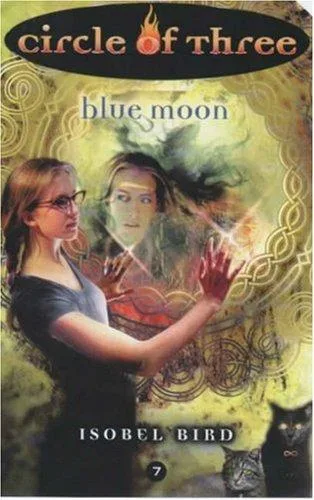
Circle of Three
 77
77

Circle of Three
Michael Thomas Ford's Circle of Three, from 2002, presents a narrative that feels both familiar and unsettling in its depiction of a contemporary coven. The novel succeeds in portraying the magnetic pull of secret knowledge and belonging, particularly through its focus on the internal group dynamics. A notable strength is Ford's ability to ground the supernatural elements in relatable human desires and anxieties. The depiction of the initiation process, for instance, captures a palpable sense of both dread and exhilaration.
However, the work occasionally falters in its pacing, with certain sections feeling more expository than engaging. While the characters are drawn into the circle's orbit, their individual motivations beyond the initial curiosity sometimes remain underdeveloped, leaving the reader wanting a deeper psychological exploration. The concept of the 'third circle' itself, while central, could have benefited from more explicit definition within the narrative's logic.
Read more ↓
Ultimately, Circle of Three offers an accessible, if somewhat conventional, fictional exploration of modern witchcraft that will appeal to genre readers.
📝 Description
77
Michael Thomas Ford's 2002 novel Circle of Three centers on a clandestine group practicing witchcraft.
Circle of Three follows individuals drawn into a secret society devoted to witchcraft. The narrative unfolds as a group discovers and becomes entangled with this clandestine circle. It examines themes of power, the process of initiation, and the repercussions that arise from engaging with the occult. The book appeals to readers interested in modern fictional depictions of witchcraft and esoteric practices. It offers a character-focused story with a speculative bent, emphasizing the personal journeys of characters encountering supernatural forces. Those who enjoy narratives about the appeal and potential dangers of hidden knowledge, particularly as it relates to contemporary occultism, should find this novel engaging. The story focuses on the internal dynamics of this secret group, including the complexities of loyalty and betrayal within their shared pursuit of magic.
Published in 2002, Circle of Three reflects a modern fictional take on covens and ritual magic. While not directly engaging with historical occult traditions like the Golden Dawn, Ford's novel depicts a secretive group's pursuit of power. This aligns with speculative fiction trends of the early 2000s that often featured hidden societies influencing everyday life. The book presents a more grounded, human perspective on witchcraft compared to earlier supernatural fiction.
💡 Why Read This Book?
• Gain insight into the fictionalized dynamics of a modern witchcraft circle, as depicted in the novel's exploration of recruitment and internal politics. • Understand the narrative arc of initiation and its psychological impact on characters, mirroring themes explored in the book's depiction of joining the coven. • Experience a contemporary speculative fiction approach to occult themes, distinct from earlier historical grimoires and focused on character-driven narratives.
⭐ Reader Reviews
Honest opinions from readers who have explored this book.
❓ Frequently Asked Questions
What is the main premise of Michael Thomas Ford's Circle of Three?
Circle of Three, published in 2002, follows individuals who become involved with a secret society practicing witchcraft, exploring their journeys and the consequences of their involvement with occult practices.
Is Circle of Three based on real witchcraft practices?
While inspired by general themes of witchcraft and covens, the novel is a fictional work and does not represent a specific historical or contemporary magical tradition verbatim.
Who are the key characters in Circle of Three?
The book focuses on a group of individuals drawn into a clandestine circle, with the narrative often centering on their collective experiences and individual reactions to the group's practices.
What themes does Circle of Three explore?
The novel delves into themes of power, secret knowledge, initiation, belonging, and the ethical implications of engaging with the occult.
What is the significance of the 'circle' in the book?
The 'circle' represents a secret society or coven dedicated to witchcraft, serving as the central organizing force for the plot and the source of the characters' involvement in esoteric practices.
When was Circle of Three first published?
Circle of Three was first published in 2002.
🔮 Key Themes & Symbolism
The Allure of Secret Societies
Circle of Three meticulously details the magnetic pull of clandestine groups. The novel portrays how the promise of hidden knowledge, exclusive belonging, and shared purpose can draw individuals away from ordinary life. The formation of the titular circle is depicted not just as a magical act, but as a social and psychological construct, offering solace and power to its members. Ford explores the initial fascination and subsequent entanglement, highlighting how the very secrecy of the group enhances its mystique and the commitment required of its initiates.
Initiation and Transformation
The process of initiation forms a crucial element of the narrative. Circle of Three examines what it means to be brought into the fold of an esoteric practice, focusing on the personal changes and challenges faced by new members. This transformation is often depicted as a double-edged sword, offering empowerment alongside potential peril. The book scrutinizes the psychological weight of embracing occult knowledge and ritual, suggesting that true initiation involves not just learning spells but fundamentally altering one's perception of reality and self.
Power and Its Consequences
Central to Circle of Three is the exploration of power, both its acquisition and its ethical ramifications. The novel presents witchcraft not merely as a belief system but as a force that individuals seek to wield for personal gain or collective advancement. Ford questions the responsibility that accompanies such power, illustrating how the pursuit and exercise of magical abilities can lead to unforeseen and often negative consequences for both the practitioners and those around them. The narrative probes the moral ambiguities inherent in seeking control over supernatural forces.
Modern Occultism in Fiction
Published in 2002, the novel reflects a contemporary fictional perspective on occultism, distinct from historical accounts. Circle of Three positions witchcraft within a modern, albeit fictionalized, social landscape. It examines how individuals might encounter and engage with esoteric practices in the early 21st century, moving beyond archaic rituals to explore a more accessible, albeit still secret, form of magic. This approach allows for an examination of modern anxieties and desires filtered through an occult lens.
💬 Memorable Quotes
Direct passages from the work, attributed to the author.
“The circle offered them a place to belong.”
— This sentiment expresses the core draw for many characters: the promise of community and acceptance found within the secret coven, suggesting that the social aspect is as potent as the magical one.
“They sought power, but found more than they bargained for.”
— This captures the narrative's exploration of the consequences of wielding occult power, suggesting that the pursuit of magical abilities often leads to unforeseen and potentially dangerous outcomes.
“The initiation was both terrifying and exhilarating.”
— This highlights the duality of the initiation process as depicted in the book, emphasizing the potent mix of fear and excitement that accompanies entry into a secret magical group.
“Secrecy was the price of admission.”
— This reflects the fundamental requirement of joining the circle, underscoring how the group's clandestine nature is integral to its identity and the commitment it demands from its members.
💡 Key Ideas
Editorial paraphrase of the work's core concepts — not direct quotes.
Learning the old ways changed everything.
This paraphrased concept highlights the transformative nature of initiation into esoteric practices, implying that acquiring hidden knowledge fundamentally alters an individual's perspective and life path.
🌙 Esoteric Significance
Tradition
Circle of Three operates within the broad contemporary genre of occult fiction, drawing loosely on archetypes of witchcraft and coven practices rather than adhering to a specific historical esoteric tradition like Hermeticism or Gnosticism. It reflects a modern, often secularized, interpretation of magic and ritual, focusing on psychological and social dynamics within a secret group. The work departs from traditional lineages by framing its esoteric elements within a narrative structure focused on personal discovery and consequence.
Symbolism
The primary symbol is the 'circle' itself, representing not only a magical working space but also a community and a binding pact. Within the narrative, the concept of 'three' may allude to various triadic structures common in esoteric thought (e.g., maiden-mother-crone, mind-body-spirit), suggesting wholeness, completion, or a specific level of initiation within the group's hierarchy. Other symbolic elements likely revolve around ritual objects and actions specific to the coven's practices.
Modern Relevance
Contemporary fiction exploring witchcraft and secret societies, particularly those focusing on character development and the psychological impact of esoteric practices, can be seen as drawing inspiration from works like Circle of Three. It contributes to a modern literary tradition that clarifies and reinterprets occult themes for a wider audience, influencing narratives that explore the intersection of the supernatural with everyday life and modern social dynamics.
👥 Who Should Read This Book
• Readers interested in contemporary fiction exploring themes of witchcraft and secret societies, who appreciate character-driven narratives. • Individuals curious about fictional depictions of initiation rites and the psychological journey of joining esoteric groups. • Fans of speculative fiction that examines the allure of hidden knowledge and the potential consequences of seeking supernatural power.
📜 Historical Context
Michael Thomas Ford's Circle of Three, released in 2002, emerged in a literary and cultural landscape where interest in witchcraft and esoteric practices was experiencing a resurgence. The early 2000s saw a growing accessibility to occult information via the internet, influencing both real-world practices and fictional portrayals. While Ford's work is a speculative fiction narrative, it taps into contemporary anxieties and fascinations surrounding hidden knowledge and secret societies. This period also saw a continued fascination with supernatural themes in popular culture, following trends set by authors and media in the preceding decades. Unlike the more historically grounded occultism explored by figures like Eliphas Lévi or the organized magical orders such as the Hermetic Order of the Golden Dawn in the late 19th and early 20th centuries, Ford's novel offers a modern, character-centric interpretation. It doesn't engage directly with specific historical magical texts or figures but rather reflects a fictionalized contemporary experience of covens and ritual, existing alongside other genre fiction exploring similar themes.
📔 Journal Prompts
The allure of the Circle: What draws individuals to clandestine groups?
Reflect on the concept of initiation and personal transformation.
Analyze the depiction of power within the novel's coven.
Consider the role of secrecy in binding members to a group.
Explore the balance between belonging and autonomy within a collective.
🗂️ Glossary
Coven
A group of witches or practitioners of witchcraft, typically meeting for ritual purposes. In the context of Circle of Three, it refers to the clandestine society at the novel's center.
Initiation
The process of being formally admitted into a group, society, or religious order, often involving rituals and the transmission of secret knowledge. In the book, it signifies entry into the circle's practices.
Esoteric
Intended for or likely to be understood by only a small number of people with a specialized knowledge or interest. Refers to hidden or secret knowledge, particularly concerning spiritual or mystical matters.
Occult
Relating to supernatural, mystical, or magical powers, practices, or phenomena. The book explores fictional occult practices within a modern setting.
Ritual
A series of actions performed according to a prescribed order, often for religious or ceremonial purposes. The novel features rituals central to the coven's activities.
The Circle
The specific name for the secret society of witches featured in Michael Thomas Ford's novel, representing their collective identity and practices.
Witchcraft
The practice of magic, especially harm-inducing sorcery, or the beliefs and practices of witches. The novel explores a fictionalized version of contemporary witchcraft.
🔮 Readers Also Liked
Browse all →






More by Michael Thomas Ford
All books →


More Free Witchcraft & Paganism Books
View all →

![Aloysii Charitini [pseud.] Discurs von trüglichen Kennzeichen der Zauberey, worinnen viel abergläubische Meinungen vernunfftmässig untersucht und verworffen; wie auch ... 1708: Iss 174](/img/thumb/aloysii-charitini-pseud-discurs-von-tr-glichen-kennzeichen-der-zauberey-worinnen-viel-abergl-ubische-meinungen-vernunfftm-ssig-untersucht-und-verworffen-wie-auch-1708-iss-174-brunneman-jacob-d-1735.webp)