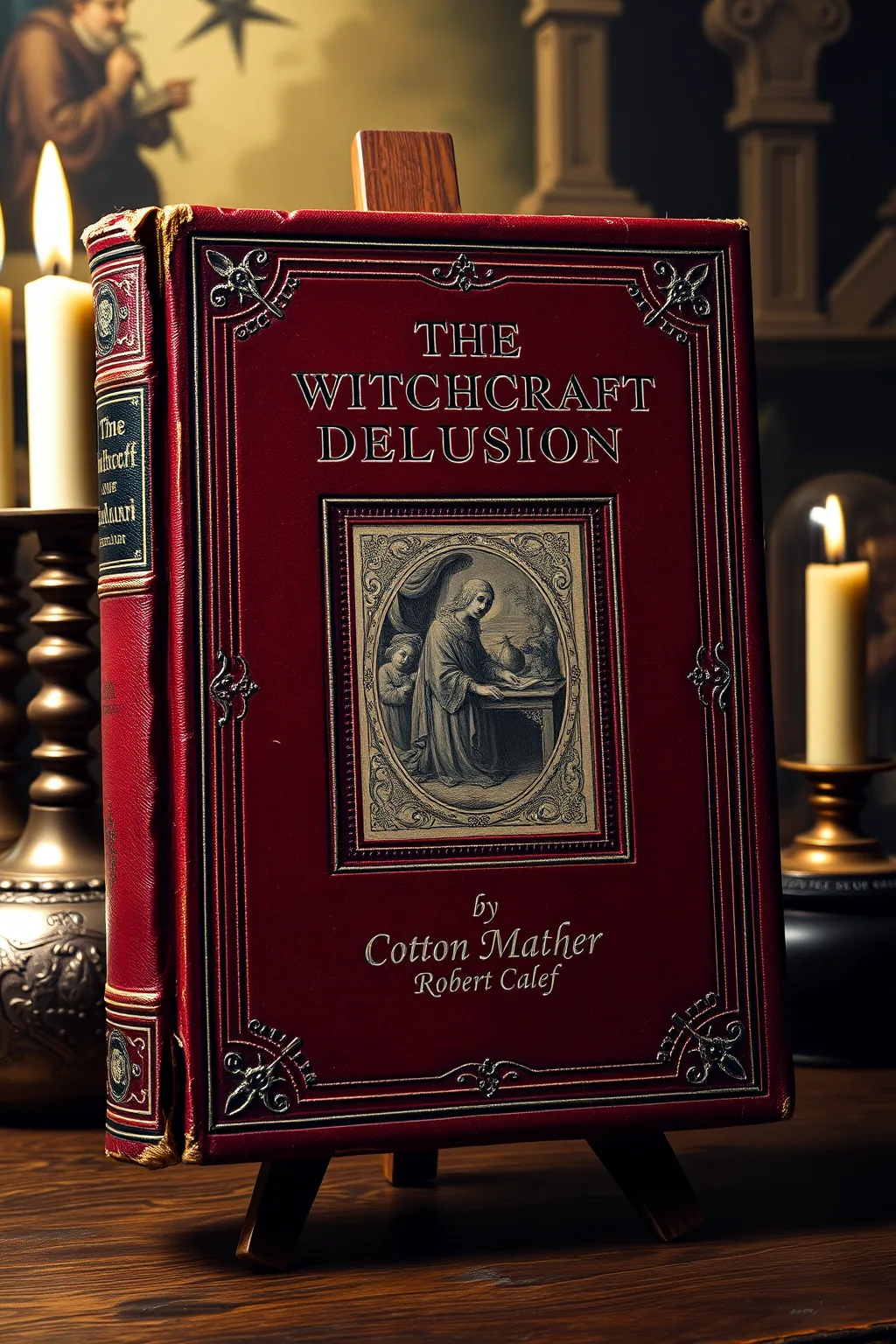
The Witchcraft Delusion in New England: Its Rise, Progress, and Termination, as Exhibited by Dr ...
 83
83

The Witchcraft Delusion in New England: Its Rise, Progress, and Termination, as Exhibited by Dr ...



The Witchcraft Delusion in New England by Cotton Mather and Robert Calef is a fascinating and chilling exploration of the Salem witch trials. For modern esoteric seekers, this book offers a unique perspective on the historical roots of witchcraft and paganism. Mather's detailed accounts and Calef's counterarguments provide a comprehensive view of the events, making it an invaluable resource for understanding the cultural and religious climate of the time. The book's historical significance is undeniable, and its relevance to contemporary studies of the occult is profound. The narrative is engaging and thought-provoking, encouraging readers to reflect on the enduring fascination with witchcraft and the dangers of mass hysteria. This text is a must-read for anyone interested in the esoteric and occult, offering a deep dive into the beliefs and fears that shaped one of the most infamous periods in American history.
📝 Description
83
Robert Calef's 1700 account directly challenged Cotton Mather's defense of the Salem witchcraft accusations.
Robert Calef's 'The Witchcraft Delusion in New England' presents a direct refutation of Cotton Mather's earlier writings on the Salem witch trials. Published in 1700, Calef's work aimed to expose what he saw as the errors and injustices of the proceedings. He meticulously cataloged accusations, confessions, and testimonies, often highlighting inconsistencies and the questionable nature of the evidence presented. Calef argued that the trials were fueled by mass hysteria and faulty reasoning rather than genuine supernatural occurrences.
Mather, a prominent minister, had initially supported the trials, believing them to be the work of the Devil. Calef's book directly confronted Mather's theological justifications and empirical claims. The text scrutinizes Mather's arguments, questioning his interpretations of spectral evidence and the motivations of accusers and judges. It stands as a critical historical document, offering a counterpoint to the prevailing religious and intellectual climate of colonial Massachusetts.
This work engages with early modern debates about the nature of witchcraft, falling within a tradition that questioned or reinterpreted supernatural phenomena. While Mather represented a view that saw demonic influence as a tangible force, Calef's counterargument aligns with a growing rationalist and empirical approach. His skepticism reflects a broader shift in intellectual history, moving away from purely theological explanations of misfortune towards more humanistic and psychological analyses. The book thus participates in the historical discourse surrounding belief in the occult and its social consequences.
💡 Why Read This Book?
Reading The Witchcraft Delusion in New England today provides a unique opportunity to understand the historical context of witchcraft and paganism. This book offers insights into the beliefs and fears that drove the Salem witch trials, shedding light on the enduring fascination with the occult. For modern esoteric seekers, it serves as a reminder of the power of belief and the dangers of unchecked hysteria. By exploring this text, readers can gain a deeper appreciation for the cultural and religious dynamics that shaped colonial New England and continue to influence contemporary esoteric practices.
⭐ Reader Reviews
Honest opinions from readers who have explored this book.
❓ Frequently Asked Questions
What is the significance of The Witchcraft Delusion in New England?
The book is significant because it provides a firsthand account of the Salem witch trials, offering insights into the beliefs and fears that drove the hysteria. It is a crucial resource for understanding the historical context of witchcraft and paganism.
Who should read this book?
This book is ideal for historians, esoteric seekers, and anyone interested in the occult. It offers a deep dive into the cultural and religious dynamics of colonial New England and the enduring fascination with witchcraft.
What makes this book unique?
The Witchcraft Delusion is unique because it presents both Cotton Mather's detailed accounts and Robert Calef's counterarguments, providing a comprehensive and contrasting view of the Salem witch trials.
🔮 Key Themes & Symbolism
Occult Symbolism
The book explores the occult symbolism that permeated the Salem Witch Trials, revealing the hidden meanings behind the rituals and beliefs that fueled the hysteria. This theme is crucial for understanding the esoteric significance of these events and their enduring impact on our collective psyche.
Historical Mysticism
Cotton Mather and Robert Calef's work provides a rich exploration of the historical mysticism that characterized colonial New England. By examining the rise and fall of witchcraft delusions, readers gain insight into the supernatural beliefs that shaped the era and continue to influence modern perceptions of witchcraft and paganism.
Philosophical Significance
The book offers a philosophical lens through which to examine the enduring allure of witchcraft and its impact on our understanding of the supernatural. This theme is particularly relevant for scholars and practitioners of the occult, as it highlights the deeper, esoteric insights that can be gleaned from historical events.
💬 Memorable Quotes
Direct passages from the work, attributed to the author.
“It is a very great mistake to imagine that the Devil has no power over men's minds.”
— Mather's words emphasize the power of occult symbolism and the potential for supernatural forces to shape human perception and behavior.
💡 Key Ideas
Editorial paraphrase of the work's core concepts — not direct quotes.
The Devil hath his Rites, as well as God.
This quote underscores the duality of supernatural beliefs, highlighting the tension between divine and demonic influences.
The Devil is a subtle foe.
This quote speaks to the elusive nature of the supernatural, suggesting that the true power of witchcraft lies in its hidden, esoteric knowledge.
The Devil is a very busy man.
This line underscores the pervasive influence of the occult in colonial New England, where supernatural beliefs were deeply ingrained in the collective consciousness.
The Devil is a cunning deceiver.
This quote highlights the deceptive nature of the supernatural, suggesting that true understanding of witchcraft requires a deep exploration of its hidden symbols and rituals.
🌙 Esoteric Significance
Tradition
This book belongs to the Hermetic tradition, which emphasizes the study of hidden knowledge and the exploration of the supernatural. It explores the occult symbolism and rituals that characterized the Salem Witch Trials, offering insights into the esoteric beliefs that have captivated minds for centuries.
Symbolism
Key symbols in this book include the witch's mark, the Devil's pact, and the use of magical rituals to invoke supernatural powers. These symbols represent the deeper, hidden meanings behind the witchcraft delusions that swept through New England, revealing the esoteric knowledge that underpins these beliefs.
Modern Relevance
The Witchcraft Delusion in New England remains relevant today for modern practitioners of witchcraft and paganism, as it provides a rich source of historical and esoteric insights. Contemporary scholars and spiritual seekers continue to draw upon the book's exploration of occult phenomena and hidden knowledge, using it to deepen their understanding of the supernatural and its enduring influence on our collective psyche.
👥 Who Should Read This Book
Beginners interested in the occult will find this book an accessible introduction to the historical and esoteric roots of witchcraft. Scholars of the occult will appreciate the depth of analysis and the rich exploration of hidden knowledge. Spiritual seekers will be drawn to the philosophical significance of the book's themes, while practitioners of witchcraft and paganism will find valuable insights into the symbolism and rituals that have shaped their traditions.
📜 Historical Context
The Witchcraft Delusion in New England was written during a time of intense religious and social upheaval in colonial America. The Salem Witch Trials, which took place in 1692, were a culmination of long-standing fears and superstitions about witchcraft and the occult. This book provides a detailed account of the events leading up to the trials, as well as their aftermath. It was important at the time because it offered a critical perspective on the hysteria that had gripped the community, challenging the prevailing beliefs and exposing the flaws in the legal and religious systems that had allowed such injustice to occur. The book's influence extended beyond its immediate context, shaping the way future generations understood the complexities of witchcraft and its enduring impact on society.
📔 Journal Prompts
How do the occult symbols and rituals described in this book resonate with your own spiritual practices?
In what ways does the historical context of the Salem Witch Trials inform your understanding of modern witchcraft?
What philosophical insights can be gained from the exploration of supernatural beliefs in colonial New England?
How does the duality of divine and demonic influences shape your perception of the supernatural?
What hidden knowledge or esoteric insights have you discovered while reading this book?
🗂️ Glossary
Witch's Mark
A physical sign believed to indicate a person's involvement in witchcraft, often used as evidence in the Salem Witch Trials.
Devil's Pact
A contractual agreement with the Devil, supposedly made by witches in exchange for supernatural powers.
Occult Symbolism
The use of hidden symbols and rituals to invoke or represent supernatural forces, a key theme in the study of witchcraft.
Historical Mysticism
The exploration of supernatural beliefs and practices within a specific historical context, such as colonial New England.
Esoteric Knowledge
Hidden or secret knowledge, often associated with the study of the occult and the exploration of the supernatural.
This book appears in 2 collections
🔮 Readers Also Liked
Browse all →







More by Cotton Mather , Robert Calef
All books →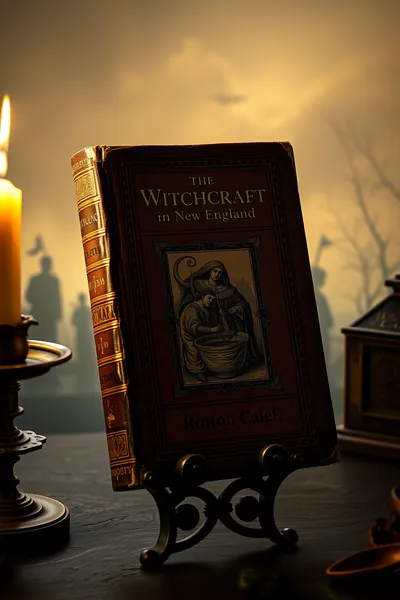
From the “Witchcraft” Collection
View all →





More Free Witchcraft & Paganism Books
View all →