Christian Mysticism and Incarnational Theology
 75
75

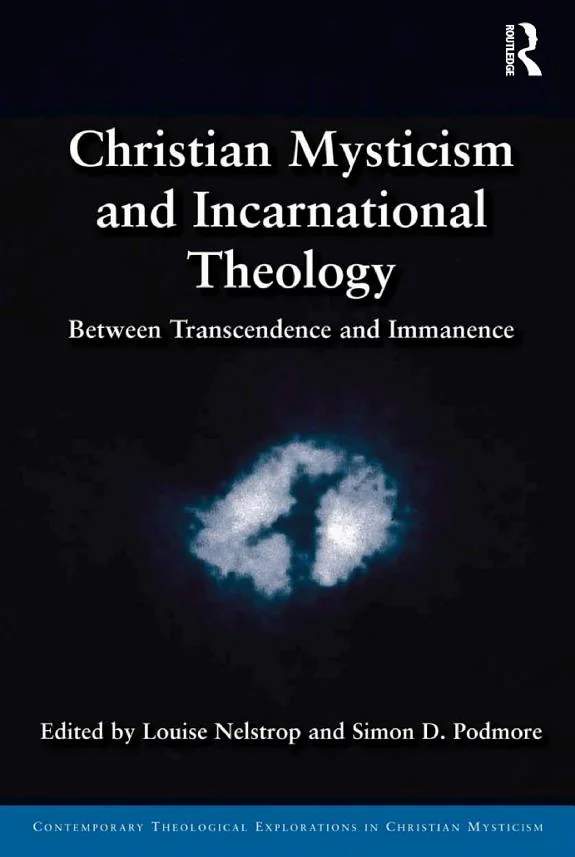
Christian Mysticism and Incarnational Theology
Nelstrop and Podmore have assembled a rigorous examination of Christian mysticism's engagement with the Incarnation. The collection’s strength lies in its detailed analysis of apophatic traditions, particularly through the lens of language and symbolism. A notable contribution is the re-evaluation of Meister Eckhart's complex relationship with immanence, moving beyond simplistic interpretations. However, the density of the scholarly discourse may present a barrier for readers less familiar with the primary texts of figures like Plotinus or Pseudo-Dionysius. The essays often assume a high level of prior knowledge, limiting accessibility for a general audience. Ultimately, the volume offers a sophisticated, if demanding, exploration of how mystical discourse grapples with the divine presence within the material world.
📝 Description
75
Published in 2016, this collection examines Christian mysticism and incarnational theology.
This volume of original essays, edited by Louise Nelstrop and Simon D. Podmore, investigates the connections between Christian mystical traditions and incarnational theology. The contributors re-examine key figures in Christian thought and mysticism, focusing on how ideas of transcendence and immanence appear in apophatic writings. The essays consider the function of language, signs, and imagery within mystical discourse.
Scholars and advanced students of theology, religious studies, and philosophy will find this work valuable. It speaks to those interested in the historical development of Christian mysticism, the philosophical basis of theological language, and the relationship between mystical experience and established doctrine. Readers seeking a deeper understanding of divine presence in Christian thought will benefit from its detailed analysis.
Emerging from scholarship attentive to the interplay of immanence and transcendence, this book engages with the long tradition of Christian mysticism. It references figures such as Augustine of Hippo and Pseudo-Dionysius the Areopagite. The essays contribute to current theological discussions on the Incarnation, moving beyond solely scholastic interpretations. The work centers on the paradox of divine presence in Christian experience, particularly how negative theology can lead to a richer grasp of God's immanence.
💡 Why Read This Book?
• Gain a nuanced understanding of apophatic theology and its role in articulating divine immanence, as explored through the works of figures like Eckhart. • Discover how language, signs, and imagery function as conduits for mystical experience and theological reflection on the Incarnation. • Engage with scholarly re-examinations of canonical Christian thinkers such as Augustine and Pseudo-Dionysius, offering fresh perspectives on their contributions to mystical thought.
⭐ Reader Reviews
Honest opinions from readers who have explored this book.
❓ Frequently Asked Questions
What is the primary focus of Christian Mysticism and Incarnational Theology?
The book focuses on the relationship between transcendence (God's otherness) and immanence (God's presence within creation) in Christian mystical writings, particularly how this relates to the doctrine of the Incarnation.
Which historical figures are discussed in the book?
Essays within the collection examine the writings and thought of canonical figures including Augustine, Plotinus, Pseudo-Dionysius, and Meister Eckhart.
What is apophatic theology, as discussed in this book?
Apophatic theology, or the 'via negativa', is a theological approach that seeks to understand God by describing what God is *not*, rather than what God is, often leading to insights about God's immanence.
What role does language play in the book's analysis?
The book scrutinizes the function of language, signs, and images within mystical discourse, exploring their capacity to express or point towards ineffable divine experiences and the mystery of the Incarnation.
Who are the editors of this collection?
The book is edited by Louise Nelstrop and Simon D. Podmore, both scholars in the field of theology and religious studies.
When was Christian Mysticism and Incarnational Theology first published?
The book was first published on May 23, 2016.
🔮 Key Themes & Symbolism
Apophatic Theology and Immanence
This theme explores how the apophatic tradition, emphasizing negation, paradoxically illuminates God's immanence within creation. By focusing on what God is not, mystics and theologians, including figures like Pseudo-Dionysius, create conceptual space for experiencing the divine not as solely transcendent, but as intimately present. The essays analyze how this negative path can lead to a more profound grasp of God's active participation in the world, particularly in relation to the Incarnation.
Language, Signs, and the Mystical Word
The collection scrutinizes the limitations and potential of language, signs, and imagery in articulating mystical experiences and theological truths. Contributors examine how these elements function as symbolic bridges, attempting to convey the ineffable realities of divine encounter and the mystery of the Incarnate Word. This includes analyzing how canonical mystics employed specific linguistic strategies and symbolic systems to express the paradox of divine presence in human form.
Revisiting Canonical Mystics
A central aspect of the book involves re-examining the works of foundational figures within Christian mystical and theological traditions. Scholars engage with the writings of Augustine of Hippo, Plotinus (whose Neoplatonic ideas heavily influenced Christian thought), Pseudo-Dionysius the Areopagite, and Meister Eckhart. This critical reappraisal aims to uncover fresh interpretations of their contributions to understanding the interplay between mystical experience and incarnational theology.
Incarnation as Divine Presence
The essays connect the abstract theological concept of the Incarnation – God becoming human in Jesus Christ – to the lived experience of divine immanence explored in mysticism. The book considers how mystical theology can inform contemporary reflections on the Incarnation, viewing it not merely as a historical event but as an ongoing reality of God's presence within and through the created order.
💬 Memorable Quotes
Direct passages from the work, attributed to the author.
“The relationship between transcendence and immanence within Christian mystical and apophatic writings.”
— This core statement highlights the book's central inquiry: how Christian mystics grapple with God's simultaneous otherness and intimate presence, particularly through the negative theological path.
“The roles of language, signs, and images in mystical theology.”
— This points to the methodological focus on semiotics and hermeneutics, examining how symbolic systems are employed to articulate profound spiritual experiences and theological concepts.
“Mystical theology might contribute to contemporary reflection on the Word incarnate.”
— This indicates the book's relevance beyond historical analysis, suggesting that ancient mystical traditions offer valuable insights for modern theological discussions on the Incarnation.
“Re-examines works from canonical figures such as Eckhart, Augustine, Plotinus, Pseudo-Dionysius.”
— This specifies the intellectual lineage and authoritative texts that the essays engage with, grounding the collection in established philosophical and theological discourse.
“Focus on apophatic writings.”
— This emphasizes a key theological method explored – the via negativa – and its specific application within Christian mysticism to understand the divine nature.
🌙 Esoteric Significance
Tradition
While rooted in Christian theology, this work engages with traditions that inform esoteric thought, particularly Neoplatonism via Plotinus and Pseudo-Dionysius. These figures are foundational to many Western esoteric lineages that explore divine emanation, the ascent of the soul, and the symbolic interpretation of reality. The book's focus on apophatic theology and the paradoxical nature of divine presence appeals to esoteric practices seeking direct experience of the Absolute beyond conceptual frameworks.
Symbolism
Key symbols explored implicitly include the 'Word Incarnate' itself, representing the divine made manifest in the material, a concept central to many esoteric cosmologies. The apophatic approach, symbolized by negation ('not this, not that'), points towards an ineffable ultimate reality, mirroring esoteric quests for the unknowable Godhead. Language, signs, and images function symbolically, acting as conceptual tools or barriers in the mystical path towards union.
Modern Relevance
Contemporary thinkers exploring embodied spirituality, process theology, and interfaith dialogue concerning divine immanence draw upon the themes presented. Practices in contemplative prayer and certain forms of esoteric Christianity that emphasize direct experience of God within the self and the world find conceptual grounding here. The book's analysis of language's role in mystical experience also informs contemporary discussions in religious phenomenology and the philosophy of religion.
👥 Who Should Read This Book
• Advanced students of theology and religious studies seeking rigorous analysis of Christian mystical traditions and their engagement with incarnational doctrine. • Scholars specializing in figures like Augustine, Pseudo-Dionysius, or Meister Eckhart, interested in new critical interpretations of their works. • Practitioners of contemplative prayer and esoteric Christianity looking to deepen their understanding of divine immanence and the theological underpinnings of mystical experience.
📜 Historical Context
Published in 2016, *Christian Mysticism and Incarnational Theology* emerged within a robust academic field examining medieval and early modern Christian thought. It builds upon centuries of theological debate, particularly concerning the Neoplatonic influences on figures like Augustine of Hippo and Pseudo-Dionysius the Areopagite, whose works shaped much of Western mystical theology. The book engages with contemporary scholarship that seeks to bridge the gap between experiential mysticism and systematic theology, offering new readings of figures like Meister Eckhart. This collection addresses a scholarly climate interested in the relationship between immanence and transcendence, often in dialogue with continental philosophy and phenomenology, moving beyond purely historical or devotional interpretations of mystical texts.
📔 Journal Prompts
The paradox of divine immanence as articulated through apophatic theology.
The function of language and signs in expressing the Incarnate Word.
Meister Eckhart's concept of the 'Godhead' and its relation to immanence.
Augustine's understanding of divine presence within the soul.
How Pseudo-Dionysius's symbolic theology informs incarnational reflection.
🗂️ Glossary
Immanence
The concept of divine presence within the created world; God being inherent in all things, as opposed to being solely transcendent and separate.
Transcendence
The concept of God existing beyond the material universe and human comprehension; God's otherness and sovereignty.
Apophatic Theology (Via Negativa)
A theological approach that seeks to understand God by emphasizing what God is *not*, through negation and denial, rather than positive affirmations.
Incarnational Theology
The theological study concerning the Incarnation, the doctrine that God became human in the person of Jesus Christ.
Mystical Writings
Texts that describe direct experiences of divine union or presence, often employing symbolic language and focusing on interior spiritual journeys.
Canonical Figures
Writers and thinkers whose works are considered foundational and authoritative within a particular tradition, such as Augustine or Eckhart in Christian theology.
Logos (The Word)
In Christian theology, often refers to Jesus Christ as the divine Word of God, the expression of God's being and will.
This book appears in 1 collection
🔮 Readers Also Liked
Browse all →




From the “Christian Mysticism” Collection
View all →




More Free Mysticism & Contemplation Books
View all →
![Camino de perfección [por] Santa Teresa de Jesús](/img/thumb/camino-de-perfección-por-santa-teresa-de-jesús-teresa-of-avila-256416.webp)