Born in blood
 74
74

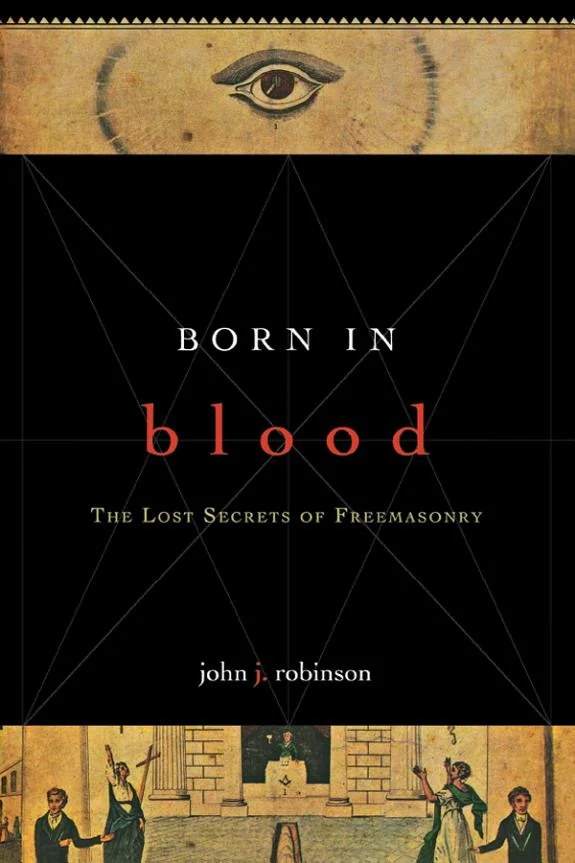
Born in blood
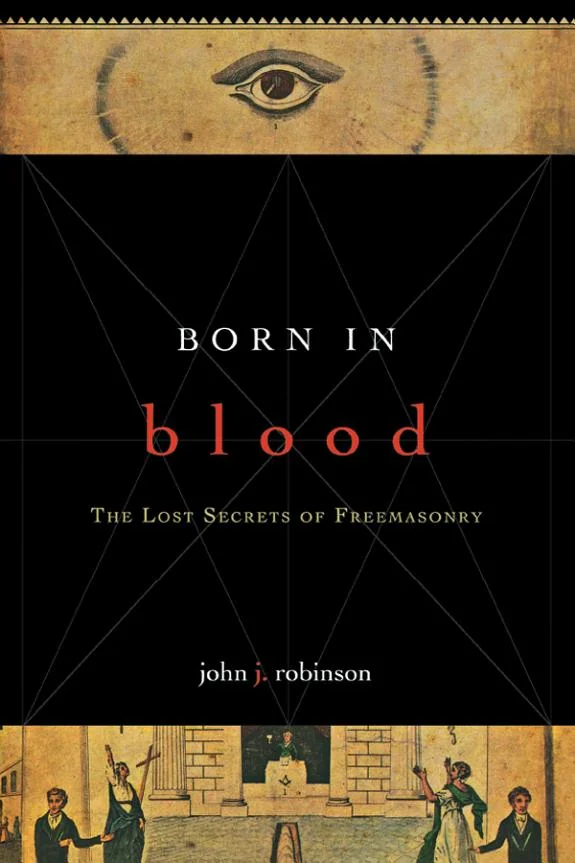
John J. Robinson's "Born in Blood" tackles the ambitious task of connecting modern Freemasonry to the Knights Templar and, by extension, to ancient mystery traditions. Robinson's strength lies in his detailed research, presenting a cohesive argument that feels grounded in historical inquiry rather than pure speculation. His exploration of the transition from operative to speculative Masonry is particularly illuminating. However, the sheer scope of the claim—linking 12th-century knights directly to 18th-century lodges through a continuous, secret lineage—requires a significant inferential leap. While the evidence presented is compelling for exploring connections, it doesn't definitively prove a direct, unbroken chain as strongly as one might wish. The book offers a fascinating perspective on the symbolic underpinnings of Masonic ritual. Ultimately, "Born in Blood" serves as a compelling thesis on Masonic origins that invites further investigation.
📝 Description
74
John J. Robinson argued in 1989 that Freemasonry descends directly from the Knights Templar.
Published in 1989, John J. Robinson's "Born in Blood" investigates the historical roots of Freemasonry. The book traces its lineage back to ancient mystery traditions and the medieval Knights Templar. Robinson details Masonic symbolism, rituals, and philosophy. He argues for a direct connection between the craft and pre-Christian esoteric orders. He supports this thesis by analyzing historical documents and esoteric texts.
This work is for students of Freemasonry, Western esotericism, and comparative religion. It appeals to those interested in Masonic history and its philosophical aspects. Readers curious about the Knights Templar, ancient mystery schools, and Western occult traditions will find it a useful resource. The book combines historical research with symbolic interpretation.
Robinson's work emerged in the late 20th century, a time of growing interest in esoteric history. It addressed a gap between skeptical academic views and romantic fraternal accounts of Freemasonry. By using historical analysis to examine potential ancient lineages and symbolic connections, "Born in Blood" engaged with established narratives and earlier proponents of esoteric interpretations.
💡 Why Read This Book?
• Gain an understanding of the historical and symbolic links between Freemasonry and the Knights Templar, exploring Robinson's meticulous research into this connection, a central argument presented throughout the book. • Discover how ancient mystery traditions and Gnostic ideas may have influenced the philosophical development of Freemasonry, as detailed in Robinson's analysis of symbolic transmission. • Examine the transition from operative stonemasonry to speculative Masonry, a key historical process detailed in the book that sheds light on the evolution of Masonic ritual and philosophy.
⭐ Reader Reviews
Honest opinions from readers who have explored this book.
❓ Frequently Asked Questions
What is the central argument of John J. Robinson's 'Born in Blood' regarding Freemasonry?
The central argument is that modern Freemasonry directly descends from the Knights Templar, who preserved ancient esoteric knowledge. Robinson posits a lineage connecting Templar traditions to the rituals and symbolism found in Masonic lodges.
When was 'Born in Blood' first published and what was its impact?
First published in 1989, 'Born in Blood' significantly contributed to the popular and academic interest in the historical and esoteric origins of Freemasonry, offering a detailed and well-researched perspective.
Does 'Born in Blood' provide evidence for the Knights Templar's involvement in Freemasonry?
Yes, the book presents extensive historical and symbolic evidence, analyzing documents and traditions to build a case for the Templar-Masonic connection. It explores shared symbols and alleged continuities in their practices.
What ancient traditions does Robinson suggest influenced Freemasonry through the Knights Templar?
Robinson suggests that the Knights Templar acted as conduits for ancient mystery religions, including Gnostic and Hermetic philosophies, which subsequently informed the symbolic structure and teachings of Freemasonry.
Is 'Born in Blood' considered a definitive historical account or an interpretative work?
While based on historical research, 'Born in Blood' is largely considered an interpretative work that builds a strong thesis. It invites readers to consider the symbolic and historical continuities Robinson identifies.
Who would benefit most from reading 'Born in Blood'?
Students of Freemasonry, Western esotericism, comparative religion, and those interested in the history of secret societies, particularly the Knights Templar, would find this book highly informative.
🔮 Key Themes & Symbolism
Templar-Masonic Lineage
The core argument of 'Born in Blood' is the direct ancestral link between the Knights Templar and Freemasonry. Robinson posits that the Templars, upon their suppression in the early 14th century, did not disappear but went underground, preserving their knowledge and rituals. This knowledge, he argues, was later transmitted to the nascent Masonic lodges that emerged in the 17th and 18th centuries, particularly through operative stonemason guilds. The book examines shared symbols and alleged ritualistic continuities as evidence for this unbroken chain of esoteric transmission.
Ancient Mystery Religions
Robinson suggests that the Knights Templar were not only guardians of esoteric Christian knowledge but also inheritors and preservers of much older pagan mystery traditions. He traces potential influences from Gnosticism, Hermeticism, and other pre-Christian schools of thought that flourished in the ancient world. These ancient doctrines, according to his thesis, were assimilated by the Templars and subsequently passed into the symbolic and philosophical framework of Freemasonry, providing a deeper, more ancient esoteric foundation.
Symbolism of Solomon's Temple
Central to Masonic lore is the legend of King Solomon's Temple, which serves as a powerful allegorical framework. 'Born in Blood' explores how this ancient structure functions not just as a historical building but as a potent symbol within Masonic teachings, representing spiritual construction and the quest for divine knowledge. Robinson connects the Temple motif to Templar activities and argues that its symbolic significance was preserved and amplified through Masonic ritual, serving as a focal point for initiatory teachings derived from ancient wisdom.
Operative to Speculative Transition
The book critically examines the historical shift from operative masonry—the craft of building with stone—to speculative masonry, the philosophical and ritualistic fraternity. Robinson investigates how the tools, symbols, and practices of medieval stonemasons were adopted and reinterpreted by a new class of members who were not necessarily builders by trade. This transition, occurring primarily in the late 16th and 17th centuries, is presented as the crucial historical juncture where the ancient knowledge, allegedly preserved by Templars, could be formally integrated into the emerging Masonic structure.
💬 Memorable Quotes
Direct passages from the work, attributed to the author.
“The operative masons were organized into guilds that were the lineal descendants of the medieval stonemason lodges, which in turn may have had Templar connections.”
— This statement captures Robinson's core thesis: that the practical, craft-based guilds of stonemasons served as the direct organizational and symbolic predecessors to speculative Freemasonry, with a potential, significant link back to the Knights Templar.
“Solomon's Temple was more than just a building; it was a symbol of divine wisdom and the perfection of man.”
— This interpretation highlights the symbolic weight placed on the Temple in Masonic tradition. It suggests that the biblical structure represents an esoteric ideal, a spiritual blueprint for achieving enlightenment or perfection, a concept central to Masonic allegory.
“The Hiramic legend is central to Masonic initiation, echoing ancient death and resurrection myths.”
— This points to the foundational narrative of Hiram Abiff in Freemasonry and connects it to a broader pattern found in ancient religions, suggesting that Masonic initiation draws upon primordial archetypes of suffering, death, and rebirth.
💡 Key Ideas
Editorial paraphrase of the work's core concepts — not direct quotes.
The suppression of the Templars in 1307 marked not an end, but a transformation and a going-underground.
This quote reflects Robinson's view that the historical event of the Templars' persecution was a catalyst for their knowledge and practices to be concealed and transmitted secretly, rather than extinguished, setting the stage for their alleged influence on later groups.
Masonic ritual preserves ancient allegories and symbols that speak of a lost wisdom.
This paraphrase suggests that the ceremonies and symbols within Freemasonry are not arbitrary but are carriers of ancient, possibly forgotten, spiritual or philosophical teachings that the book aims to decipher and explain.
🌙 Esoteric Significance
Tradition
Robinson's work is firmly rooted in the Western Esoteric Tradition, particularly concerning its exploration of secret societies and the transmission of Gnostic and Hermetic ideas. It bridges historical inquiry with esoteric interpretation, positioning Freemasonry not just as a fraternal organization but as a vessel for ancient wisdom. The book aligns with lineages that seek continuity from pre-Christian mystery schools through medieval orders like the Templars to the Enlightenment-era development of speculative Masonry, offering a historical framework for esoteric practice.
Symbolism
The book places significant emphasis on the symbolism inherent in Masonic rituals and lore. Key symbols explored include the Square and Compasses, representing moral and spiritual discipline; the Rough and Perfect Ashlars, symbolizing the uninitiated and the perfected individual; and, most crucially, the legend of King Solomon's Temple, which acts as a central allegorical stage for Masonic initiation and the pursuit of divine knowledge. These symbols are presented not merely as decorative elements but as carriers of profound esoteric meaning, linked to ancient cosmologies and spiritual quests.
Modern Relevance
"Born in Blood" continues to be a foundational text for modern students of Freemasonry and Western esotericism. Contemporary Masonic scholars and ritualists frequently reference Robinson's work when discussing the historical and philosophical underpinnings of the Craft. Its thesis regarding Templar influence also speaks to various modern esoteric groups and historical researchers who explore the continuity of ancient traditions through seemingly disparate historical periods and organizations. The book remains a significant touchstone for understanding the esoteric dimensions of Masonic symbolism.
👥 Who Should Read This Book
• Students of Freemasonry seeking a comprehensive historical and symbolic analysis of the Craft's origins, particularly the debated connection to the Knights Templar. • Enthusiasts of Western Esotericism and comparative religion interested in tracing the lineage of ancient mystery traditions through medieval orders to modern secret societies. • Researchers of medieval history and the Knights Templar looking for a work that posits a significant, albeit interpretative, continuation of Templar influence into later centuries.
📜 Historical Context
Published in 1989, John J. Robinson's "Born in Blood" emerged during a period of renewed popular fascination with secret societies and their historical origins. The late 20th century saw numerous books exploring esoteric traditions, conspiracy theories, and alternative histories. Robinson's work contributed significantly to this discourse by presenting a scholarly yet accessible argument for the direct lineage of Freemasonry from the Knights Templar, a thesis that challenged more conventional historical accounts and earlier, often more mystical, interpretations by authors like Manly P. Hall. While academic historians often approached Masonic origins with skepticism regarding direct Templar links, Robinson's meticulous research and clear prose offered a compelling alternative narrative, engaging with the historical currents of the time that sought to connect disparate elements of Western esoteric tradition.
📔 Journal Prompts
The symbolic journey from operative stonemason to speculative Masonry explored in the book.
The Knights Templar as preservers of ancient mystery traditions.
The significance of Solomon's Temple as an esoteric symbol.
Reflecting on the transition from guild practices to philosophical lodges.
How the suppression of the Templars might have influenced secret knowledge transmission.
🗂️ Glossary
Operative Masonry
The historical craft of stonemasons who built cathedrals and other structures, organized into guilds with specific rituals and traditions.
Speculative Masonry
The philosophical and ritualistic fraternity that evolved from operative masonry, focusing on moral and spiritual teachings rather than the physical craft.
Knights Templar
A medieval Catholic military order founded around 1119, known for its role in the Crusades and its alleged possession of esoteric knowledge.
Gnosticism
A diverse set of religious and philosophical movements that flourished in the first centuries CE, emphasizing personal spiritual knowledge (gnosis) for salvation.
Hermeticism
A philosophical and religious tradition based primarily upon writings attributed to Hermes Trismegistus, dealing with cosmology, alchemy, astrology, and the divine.
Hiram Abiff
The central legendary figure in Masonic lore, the master architect of Solomon's Temple, whose murder and resurrection form a key allegorical narrative in Masonic initiation.
Mystery Religions
Ancient religious cults, originating in Greece and the Near East, characterized by secret rites and initiations, promising spiritual benefits to their adherents.
🔮 Readers Also Liked
Browse all →





![The Freemasons' quarterly (magazine and) review [afterw.] The Freemasons' monthly magazine](/img/thumb/the-freemasons-quarterly-magazine-and-review-afterw-the-freemasons-monthly-magazine-freemasons-magazine-ia.webp)


More by John J. Robinson
All books →



More Free Freemasonry & Secret Societies Books
View all →