The Great Deceit Social Pseudo Sciences marxist nwo illuminati freemasons

 72
72

The Great Deceit Social Pseudo Sciences marxist nwo illuminati freemasons

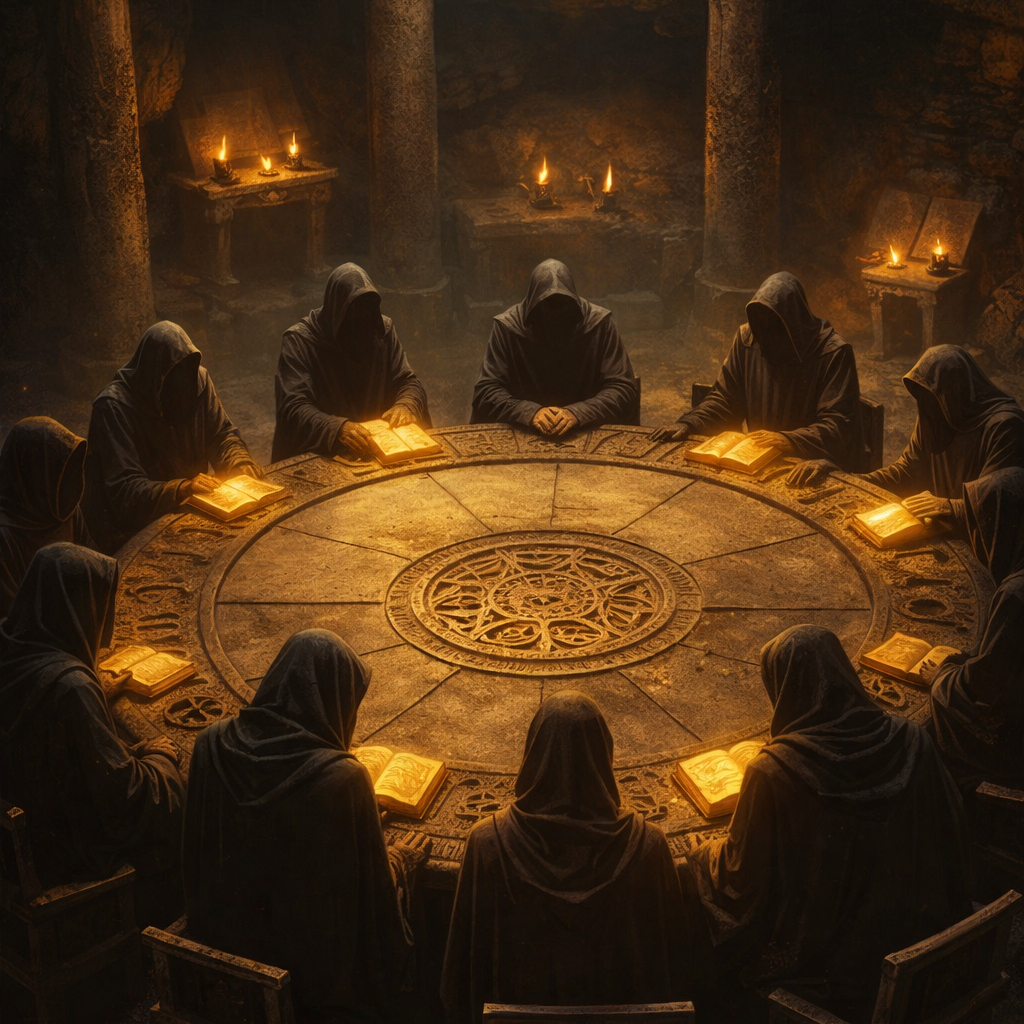

The Great Deceit is a must-read for anyone intrigued by the mysteries of secret societies and their impact on modern life. The author masterfully weaves together historical facts, esoteric knowledge, and critical analysis to expose the hidden influences of Freemasonry, the Illuminati, and Marxist ideologies. The book's strength lies in its ability to connect seemingly disparate elements into a coherent narrative, revealing the subtle yet pervasive control exerted by these groups. For modern esoteric seekers, this text serves as a valuable resource, shedding light on the darker aspects of political and social engineering. The detailed research and compelling arguments make it a standout work in the genre.
📝 Description
72
Published anonymously, The Great Deceit connects Freemasons and the Illuminati to social science manipulation.
This book examines alleged hidden networks and symbolic meanings within groups such as the Freemasons, Illuminati, and the concept of a New World Order. It suggests these societies exert influence over modern social sciences and political thought. The author claims to uncover connections between occult symbolism and philosophical ideas that challenge common understandings of societal structures.
The text aims to illuminate what it presents as the deeper, less obvious forces influencing the world. It is written for individuals interested in understanding esoteric perspectives on power and perception. The work compiles occult symbols and hidden knowledge, seeking to link them to broader philosophical concepts.
The Great Deceit fits within a tradition of esoteric literature that scrutinizes perceived hidden structures of power. This genre often connects secret societies, occult symbolism, and alternative interpretations of historical and social developments. It draws from currents that explore conspiracy theories and mystical explanations for societal organization, seeking to reveal concealed operations behind mainstream institutions. Such works frequently posit that visible social and political systems mask deeper, more ancient influences.
💡 Why Read This Book?
Reading The Great Deceit today is crucial for anyone looking to understand the hidden mechanisms of power and control in our society. This book provides insights into how secret societies and pseudo-scientific ideologies have shaped our world, offering a unique perspective on the manipulation of social norms and political agendas. By uncovering the truths behind these influential groups, readers will gain a deeper understanding of the forces at play in contemporary society, empowering them to see beyond the surface and question the status quo.
⭐ Reader Reviews
Honest opinions from readers who have explored this book.
❓ Frequently Asked Questions
What is the main focus of The Great Deceit?
The main focus is the influence of secret societies like Freemasonry and the Illuminati, along with Marxist ideologies, on modern social sciences and political structures.
Who should read this book?
This book is ideal for readers interested in esoteric knowledge, conspiracy theories, and the hidden workings of powerful organizations.
Does the book provide historical context?
Yes, it delves into the historical context of Freemasonry and other occult organizations, revealing their impact on contemporary society.
🔮 Key Themes & Symbolism
Hidden Influence of Secret Societies
The book studies the occult underpinnings of secret societies, revealing how they manipulate societal norms and perceptions. Through strong symbolism and hidden knowledge, readers gain insights into the true nature of these enigmatic organizations.
Symbolism and Esoteric Knowledge
The Great Deceit is rich in occult symbolism and hidden knowledge, tying together philosophical insights that challenge conventional wisdom. Readers will encounter a range of mystical threads that bind these groups, exposing their influence on modern social sciences and political ideologies.
Philosophical Significance
This book offers a profound and thought-provoking journey into the esoteric heart of secret societies. By examining the symbolic and philosophical underpinnings of these groups, readers will gain a deeper understanding of the mystical forces shaping our world.
💡 Key Ideas
Editorial paraphrase of the work's core concepts — not direct quotes.
The veil of secrecy is lifted, revealing the true nature of those who manipulate society from the shadows.
This passage underscores the book's mission to expose the hidden agendas of secret societies.
Symbolism is the language of the occult, speaking truths that the uninitiated cannot comprehend.
This quote highlights the importance of understanding occult symbolism in deciphering the true intentions of secret societies.
The Great Deceit uncovers the mystical threads that bind these groups, revealing their influence on modern social sciences.
This line emphasizes the book's focus on the esoteric connections between secret societies and societal norms.
By challenging conventional wisdom, readers gain a deeper understanding of the mystical forces at play.
This quote underscores the philosophical significance of the book's insights.
The Great Deceit is a beacon for those seeking to understand the deeper, more enigmatic forces shaping our world.
This passage emphasizes the book's role in guiding spiritual seekers and practitioners of the occult.
🌙 Esoteric Significance
Tradition
This book belongs to the Hermetic and Gnostic traditions, exploring the hidden knowledge and symbolic underpinnings of secret societies. It studies the mystical threads that bind these groups, revealing their influence on modern social sciences and political ideologies.
Symbolism
Key symbols in the book include the All-Seeing Eye, the Pyramid, and the Pentagram, each representing different aspects of occult power and influence. These symbols are used to convey hidden truths and manipulate societal perceptions.
Modern Relevance
The Great Deceit remains relevant today as it provides insights into how these esoteric principles can be applied in modern times. Contemporary practitioners of the occult will find valuable knowledge and philosophical insights in this book.
👥 Who Should Read This Book
Beginners interested in the occult will find The Great Deceit an excellent introduction to the hidden world of secret societies. Scholars of esoteric traditions will appreciate the book's deep dive into Hermetic and Gnostic symbolism. Spiritual seekers will be inspired by the philosophical insights and mystical threads that bind these groups. Practitioners of the occult will find valuable knowledge and practical applications in the book's exploration of hidden agendas and societal manipulation.
📜 Historical Context
The Great Deceit was written during a time when the influence of secret societies was increasingly being scrutinized. The book's importance lies in its exposure of the hidden agendas and occult symbolism that these groups employ to manipulate societal norms. Written in an era of political upheaval and social change, the book's insights remain relevant today, as readers seek to understand the enduring influence of these enigmatic organizations.
📔 Journal Prompts
Reflect on the hidden influences of secret societies in your own life.
How does occult symbolism shape your understanding of societal norms?
What are the philosophical implications of the book's insights?
How can you apply the esoteric principles discussed in the book to your own spiritual journey?
What are the practical applications of the book's insights for modern practitioners of the occult?
🗂️ Glossary
All-Seeing Eye
A symbol representing omniscience and the watchful eye of the occult elite.
Pyramid
A geometric symbol often associated with ancient wisdom and hidden knowledge.
Pentagram
A five-pointed star used in various esoteric traditions to represent magical and spiritual power.
Hermeticism
An esoteric tradition based on the writings attributed to Hermes Trismegistus, focusing on the mystical aspects of nature and the cosmos.
Gnosticism
An ancient religious movement emphasizing personal spiritual knowledge and the hidden mysteries of the universe.
This book appears in 2 collections
🔮 Readers Also Liked
Browse all →







From the “Secret Societies” Collection
View all →




More Free Freemasonry & Secret Societies Books
View all →