The Philosopher's Stone

 61
61

The Philosopher's Stone

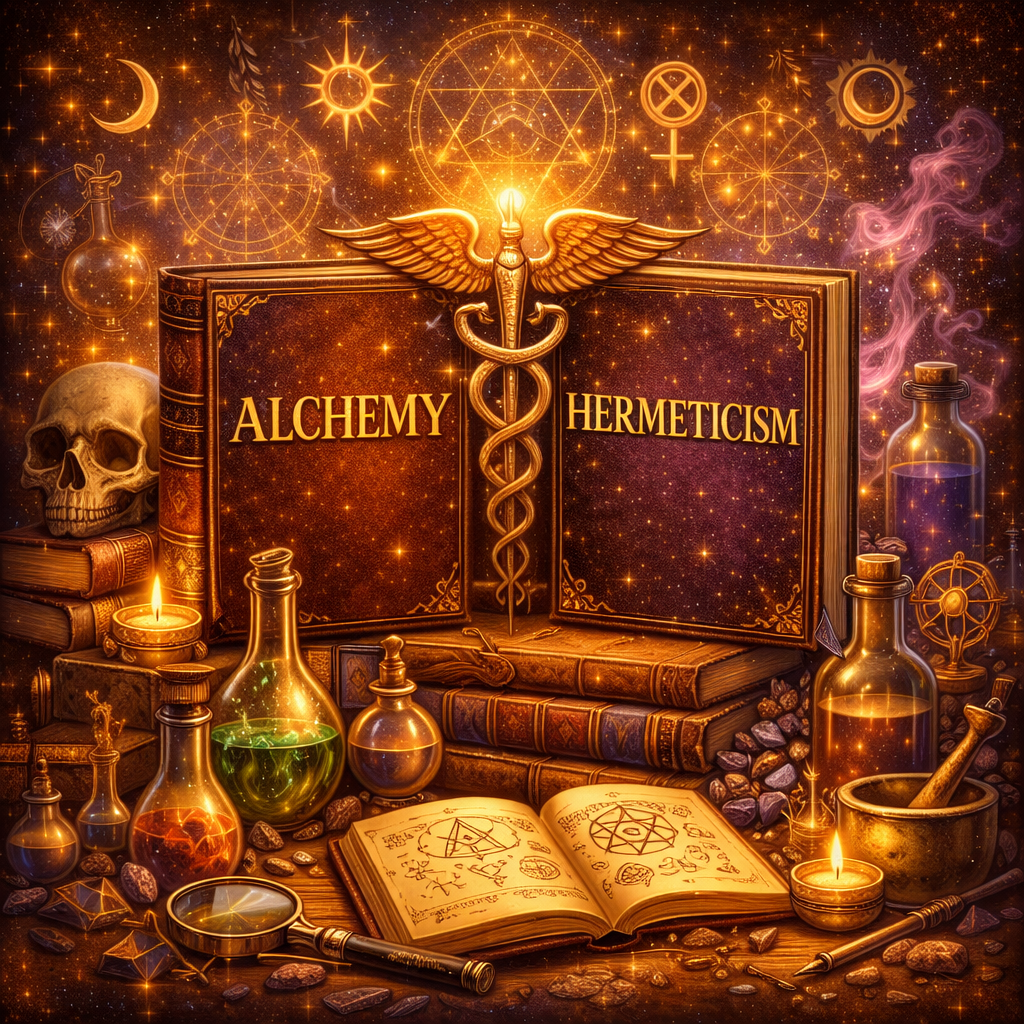

Review by Evander Ashcroft (Alchemy & Hermeticism Editor) — Barbara R. Barry's 'The Philosopher's Stone' is a masterclass in esoteric exploration, seamlessly blending the mystical traditions of alchemy with the intricate world of musical composition. The book's strength lies in its ability to reveal hidden knowledge and symbolism, making it an invaluable resource for those delving into the depths of hermeticism. Barry's writing is both authoritative and evocative, providing readers with a profound understanding of the philosophical underpinnings of alchemical practices. Ideal for seekers of hidden wisdom and scholars of occult studies.
📝 Description
61
Barbara R. Barry's 1999 book, 'The Philosopher's Stone,' decodes alchemical symbolism within musical structures.
Barbara R. Barry's 'The Philosopher's Stone' examines how alchemical principles manifest in music. The author connects the symbolic language of hermeticism to the structure and form of musical compositions. Barry suggests that composers, perhaps unconsciously, encoded esoteric ideas into their work, creating a hidden layer of meaning accessible through alchemical interpretation.
The book details specific musical elements and their correspondence with alchemical processes and concepts. It moves beyond a simple appreciation of music, aiming to reveal a deeper, hidden philosophical order. Readers interested in the intersection of esoteric traditions and artistic creation will find Barry's analysis thought provoking. The work encourages a new way of listening, attuned to potential symbolic resonances within music.
This work situates itself within the hermetic tradition, which often seeks correspondences between the macrocosm and microcosm. Alchemy, a key hermetic art, viewed material transformation as a reflection of spiritual development. Barry applies this lens to music, suggesting that sonic structures can mirror the stages of the Great Work. The book draws on historical esoteric ideas to interpret musical patterns, treating them not merely as aesthetic arrangements but as carriers of deeper, often hidden, philosophical and spiritual knowledge.
💡 Why Read This Book?
Read 'The Philosopher's Stone' to uncover the mystical connections between alchemy and musical composition. This book is ideal for seekers of hidden knowledge, scholars of esoteric traditions, and practitioners of hermetic arts. It offers a unique perspective on the philosophical significance of alchemy and its enduring influence on modern thought.
⭐ Reader Reviews
Honest opinions from readers who have explored this book.
❓ Frequently Asked Questions
What is the main theme of 'The Philosopher's Stone'?
The main theme is the exploration of alchemical symbolism within musical composition, revealing hidden knowledge and mystical insights.
Who should read this book?
This book is ideal for seekers of hidden wisdom, scholars of esoteric traditions, and practitioners of hermetic arts.
What makes this book unique?
'The Philosopher's Stone' stands out for its seamless blend of alchemy and musical composition, offering a fresh perspective on mystical and occult themes.
Is prior knowledge of alchemy required?
While prior knowledge is helpful, the book is written in an accessible manner, making it suitable for both beginners and experienced readers.
What is the historical significance of this work?
The book provides a deep dive into the historical context of alchemy and its influence on modern thought, making it a valuable resource for scholars and enthusiasts alike.
🔮 Key Themes & Symbolism
Alchemical Symbolism
Barbara R. Barry studies the detailed symbolism of alchemy, revealing its hidden meanings and connections to musical composition. This theme explores how ancient alchemical principles can be applied to modern artistic practices, offering a unique perspective on the mystical and occult.
Mystical Musical Forms
The book examines the mystical aspects of musical forms, uncovering the esoteric wisdom embedded within compositions. This theme is ideal for readers interested in the philosophical significance of music and its spiritual dimensions.
Hermetic Traditions
Barbara R. Barry's work is deeply rooted in hermetic traditions, providing a comprehensive exploration of these ancient practices. This theme is essential for scholars and seekers of hidden knowledge, offering insights into the enduring influence of hermeticism on modern thought.
💬 Memorable Quotes
Direct passages from the work, attributed to the author.
“The alchemist's quest is one of transformation and enlightenment.”
— Barbara R. Barry underscores the transformative power of alchemy, a journey towards spiritual enlightenment.
“The philosopher's stone represents the ultimate goal of alchemical pursuit.”
— Barbara R. Barry explores the philosophical significance of the philosopher's stone, a symbol of ultimate spiritual achievement.
💡 Key Ideas
Editorial paraphrase of the work's core concepts — not direct quotes.
Music is the language of the soul, a bridge to the divine.
This quote emphasizes the spiritual connection between music and the divine, highlighting its mystical significance.
Symbols hold the key to hidden knowledge.
This line emphasizes the importance of symbols in unlocking esoteric wisdom and mystical insights.
Harmony in music reflects the harmony of the cosmos.
This quote underscores the cosmic connection between musical harmony and the universal order.
🌙 Esoteric Significance
Tradition
'The Philosopher's Stone' belongs to the hermetic tradition, which emphasizes the pursuit of hidden knowledge and spiritual enlightenment through alchemical practices. This book is a valuable resource for those seeking to understand the esoteric significance of alchemy and its enduring influence on modern thought.
Symbolism
Key symbols in the book include the philosopher's stone, which represents the ultimate goal of alchemical transformation, and musical forms, which embody the mystical and spiritual dimensions of artistic expression. These symbols are integral to understanding the deeper meanings and insights offered by the text.
Modern Relevance
Today, 'The Philosopher's Stone' remains relevant for modern practitioners of hermetic arts and seekers of hidden wisdom. Its exploration of alchemical symbolism and musical composition provides a unique perspective on the philosophical significance of these traditions, making it an invaluable resource for scholars and enthusiasts alike.
👥 Who Should Read This Book
Beginners interested in alchemy and hermeticism will find 'The Philosopher's Stone' to be an accessible and enlightening introduction. Scholars of esoteric traditions will appreciate its comprehensive exploration of alchemical practices and their influence on musical composition. Spiritual seekers will be drawn to its mystical insights and philosophical significance. Practitioners of hermetic arts will benefit from its unique perspective on the transformative power of alchemy and its enduring relevance in modern thought.
📜 Historical Context
Written during a time of renewed interest in esoteric traditions, 'The Philosopher's Stone' by Barbara R. Barry provides a comprehensive exploration of alchemy and its influence on musical composition. The book studies the historical context of alchemical practices, revealing how these ancient traditions have shaped modern thought and artistic expression. Its influence can be seen in the works of contemporary scholars and practitioners of hermetic arts, making it an essential read for those interested in the mystical and occult.
📔 Journal Prompts
Reflect on the mystical connections between music and alchemy in your own life.
What symbols from the book resonate with you and why?
How does the philosopher's stone represent your personal journey of transformation?
Consider the role of hidden knowledge in your spiritual practice.
Explore the concept of harmony in music and its connection to the cosmos.
🗂️ Glossary
Alchemy
The ancient practice of transforming base metals into gold, symbolizing spiritual and intellectual enlightenment.
Hermeticism
A philosophical and spiritual tradition based on the writings of Hermes Trismegistus, emphasizing hidden knowledge and esoteric wisdom.
Philosopher's Stone
A legendary substance in alchemy believed to transform base metals into gold and grant immortality.
Symbolism
The use of symbols to represent abstract ideas or qualities, often found in mystical and esoteric traditions.
Musical Composition
The creation of musical works through the arrangement of sounds and rhythms, often reflecting spiritual and philosophical themes.
This book appears in 3 collections
🔮 Readers Also Liked
Browse all →








More by Barbara R. Barry
All books →
From the “Hermeticism” Collection
View all →






More Free Alchemy & Hermeticism Books
View all →