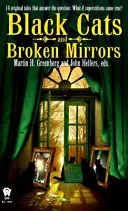
Black Cats and Broken Mirrors
 72
72

Black Cats and Broken Mirrors
The premise of "Black Cats and Broken Mirrors"—testing the reality of superstitions—is an inviting one, and the roster of contributing authors, including Jane Yolen and Elizabeth Ann Scarborough, promises a varied exploration. The collection succeeds in presenting a spectrum of interpretations, from the whimsical to the genuinely unsettling. One particularly effective piece examines the folklore surrounding spilled salt, transforming a mundane accident into a narrative of cosmic consequence, demonstrating the anthology's potential. However, the unevenness inherent in multi-author collections is present; some stories feel like brief, underdeveloped sketches of larger ideas, lacking the narrative depth to fully explore their intriguing premises. The anthology offers glimpses of magic woven into the fabric of the everyday, but not all threads are equally strong. It is a competent, if not always illuminating, collection that plays with familiar fears.
📝 Description
72
Black Cats and Broken Mirrors is a 1998 anthology examining superstitions through speculative fiction.
"Black Cats and Broken Mirrors," edited by Martin Harry Greenberg and John Helfers, presents original speculative fiction stories from 1998. The collection takes common superstitions and asks if there is any truth to them, drawing on the work of established fantasy and speculative fiction authors. These writers offer both lighthearted and darker interpretations of cultural beliefs. The anthology is for readers of speculative fiction with a connection to mythology or folklore. It will interest those who enjoy urban fantasy, magical realism, and tales that engage with widespread cultural fears. Readers familiar with authors like Jane Yolen and Charles de Lint will find their work here, exploring themes that are both new and recognizable.
The book emerged in 1998, a time when genre fiction often combined the supernatural with everyday life. Anthologies were a common way to showcase different voices in fantasy and horror. This collection fits with others from that era that looked at the roots of folklore and superstition in modern stories, reflecting a larger trend in late 20th-century speculative writing.
This anthology engages with the esoteric by treating superstitions not as mere superstition but as potential reflections of deeper truths or magical realities. It examines the psychological and supernatural implications of these widespread beliefs. The stories move from the minor impact of a black cat crossing one's path to the greater anxieties surrounding broken mirrors. This approach aligns with occult traditions that find meaning and power in symbols and folk beliefs.
💡 Why Read This Book?
• Gain a fresh perspective on common superstitions, learning how authors like Charles de Lint reimagine their folkloric basis. • Discover unique narrative approaches to concepts like black cats and broken mirrors, understanding how these symbols are recontextualized in modern speculative fiction. • Explore the creative output of notable fantasy authors from the late 1990s, appreciating their individual contributions to a shared thematic exploration.
⭐ Reader Reviews
Honest opinions from readers who have explored this book.
❓ Frequently Asked Questions
What kind of superstitions are explored in Black Cats and Broken Mirrors?
The anthology investigates a range of superstitions, from the common superstition of a black cat crossing one's path to the anxieties surrounding broken mirrors and spilled salt, questioning their potential truth.
Who are some of the notable authors featured in this anthology?
Notable contributors include Jane Yolen, Elizabeth Ann Scarborough, Michelle West, Charles de Lint, Nancy Springer, Kristine Kathryn Rusch, and Esther Friesner, among others.
When was Black Cats and Broken Mirrors originally published?
The book was first published in 1998, curated by Martin Harry Greenberg and John Helfers.
What genre does this book fall into?
It is primarily an anthology of speculative fiction, featuring stories that lean towards urban fantasy, magical realism, and horror, all centered around superstitions.
Does the book offer a unified message about superstitions?
No, the anthology presents a variety of interpretations, exploring both the lighter and darker sides of superstitions without advocating for a single viewpoint.
Are the stories scary or lighthearted?
The stories range in tone, offering both lighthearted and genuinely unsettling explorations of superstitions, reflecting the diverse nature of folklore and fear.
🔮 Key Themes & Symbolism
The Reality of Folklore
The anthology fundamentally questions the nature of superstitions, treating them as more than mere cultural artifacts. Stories propose that these widely held beliefs might possess a genuine, albeit often hidden, basis in reality. This theme is explored through narratives that depict the literal consequences of actions like breaking a mirror or encountering a black cat, suggesting that the fear or luck associated with them has a tangible, supernatural origin. It moves beyond simple coincidence to suggest an underlying magical framework governing these phenomena.
Symbolism of Ill Omen
Central to the collection is the symbolic weight assigned to certain objects and events. The black cat, a potent symbol of bad luck in many Western cultures, and the broken mirror, associated with years of misfortune, are prominent motifs. The stories dissect these symbols, exploring how they function not just as cultural markers but as conduits for specific energies or events. The anthology examines the psychological impact of these symbols and whether their power is inherent or projected by human belief.
Urban Fantasy and Modern Myth
Many stories within "Black Cats and Broken Mirrors" operate within the field of urban fantasy, situating supernatural occurrences and folkloric beliefs within contemporary, recognizable settings. This approach modernizes traditional myths and superstitions, making them relevant to a 20th-century audience. The collection showcases how established lore can be adapted and reinterpreted, creating new mythologies that resonate with the anxieties and experiences of modern life, blending the mundane with the magical.
Fear and Belief
The anthology consistently probes the relationship between human fear and belief, particularly concerning superstitions. It asks whether our collective belief imbues these omens with power or if they possess an independent force that our fears merely recognize. Stories explore how individuals react when confronted with the potential reality of their ingrained fears, examining the psychological and sometimes magical repercussions of confronting what they've always been told to avoid.
💬 Memorable Quotes
Direct passages from the work, attributed to the author.
“What if the old wives' tales held a kernel of literal truth?”
— This central question drives the anthology's premise, inviting readers to consider the possibility that long-held superstitions are not just cultural myths but possess a tangible, supernatural basis.
“Salt spilled on the table, a small white mountain, and the world tilted.”
— This illustrates how a minor, everyday accident can be amplified within the narrative to signify a disruption of cosmic order, emphasizing the potential gravity of superstitions.
“Some fears are best left undisturbed, their roots buried deep.”
— This interpretation suggests that delving too deeply into the 'truth' behind superstitions can be perilous, implying that ignorance might indeed be bliss when dealing with certain supernatural phenomena.
💡 Key Ideas
Editorial paraphrase of the work's core concepts — not direct quotes.
The shadow of the black cat fell across the path, and the air grew cold.
This passage exemplifies the anthology's approach, portraying a common superstition not just as an omen but as a moment where the veil between the mundane and the magical thins perceptibly.
Seven years of bad luck is a long time to spend looking at yourself in pieces.
This quote highlights the tangible, often dire, consequences associated with breaking a mirror, suggesting that the superstition carries a real weight within the story's narrative.
🌙 Esoteric Significance
Tradition
While not explicitly tied to a single esoteric lineage like Hermeticism or Kabbalah, "Black Cats and Broken Mirrors" draws heavily from Western folk magic and popular occultism. It engages with the concept of sympathetic magic and the power of belief, themes common in grimoires and folk traditions. The work functions as a modern interpretation of animistic beliefs, where objects and animals are imbued with agency and influence over human affairs, echoing older, pre-Christian European spiritual practices.
Symbolism
The primary symbols are the black cat and the broken mirror. The black cat, historically associated with witchcraft and ill fortune in Western folklore, here often represents a direct manifestation of unseen forces or a spiritual messenger. The broken mirror symbolizes shattered reality, a disruption of the self, and the potential for years of misfortune, suggesting a tangible consequence for violating natural or magical laws. These symbols serve as focal points for the stories' explorations of fate and consequence.
Modern Relevance
Contemporary practitioners of witchcraft and modern animistic traditions often find value in anthologies like this, which re-examine and validate the power attributed to everyday symbols and actions. The book's exploration of how belief shapes reality speaks to modern concepts in quantum physics and consciousness studies, where observer effect and intention are considered significant. It contributes to a broader discourse on how ancient folklore can be reinterpreted to offer spiritual or psychological guidance in the 21st century.
👥 Who Should Read This Book
• Readers interested in urban fantasy and modern folklore who want to see how established superstitions are re-examined in fiction. • Aspiring writers and storytellers looking for creative ways to explore mythological themes and symbolism within contemporary settings. • Fans of authors like Jane Yolen and Charles de Lint seeking diverse short fiction that plays with the uncanny and the everyday.
📜 Historical Context
Published in 1998, "Black Cats and Broken Mirrors" emerged from a vibrant speculative fiction scene that saw a resurgence in anthologies exploring folklore and the uncanny. The late 20th century was a fertile ground for urban fantasy, with authors like Charles de Lint and Emma Bull popularizing stories that merged contemporary settings with mythic elements. This anthology fits within that trend, offering a thematic exploration of common superstitions. Its publication coincided with a growing academic and popular interest in comparative mythology and the psychological roots of belief. While specific reception data for this particular anthology is scarce, it existed within a literary landscape where authors like Neil Gaiman were also successfully blending the supernatural with the everyday, influencing reader expectations and critical approaches to genre fiction.
📔 Journal Prompts
The black cat's passage across the path, and the subsequent alteration of fortune.
Broken mirrors as fractured self-perception and its narrative implications.
The cultural persistence of superstitions and their potential for literal interpretation.
Spilled salt as a minor disruption with cosmic repercussions.
The psychological weight of omens and the power of collective belief.
🗂️ Glossary
Superstition
A widely held but irrational belief in supernatural influences, especially regarding good or bad luck, often stemming from folklore or tradition.
Urban Fantasy
A subgenre of fantasy that incorporates elements of magic and the supernatural into a contemporary urban setting.
Magical Realism
A literary genre where magical elements are presented in an otherwise realistic setting, treated as mundane by characters.
Folkloric
Relating to or characteristic of folklore; traditional beliefs, customs, and stories of a community.
Omen
An event regarded as a portent of good or evil, often a sign of future occurrences.
Sympathetic Magic
A type of magic that attempts to influence or cause an event or outcome through the use of a direct symbolic relationship.
Speculative Fiction
A broad category of fiction encompassing genres that depart from strict realism, including fantasy, science fiction, and horror.
This book appears in 1 collection
🔮 Readers Also Liked
Browse all →








From the “Superstition” Collection
View all →

More Free Occult Philosophy Books
View all →