Arts and crafts in the Middle Ages: a description of mediaeval workmanship in several of the departments of applied art, together with some account of special artisans in the early Renaissance
 71
71

Arts and crafts in the Middle Ages: a description of mediaeval workmanship in several of the departments of applied art, together with some account of special artisans in the early Renaissance

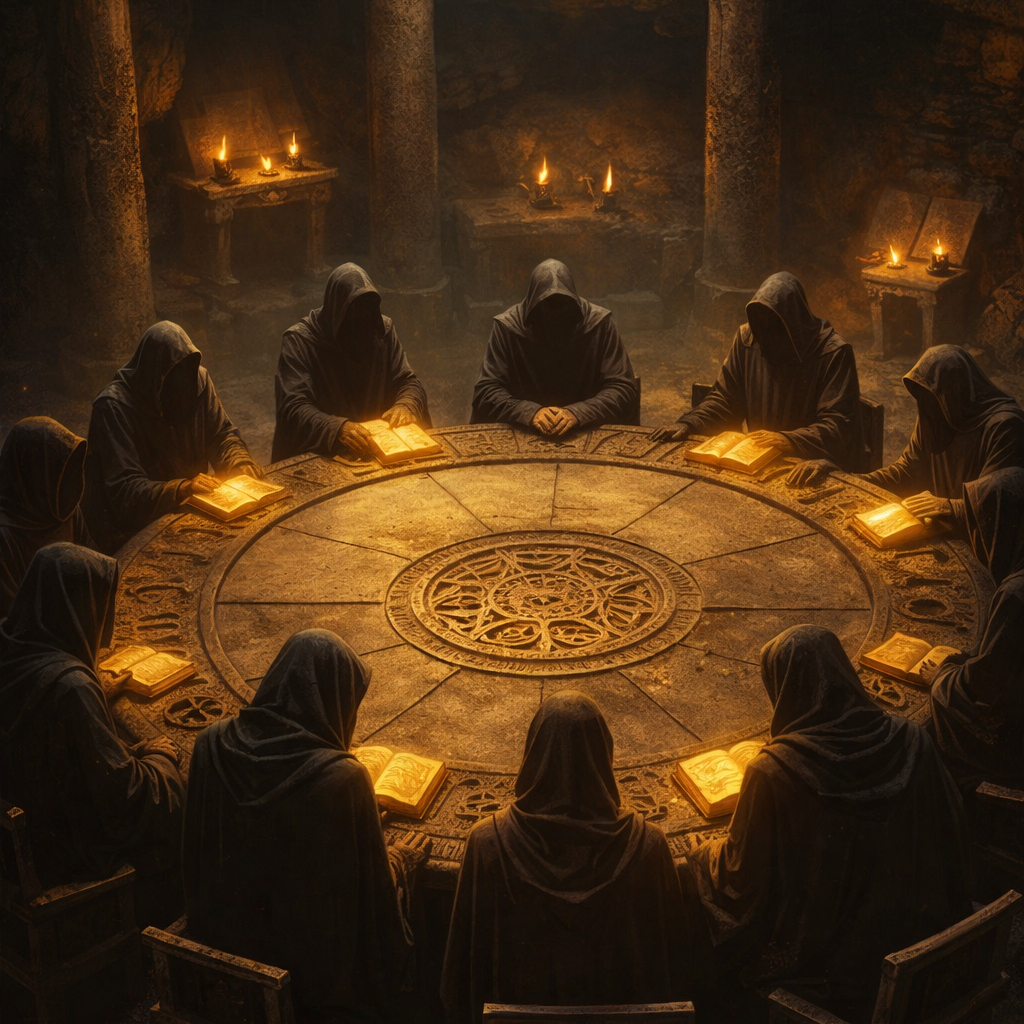

Arts and Crafts in the Middle Ages by Julia de Wolf Addison is a treasure trove of esoteric knowledge for modern seekers of medieval and Renaissance arts. Published in 1866, this book offers a meticulous account of the various crafts and artistic techniques that flourished during the Middle Ages, making it an invaluable resource for those interested in the history of decorative arts. Addison's detailed descriptions and historical context provide a deep understanding of the esoteric practices and artistic innovations of the time. The book's focus on the early Renaissance adds an extra layer of intrigue, showcasing the evolution of artistry from the medieval period to the Renaissance. For contemporary esoteric seekers, this text serves as a bridge to the past, offering insights into the mystical and artistic traditions that have shaped our world. The book's thorough research and engaging narrative make it a must-read for anyone curious about the esoteric dimensions of medieval and Renaissance art.
📝 Description
71
Julia de Wolf Addison's 1908 book examines the symbolic and occult meanings in medieval decorative arts.
Published in 1908, Julia de Wolf Addison's "Arts and Crafts in the Middle Ages" examines the applied arts of the medieval period. The book focuses on the workmanship and the artisans of the time, uncovering what Addison perceived as hidden knowledge and symbolism within their creations. It discusses how craftsmanship itself held philosophical significance, with artisans encoding spiritual and alchemical ideas into their decorative work.
The text invites readers to consider the sacred geometry and esoteric principles that informed medieval artistry. Addison's approach reveals layers of meaning beneath the surface of the decorative arts, aiming to illuminate the mystical underpinnings of beauty and craftsmanship from the era. It is intended for those interested in the esoteric traditions that shaped artistic expression.
This work aligns with late 19th and early 20th-century interests in finding hidden meanings within historical art and craft traditions. It positions medieval decorative arts not merely as historical artifacts but as expressions of a deeper, symbolic language. Addison's interpretation connects these crafts to broader esoteric currents, suggesting that the artisans were consciously or unconsciously channeling spiritual or alchemical concepts into their physical creations, similar to how other movements sought occult knowledge in ancient texts or architecture.
✍️ Author
Addison, Julia de Wolf
Julia de Wolf Gibbs (February 24, 1866 – 1952) was an American writer and craftsman. She was born in Boston, Massachusetts, the daughter of Franklin Gibbs and Ann de Wolf Lovett, and was educated in England by a governess.
💡 Why Read This Book?
Reading Arts and Crafts in the Middle Ages today offers a unique opportunity to delve into the rich history of medieval and Renaissance arts. This book provides a comprehensive overview of the various crafts and artistic techniques that defined these eras, making it an essential read for anyone interested in the history of decorative arts. Whether you are a scholar, an art historian, or simply an enthusiast of esoteric traditions, this text offers valuable insights into the mystical and artistic practices of the past. By exploring the esoteric dimensions of medieval and Renaissance art, readers can gain a deeper understanding of the cultural and artistic heritage that has shaped our world.
⭐ Reader Reviews
Honest opinions from readers who have explored this book.
❓ Frequently Asked Questions
What makes this book unique?
This book is unique because it combines detailed historical research with an esoteric perspective on medieval and Renaissance arts. It provides a comprehensive overview of various crafts and artistic techniques, making it a valuable resource for both scholars and enthusiasts.
Who is the intended audience for this book?
The intended audience for this book includes scholars, art historians, and enthusiasts of medieval and Renaissance art. Anyone interested in the history of decorative arts and esoteric traditions will find this text particularly engaging and informative.
What can readers expect to learn from this book?
Readers can expect to learn about the intricate techniques and crafts that defined the Middle Ages and the early Renaissance. The book offers detailed descriptions of illumination of books and manuscripts, decorative arts, and the contributions of specific artisans, providing a deep understanding of the esoteric practices and artistic innovations of the time.
🔮 Key Themes & Symbolism
Symbolism in Medieval Art
This book studies the strong symbolism embedded within medieval decorative arts, revealing how artisans encoded spiritual and occult meanings into their creations. The exploration of sacred geometry and alchemical principles provides a deep understanding of the esoteric traditions that shaped medieval craftsmanship.
Esoteric Traditions
Addison's work uncovers the hermetic and mystical underpinnings of medieval art, making it a valuable resource for those interested in the esoteric dimensions of craftsmanship. The book provides insights into the hidden knowledge and spiritual significance that permeated the decorative arts of the time.
Hidden Knowledge
The book reveals the layers of hidden knowledge that lie beneath the surface of medieval decorative arts. Addison's meticulous research uncovers the alchemical and mystical principles that guided artisans, providing a unique perspective on the esoteric dimensions of craftsmanship.
💬 Memorable Quotes
Direct passages from the work, attributed to the author.
“Every line and curve holds a secret story.”
— Addison emphasizes the hidden symbolism embedded within medieval decorative arts.
“Medieval art is a collection of mystical meanings.”
— Addison reveals the esoteric dimensions of medieval craftsmanship, making it a rich source for seekers of hidden knowledge.
💡 Key Ideas
Editorial paraphrase of the work's core concepts — not direct quotes.
The craftsman's hand is the instrument of divine will.
This quote highlights the spiritual significance of craftsmanship in the Middle Ages.
The alchemist's touch transforms base materials into sacred objects.
This quote underscores the alchemical principles that guided medieval artisans.
The craftsman's art is a pathway to the divine.
This quote underscores the spiritual and mystical underpinnings of medieval decorative arts.
🌙 Esoteric Significance
Tradition
This book belongs to the hermetic and alchemical traditions, exploring the mystical underpinnings of medieval craftsmanship. It studies the sacred geometry and esoteric principles that guided artisans, providing valuable insights into the hidden knowledge that permeated the decorative arts of the time.
Symbolism
Key symbols discussed in the book include sacred geometry and alchemical principles, which were integral to medieval craftsmanship. These symbols hold deep spiritual and occult meanings, revealing the esoteric dimensions of the art form.
Modern Relevance
Today, this book remains relevant for modern practitioners of the occult and esoteric traditions. It provides valuable insights into the mystical underpinnings of art, making it a rich source for those interested in the hermetic and alchemical dimensions of craftsmanship.
👥 Who Should Read This Book
Beginners interested in the mystical and occult aspects of medieval art will find this book accessible and enlightening. Scholars of esoteric traditions will appreciate the depth of research and insight into the symbolism and hidden knowledge embedded within medieval decorative arts. Spiritual seekers looking to deepen their understanding of the sacred geometry and esoteric principles that shaped medieval craftsmanship will find this book invaluable. Practitioners of the occult will benefit from the exploration of the hermetic and alchemical dimensions of art.
📜 Historical Context
Written in an era when the boundaries between art and spirituality were fluid, 'Arts and Crafts in the Middle Ages' provides a unique perspective on the esoteric dimensions of medieval craftsmanship. The book's exploration of symbolism and hidden knowledge was groundbreaking at the time, influencing later studies in the fields of hermeticism and alchemy. Addison's work has had a lasting impact on the understanding of medieval decorative arts, making it an essential read for scholars and practitioners of the occult.
📔 Journal Prompts
Reflect on the spiritual significance of craftsmanship in the Middle Ages.
How do the symbols discussed in the book influence your understanding of medieval art?
Consider the alchemical principles that guided medieval artisans.
What hidden knowledge do you believe is embedded within decorative arts?
How does this book deepen your appreciation for the esoteric dimensions of craftsmanship?
🗂️ Glossary
Sacred Geometry
The study of geometric shapes and patterns that are believed to have spiritual and mystical significance.
Alchemy
An ancient philosophical and protoscientific tradition that aims to transform base materials into sacred objects.
Hermeticism
A philosophical and spiritual tradition based on the writings attributed to Hermes Trismegistus, emphasizing the unity of all things.
Esoteric
Relating to knowledge that is understood by only a small number of people with special knowledge or interest.
Symbolism
The use of symbols to represent ideas or qualities, often with spiritual or mystical connotations.
This book appears in 2 collections
🔮 Readers Also Liked
Browse all →
From the “Secret Societies” Collection
View all →


More Free Freemasonry & Secret Societies Books
View all →