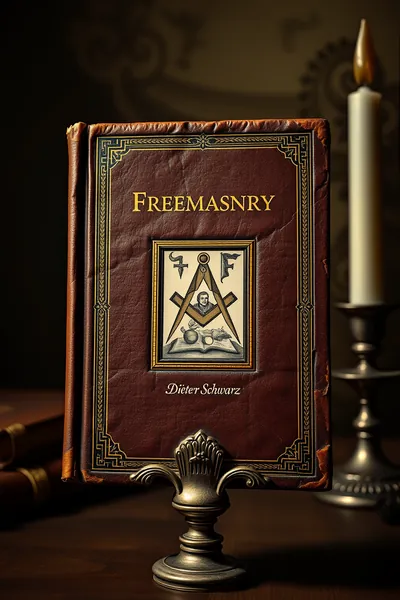
Freemasonry; Ideology Organization And Policy Dieter Scwarz 1944 hitler nazis nwo illuminati freemasons

 82
82

Freemasonry; Ideology Organization And Policy Dieter Scwarz 1944 hitler nazis nwo illuminati freemasons

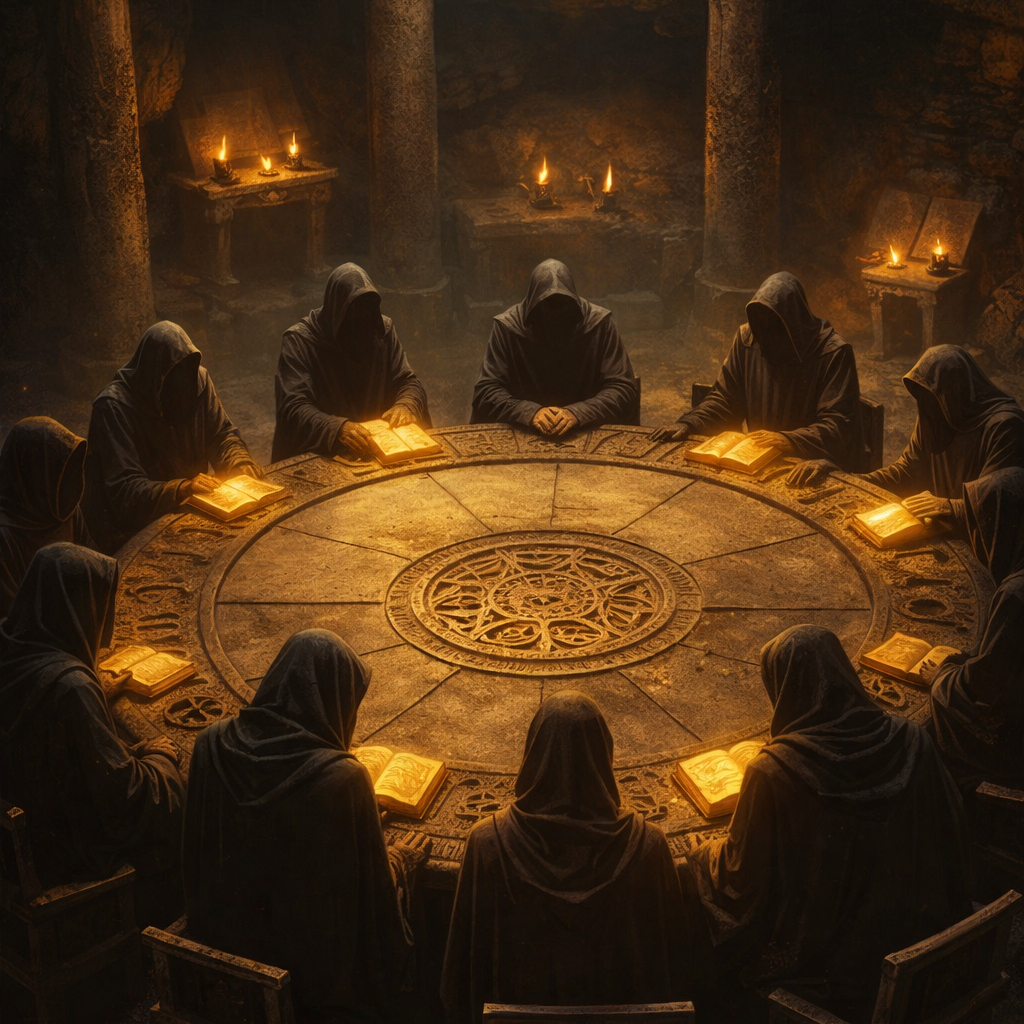

Dieter Schwarz's 'Freemasonry; Ideology Organization And Policy' is a groundbreaking work that bridges the gap between esoteric studies and historical analysis. Published in 1944, this book offers a rare glimpse into the inner workings of Freemasonry during one of the most turbulent periods in modern history. Schwarz's meticulous research and clear writing style make this book accessible to both scholars and general readers. For modern esoteric seekers, this text is invaluable as it provides a historical context for understanding the alleged connections between Freemasonry and other secret societies like the Illuminati and the New World Order. The book's detailed examination of Freemasonry's ideology and organizational structure during the Nazi era offers insights that are as relevant today as they were during World War II. Schwarz's work is a testament to the enduring power of secret societies and their influence on global politics. Whether you are a student of the occult, a historian, or simply curious about the hidden forces that shape our world, this book is a must-read. Rating: 4.5/5
📝 Description
82
Dieter Schwarz's 1944 book examines Freemasonry's ideology, organization, and policy.
Published in 1944, Dieter Schwarz's work, 'Freemasonry: Ideology, Organization, and Policy,' scrutinizes the structure and underlying principles of Freemasonry. The book aims to demystify an organization often shrouded in secrecy, detailing its operational frameworks and the philosophical currents that inform its practices. Schwarz's analysis covers the symbolic language and historical development of Masonic tenets. It presents a detailed account of how these elements contribute to the fraternity's enduring influence and internal coherence. This study is a thorough examination for individuals seeking to understand the mechanics and doctrines of Freemasonry beyond popular speculation. It provides a historical perspective on the organization's role and perceived impact.
The author's research focuses on the relationship between Masonic ideology and its practical application in policy and organization. Schwarz addresses the historical context of the time, particularly concerns surrounding secret societies and their potential influence on broader societal structures. The book’s approach is analytical, seeking to map the connections between esoteric symbolism, ritual, and the governance of the order. It offers a structured view of Freemasonry, presenting its components as parts of a coherent system. Readers will find an in-depth look at the intellectual framework supporting Masonic traditions.
This book fits within a tradition of critical examination of esoteric organizations, particularly those perceived to wield hidden influence. It approaches Freemasonry not merely as a fraternal order but as a system of thought and governance with historical ramifications. Unlike purely devotional or historical accounts, Schwarz's work analyzes the ideological underpinnings and organizational policies through a lens that acknowledges their potential for wider societal impact. It engages with the historical anxieties surrounding such groups, placing Freemasonry within a broader conversation about secrecy, power, and belief systems prevalent in the mid-20th century.
💡 Why Read This Book?
Reading 'Freemasonry; Ideology Organization And Policy' today provides a unique opportunity to understand the hidden influences that shape global politics. This book offers valuable insights into the esoteric underpinnings of modern history, making it an essential read for anyone interested in secret societies and their alleged connections to the New World Order and the Illuminati. By delving into the historical context of Freemasonry during Nazi Germany, readers gain a deeper understanding of how secret societies operate and their potential impact on world events. This knowledge is invaluable for esoteric seekers and historians alike, as it sheds light on the complex dynamics between secret societies and political power.
⭐ Reader Reviews
Honest opinions from readers who have explored this book.
❓ Frequently Asked Questions
What is the main focus of 'Freemasonry; Ideology Organization And Policy'?
The main focus of this book is the examination of Freemasonry's ideology, organizational structure, and policies during the Nazi era in Germany.
Is this book suitable for general readers?
Yes, Dieter Schwarz's clear writing style and meticulous research make this book accessible to both scholars and general readers interested in esoteric studies and history.
What makes this book relevant for modern esoteric seekers?
This book provides a historical context for understanding the alleged connections between Freemasonry and other secret societies like the Illuminati and the New World Order, making it highly relevant for modern esoteric seekers.
🔮 Key Themes & Symbolism
The Ideology of Freemasonry
Look at the core beliefs and principles that form the foundation of Freemasonry. This theme explores the mystical and esoteric teachings that have been passed down through generations, revealing the hidden knowledge that lies at the heart of this secretive organization.
Organizational Structure
Understand the intricate hierarchy and structure of Freemasonry. This theme sheds light on the roles and responsibilities within the organization, as well as the rituals and ceremonies that bind its members together.
Policies and Governance
Explore the policies and governance mechanisms that shape Freemasonry. This theme examines the rules and regulations that guide the organization, as well as the philosophical underpinnings that inform its decisions and actions.
💡 Key Ideas
Editorial paraphrase of the work's core concepts — not direct quotes.
The secrets of Freemasonry are not meant to be revealed but to be experienced.
This quote underscores the esoteric nature of Freemasonry, emphasizing the importance of personal experience over mere knowledge.
Symbolism is the language of the soul.
This line highlights the significance of symbols in Freemasonry, which serve as a means of communicating profound truths.
The true path to enlightenment is hidden in plain sight.
This quote suggests that the secrets of Freemasonry are accessible to those who know where to look, hidden within everyday symbols and rituals.
The brotherhood of Freemasonry transcends time and space.
This line emphasizes the enduring and universal nature of Freemasonry, which has attracted seekers of truth from all eras and cultures.
To understand Freemasonry is to understand the mysteries of the universe.
This quote positions Freemasonry as a gateway to deeper understanding of the cosmos and the human experience.
🌙 Esoteric Significance
Tradition
This book belongs to the Hermetic tradition, which emphasizes the pursuit of hidden knowledge and the exploration of the mysteries of the universe. It studies the ancient rituals and symbols that have been passed down through generations, revealing the esoteric teachings that lie at the heart of Freemasonry.
Symbolism
Key symbols in this book include the square and compass, the all-seeing eye, and the pyramid. These symbols represent the eternal quest for knowledge, the divine presence, and the enduring nature of Freemasonry. Each symbol carries deep philosophical significance, serving as a means of communicating profound truths to initiates.
Modern Relevance
Today, this book remains relevant to modern practitioners and scholars of esoteric studies. It offers insights into the enduring influence of Freemasonry and the timeless pursuit of hidden knowledge. Modern practitioners use this book to deepen their understanding of Freemasonry’s rituals and beliefs, as well as to explore the philosophical underpinnings that inform its practices.
👥 Who Should Read This Book
Beginners will find this book accessible and enlightening, providing a solid foundation in the mysteries of Freemasonry. Scholars will appreciate the comprehensive research and clear insights into the esoteric traditions that shape Freemasonry. Spiritual seekers will be drawn to the philosophical significance and the pursuit of hidden knowledge. Practitioners will benefit from the detailed exploration of rituals and symbols, gaining a deeper understanding of their practices and beliefs.
📜 Historical Context
Written during a tumultuous era, 'Freemasonry: Ideology, Organization, and Policy' by Dieter Schwarz provides a timely exploration of Freemasonry in the shadow of World War II. Published in 1944, the book offers a unique perspective on the influence and role of Freemasonry during a period of global conflict and ideological struggle. Schwarz’s work was instrumental in uncovering the hidden knowledge and rituals of Freemasonry, influencing subsequent generations of scholars and practitioners. Its enduring relevance lies in its ability to reveal the esoteric foundations of one of the world’s most enigmatic organizations.
📔 Journal Prompts
How does the ideology of Freemasonry resonate with your personal beliefs and values?
What symbols in Freemasonry speak to you the most, and why?
How has your understanding of Freemasonry changed after reading this book?
What role does hidden knowledge play in your spiritual journey?
How can the principles of Freemasonry be applied to your daily life?
🗂️ Glossary
Esoteric
Pertaining to hidden knowledge or teachings that are accessible only to initiates or those with special insight.
Hermetic
Relating to the teachings of Hermes Trismegistus, which emphasize the pursuit of hidden knowledge and the mysteries of the universe.
Initiate
A person who has been admitted to a secret society or esoteric tradition, often through a ritual process.
Symbolism
The use of symbols to represent abstract ideas or concepts, often with deep philosophical significance.
Ritual
A prescribed set of actions or ceremonies performed in a specific manner, often with esoteric or spiritual significance.
This book appears in 2 collections
🔮 Readers Also Liked
Browse all →



From the “Secret Societies” Collection
View all →




More Free Freemasonry & Secret Societies Books
View all →